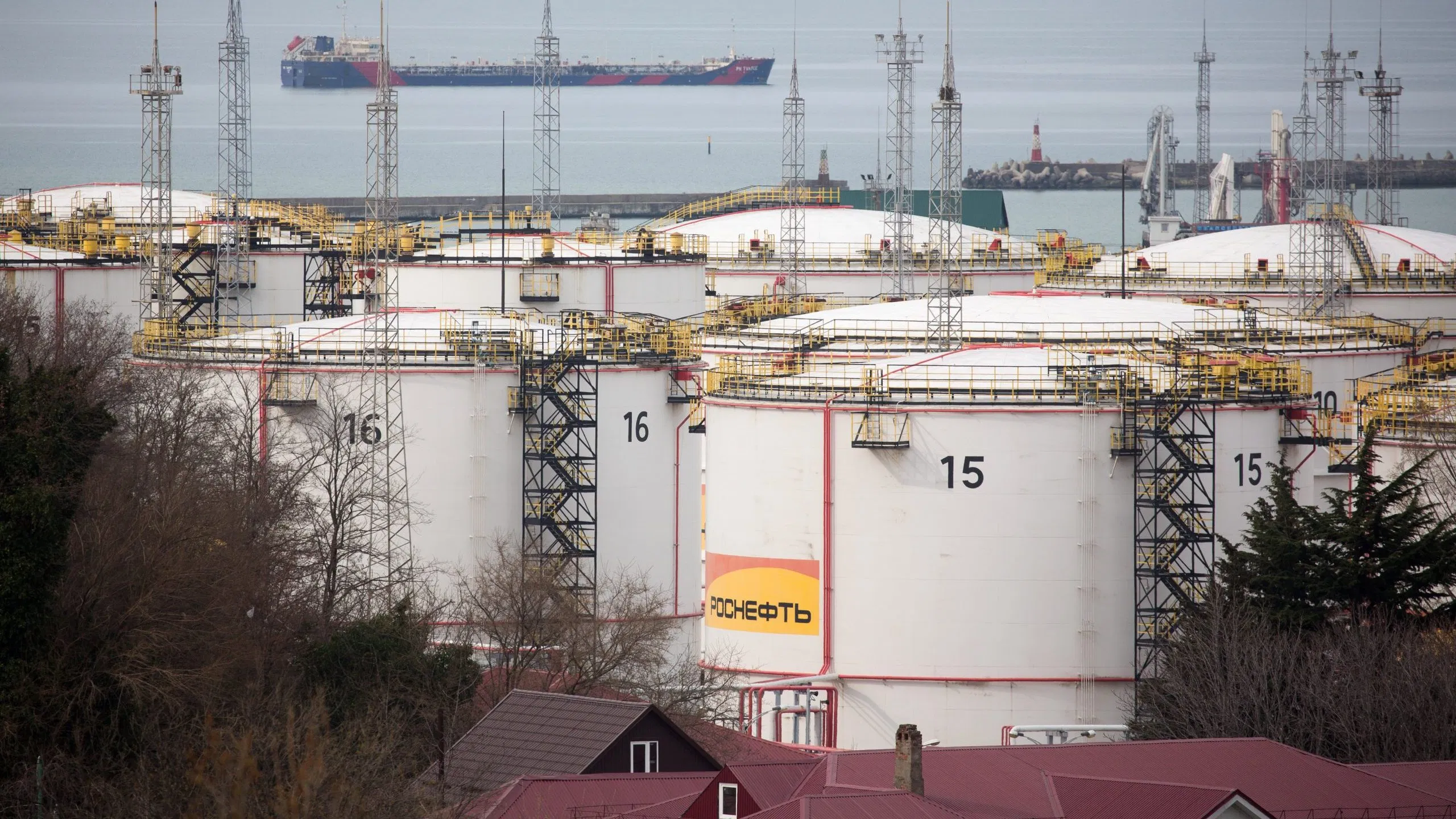
The European Union is considering a temporary freeze to its price cap on Russian oil as the war in the Middle East continues into a fourth month, said people familiar with the matter.
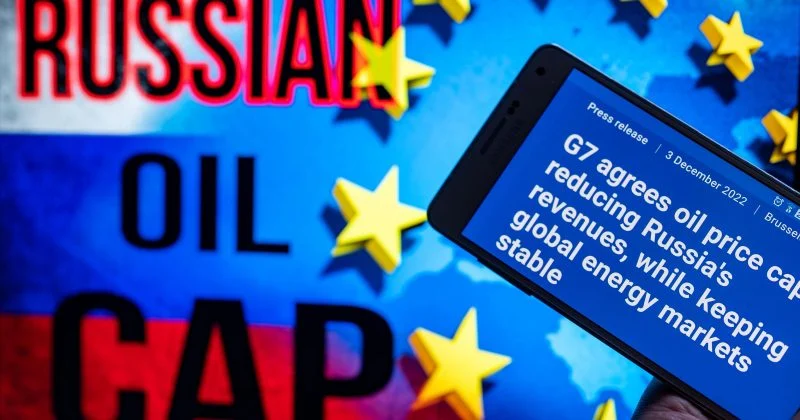
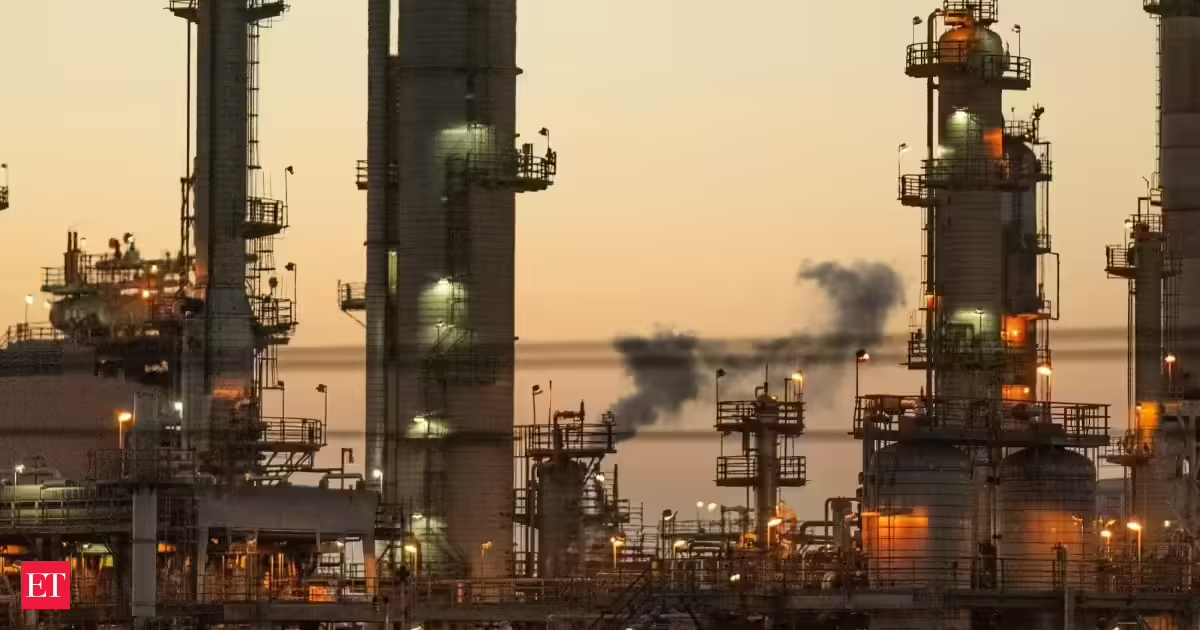
The bloc adopted a dynamic mechanism last year to ensure that the price cap is automatically set every six months at 15% lower than the average market rate for Russian Urals crude. The current price threshold is $44.10 per barrel and is due for review later this summer.Under the cap, European firms are banned from providing services such as insurance and transportation involving oil sold above the threshold.
Oil prices have soared as a result of the Iran war and the effective closure of the Strait of Hormuz. The next price cap review in July would likely see the level rise to at least $65, higher than the previous $60 threshold set collectively by the Group of Seven, said the people, who spoke on condition of anonymity to discuss private deliberations.The freeze would keep the price cap at the current rate. Other options under consideration include suspending dynamic and automatic increases until the end of the year in light of the exceptional circumstances in the Middle East, or capping any rise to $60 back in line with the G7 level, the people said.The move would be part of the EU’s latest sanctions package, the bloc’s 21st since Russia’s full-scale invasion of Ukraine in 2022. The EU aims to finalize and formally propose a package of new measures in early June. Member-state envoys were briefed on the plans last week.Read more: UK Eases Russian Sanctions to Prevent Diesel and Jet Fuel CrunchOther measures under discussion for the new sanctions package include targeting more banks, oil traders, refineries and crypto operators in third countries used by Moscow to circumvent the bloc’s restrictions. As well, about 20 additional tankers would be sanctioned in the covert fleet of vessels that Russia depends on to move its oil, and eventually that regime would be extended to ships carrying liquefied natural gas, limiting the Kremlin’s ability to create a shadow fleet for LNG.The EU has so far sanctioned hundreds of vessels and intends to also target ships providing services to the tankers, the people said.However, the new sanctions are unlikely to include a full ban on maritime services. Several member states continue to oppose that option due to the volatility in the Middle East, and unless the measure is backed by the wider G7.Read more: EU to Say Airlines Can Use US Jet Fuel Amid Hormuz Block The main goals of the new package, the people said, are to further tighten the screws on Russia’s energy revenues and its financial sector, as well as starving its military industry of essential supplies. Sanctions require the backing of all member states before they’re adopted, and plans could change before that. Maritime nations such as Greece have often bristled at price-cap changes, while other capitals are particularly sensitive toward what they say are their energy and trade interests.Other proposals for the next package include trade restrictions on some critical minerals, metals and ores used in Russia’s aerospace sector and to develop the drones it uses to bomb Ukraine’s cities, as well as technologies such as jamming.The bloc is also considering export controls on about two dozen firms, including companies in China, India, Turkey and Central Asia, that are allegedly still supplying Russia with restricted goods found in weapons or needed to make them.