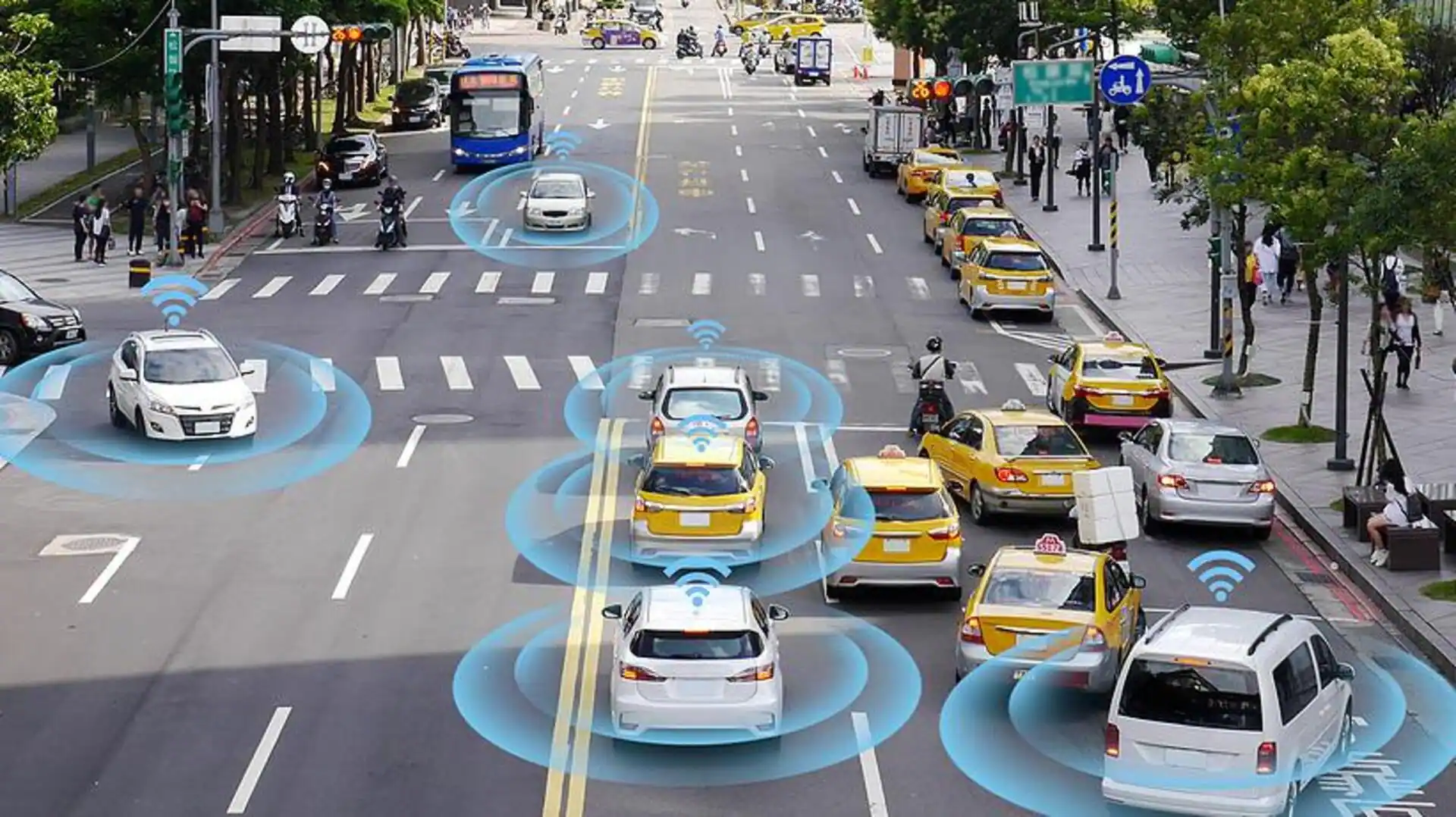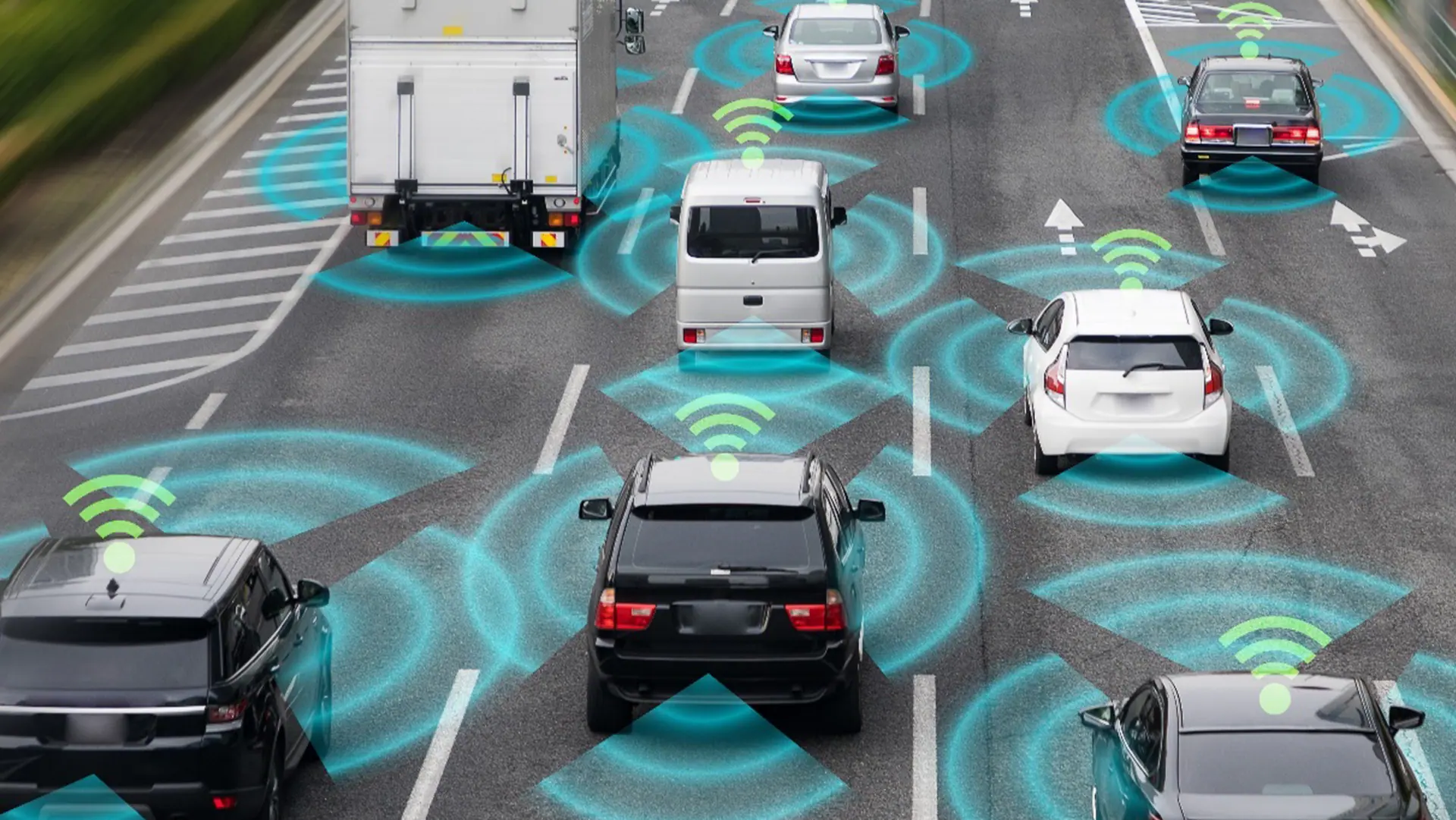
Telecom operators, including Reliance Jio, Bharti Airtel and Vodafone-Idea have opposed to the separate service authorisation for Vehicle-to-Infrastructure (V2I) or vehicle-to-vehicle (V2V) communications, particularly where such communication could be enabled through existing licensed telecom networks (through cellular networks or through localised road-side infrastructure deployed for intelligent transport and road-safety applications).In a submission to the Telecom Regulatory Authority of India (TRAI), the telcos said that the regulatory framework for spectrum assignment for V2I/C-V2X services should be based on licensed, interference-protected and IMT-integrated use of the 5.9 GHz band, rather than a fragmented or licence-exempt model.For instance, in its submission, Reliance Jio said, “...that spectrum should be assigned only through auction to access service providers and to authorised V2I entities, in case the authorisation is implemented. The entire spectrum range from 5875-5925 MHz should be harmonised for IMT (International Mobile Telecommunications) services and made available through auction in blocks of 5 MHz.”All three private telcos have unanimously said that India’s V2X ecosystem should be built on licensed spectrum integrated with existing 4G/ 5G IMT networks, so that deployments are secure, scalable, interoperable and capable of meeting stringent safety and quality-of-service requirements.“All safety-critical V2X communications, particularly those intended to reduce road accidents and fatalities, should operate only over licensed and interference-protected spectrum,” Cellular Operators Association of India (COAI), representing the telcos said to the telecom regulator.Last week businessline reported that the Ministry of Road Transport and Highways (MoRTH) has to work on mandating V2V deployment in vehicles, including two-wheelers, and what kind of device and what specifications for such technology to be installed in the vehicles.For that, MoRTH was working in tandem with the Department of Telecommunications (DoT) and sources had indicated that the government was supposed to de-license the 5.875-5.925 GHz spectrum band, which can be used for V2V communications.But, the COAI in its submission to TRAI said that as V2X communication services rely on dedicated spectrum to enable safety-critical and intelligent transportation applications, it is imperative that such assignment ensures optimal utilisation, robust regulatory oversight and interference protection. Therefore, a licensed framework will enable coordinated deployment and strengthen spectrum management.“Furthermore, V2X communication must not be perceived as a narrow, standalone short-range service. It should be recognised as an integrated, layered communications ecosystem encompassing Vehicle-to-Network (V2N), Vehicle-to-Infrastructure (V2I), Vehicle-to-Vehicle (V2V), and Vehicle-to-Pedestrian (V2P) functionalities,” COAI said.These modes operate in a complementary and interoperable manner, collectively forming the backbone of a resilient, future-ready intelligent transportation framework, it added.Published on June 9, 2026
Jio, Airtel, VIL oppose to separate service permit for V2V/ V2X communication
Telecom giants Jio, Airtel, and VIL oppose separate permits for V2V/V2X, advocating for licensed spectrum integration with 4G/5G networks.
409 words~2 min read