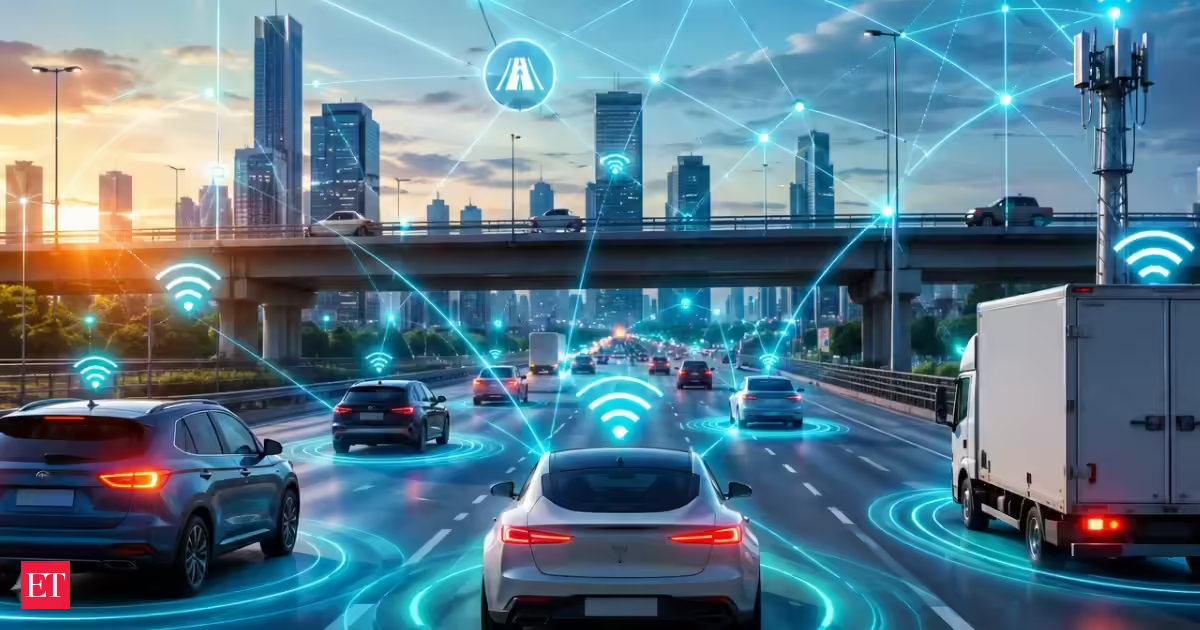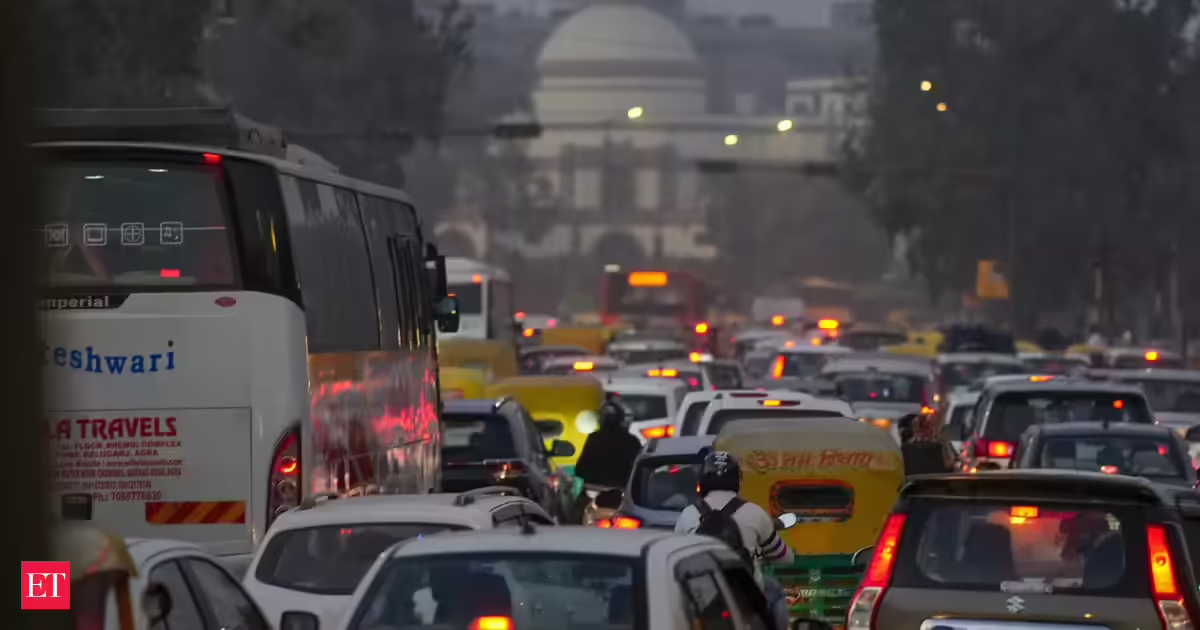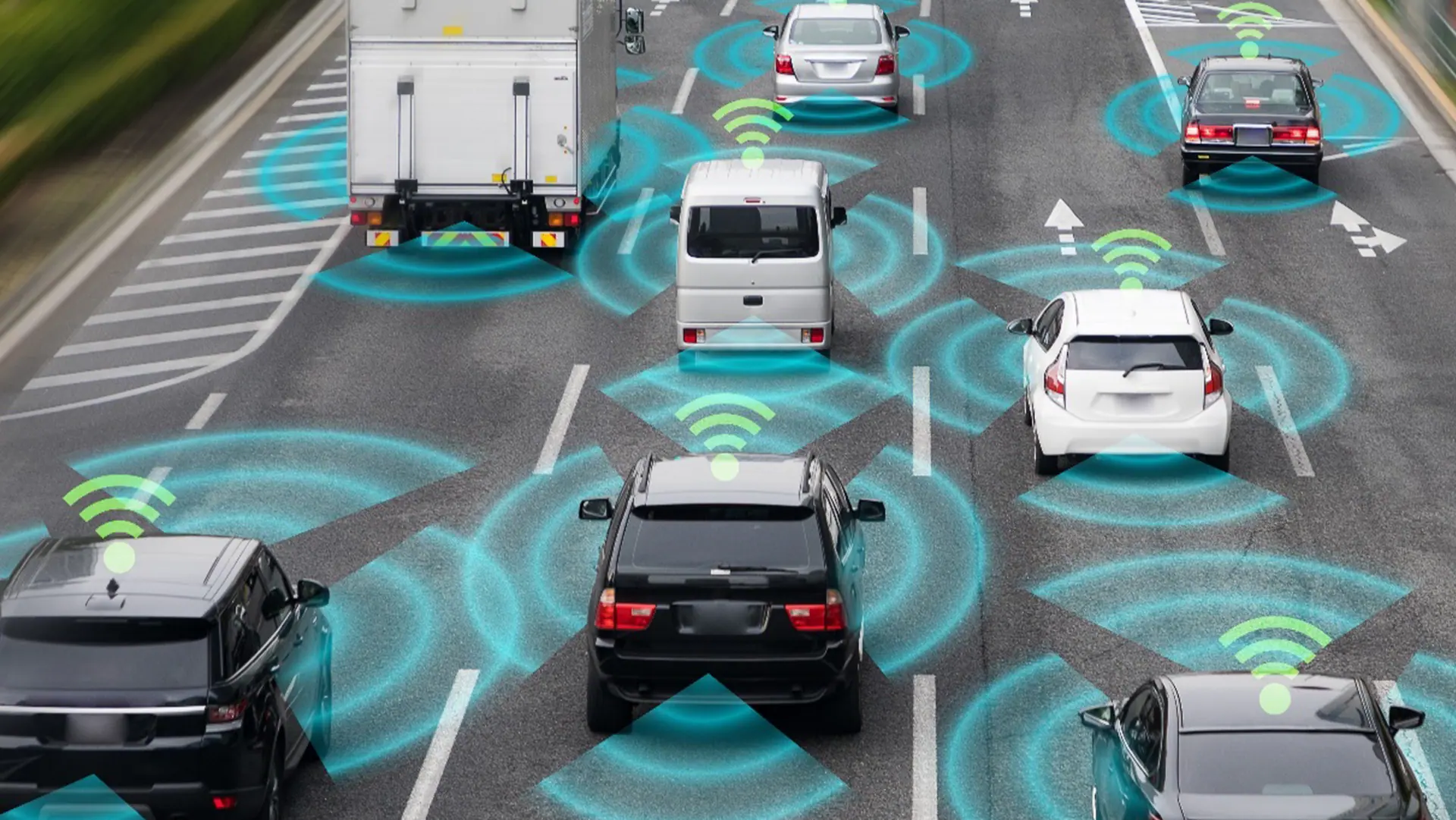
The Department of Telecommunications (DoT) has issued two notifications within a day of each other, de-licensing spectrum bands for automotive radar and vehicle-to-everything (V2X or V2I) communication, clearing the regulatory path for next-generation road safety technology in India.However, telecom operators including Reliance Jio, Bharti Airtel and Vodafone-Idea, had opposed separate service authorisation for Vehicle-to-Infrastructure (V2I) or vehicle-to-vehicle (V2V) communications, particularly where such communication could be enabled through existing licensed telecom networks (through cellular networks or through localised roadside infrastructure deployed for intelligent transport and road-safety applications).The first notification, issued on Friday, exempts short-range automotive radar systems operating in the 77-81 GHz band from licensing requirements. These radar units are the sensors behind increasingly common Advanced Driver Assistance Systems (ADAS) features such as collision avoidance, blind-spot monitoring, adaptive cruise control and automated parking, working by bouncing radio waves off nearby objects to detect their distance, speed and position.“A short-range automotive radar system installed on a vehicle and operating in the 77–81 GHz frequency band, shall be permitted without assignment of radio frequency, on non-interference, non-protection and non-exclusive basis; no license shall be required for possession of such short-range automotive radar system by any person or its sale or hire by any dealer,” the DoT said through a Gazette notification on Friday.Under the new rules, manufacturers, dealers and vehicle owners will no longer need individual spectrum licenses to install, sell or possess such systems, provided the equipment meets specified technical limits, a maximum average power of 50 dBm (decibel-milliwatts) and peak power of 55 dBm EIRP, within a 4 GHz emission bandwidth.The DoT issued a parallel notification for on-board units enabling Cellular Vehicle-to-Everything (C-V2X) communication in the 5875-5905 MHz band (or 5.875-5.925 GHz band), where radar gives a vehicle the ability to sense its immediate surroundings, this technology allows it to communicate by sharing real-time data on speed, position, direction and road conditions with other vehicles, traffic signals and broader network infrastructure.The notification similarly removes licensing requirements for such units, subject to power limits of 23 dBm/MHz spectral density and a maximum of 33 dBm EIRP.Both notifications follow an identical regulatory template. Equipment under either set of rules operates on a “non-interference, non-protection, non-exclusive” basis, meaning operators get no protection from interference and can be directed by the government to relocate equipment, reduce power or change antennas if they cause harmful interference to licensed users.Both also require one-time type approval through a common DoT portal, with manufacturers needing separate approvals for each equipment model unless an identical type has already been cleared and published.Taken together, the two notifications address the two foundational layers of connected-vehicle technology, sensing through radar, and communication through V2X, removing what would otherwise have been separate spectrum-licensing bottlenecks for automakers looking to deploy both systems in vehicles sold in India.Businessline on May 31 had written that to address India’s high toll of over 1.80 lakh annual road deaths, the DoT would soon roll out V2V communication that allows cars to swap real-time safety data, serving as a vital global tool for accident prevention.Both DoT and the Ministry of Road Transport and Highways (MoRTH) were working in tandem to delicense these frequencies or spectrum bands, which can be used for V2V and V2X communications to minimise road accidents in the country.At an event recently, Nitin Gadkari, Minister of Road Transport and Highways, also said India records nearly five-lakh road accidents and 1.80 lakh fatalities every year.“Road safety is a shared responsibility and citizen participation is critical to reducing fatalities on our roads...Our biggest problem is changing public behaviour and enforcing traffic laws,” he noted.The number of road accident fatalities in India went up by 2.3 per cent to over 1.77 lakh in 2024, resulting in the deaths of 485 people every day and therefore, mechanisms like V2X and V2V were very important for this country, he added.Published on June 12, 2026
DoT clears spectrum hurdles for vehicle safety tech with twin notifications
DoT paves the way for vehicle safety tech by de-licensing spectrum for V2V and V2X communications in India.
TL;DRAI
India's DoT de-licensed spectrum bands for automotive radar (77-81 GHz) and Cellular V2X (5.875-5.925 GHz). This removes licensing barriers for ADAS and vehicle-to-infrastructure systems, enabling connected vehicle scaling in India's market addressing 1.80 lakh annual road fatalities.
642 words~3 min read