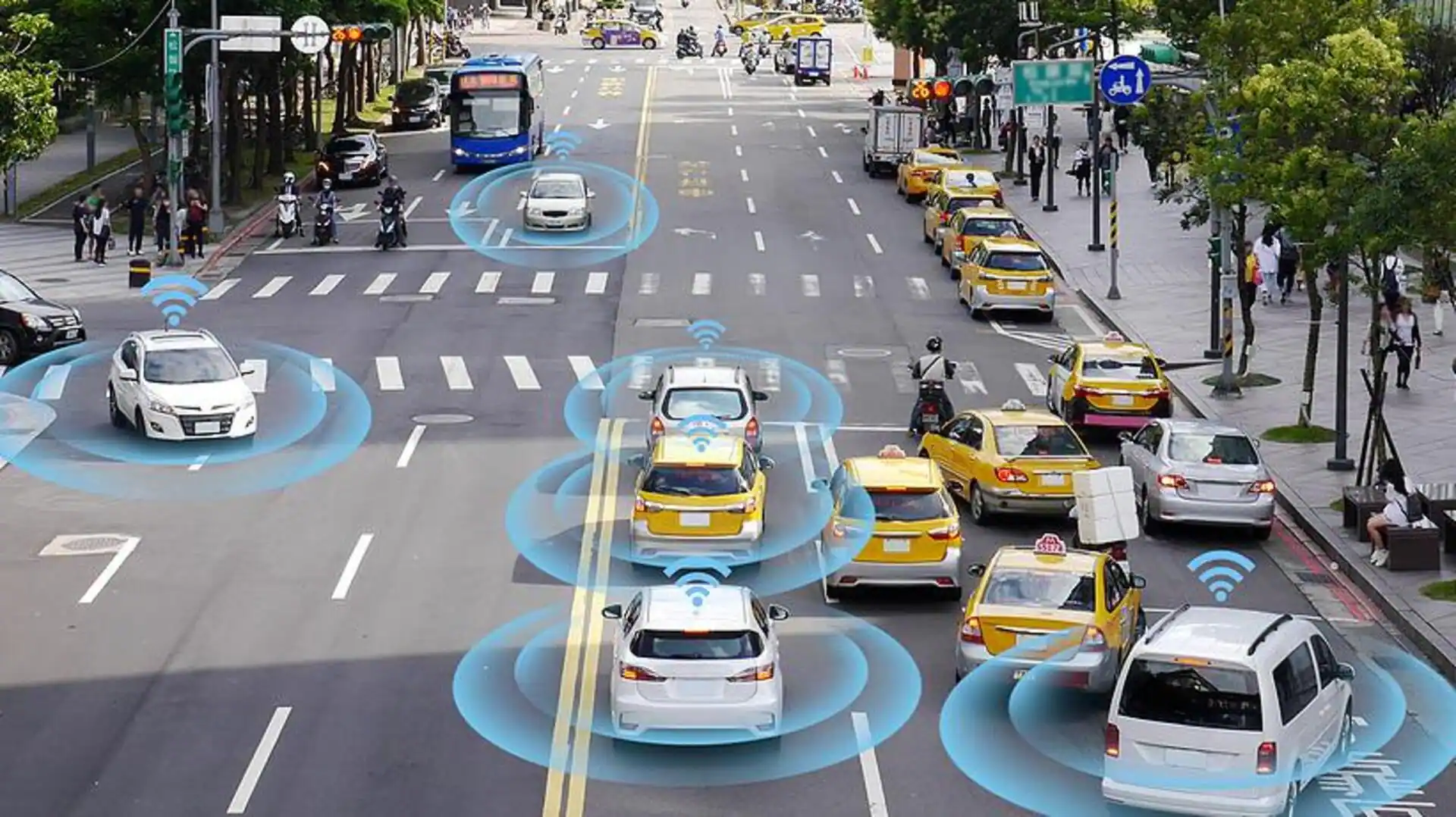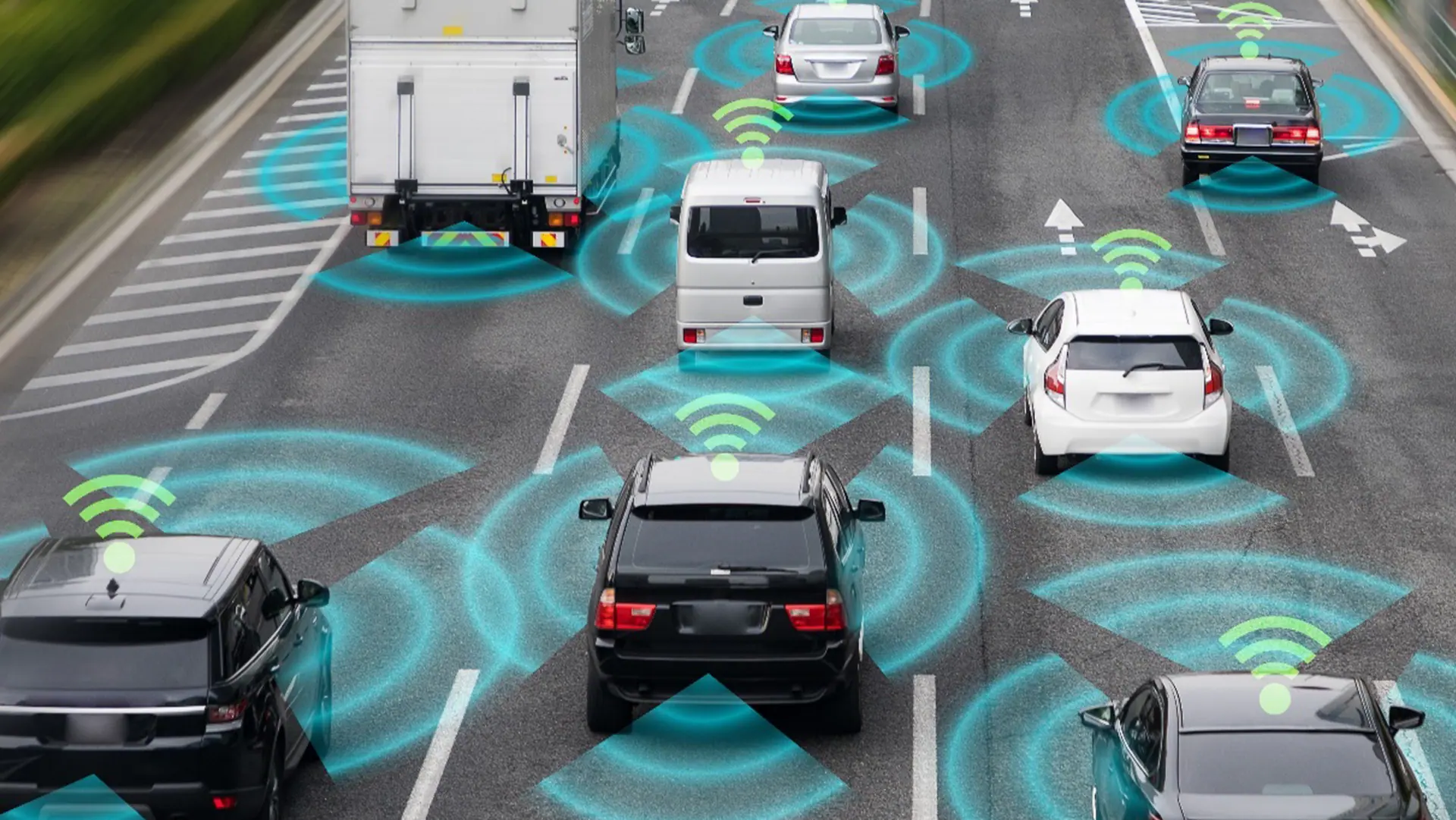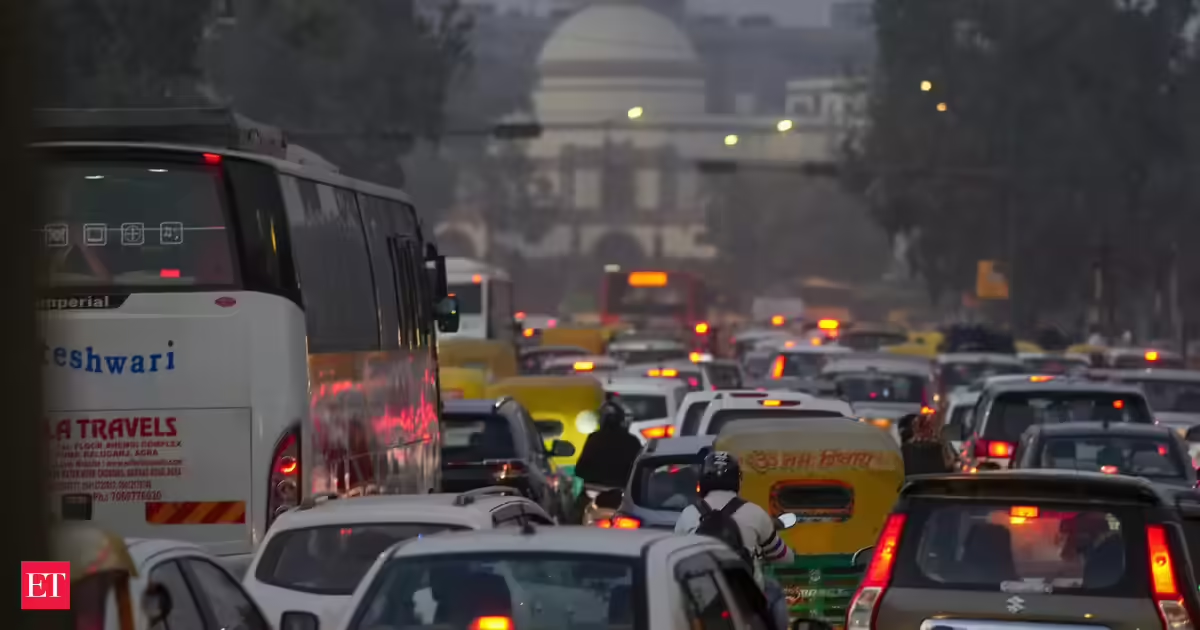
India has scrapped a licence requirement for radar sensors, freeing automakers to adopt technology that helps cars avoid crashes and drive themselves by sensing surrounding objects, in a bid to make some of the world's deadliest roads safer. The world's third largest car market, India reported more than 177,000 deaths in nearly half a million road accidents in 2024, the latest figures show. In a notice on Thursday, the government waived the licence requirement for radar sensors operating in the frequency band from 77GHz to 81 GHz. That lets companies enable the technology without the government having to separately assign the airwaves. Automakers Maruti Suzuki, Tata Motors and Mahindra & Mahindra, stand to benefit from the change, as well the suppliers behind them, such as Germany's Bosch and Continental. The radar sensors let a car gauge safe distances, and drive features such as emergency braking, adaptive cruise control and blindspot warnings, to form a basis for autonomous driving. The change brings India in line with the United States, the European Union and a global telecoms standard, all of which dedicate the same frequency band to vehicle radar. That lets carmakers and suppliers tap into the same off-the-shelf hardware worldwide, rather than having to build an India-specific version.
India clears way for self-driving, safety car tech to reduce road deaths
India has removed the licence requirement for automotive radar sensors operating in the 77-81 GHz frequency band, paving the way for wider adoption of advanced driver-assistance and autonomous driving technologies.
207 words~1 min read