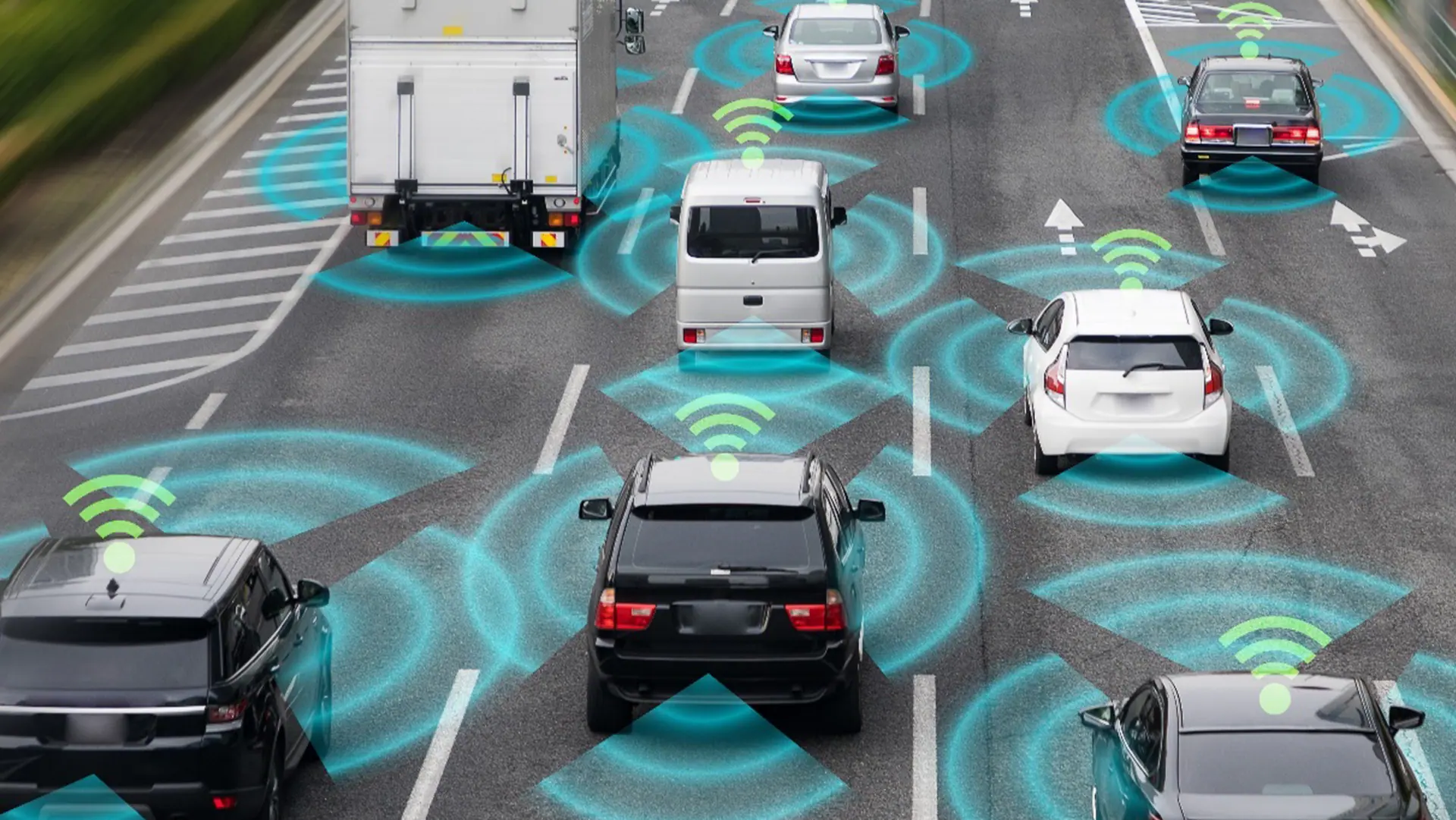
New Delhi: India has exempted devices operating in the 5.9 GHz and 77-81 GHz radio frequency bands from traditional licensing requirements, clearing the path to launch self-driving systems and crash-avoidance technologies in cars.The new rules notified on Thursday exempt on-board units and short-range automotive radar systems installed in vehicles from needing a wireless telegraphy licence as long as they are within prescribed technical and power emission limits.The move aligns India with standards used in the United States and Europe. Automakers can now integrate globally standardised, off-the-shelf, safety radars and communication systems in Indian vehicles in a bid to improve road safety.Separately, the telecom regulator is conducting a consultation process to create a regulatory framework to enable vehicle-to-everything (V2X) communications, covering both the on-board units and roadside units.The proposed framework was designed to enhance road safety, manage traffic and enable intelligent transport systems after the government agreed in principle to adopt cellular V2X as the harmonised standard, proposing assigning the spectrum administratively to the participants.
Government scraps licensing rule for vehicle safety technology
India has taken a bold step by deregulating key radio frequencies, paving the way for innovative advancements in self-driving and collision-avoidance technologies in vehicles. Car manufacturers are now empowered to integrate cutting-edge global safety technologies, significantly enhancing road safety. Additionally, a novel framework is on the horizon for vehicle communication, designed to optimize traffic management and smarter transportation systems.
164 words~1 min read