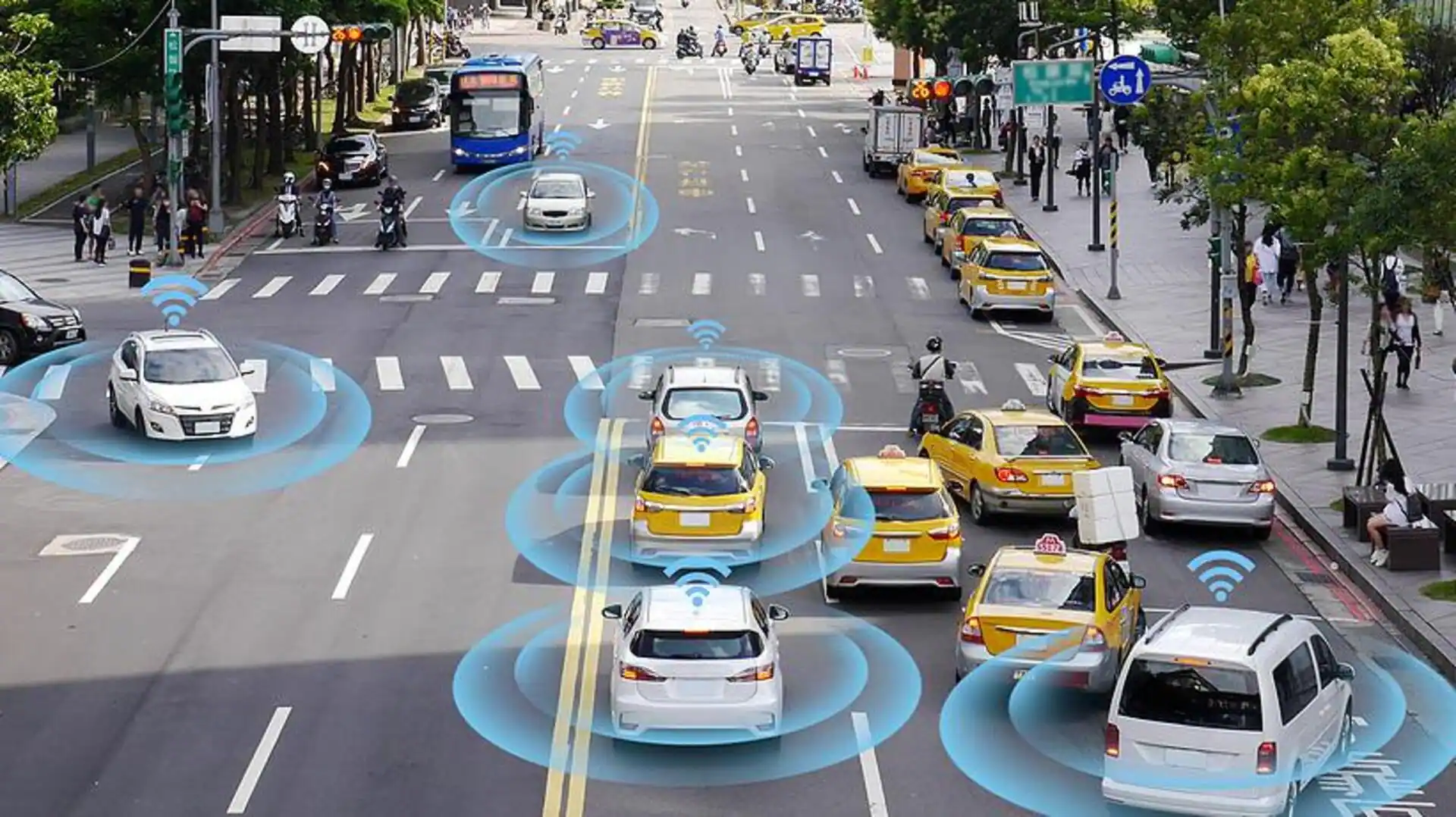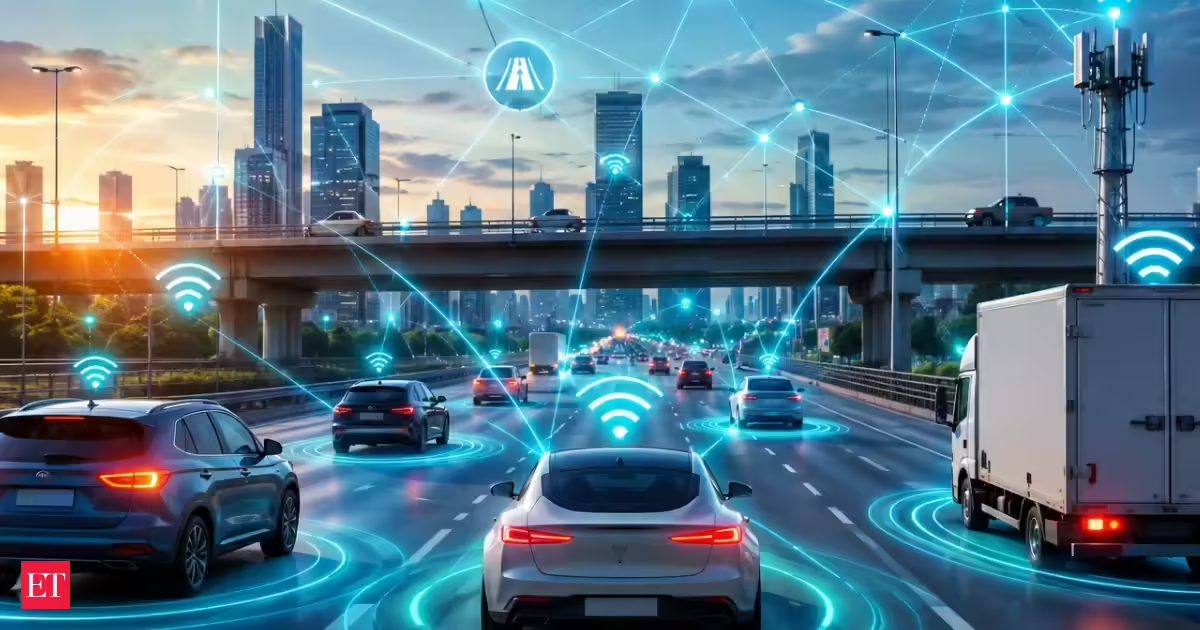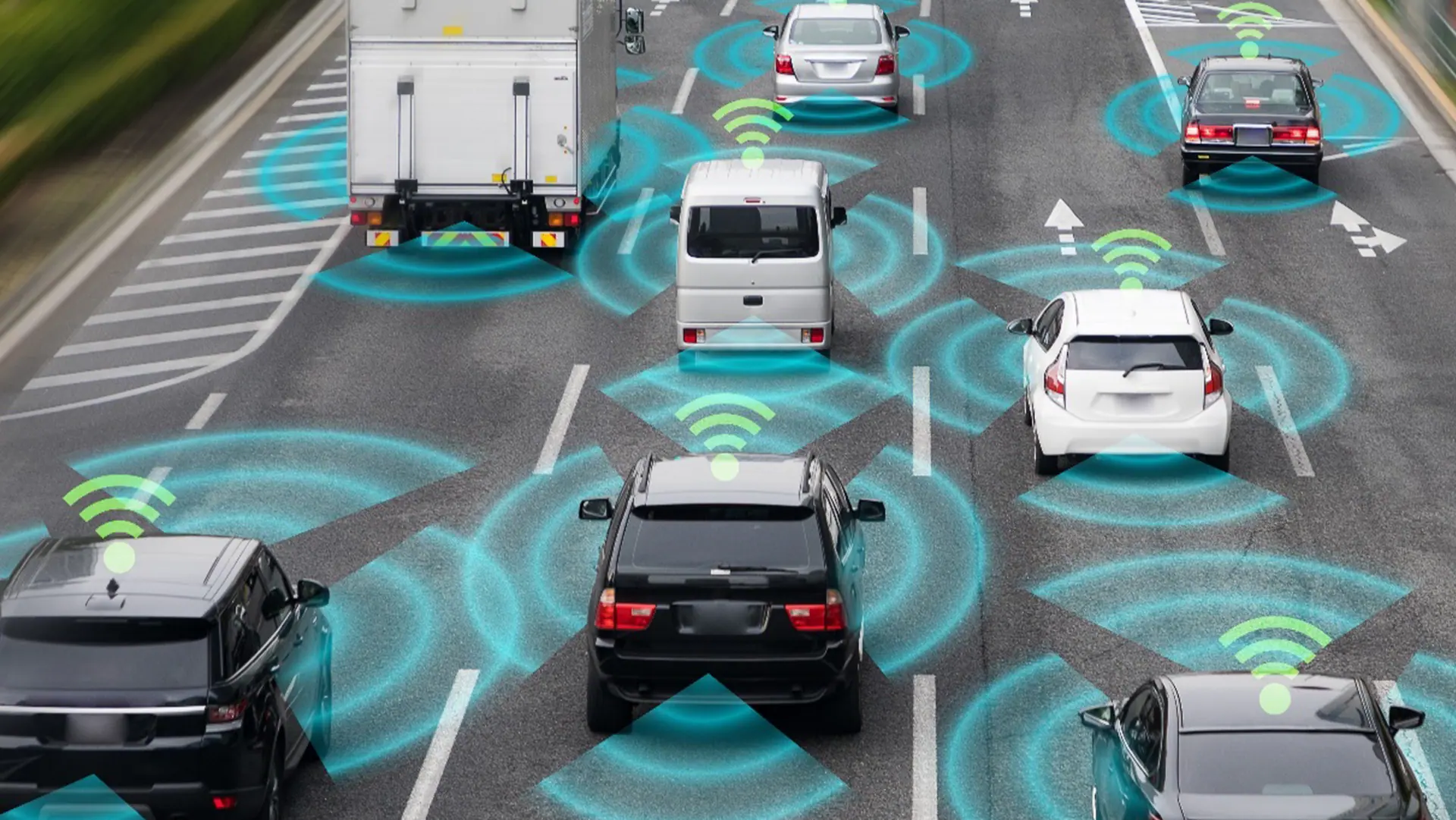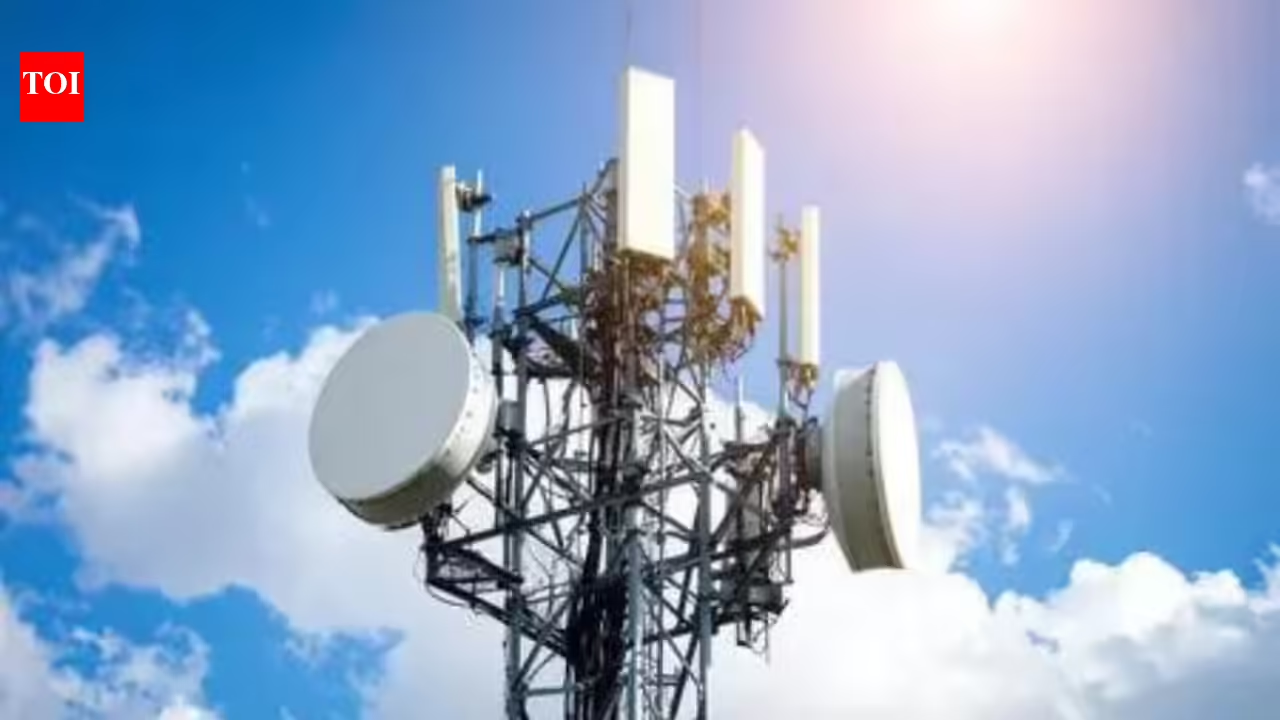
India's plans to deploy vehicle-to-everything (V2X) communications have hit a roadblock as a turf war has erupted among telecom operators, technology vendors and automotive bodies over who gets to control the ecosystem of the critical tool envisioned to help curb the country's high road fatalities.The telecom regulator had invited comments from stakeholders on V2X. The technology, proposed to be deployed by city bodies or highway authorities, instead of a traditional, commercial, telecom service, enables real-time collision avoidance, emergency warnings and traffic optimisation to reduce road congestion. Road accidents claimed more than 173,000 lives in the country in 2023 alone.The three private telcos have unanimusly opposed the creation of a separate, dedicated authorisation for V2X, arguing that it will cause regulatory duplication and fragmented accountability. They told the Telecom Regulatory Authority of India (Trai) that all V2X communications should be subsumed under the scope of the existing access service licences which they hold. They also want the data to be routed through licensed 4G/5G mobile networks.Tech and auto bodies, though, have asked for a light-touch regulatory approach such as a general authorisation or a class licence framework, suggesting that heavy telecom-style licensing would stifle rapid deployment and innovation.They argued that giving private telcos exclusive control over roadside infrastructure could cause a market failure as deployments could become fragmented along commercial lines. Instead road authorities are best positioned to physically manage roadside infrastructure and safety, they said.Tech bodies such as the Broadband India Forum and The Quantum Hub also advocated direct, short-range communication with roadside units such as smart traffic lights operating independently of cellular network coverage to guarantee low-latencies for immediate crash avoidance.The two sides also clashed over spectrum assignment for V2X communications. Telcos demand that the entire 5875-5925 MHz band, earmarked by Trai for use in V2X, be assigned exclusively through auctions, on terms comparable to commercial mobile spectrum. According to them, exclusive assignment provides the regulatory certainty needed for long-term investments and ensures strict interference management.Tech bodies vehemently opposed auctions, arguing that safety-critical V2X services are a public good that generate no direct revenue and should be administratively assigned for a low fee. Imposing heavy spectrum usage charges or exclusive auction fees would create severe financial barriers, they said.Adding to the regulatory gridlock, road safety advocates such as the Central Institute of Road Transport demanded that all on-board units that are installed in vehicles to enable V2X communication undergo mandatory testing and certification. This was vehemently opposed by many other stakeholders, including Bharti Airtel and Qualcomm, arguing it will create a massive testing bottleneck and slow down vehicle launches.
Road safety tech plan hit by telcos-auto turf war
India's ambitious V2X deployment faces a major hurdle as telecom operators, tech firms, and auto bodies clash over control. Disagreements over licensing, spectrum, and mandatory testing threaten to delay the life-saving technology aimed at reducing road fatalities. Stakeholders are divided on how to best manage this critical road safety ecosystem.
430 words~2 min read