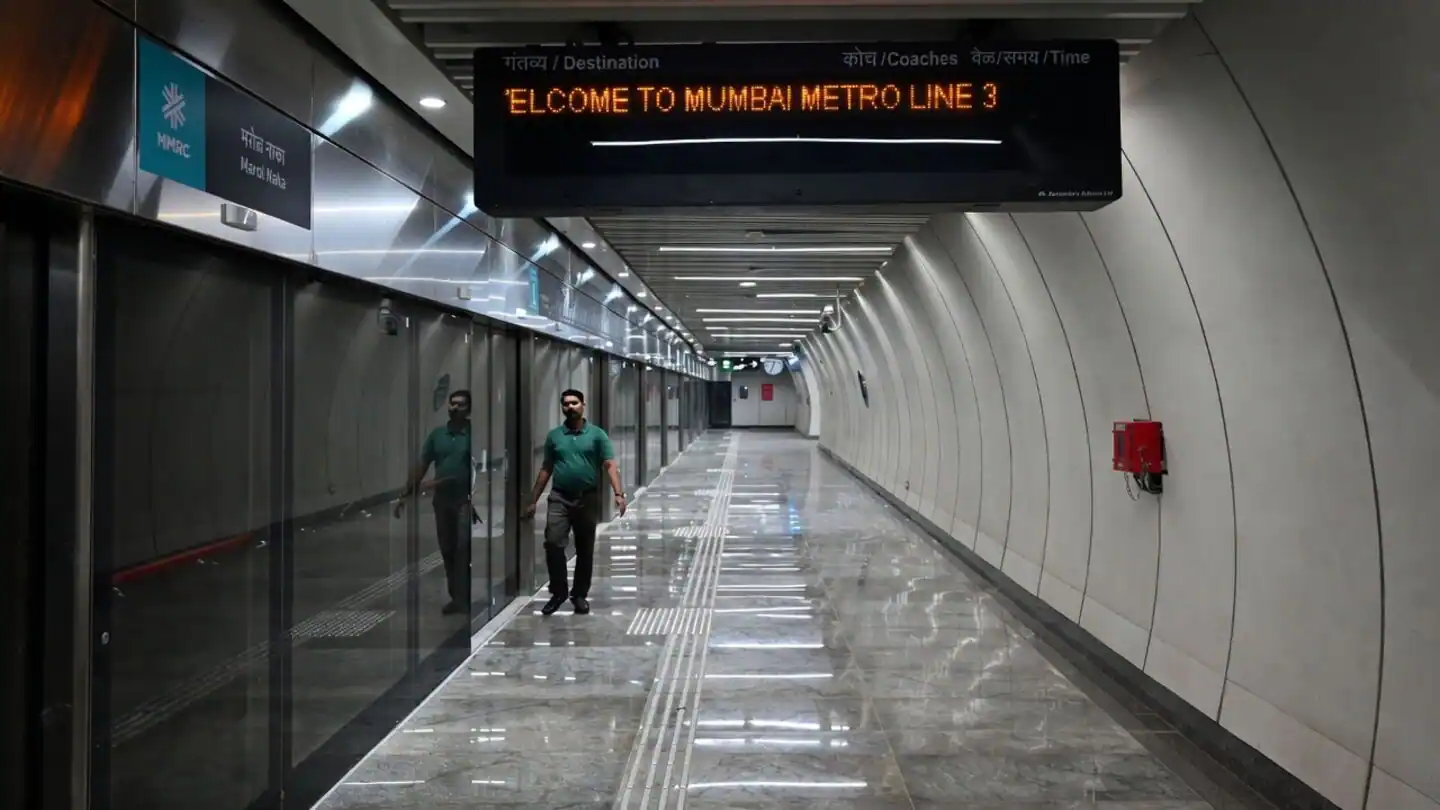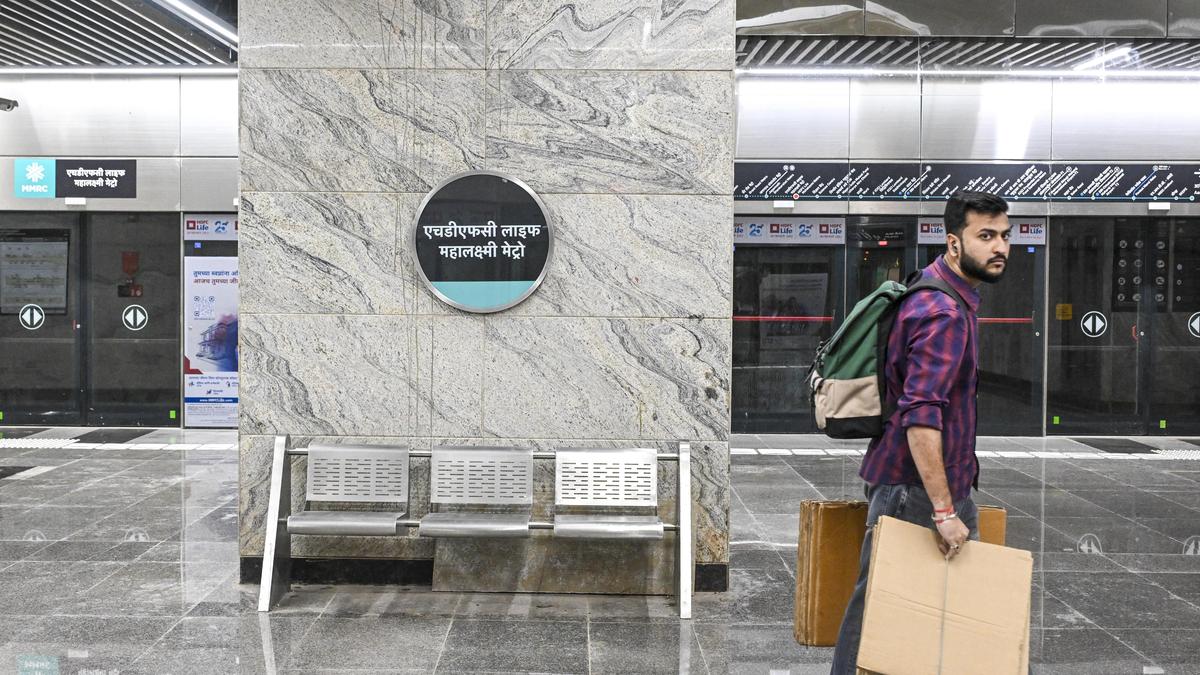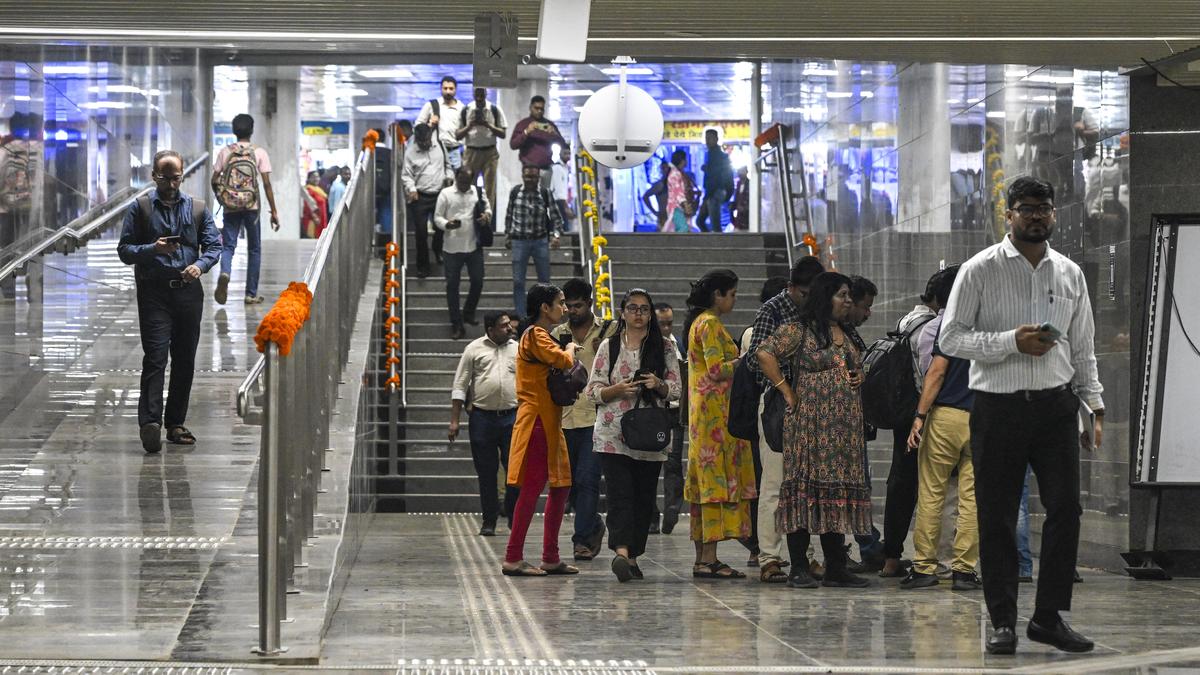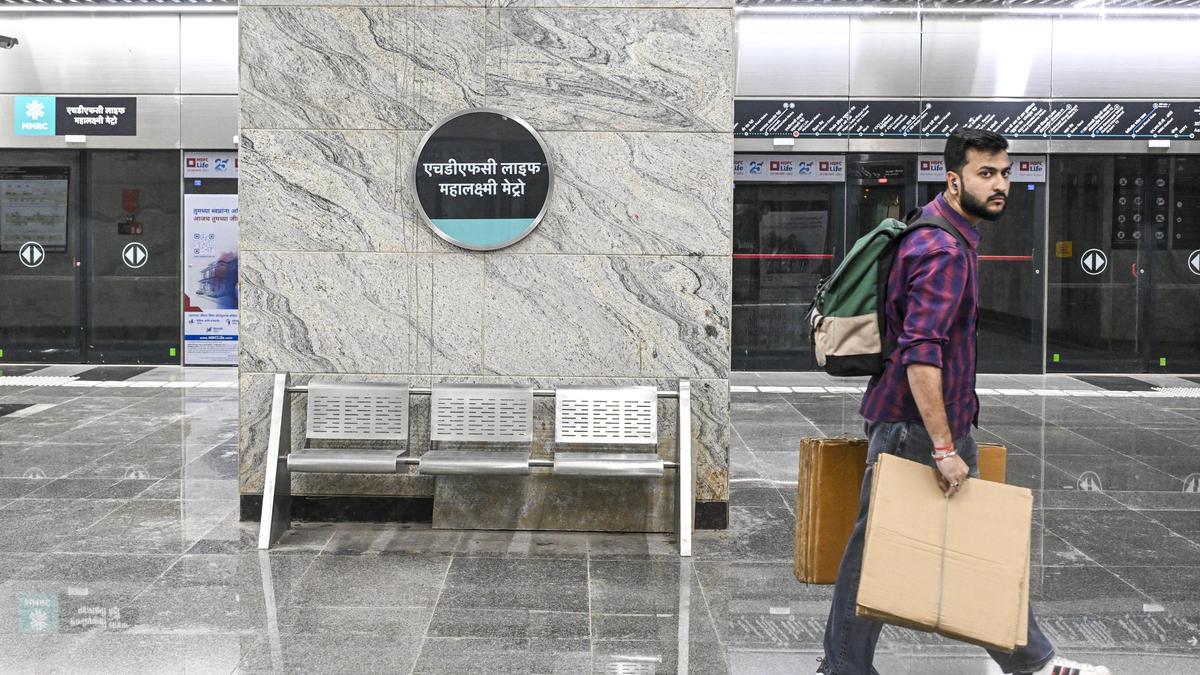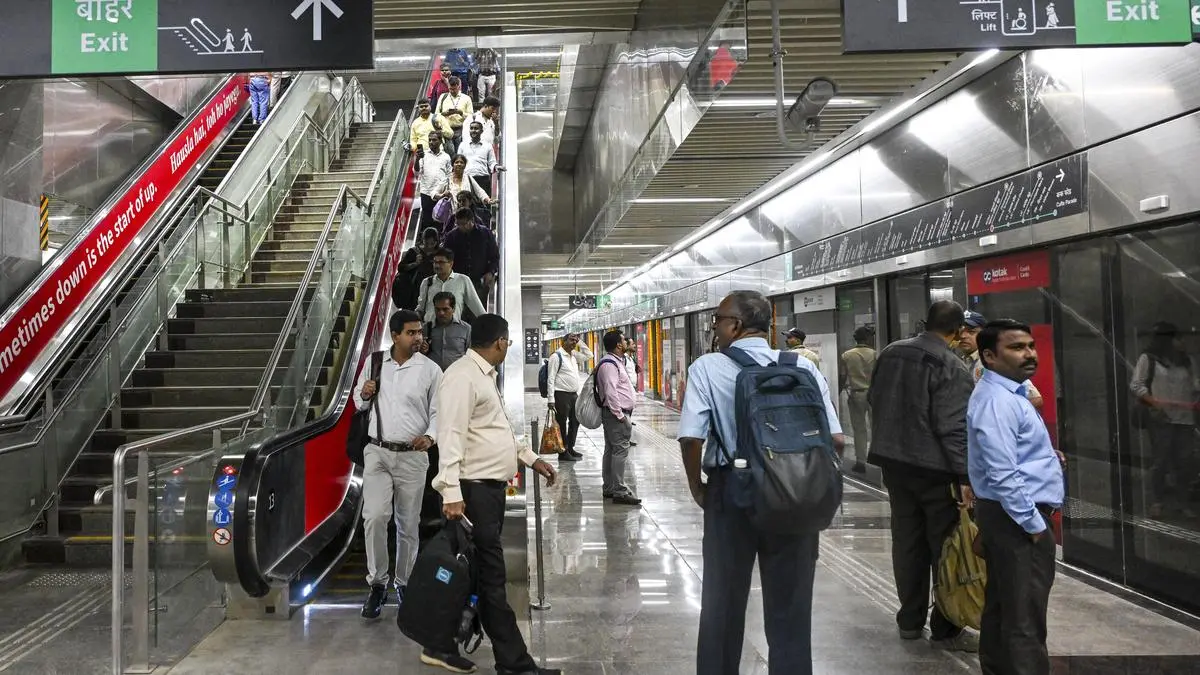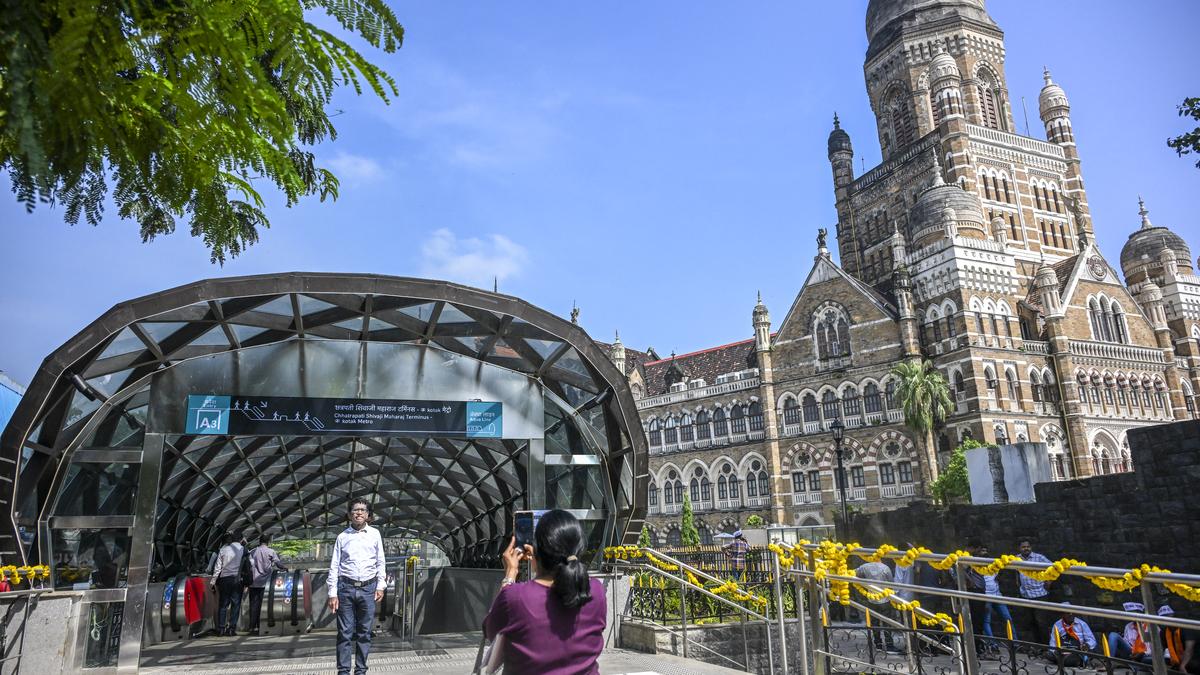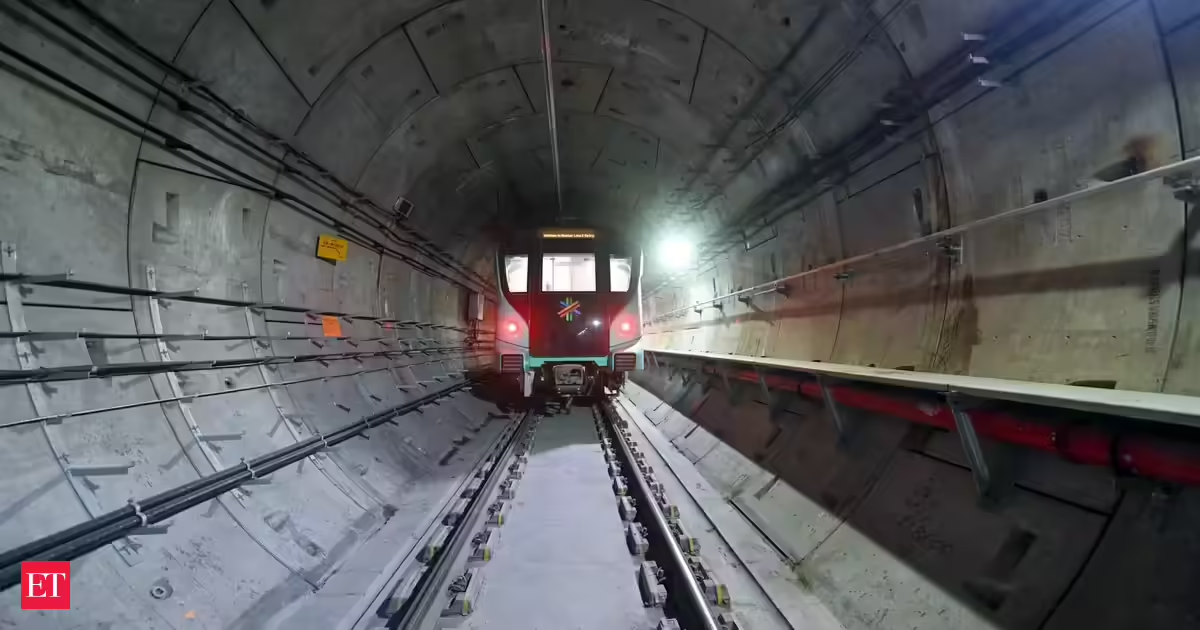
Commuters on the Mumbai Metro Aqua Line will now have access to mobile network connectivity as services get rolled out following the resolution of a two-year long tussle among the top three telecom operators – Reliance Jio, Bharti Airtel, and Vodafone Idea with Mumbai Metro Rail Corporation Limited (MMRCL) over the installation of in-building infrastructure.Telecom operators have been given the necessary right-of-way approval to directly provide connectivity to passengers, with Vodafone Idea and Bharti Airtel covering 16 and 10 stations of the 27 stations as part of a phased rollout. This comes after MMRCL had contracted Saudi Arabia-based ACES to provide the required telecom infrastructure, which in turn was charging exorbitant rentals from telecom operators, according to telecom industry executives. Industry executives said the connectivity dispute at the Navi Mumbai airport has also been similarly resolved in April, with all three operators now providing connectivity at the airport using their own equipment in certain locations alongside a shared agreement with the airport authorities even as the commercials of the deal are still under review. “Reliable connectivity is an essential part of everyone’s daily commute. We are very pleased that our service is available on Aqua Line Phase 1 of the Mumbai Metro network, Phase 2 will go live soon,” Jagbir Singh, chief technology officer, Vodafone Idea said in a statement. Vodafone Idea’s coverage now runs from Aarey JVLR to Acharya Atre Chowk. Connectivity to 11 more stations on the metro line will be live in the coming weeks, the company said. Bharti Airtel also confirmed coverage across ten of the 27 stations of the Aqua Line.“Airtel has restored connectivity in 10 stations on the Mumbai Metro Aqua Line, from Aarey to BKC..As part of the expansion plan, we will cover the remaining 17 stations on the Aqua Line over the next 60 days..,” an Airtel spokesperson said. Reliance Jio, according to a statement from MMRCL, has completed its survey and will commence deployment soon, with expected completion across the corridor by mid July. Industry executives said telecom operators have now received direct contracts with the MMRCL based on right-of-way regulations, resulting in massive cost savings. While under the previous contract with ACES, telcos had to pay steep rentals of around Rs 50-60 lakh per month, they are now paying a nominal monthly rental of approximately Rs 23,000 per station directly to MMRCL, an executive privy to the developments told ET. Telcos are now operating under a shared infrastructure model using the in-building solutions set up by ACES India, the previous third-party company. They are paying approximately Rs 1 lakh per month to rent this infrastructure, which includes equipment both in stations and underground tunnels, the executive said.“Telcos have equally divided the 27 metro stations among themselves, each managing 9 stations of the metro line to manage the network efficiently,” he added.
Mumbai Metro Aqua Line’s 2-year signal war ends: Your phone finally works underground
Mumbai Metro Aqua Line commuters can now enjoy mobile network connectivity after a two-year dispute resolution. Vodafone Idea and Airtel are rolling out services across stations, with Jio to follow soon. Telecom operators now have direct contracts with MMRCL, significantly reducing infrastructure rental costs and ensuring reliable communication for passengers.
TL;DRAI
Mumbai Aqua Line restored after 2-year dispute; direct contracts cut costs from Rs 50-60 lakh to ~Rs 25k/station. Direct procurement contracts eliminate supplier lock-in and enable competition, replicating this model across enterprise IT infrastructure decisions.
471 words~2 min read