Government estimates the final tariff burden on Indonesian goods exported to the US could reach about 18 percent, including a 10 percent tariff tied to forced-labor concerns.
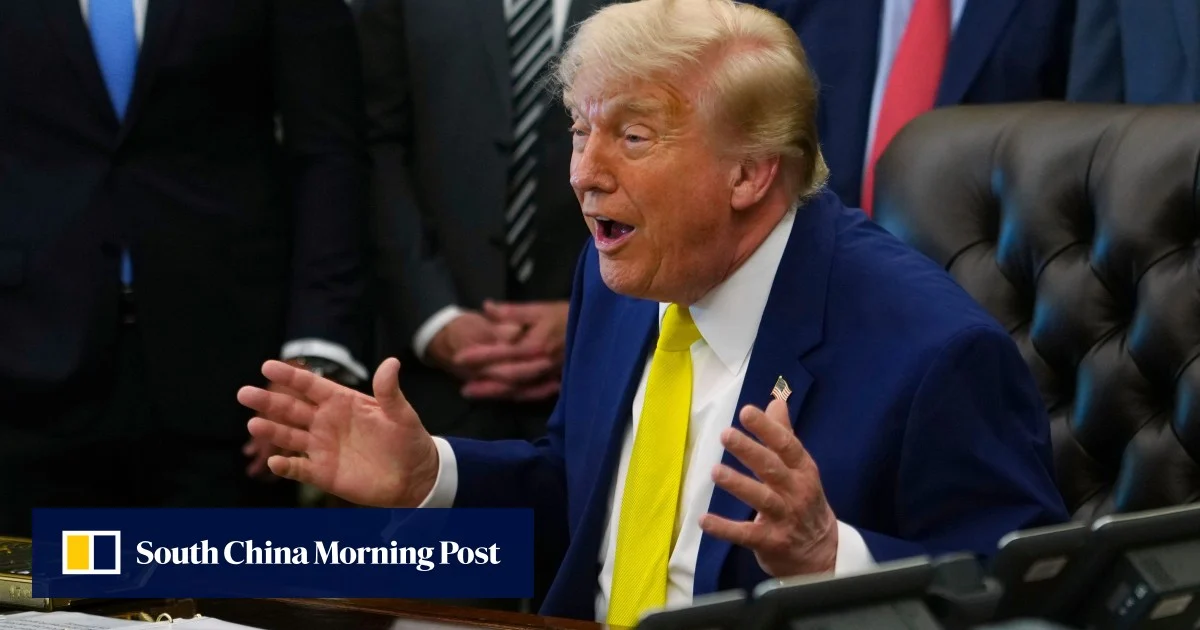
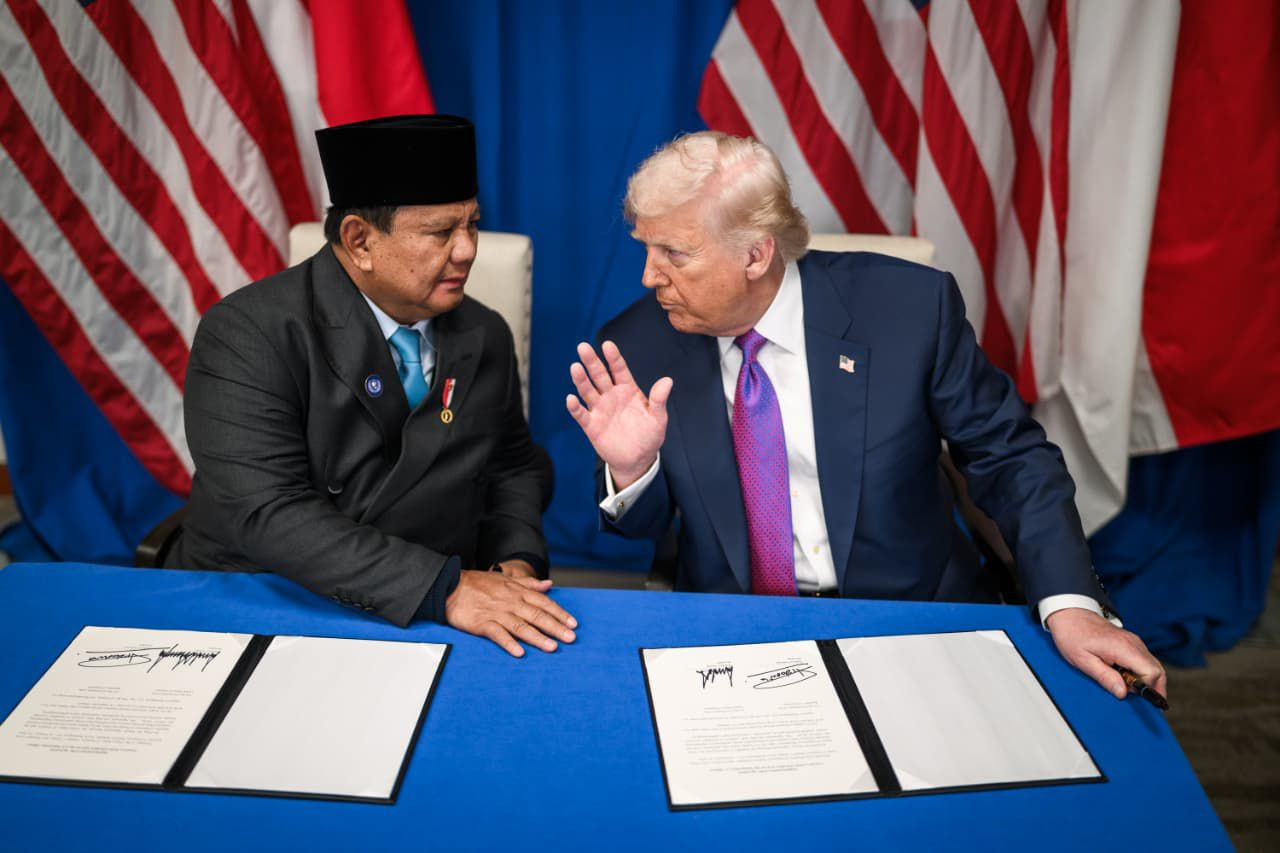
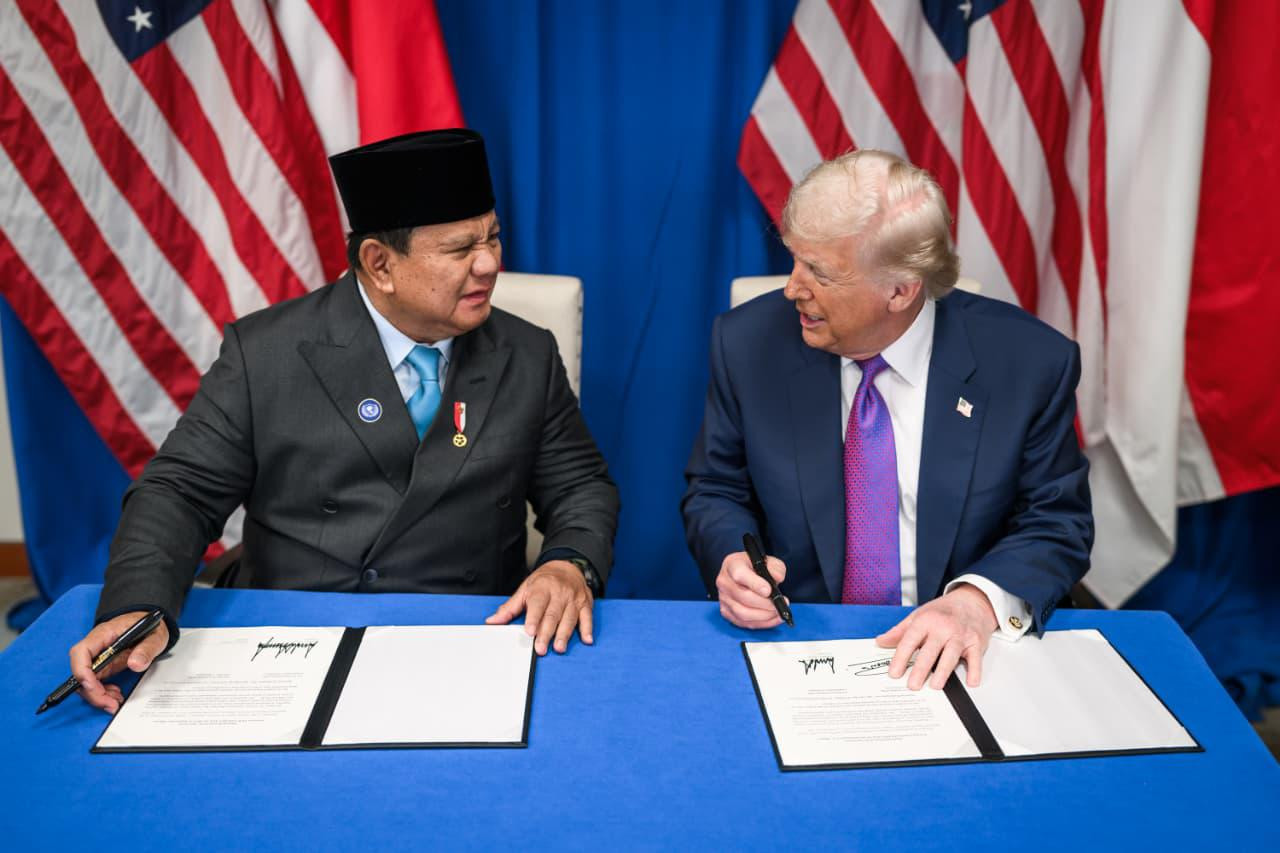
President Prabowo Subianto (left) speaks to United States President Donald Trump (right) during the signing of the US-Indonesia agreement on reciprocal trade (ART) on Feb. 19, 2026, in Washington. The trade deal locks in tariff rates and nontariff barriers to commerce between Indonesia and the US. (Courtesy of Presidential Secretariat/White House)
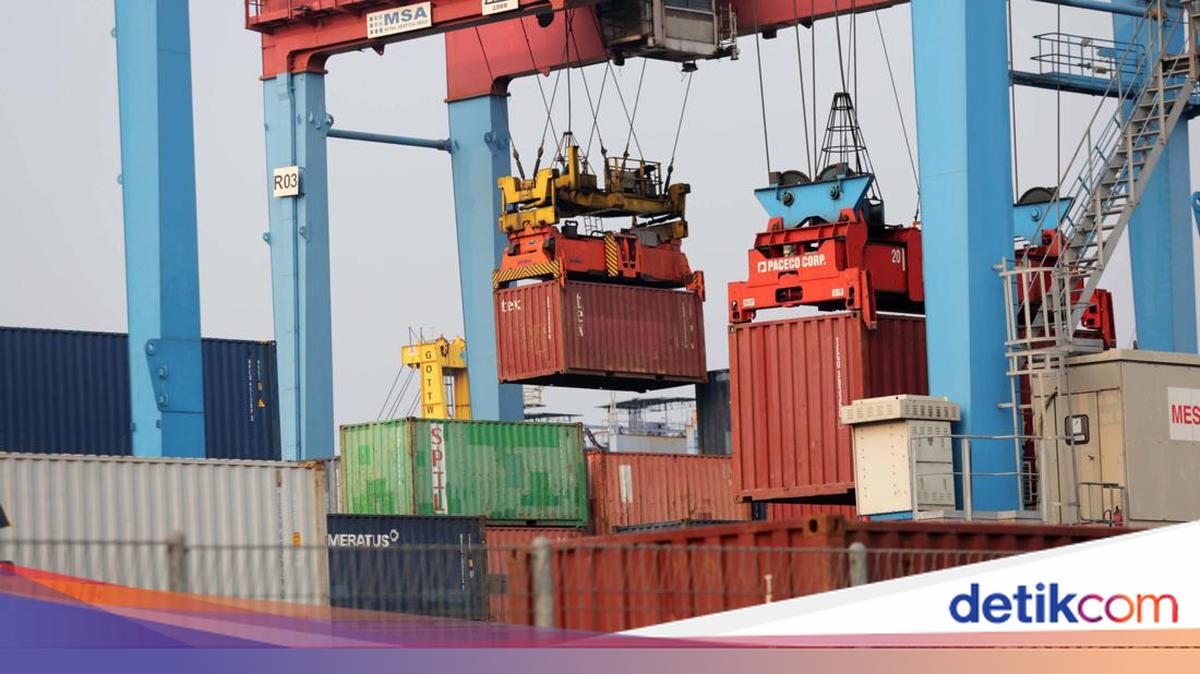
Jakarta estimates the final tariff burden on Indonesian goods exported to the United States could reach about 18 percent, under a “stacking” mechanism that combines multiple levies.The total would include an initial 10 percent tariff tied to forced-labor concerns, expected to take effect first, followed weeks later by an additional component linked to structural overcapacity, according to Susiwijono Moegiarso, secretary to the coordinating economy minister.
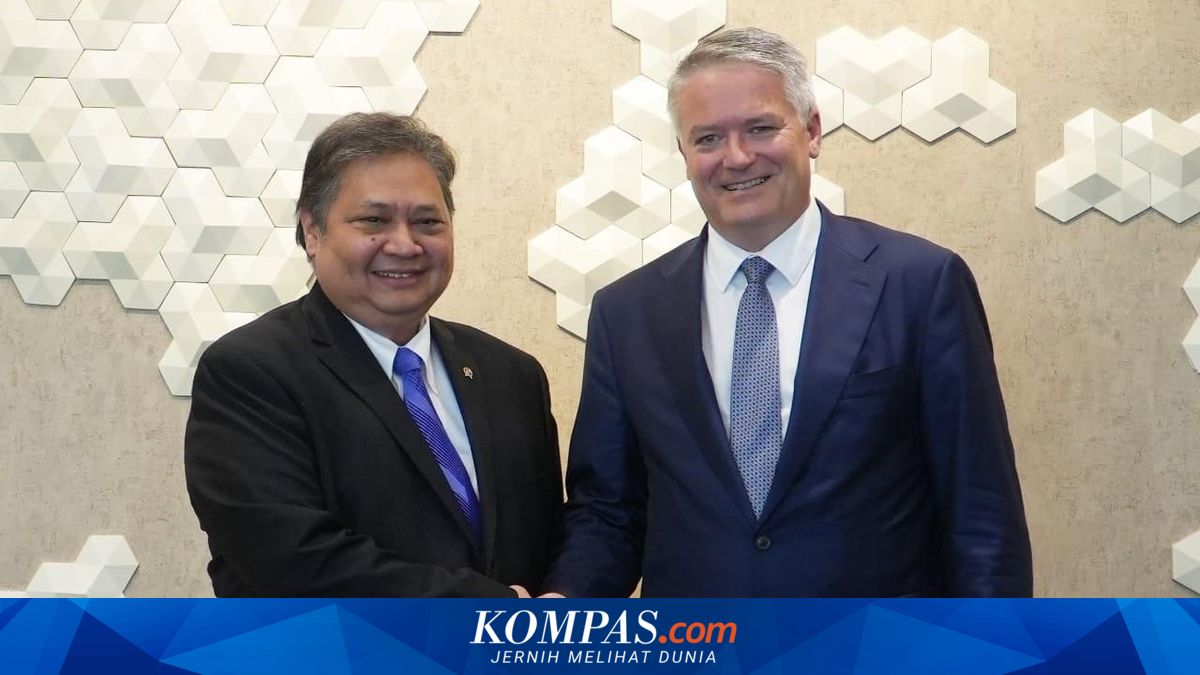
On the other hand, the government sees some benefits from the negotiations despite the tariff threat, including US backing for its accession process to the Organisation for Economic Co-operation and Development (OECD), a grouping of mostly advanced economies.