June 5, 2026 | 11:26 am
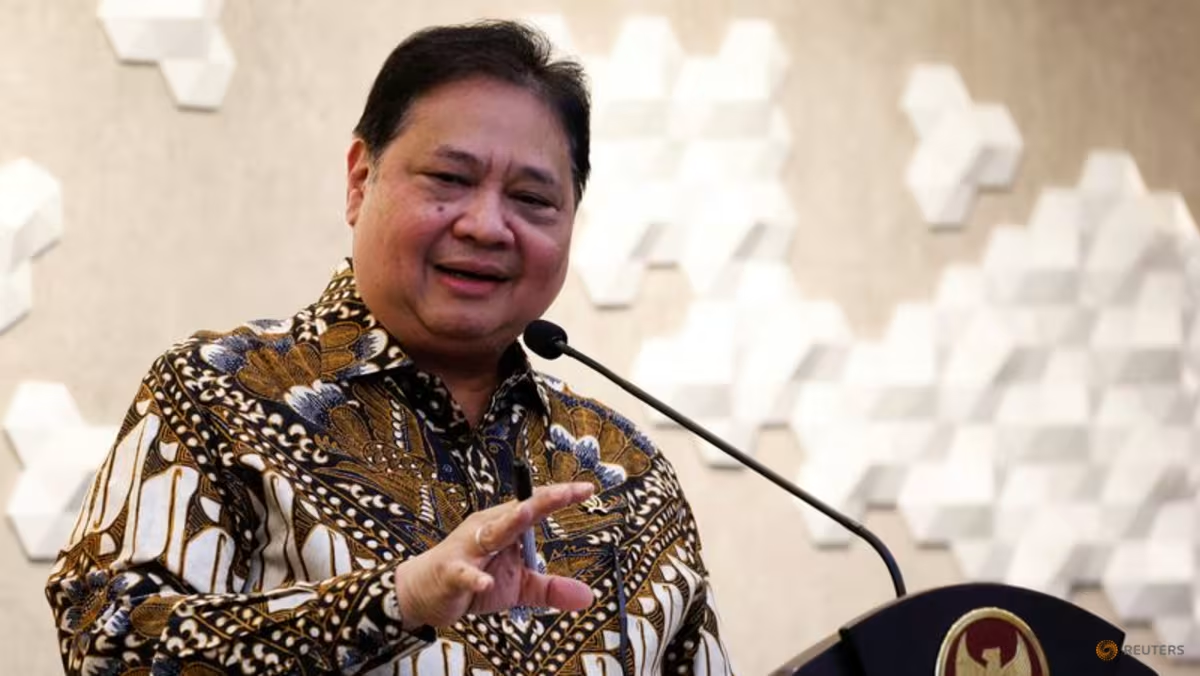
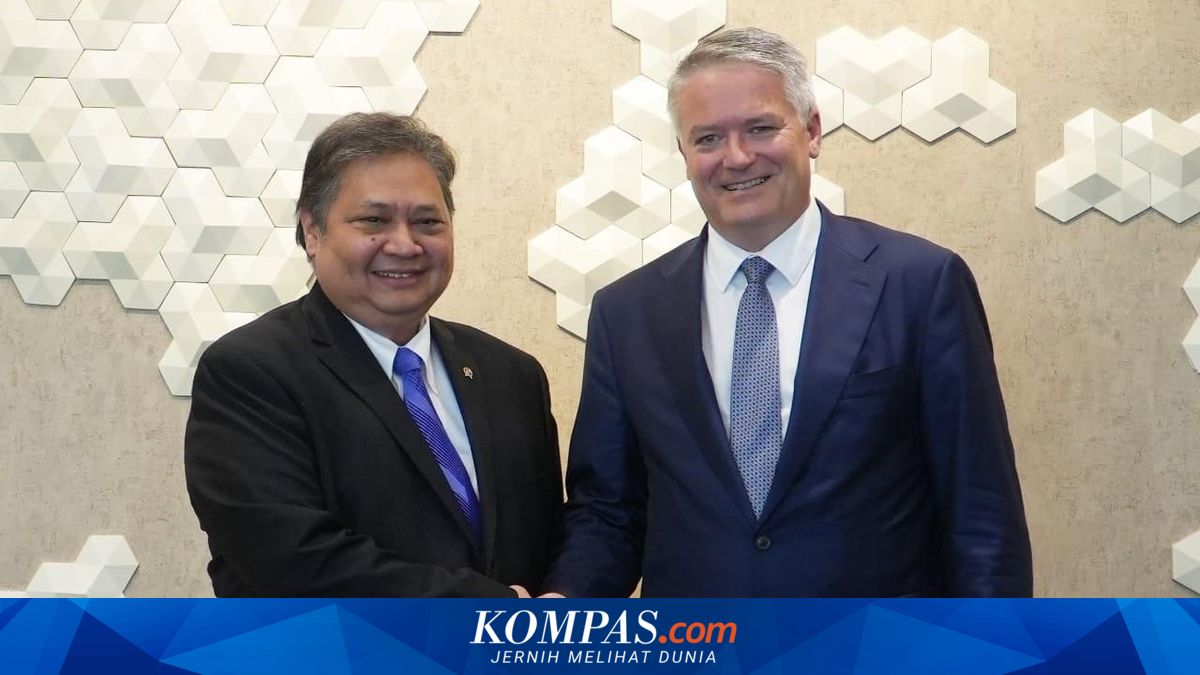
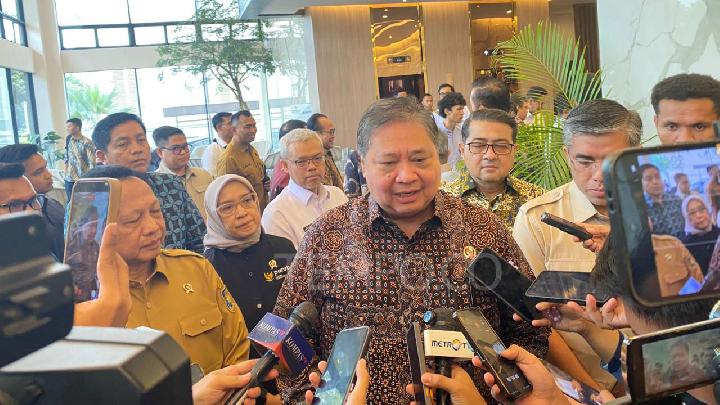
TEMPO.CO, Jakarta - Coordinating Minister for Economic Affairs Airlangga Hartarto said the Office of the United States Trade Representative (USTR) plans to grant 18 tariff exclusion requests submitted by Indonesia under the Section 301 trade investigation.Airlangga also said Indonesia is set to face an additional 10 percent import tariff under the Section 301 review, a lower rate than that imposed on most countries under investigation.The minister disclosed the development following a bilateral meeting with the USTR on the sidelines of the OECD Ministerial Council Meeting in Paris. In a statement issued on Friday, June 5, Airlangga said the tariff exclusions would provide a significant boost to Indonesia's manufacturing sector."This step is expected to provide a significant economic stimulus for national industries, reduce export costs, and strengthen the competitiveness of Indonesia's leading products in the U.S. market," he said.During the meeting, the USTR acknowledged Indonesia's progress in strengthening labor protections, particularly efforts to address forced labor and prevent the import of goods suspected of being produced through forced labor.Following bilateral trade negotiations with the United States under the Agreement on Reciprocal Trade (ART), Indonesia's Trade Ministry issued Trade Minister Regulation No. 9 of 2026, which prohibits the import of goods produced through forced labor.According to Airlangga, the positive assessment places Indonesia among a select group of six economies eligible for special consideration by the U.S. government. The group includes Canada, Ecuador, the European Union, Indonesia, Mexico, and Pakistan.Indonesia is among six economies slated to receive an additional 10 percent tariff under the Section 301 investigation. By comparison, the remaining 54 countries under review are expected to face an additional 12.5 percent tariff.Section 301 of the U.S. Trade Act of 1974 authorizes the USTR to investigate and respond to foreign trade practices deemed unfair or discriminatory toward U.S. businesses. The latest investigations were launched after the U.S. Supreme Court invalidated the legal basis for a previously implemented reciprocal tariff policy.Since March 2026, the United States has conducted Section 301 investigations covering 16 economic jurisdictions and 60 countries, including China, the European Union, Singapore, Switzerland, Norway, Indonesia, Malaysia, Cambodia, Thailand, South Korea, Vietnam, Taiwan, Bangladesh, Mexico, Japan, and India.In Indonesia's case, the investigation focuses on allegations of excess manufacturing capacity that could distort trade, as well as the country's enforcement of restrictions on goods produced through forced labor.Read: Indonesia Braces for Impact over Proposed 10 Percent US Tariff