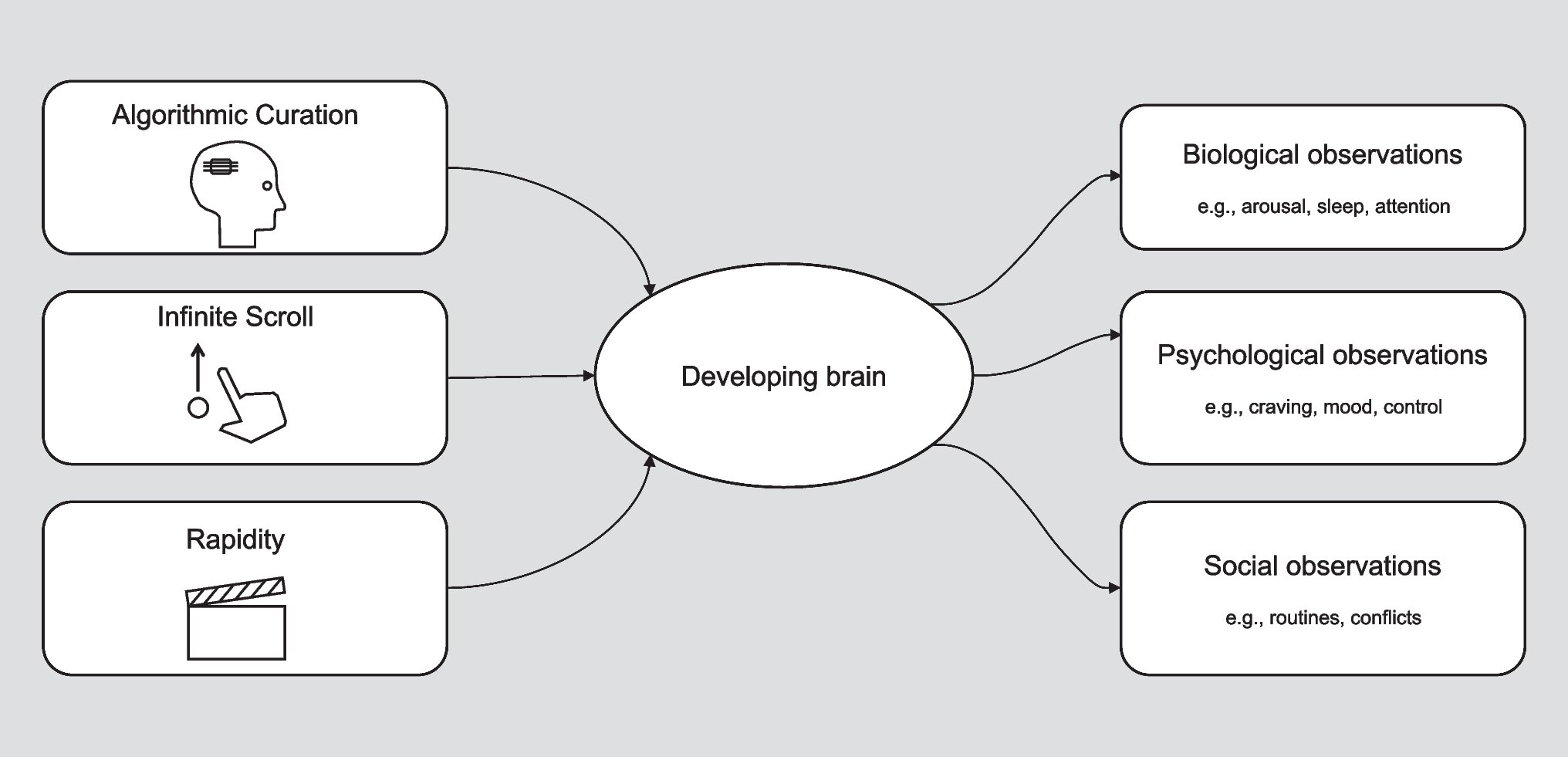
A large review found a troubling link between heavy short-video viewing and poorer attention, self-control, sleep and mental health. Here are five habits that may help retrain the brainLiora Houbara|A meta-analysis that examined 71 studies involving 98,000 participants found a troubling link between intensive viewing of short videos and significant cognitive and mental health harm. According to the researchers, the damage may be up to five times more severe than that associated with smoking and alcohol. They call the condition “popcorn brain,” a state in which real life simply feels too slow.1 View gallery 'Real life feels too slow' (Photo: Shutterstock/Creative)A dopamine flood: Every video delivers a quick dopamine hit. The brain gets used to that stimulation, starts chasing it constantly and struggles to settle for less.Reduced concentration: EEG studies identified weaker signals in areas linked to decision-making and self-control among heavy users.Erosion of willpower: The ability to delay gratification, make an effort and hold on to complex tasks over time is weakened.Memory impairment: Users may struggle to remember tasks, plan ahead and maintain focus during long-term assignments.Frustration: Real life starts to feel too slow. Reading, conversation and problem-solving can all become unbearable because the brain is calibrated for extreme stimulation.Increased stress and anxiety: According to the review, these were the areas most significantly affected in terms of mental health.Ultra-processed content for the brain: Just as ultra-processed food harms the body, monotonous and intensive content harms the brain. It does not allow the attention, control and regulation systems to get real training.Physical changes in the brain: A comparison between heavy users and people who do not watch short videos at all revealed real changes in how the brain functions.Reduced sleep quality: Exposure to fast-paced stimulation at night delays the production of melatonin.No age is safe: Children, adolescents and adults are all at similar risk.Use the 20-20-20 rule
‘Popcorn brain’: How short videos may be hurting your focus, memory and mood
A large review found a troubling link between heavy short-video viewing and poorer attention, self-control, sleep and mental health. Here are five habits that may help retrain the brain
551 words~3 min read