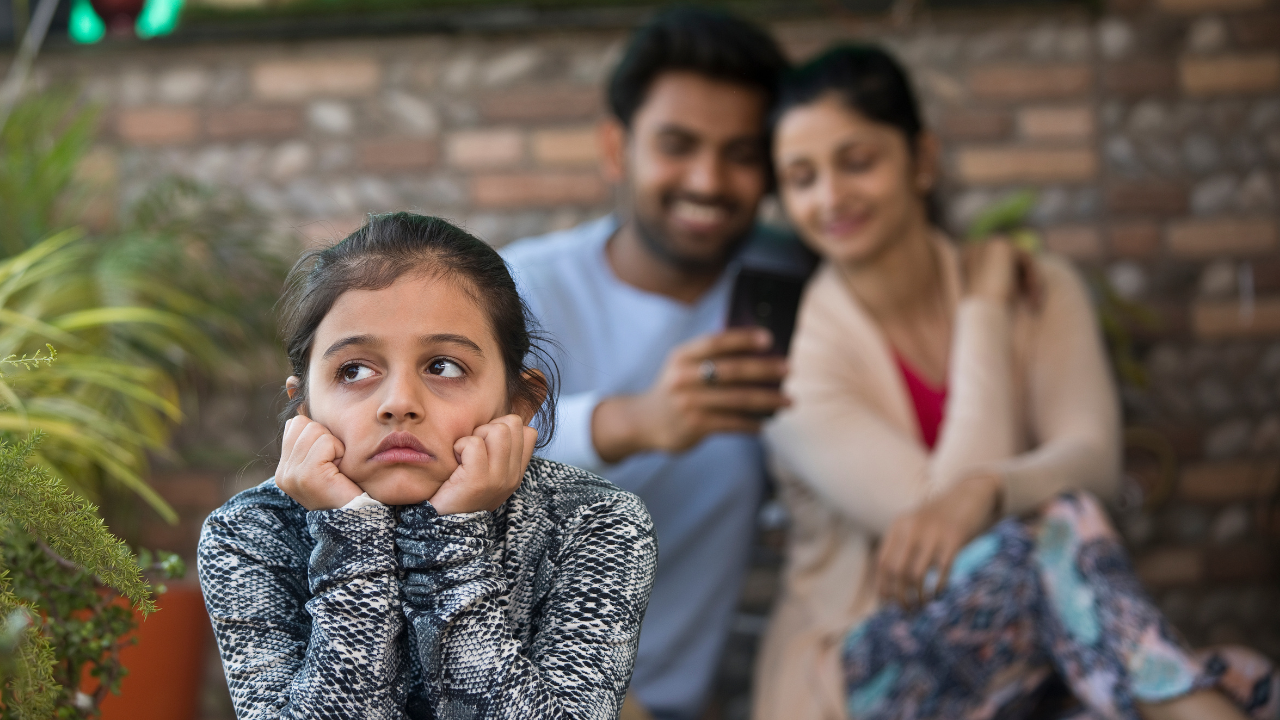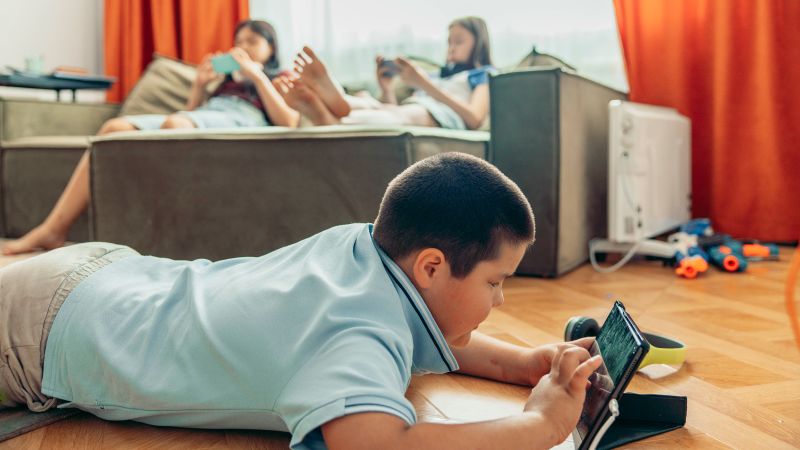
Too much of screentime may backfire and affect their growing years. Know how focus, sleep and creativity improve after limiting screentime. Children of the digital age is endearingly called ‘iPad kids,’ a term used for young children who seem glued to their screens. For parents, it may initially feel good to see their child growing up to be tech-savvy. On the practical side, screens also make life easier, keeping children occupied while parents finish work, chores or even take a much-needed breather.ALSO READ: Feeling like you're living the same day on repeat? Psychotherapist reveals 6 signs you may be stuck in burnout cycleParents see positive changes in their kids after they reduce screentime. (Picture credit: Freepik)Children, too, constantly crave some form of stimulation, they want engagement. Without it, they may complain of boredom, become restless or run around pulling some mischief. In such moments, screen time can feel like the easiest solution. But there is a catch. Excessive screen exposure at an early age can have far-reaching repercussions on many areas of development in the growing years, whether it is creativity, attention span or emotional regulation.So, what happens when parents make a conscious effort to cut down screen time and replace screens with actual conversations, play and real-world engagement?Child psychologist Preeti Kwatra, Co-founder and CEO at Petals Preschool and Daycare helped us understand the positive changes parents can expect to see when children spend less time in front of screens.For many parents, the first instinct may be to ban gadgets completely. However, the psychologist explained that the focus should not be on a blanket ban, but on protecting the real-life experiences that gadgets may try to replicate.For example, an advanced game on phone may show children how to match and merge coloured blocks, make it fun with playful music, but it can never truly capture the depth and value of a child learning colours by touching leaves, playing with actual blocks and exploring objects in the real world.Preeti shared her experience and from her own observation believed that children are shaped most by real-world experiences, not just digital stimulation.“Two decades of watching children grow has made one thing very clear. The moments that shape a child most are still the ones that happen face to face, hands in the dirt, and voice to voice. Children do not need less stimulation. They need the right kind, real relationships, physical exploration, live conversation, working through boredom.”There is real developmental value in real conversations, free play, nature, touch learning and even bored as it encourages the child to be imaginative.Here are a few changes parents may notice after reducing screen time, as outlined by the psychologist in an easy guide:1. Attention span starts to come backAs patience develops, kids return to slower activities that instill creativity, such as colouring. (Picture credit: Freepik)Screens move fast, making children rarely wait and get instant rewards. Soon, children's brain expect quick stimulation from everyday activities.But with screentime reduced, their patience builds. Child sits down to draw, or play with blocks, or listen to a story. they tolerate slower activities without giving up as quickly. Tasks that require patience, like colouring or puzzles, start to feel satisfying rather than frustratingThe first week or two can feel rough as children show signs of restlessness, complains of boredom, and becomes grumpy. These are not bad sign. That is the brain recalibrating.2. Language improvesWhen children begin to ask questions, consider it as a sign of language improvement. (Picture credit: Freepik)Clearest sign of improvement, spotted most often in preschool-aged children.Screens do not develop conversation skills. Children watches and listens but they do not respond, argue, ask, explain, or negotiate, unlike in real conversation. Children learn to talk by talking, not by watching.Vocabulary builds faster because children are hearing words in real context.Back-and-forth conversation with adults and peers picks up noticeably.Children start asking more questions, which is one of the strongest signs of language development happening3. Feelings become manageableScreen-time meltdown results not from device taken away, but because the brain is used to quick, controlled simulation. They react more when something unpredictable happens, like a sibling taking a toy or a plan changing, a brain wired around screen rhythms can struggle hard with that.Tantrums reduce after lowered screen time. Children build tolerance for things not going their way. Meltdowns reduce both in intensity and frequency.They start working through frustration instead of immediately shutting down or crying.4. Sleep gets betterWhen you sleep better, the developing brain also improves. (Picture credit: Freepik)Screens emit blue light that tells the brain to stay alert. The content, even calm content, keeps the nervous system switched on longer than parents realise.Children fall asleep faster and sleep more deeply.Memory and learning consolidate better during deep sleep.Mood the next day is noticeably more stable.Energy for physical play and social interaction improves.Better sleep means better learning, better behaviour, and a more regulated child overall.5. Creativity improvesBoredom is the starting point. A child with nothing to watch and nothing handed to them will eventually do something. They will build something, pretend something, wonder about something. That internal shift from passive to active is where creativity lives.Children initiating play on their own without needing to be prompted.Pretend play becoming richer, longer, and more imaginative.More interest in the physical world, in nature, in making things.Longer stretches of focused, self-directed play.A child who can sit with a pile of blocks for 40 minutes and build an entire city in their head is developing focus, problem-solving, and imagination at the same time.Note to readers: This article is for informational purposes only and not a substitute for professional medical advice. Always seek the advice of your doctor with any questions about a medical condition.Adrija Dey’s proclivity for observation fuels her storytelling instinct. As a lifestyle journalist, she crafts compelling, relatable narratives across diverse touchpoints of the human experience, including wellness, mental health, relationships, interior design, home decor, food, travel, and fashion that gently nudge readers toward living a little better. For her, stories exist in flesh and bones, carried by human vessels and shaped through everyday endeavours. It is the small stories we live and share that make us human. After all, humans and their lores are the most natural and raw repositories of stories, and uncovering them, for her, is akin to peeling an orange under a winter afternoon sun. Always up for a chat, she believes the best stories come from unfiltered yapping, where "too much information" is kind of the point. A graduate of Indraprastha College for Women, University of Delhi, and an alumna of the Indian Institute of Mass Communication (IIMC), Delhi, Adrija spends her idle hours cocooned with herbal tea and a gripping thriller, scribbling inner monologues she loosely calls poetic pieces, often with her succulents in attendance. On lazier days, she can be found binge-watching, for the nth time, one from her comfort-show holy trinity: The Office (US), Brooklyn Nine-Nine, or Modern Family. Dancing by herself to her peppy playlists, however, is an everyday ritual she swears by religiously.Read MoreScreen TimeChildrenParentsMental HealthCatch every big hit, every wicket with Crick-it, a one stop destination for Live Scores, Match Stats, Quizzes, Polls & much more. Explore now!.Catch your daily dose of Fashion, Taylor Swift, Health, Festivals, Travel, Relationship, Recipe and all the other Latest Lifestyle News on Hindustan Times Website and APPs.See Less
Is your child glued to screens? Psychologist shares 5 changes parents may notice after cutting screen time
Too much of screentime may backfire and affect their growing years. Know how focus, sleep and creativity improve after limiting screentime. | Health
1,219 words~6 min read