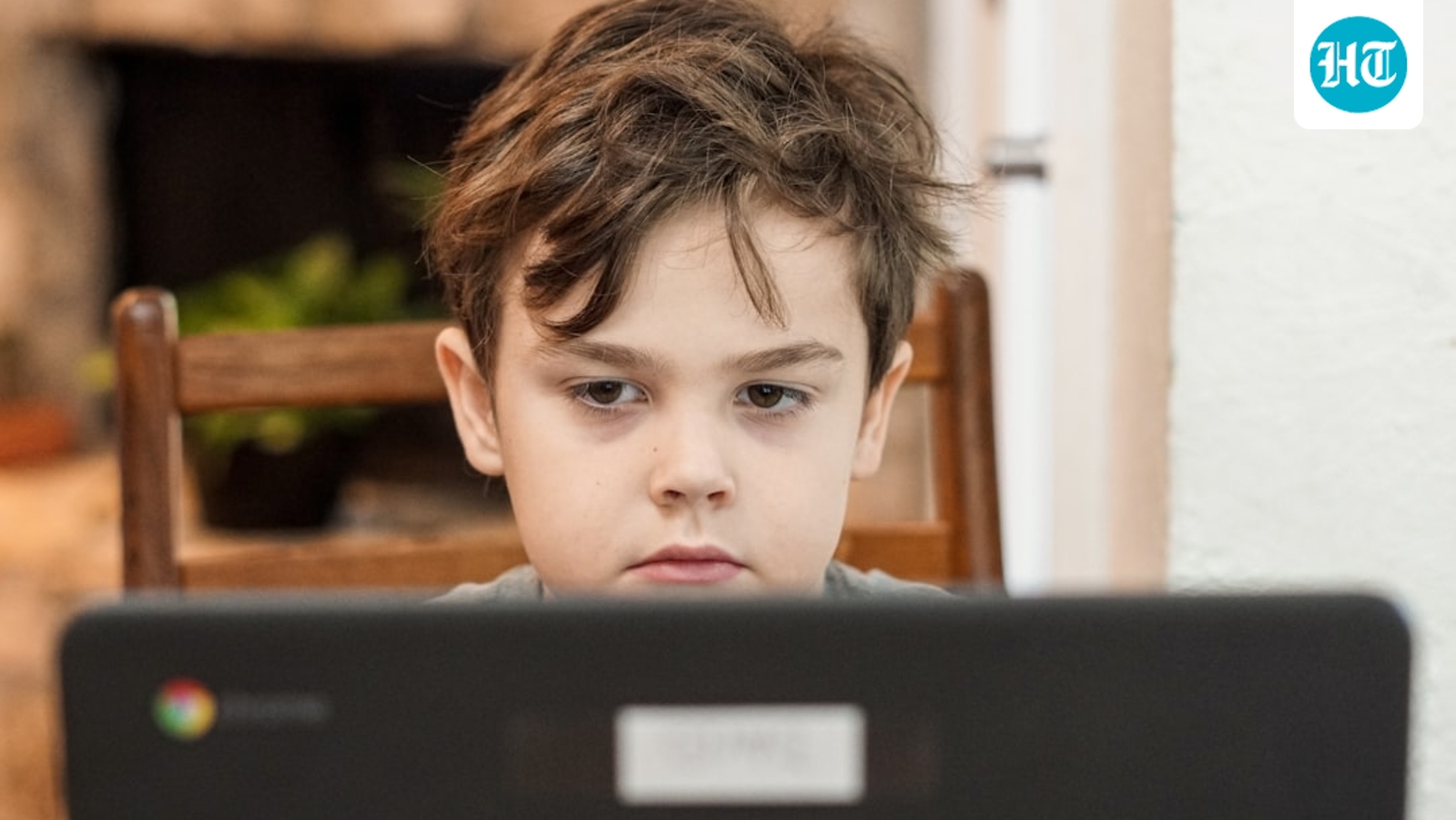
It has become a familiar scene in homes, restaurants, and family gatherings. A child refuses to take a bite of food until a smartphone, tablet, or cartoon is placed in front of them. Within seconds, the meal begins peacefully. Parents often see it as a practical solution to avoid tantrums and finish dinner on time. But psychology says this seemingly harmless habit may be doing more than helping children eat their vegetables.Researchers in child development, neuroscience, and behavioral psychology have increasingly warned that constant screen exposure during meals can interfere with a child's ability to focus, regulate emotions, develop creativity, and build a healthy relationship with food. While an occasional distraction is unlikely to cause harm, turning screens into a permanent mealtime companion may have long-term consequences.Why the Brain Associates Screens With EatingOne important psychological concept is Classical Conditioning, first introduced by psychologist Ivan Pavlov.Over time, children can begin associating eating with entertainment rather than hunger. Instead of paying attention to taste, fullness, or the social experience of a meal, their brain starts expecting constant stimulation from videos, games, or cartoons.This creates what psychologists call an external cue dependency. The child no longer eats because they are hungry. They eat because a screen is present. Eventually, meals without screens may feel boring, uncomfortable, or even stressful.You Might Also Like:Attention Span and the Dopamine EffectMany experts believe one of the biggest concerns involves attention development. Smartphones and video platforms are designed to provide rapid rewards. Bright colors, quick scene changes, sounds, and endless novelty activate the brain's dopamine reward system.For a developing brain, repeated exposure to this high level of stimulation can make slower activities feel less engaging.This does not mean every child who watches cartoons during meals will develop attention problems. However, psychologists note that constant multitasking during eating reduces opportunities to practice sustained attention.Parents often notice this pattern later. A child who can watch short-form videos for hours may struggle to focus on homework, reading, or classroom activities that require patience and concentration.You Might Also Like:Are Children Losing Creativity?Psychology suggests creativity often grows during moments of boredom.When children sit quietly, their brains naturally engage in imagination, storytelling, daydreaming, and problem-solving. Researchers sometimes refer to this as default mode network activity, a mental state associated with creativity and self-reflection.If every quiet moment is immediately filled with digital stimulation, children may have fewer opportunities to develop these skills.Think about previous generations who invented games, built imaginary worlds, or created stories during long meals or family gatherings. Today's children often receive entertainment instantly, leaving less room for spontaneous imagination.You Might Also Like:The Connection Between Screens and Mood SwingsMany parents report another common problem: children become irritable when the screen is removed. Psychologists explain this through emotional regulation theory.When screens become a primary source of comfort, distraction, or reward, children may struggle to manage frustration without them. The issue is not necessarily the device itself. The problem occurs when a child never learns alternative coping skills.For example, if a child watches videos whenever they feel bored, anxious, or upset, their brain may become dependent on external stimulation to regulate emotions.This can contribute to stronger emotional reactions, impatience, and occasional mood swings when that stimulation disappears.What Modern Life Is Teaching ChildrenThe challenge is especially relevant today. Children are growing up in a world where smartphones are everywhere. Adults themselves often scroll through social media while eating, working, or relaxing.Psychologists point out that children learn through observation, a principle known as Social Learning Theory, developed by psychologist Albert Bandura.When children repeatedly see parents checking phones during meals, they may view screen use as normal behavior. In many households, the issue is not just children's screen habits but the family's overall relationship with technology.Does This Mean Screens Should Be Completely Banned?Most experts say no. Psychology generally supports balance rather than extremes.A child occasionally watching a video during a meal is very different from a child who cannot eat without digital entertainment. The goal is to help children reconnect with their internal cues, conversation, and mindful eating habits.Many child-development specialists recommend family meals, screen-free conversations, and opportunities for children to experience moments of boredom and independent play.These experiences help build attention control, creativity, emotional resilience, and social skills.Psychology says children who refuse to eat without a phone are not necessarily developing a serious problem, but the habit deserves attention. Research suggests that excessive screen use during meals can affect attention development, emotional regulation, creativity, and a child's relationship with food.The concern is not one meal or one cartoon. It is the long-term pattern.A developing brain learns from repetition. If every meal comes with a screen, children may gradually lose opportunities to practice focus, imagination, self-regulation, and meaningful family interaction, skills that matter long after dinner is over.FAQsDoes eating while watching a phone affect a child's brain?Research suggests frequent screen use during meals may influence attention development, emotional regulation, and eating habits, especially when it becomes a daily routine.Can screen use during meals reduce creativity?Psychologists believe constant digital stimulation may reduce opportunities for boredom-driven imagination, which plays an important role in creativity.
Psychology says kids who refuse to eat without a screen may share this hidden risk linked to focus, mood, and creativity and it may be quietly changing how their brain develops
Psychology suggests that children who refuse to eat without a phone are not necessarily showing signs of a serious issue, but the behavior is worth paying attention to. Studies indicate that frequent screen use during mealtimes may influence attention span, emotional regulation, creativity and the way children develop their relationship with food and eating habits.
844 words~4 min read