Some of the amine groups hang out solo, while others link with each other to help create the porosity within the solid.
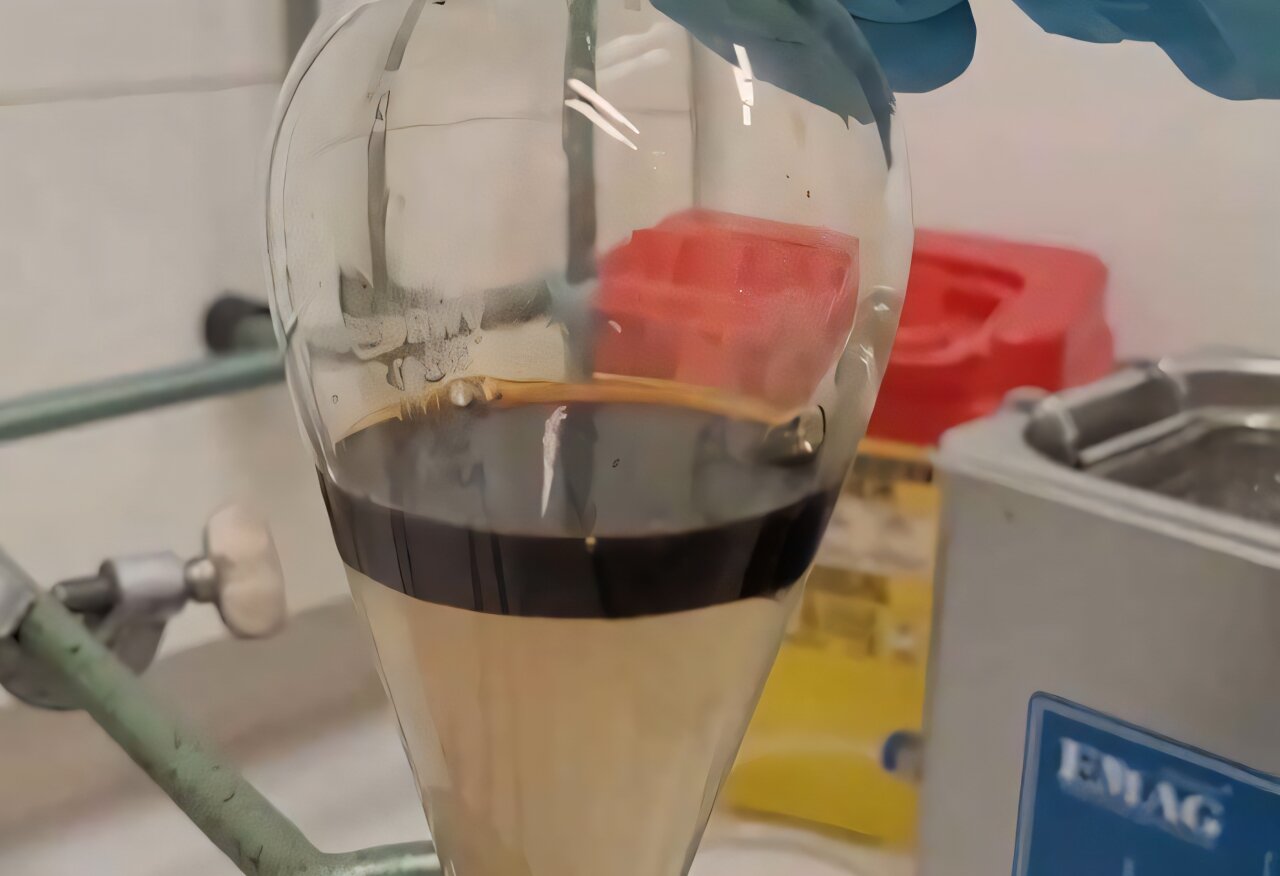
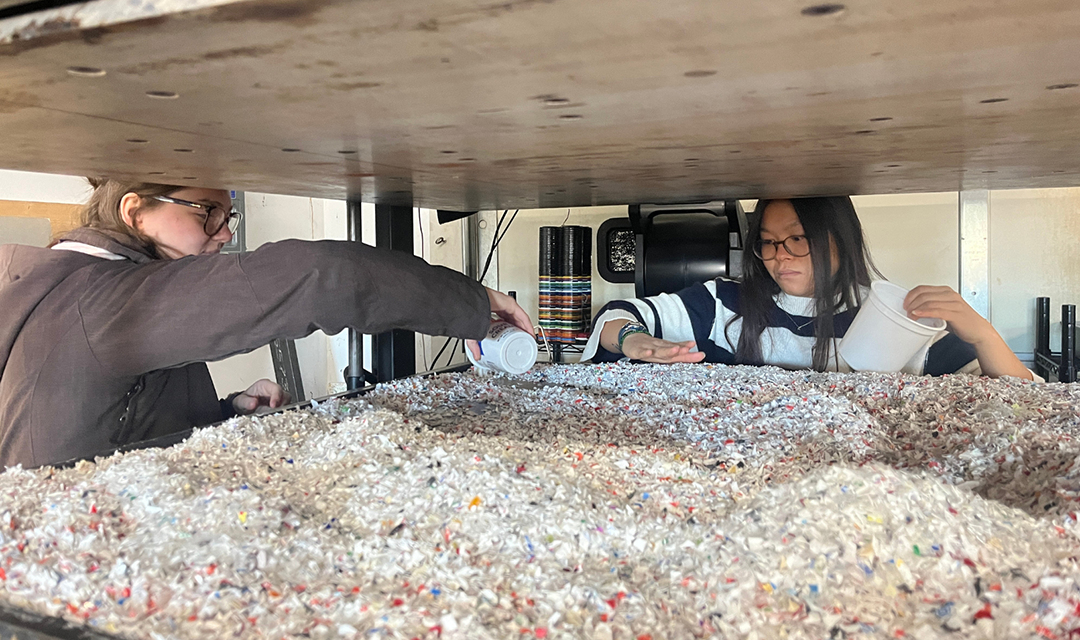
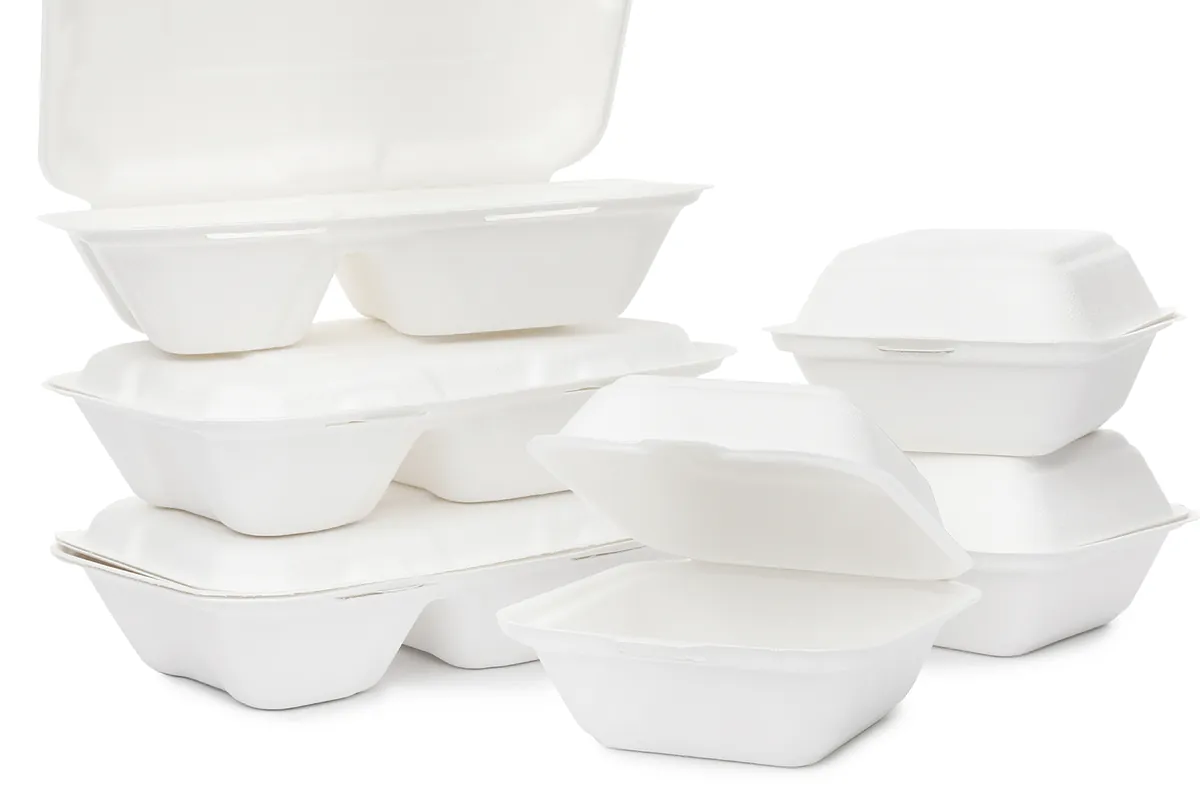
The researchers tested this process with a few plastic objects, including Styrofoam, food packaging, a fork, a CD case, and a Lego base plate (which has another chemical component). They found that the material they produced performed well in the carbon-capture cycle, both at the extremely high CO2 concentration of a smokestack and the lower concentration of ambient air.
Chemical structure of polystyrene with and without attached amines (NH2 and NH), and an illustration of capturing and releasing carbon by controlling temperature.
Ebenbauer, et al./Chem Circularity
Fine tuning