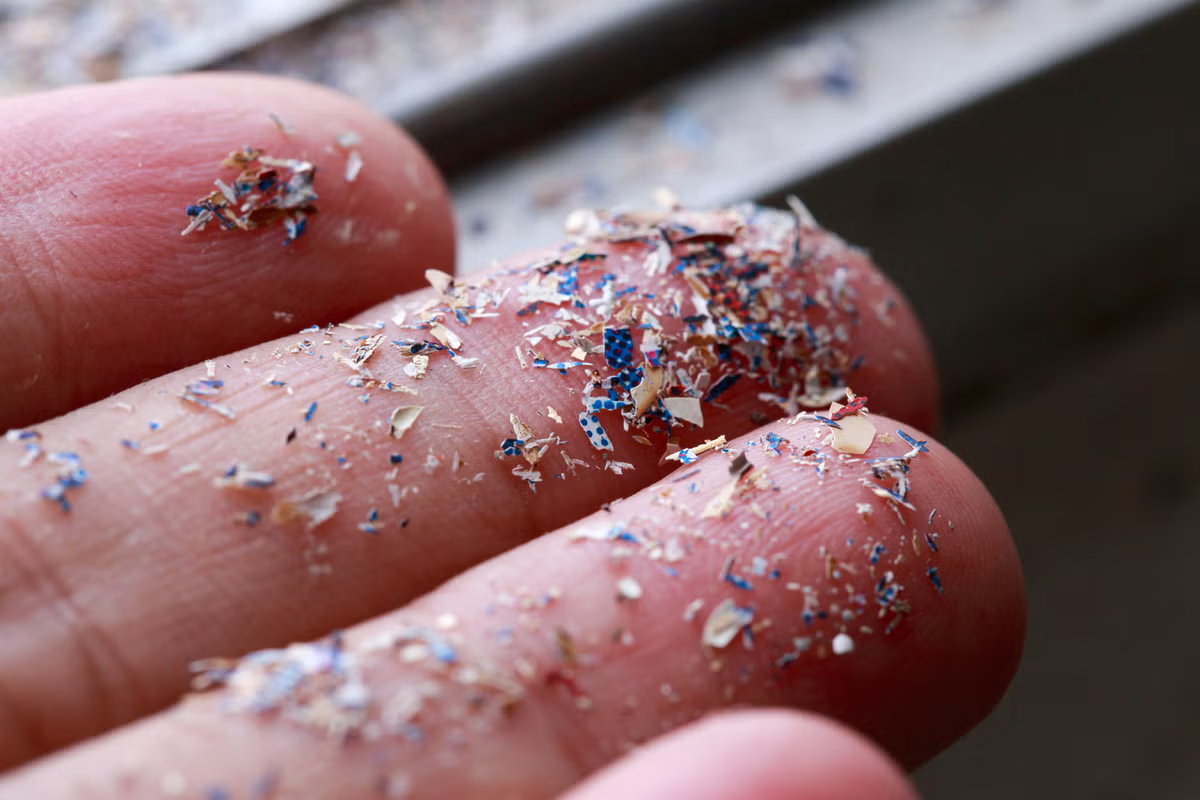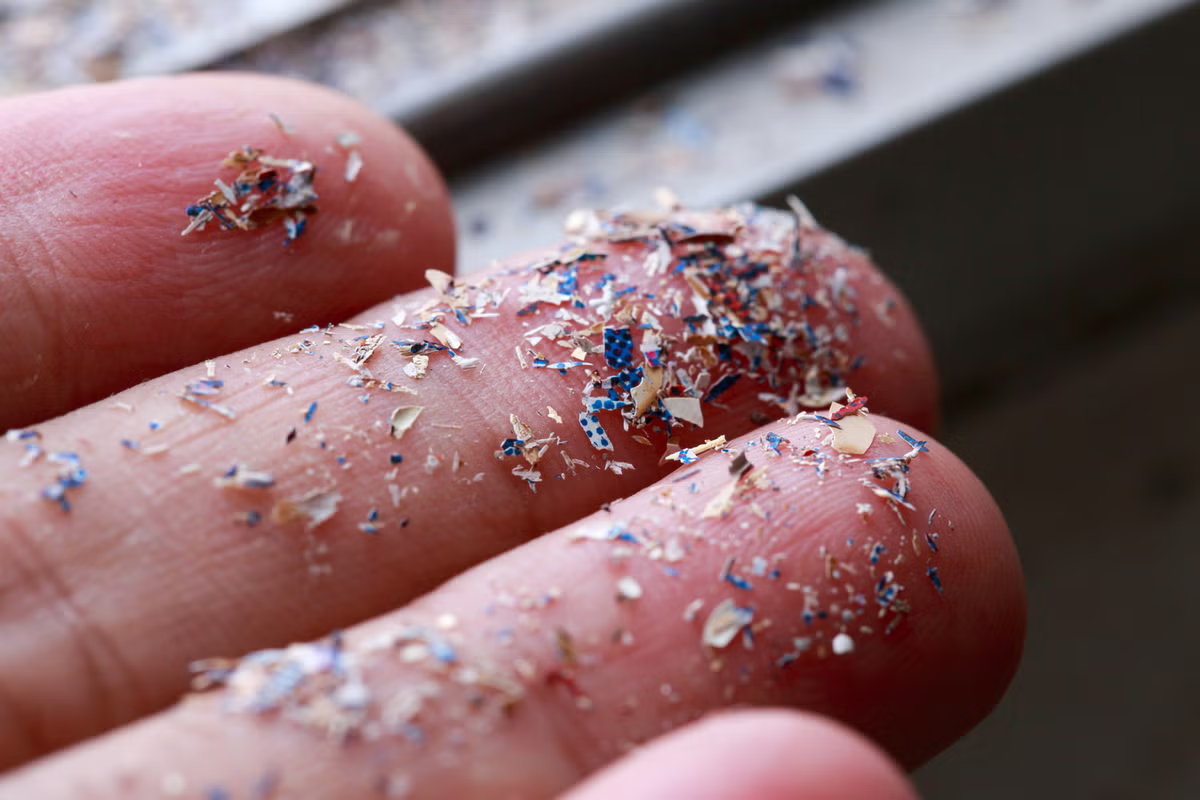
We know that microplastics are leaking into our drinks from bottles, beverage cups, and packaging, and now researchers have shown that plastic kettles can contribute to our daily intake of plastics, too.
The team behind the study, led by researchers from the University of Queensland (UQ) in Australia, wants to see warning labels attached to these kettles and clearer instructions about how to minimize the risk of ingesting plastics with these products.
Based on chemical analysis of water from eight polypropylene kettles, the first boil in one of these kettles can release almost 12 million nanoparticles of plastic per milliliter from the inner surface of the kettle.
That's about 3 billion particles in your average cup of tea, before you take tea bags into consideration, which have previously been found to release billions of microplastics of their own.
"Boiling water in plastic kettles is a daily routine for millions of people worldwide and we have found this simple habit can release tiny plastic particles into the water we use every day," says chemical scientist Elvis Okoffo, from UQ.