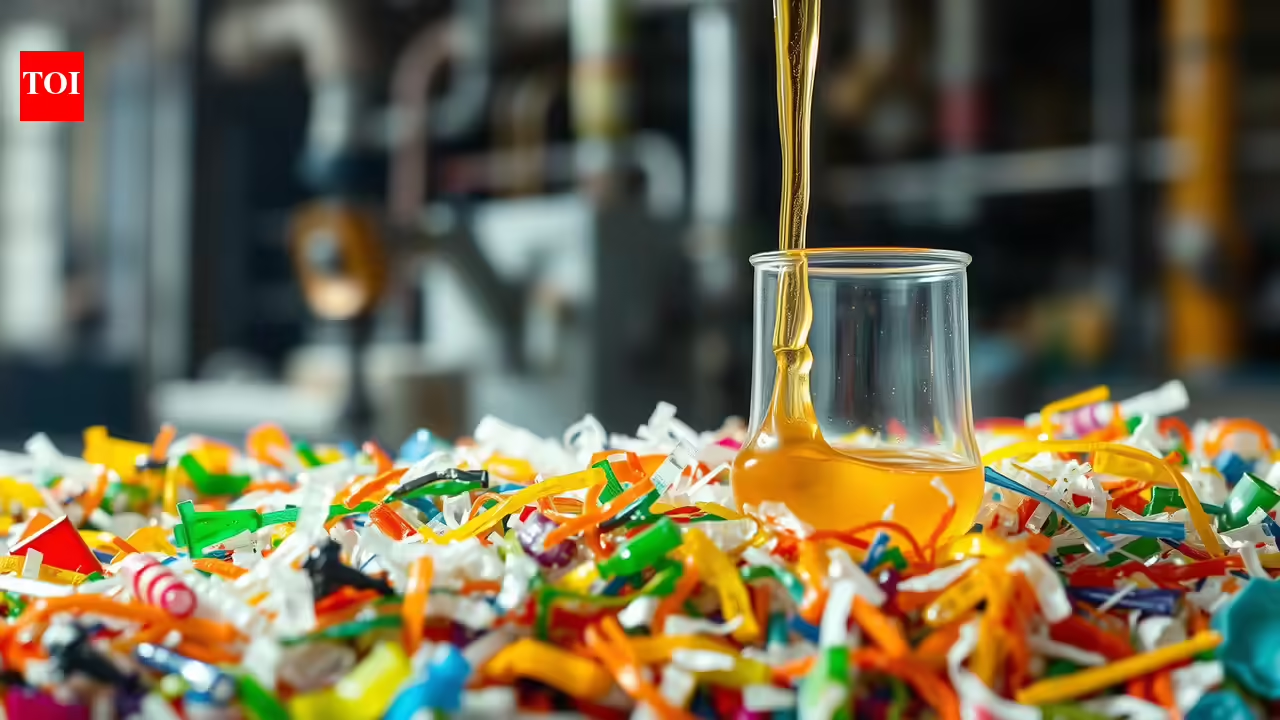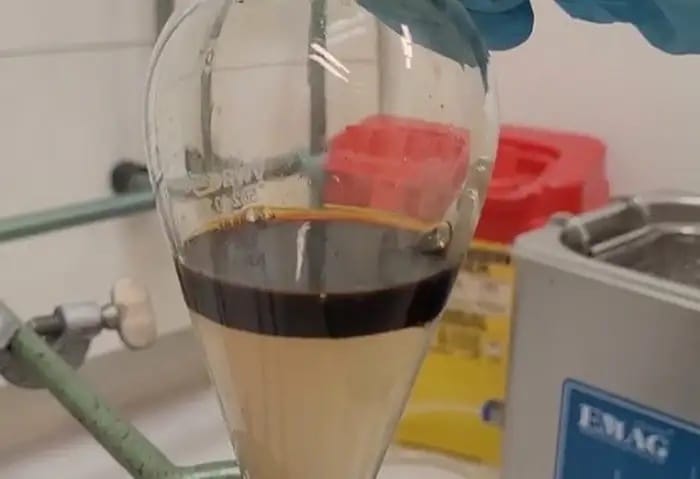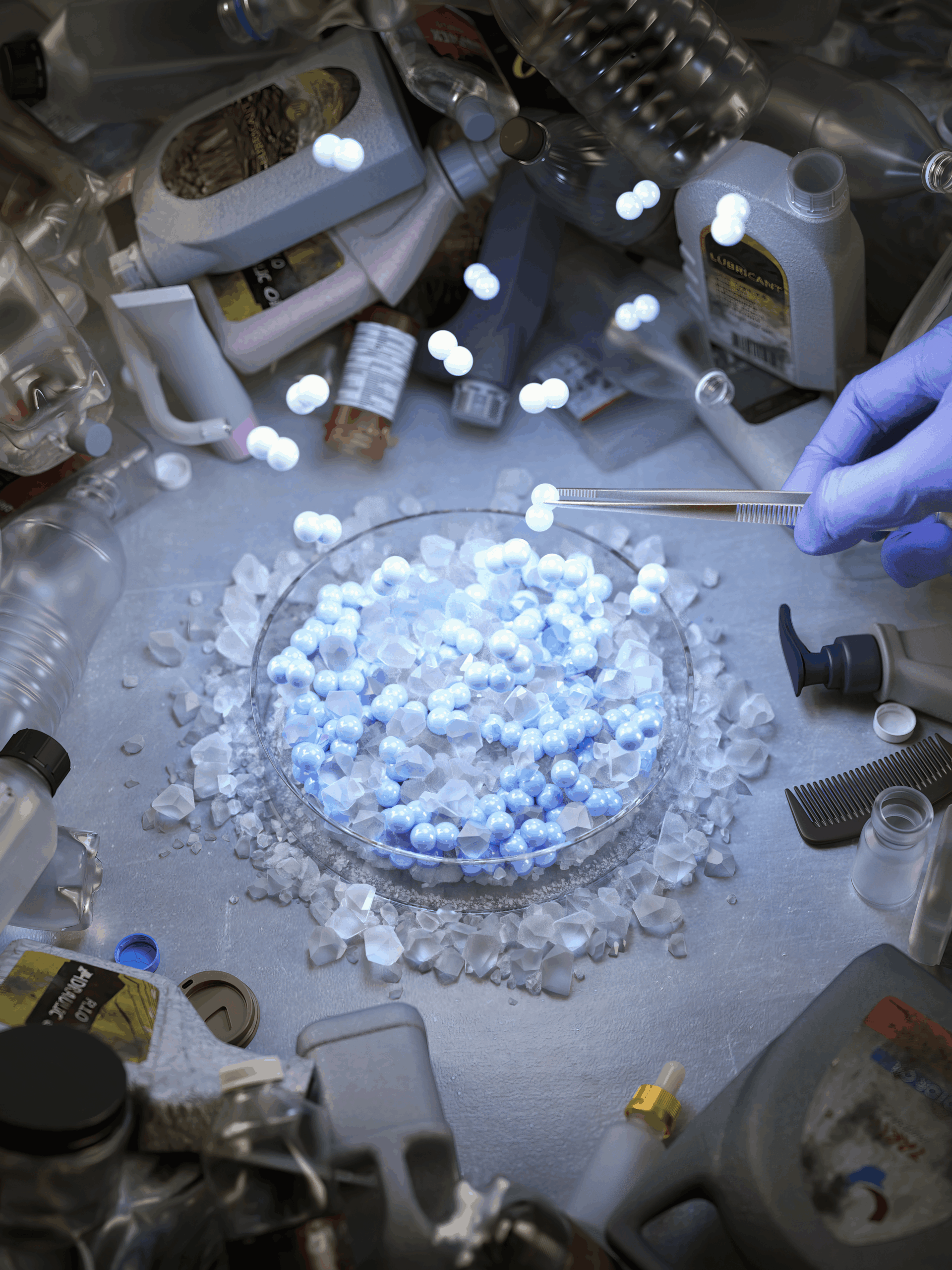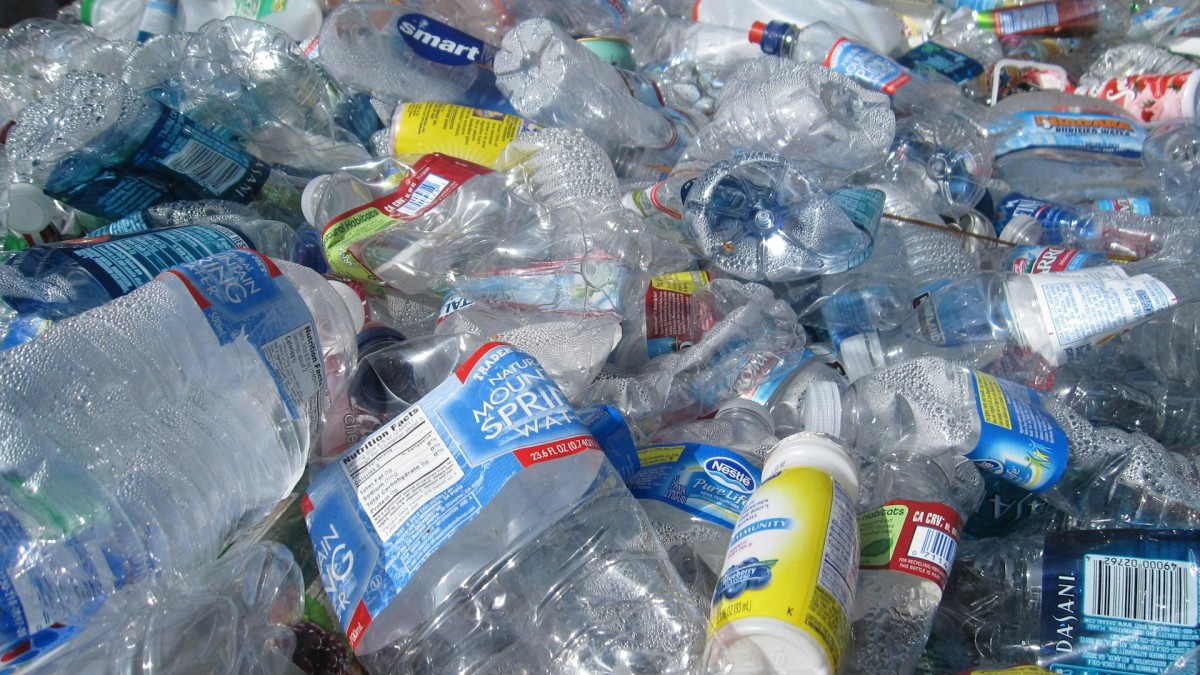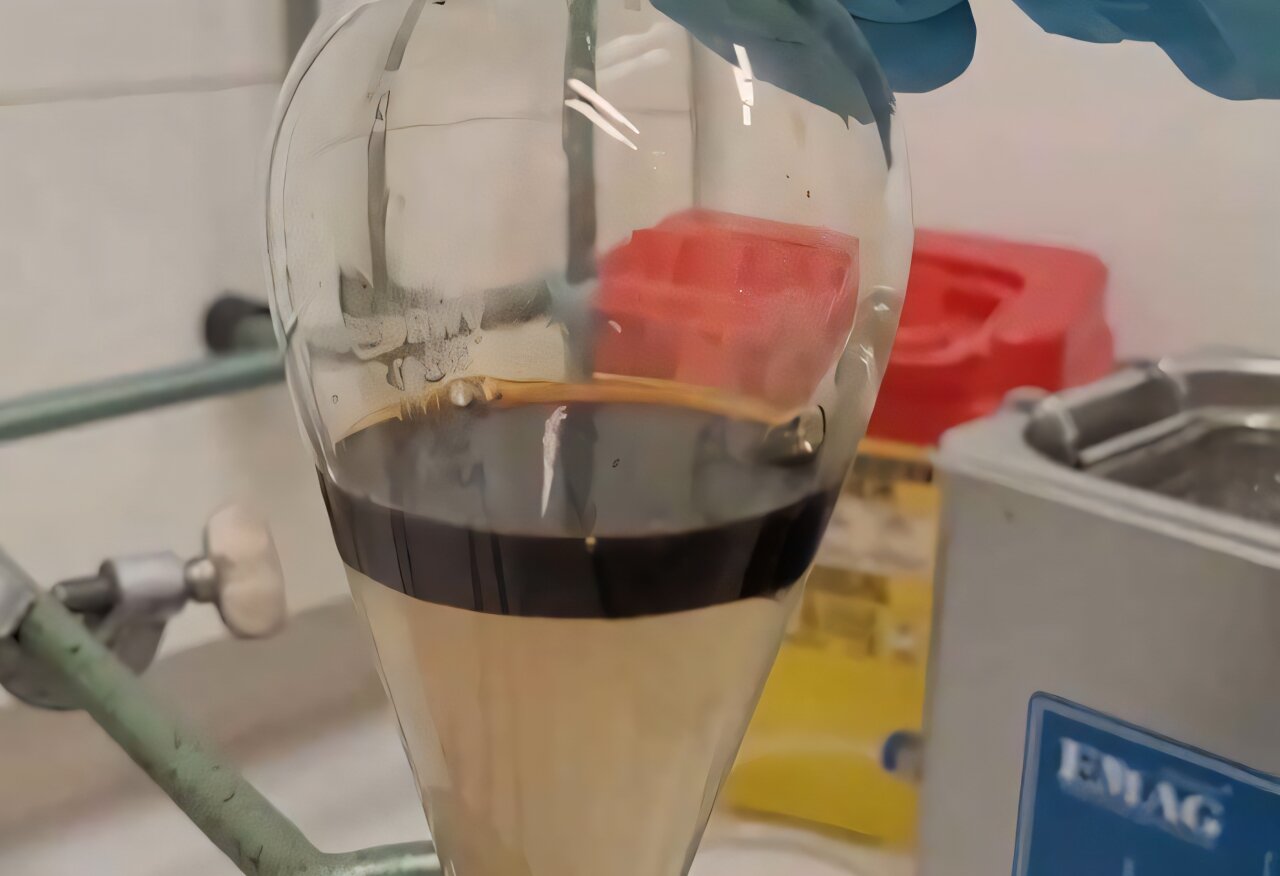
Experiments in the lab have shown the potential of the STL technology. Credit: PLASTICE.
The Catalysis Engineering Group at the University of Amsterdam (UvA) has developed a new robust process for the recycling of mixed plastics waste. A newly developed pilot plant aims to demonstrate how this can be transformed into valuable resources, supporting the transition toward a circular economy. The pilot plant will be put to the test in Spain, processing real municipal plastics waste.
Developed within the European PLASTICE project under the leadership of Associate Professor Dr. Shiju Raveendran at UvA's Van 't Hoff Institute for Molecular Sciences, the process of Solvothermal Liquefaction (STL), transforms mixed plastic waste into oil using solvent, heat, catalysts, and elevated pressure. The dark brown oil contains molecules that can be used to produce new, virgin plastics, thus closing the recycling loop.
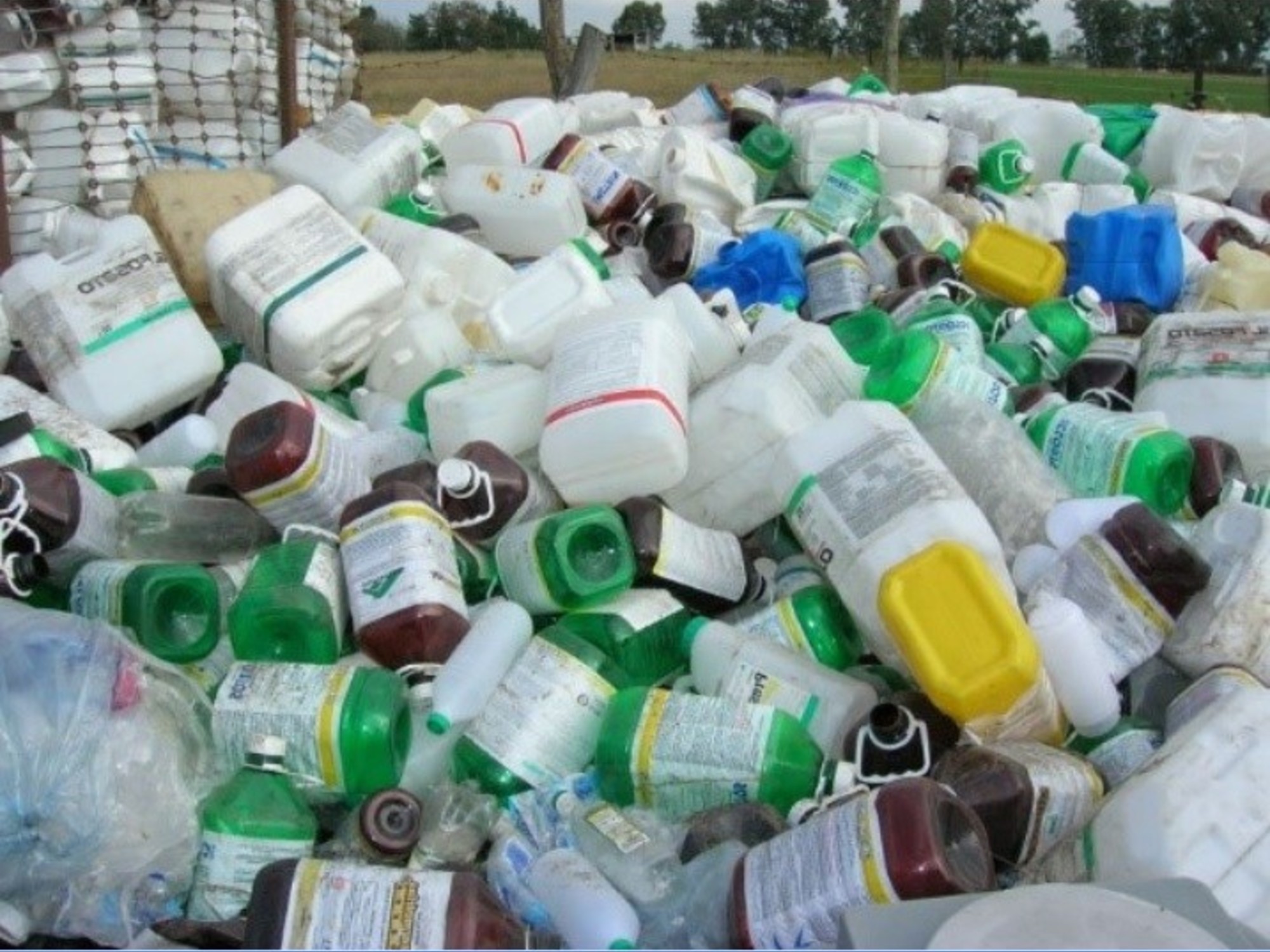
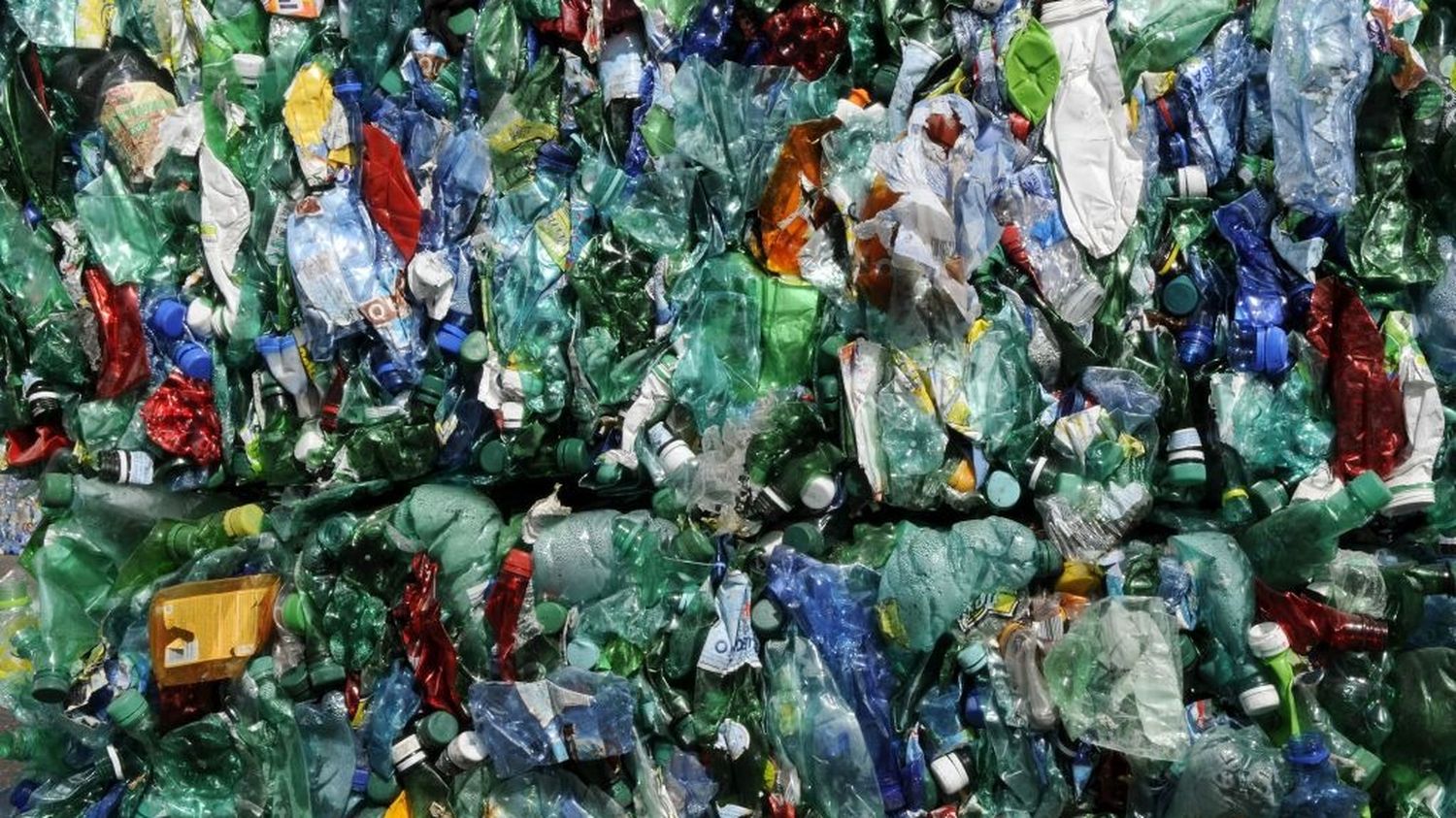
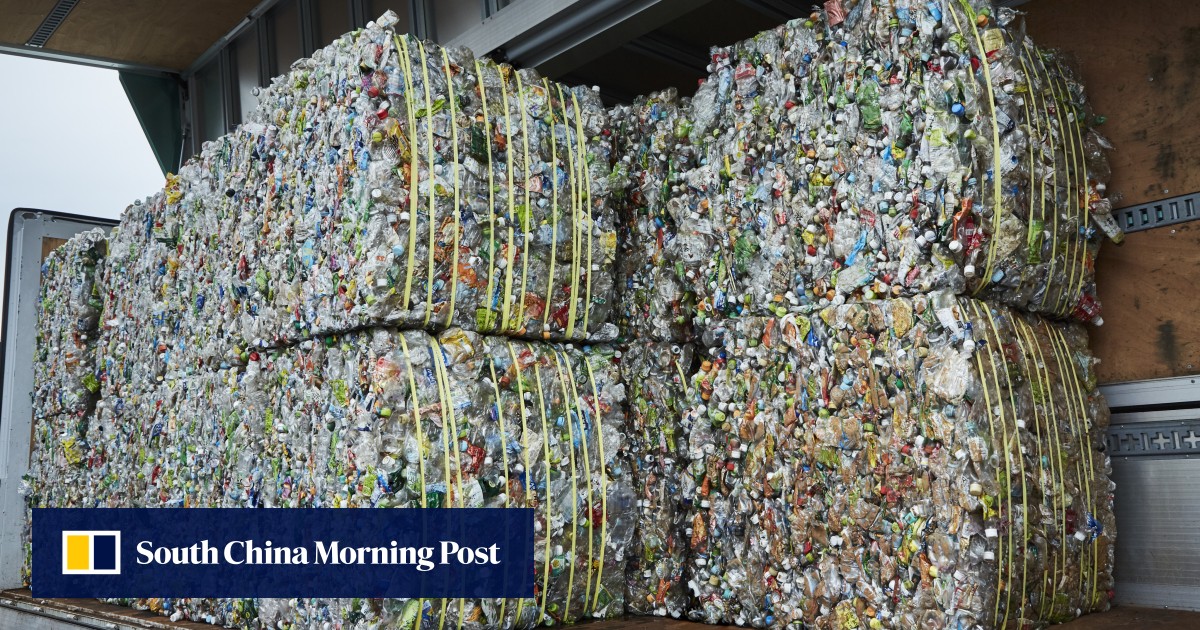
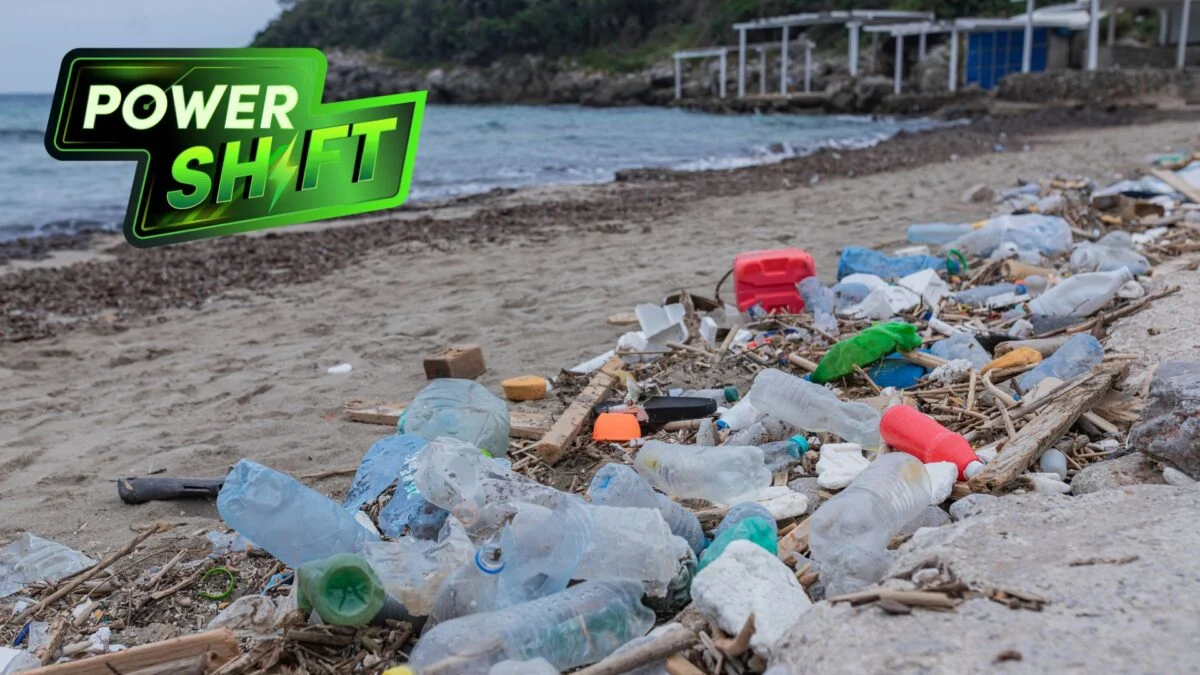
A key feature of the process is that it devours all types of plastics simultaneously. It thus offers a solution for recycling complex, mixed municipal plastic waste streams. Currently, this waste requires extensive sorting before it can be recycled. In many cases, it is incinerated or ends up in landfills.