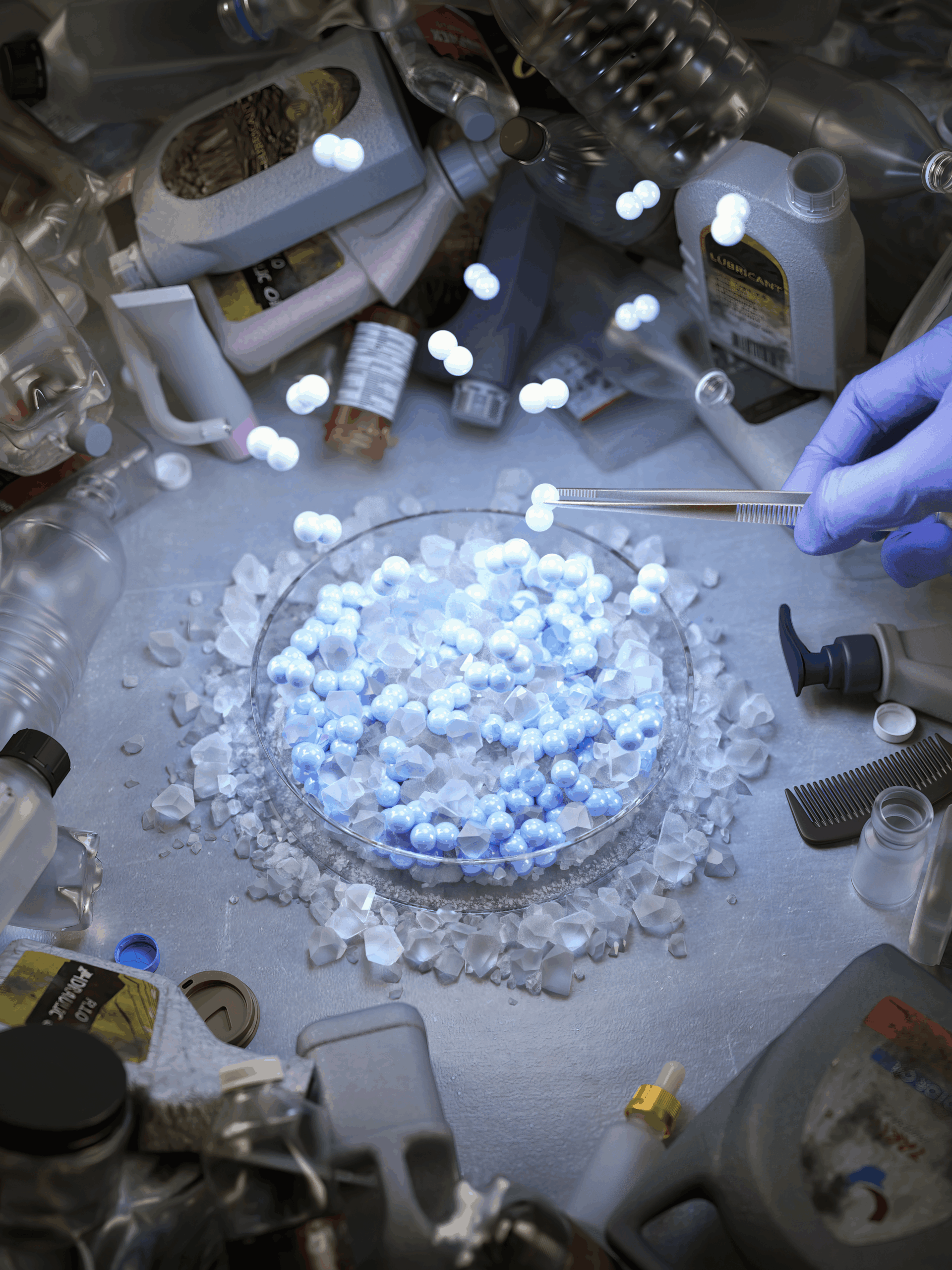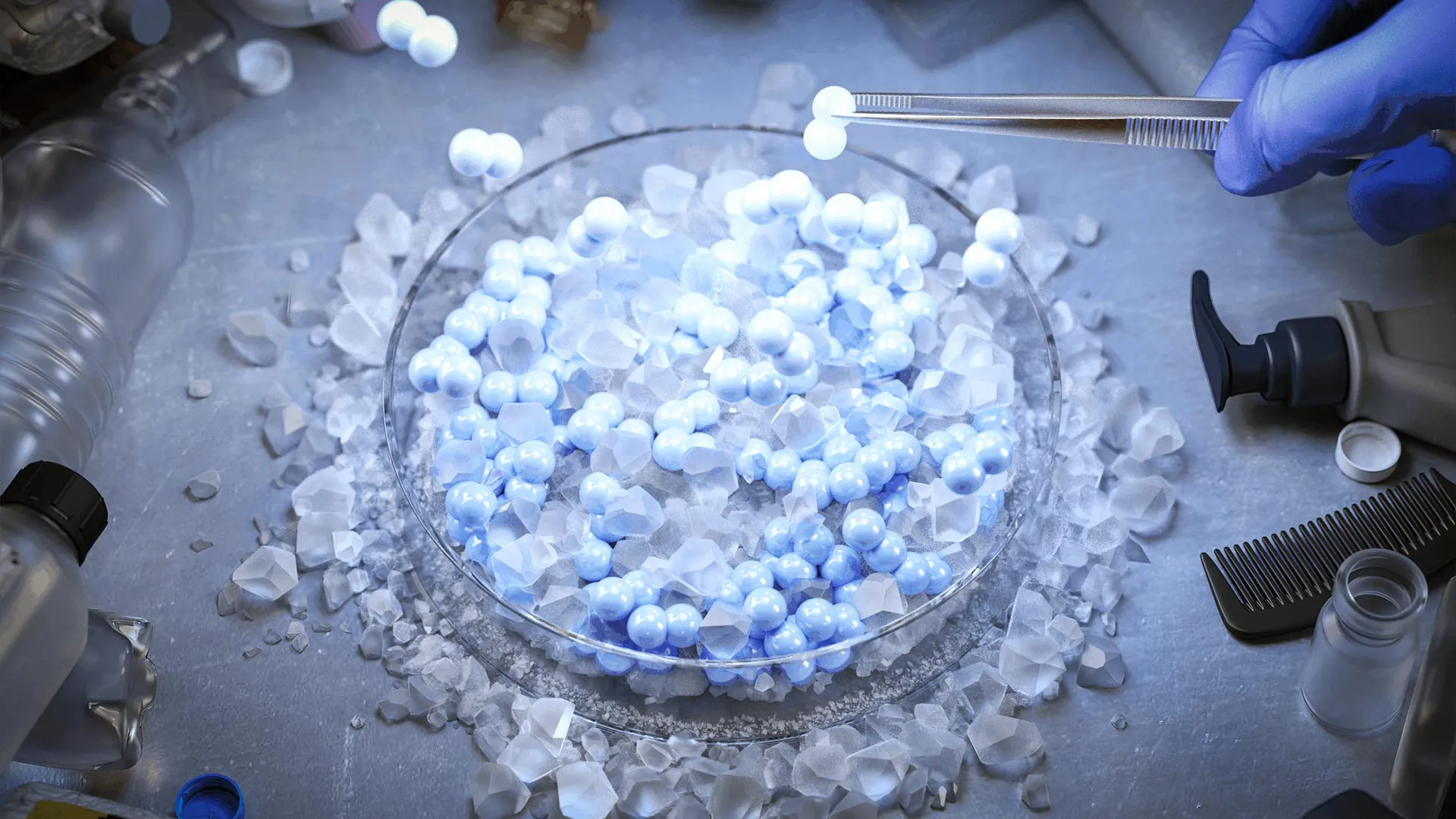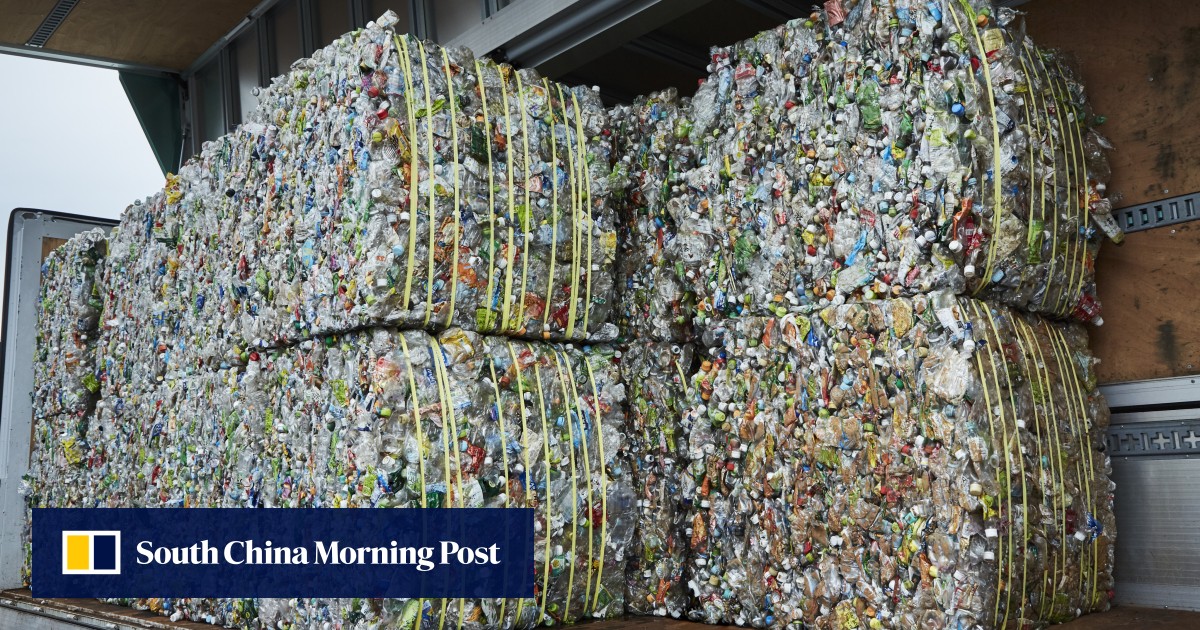
Power Shift is Ellyn Lapointe’s ongoing Gizmodo series that explores advancements in green technology, with a focus on renewable energy, grid modernization, and emissions reduction. Plastic recycling and energy decarbonization represent two of the most pressing sustainability challenges of our time. A new study offers a solution that could address both these issues simultaneously: transforming plastic trash into clean hydrogen. While the concept isn’t new, the approach—outlined in a paper published in Proceedings of the National Academy of Sciences earlier this month—improves upon conventional methods significantly. Called “ATT,” short for alkaline thermal treatment, the reaction produces high-purity hydrogen at much lower temperatures without requiring extensive waste sorting. Plus, it doesn’t directly generate greenhouse gas emissions. Two problems, one solution Because plastic recycling requires expensive sorting and processing, only a small fraction of the world’s discarded plastic is actually recycled.
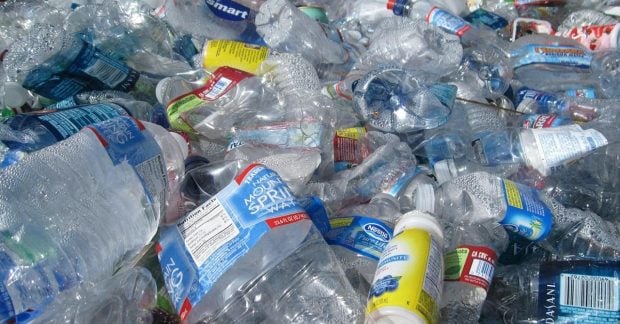
“In practice, discarded plastics are often mixed, contaminated with food, adhesives, labels, dyes and other additives, or combined in multilayer packaging,” co-author Woo Jae Kim, a professor of chemical engineering and materials science at Ewha Womans University in South Korea, told Gizmodo in an email. “Sorting and cleaning them can therefore be technically difficult and more expensive than producing new plastic from fossil resources.”