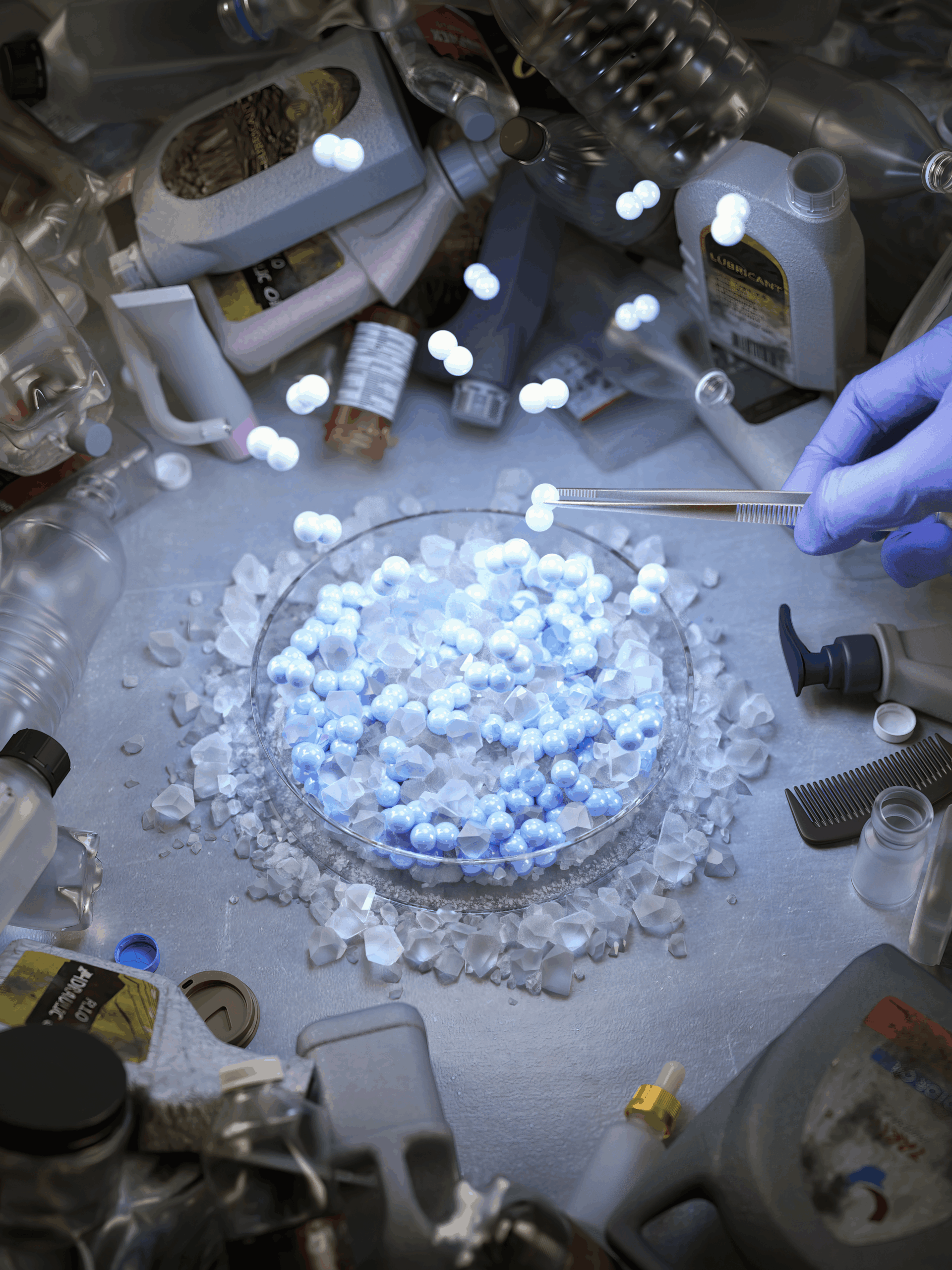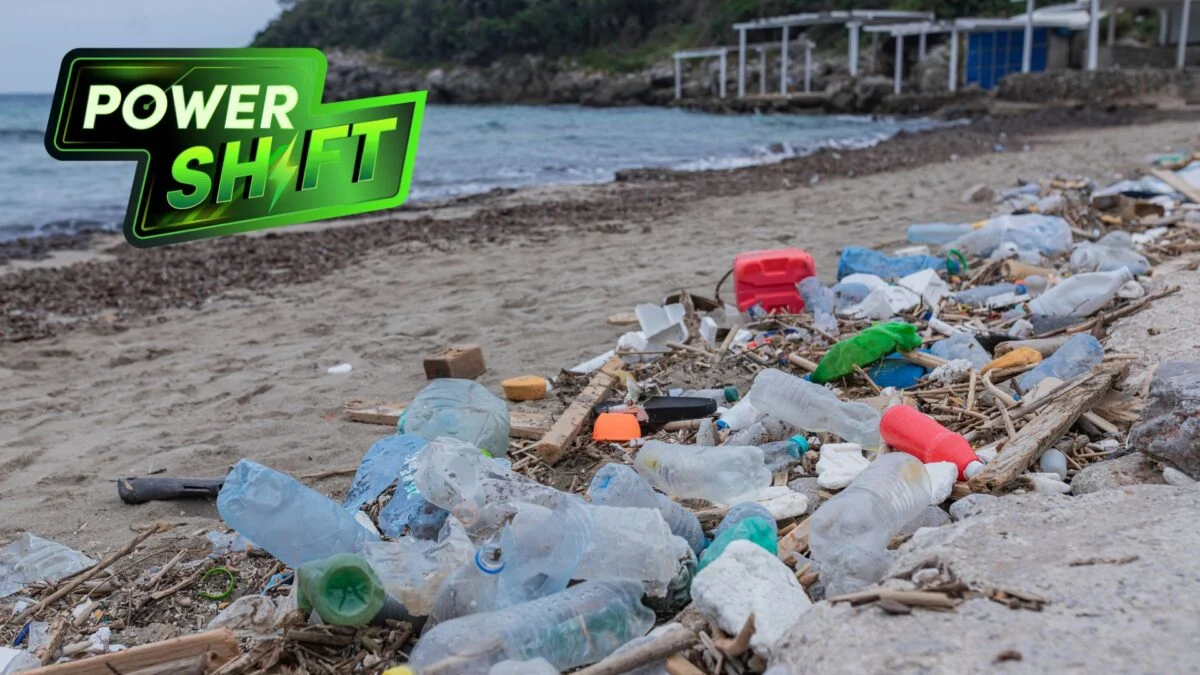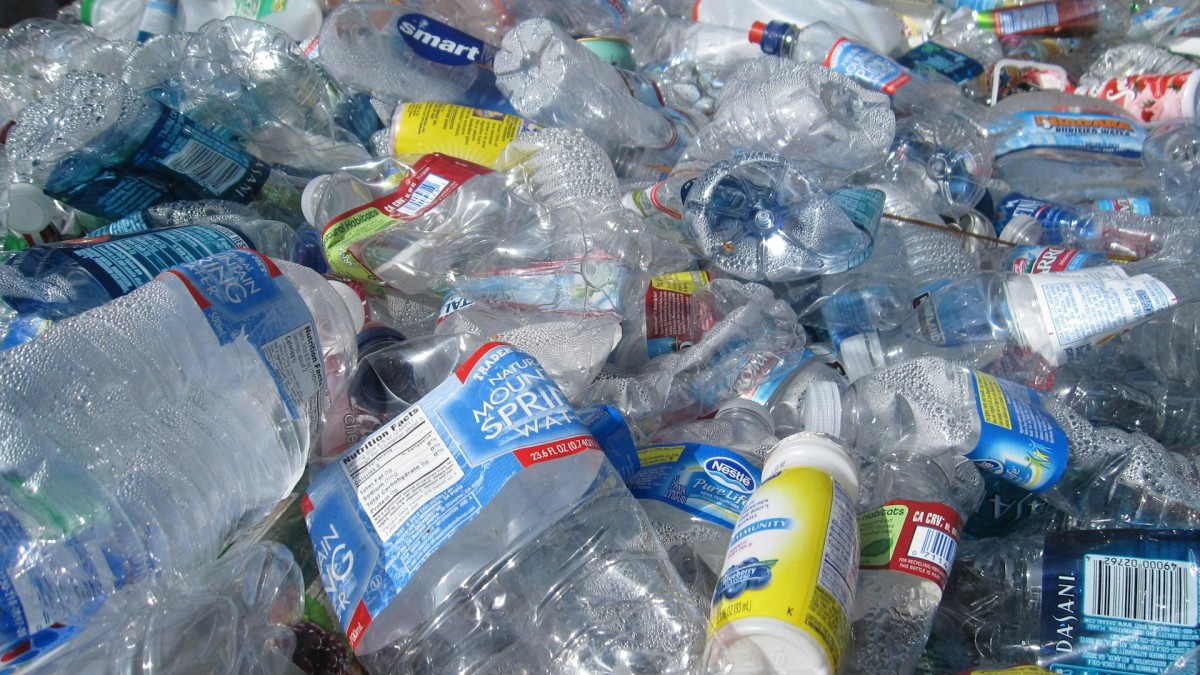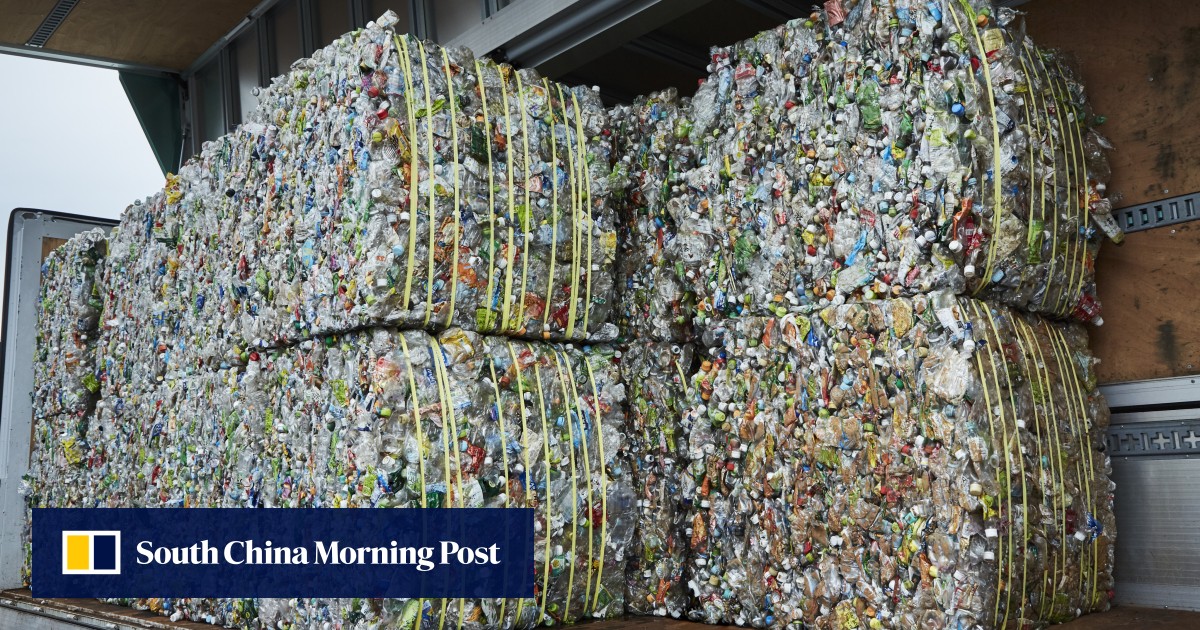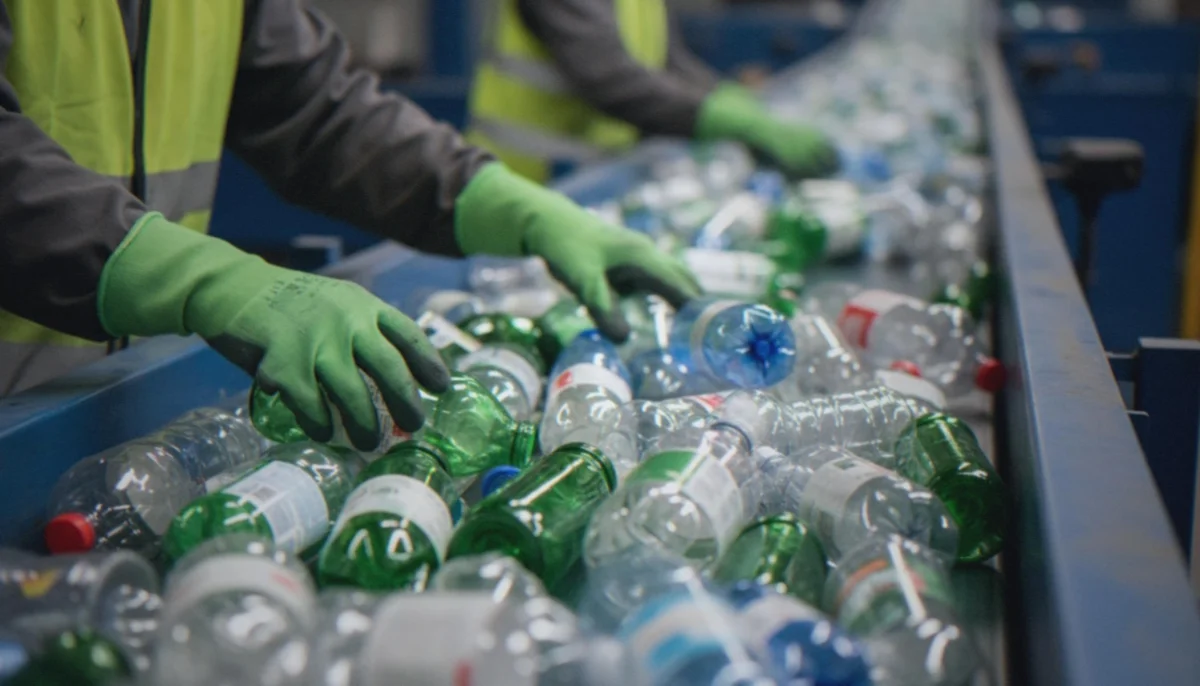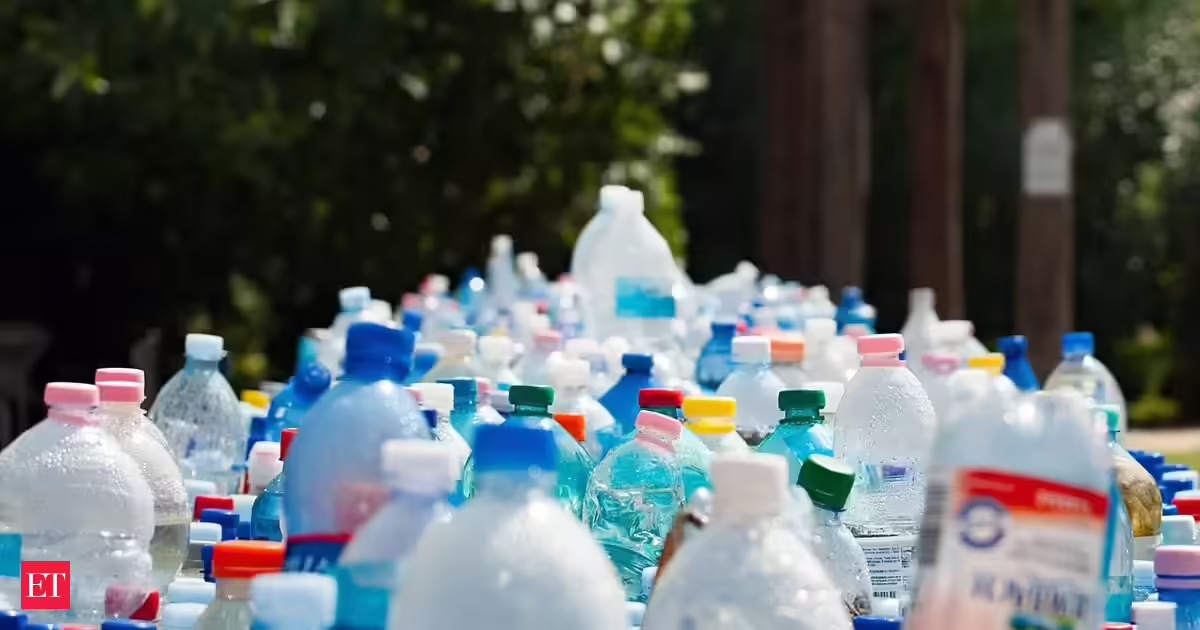
Plastic is found throughout modern life, from water bottles and shopping bags to vehicle dashboards. Once these products are thrown away, however, they become extremely difficult to recycle. Conventional recycling often requires workers or machines to separate plastics by type, adding expense and complexity to the process.
These challenges help explain why only 9% of discarded plastic is recycled. About 79% is sent to landfills, while another 12% is burned, a practice that releases carbon dioxide into the atmosphere.
Turning Mixed Plastic Waste Into Hydrogen
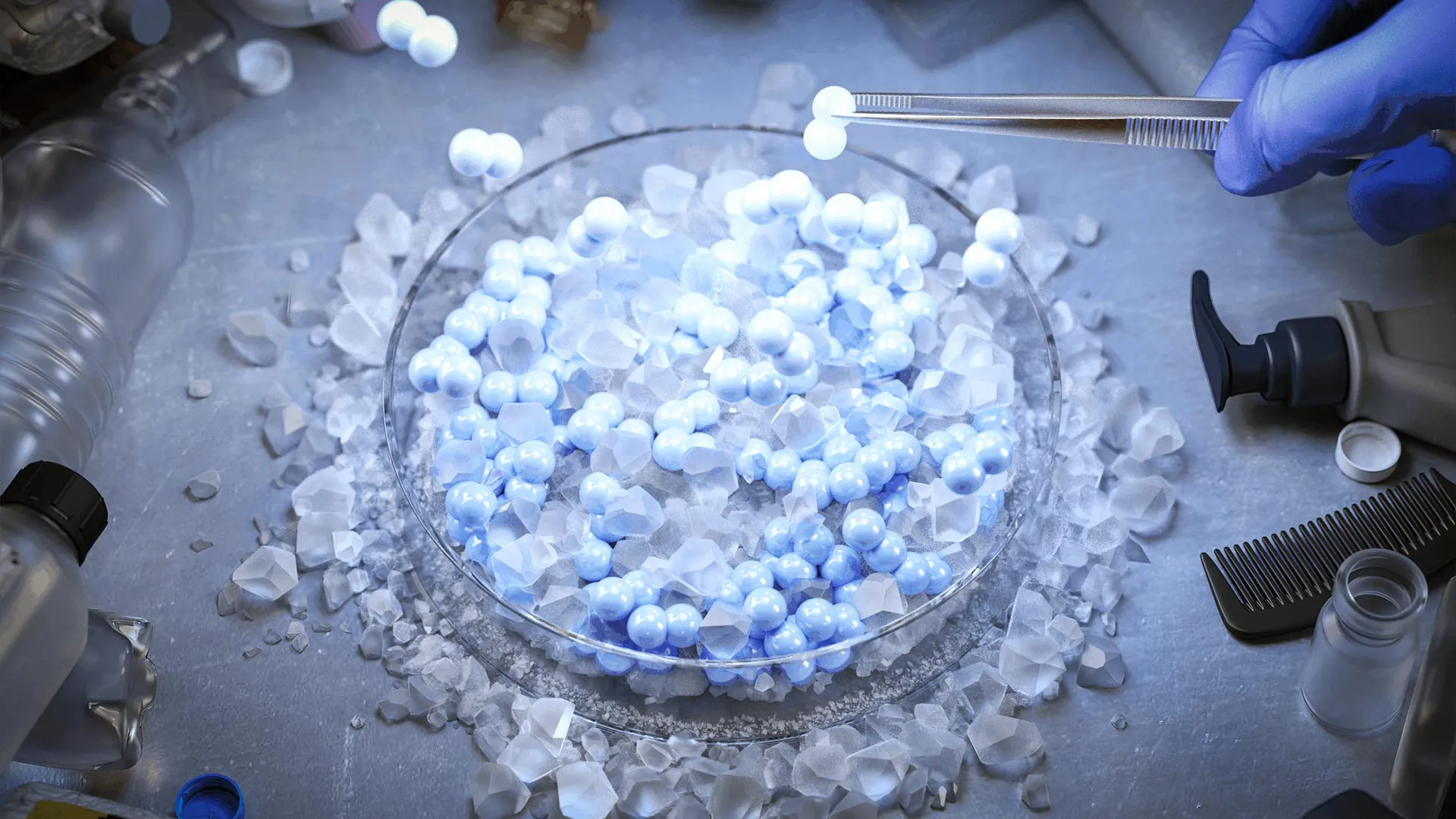
Researchers have now demonstrated a chemical process that can convert a mixture of three widely used plastics directly into high-purity hydrogen fuel. The team, co-led by scientists at the UCLA Samueli School of Engineering and Ewha Womans University in South Korea, accomplished this at temperatures far below those required for conventional gasification.
The method also prevents carbon from escaping into the atmosphere as carbon dioxide. Instead, much of the carbon is captured and stored in solid mineral form.