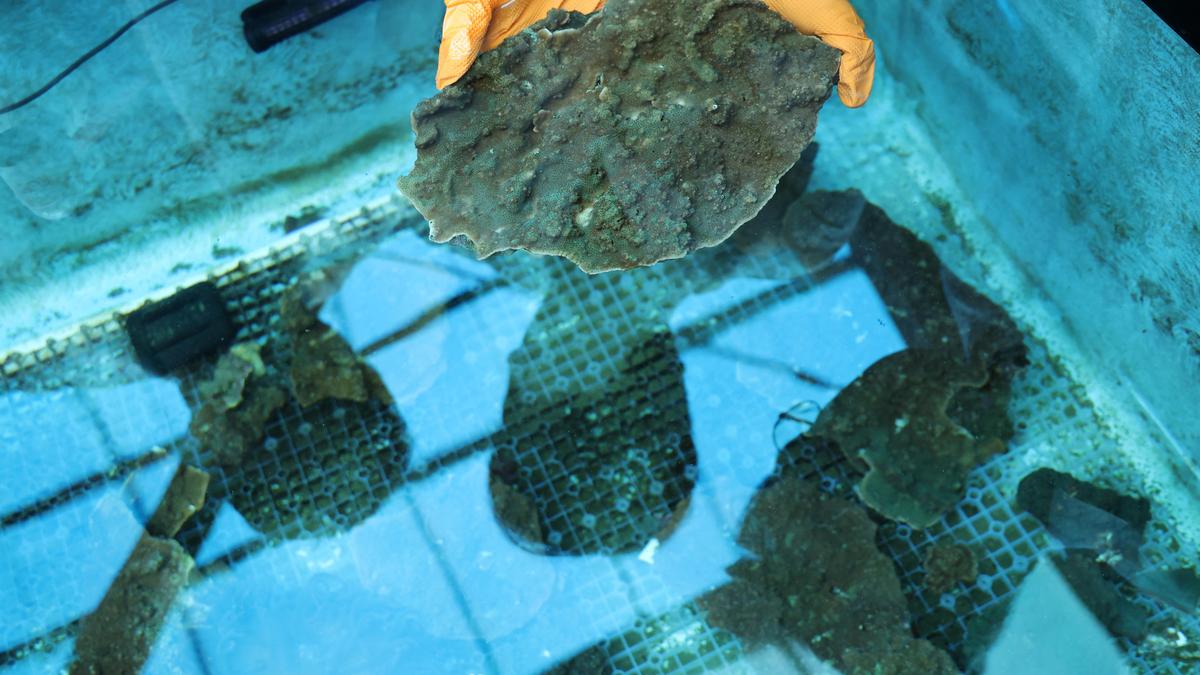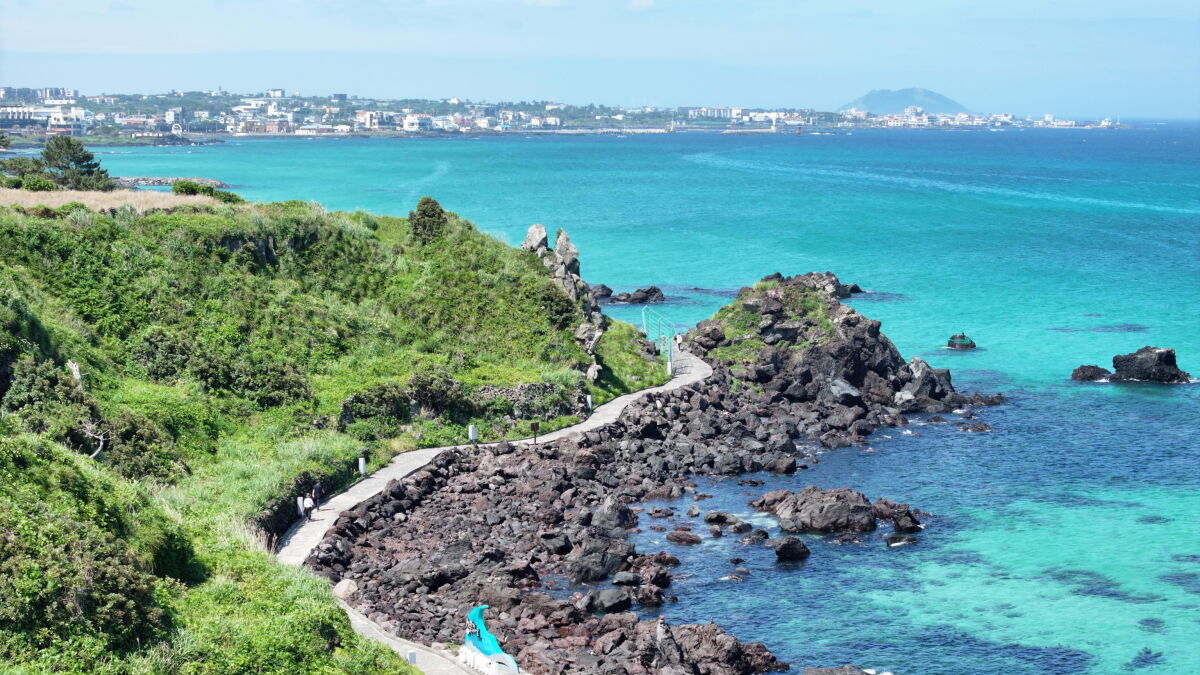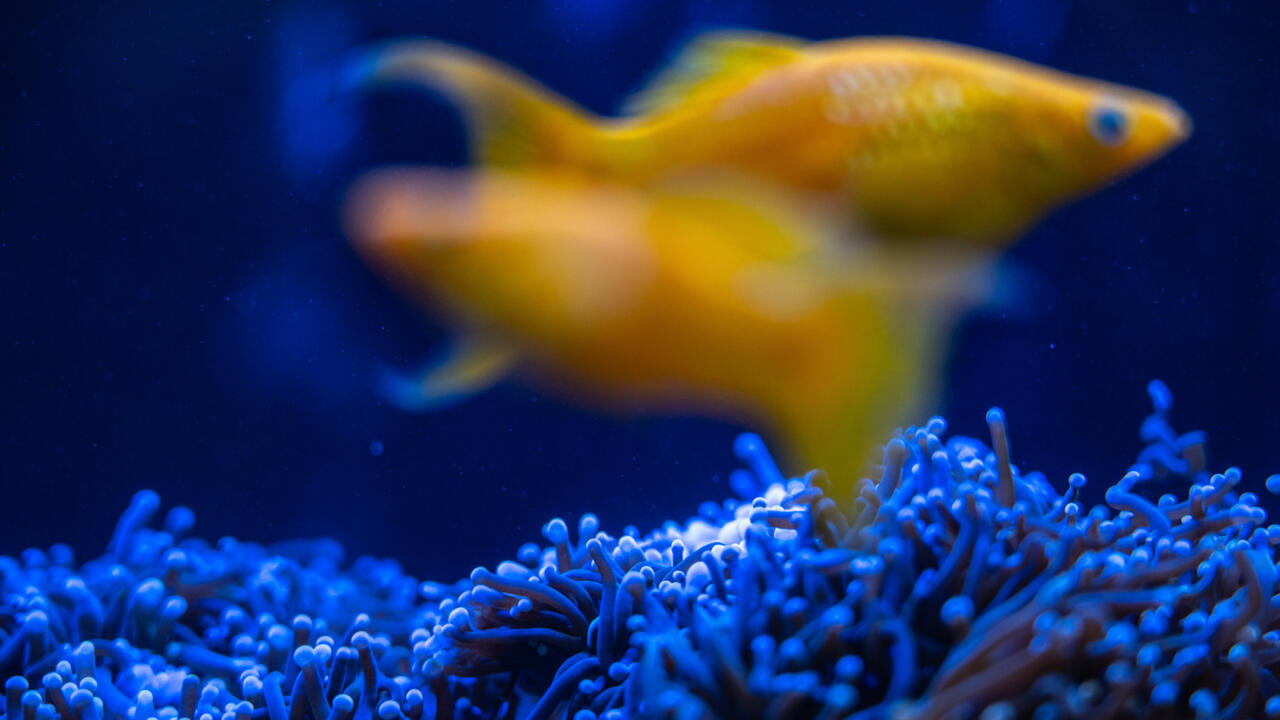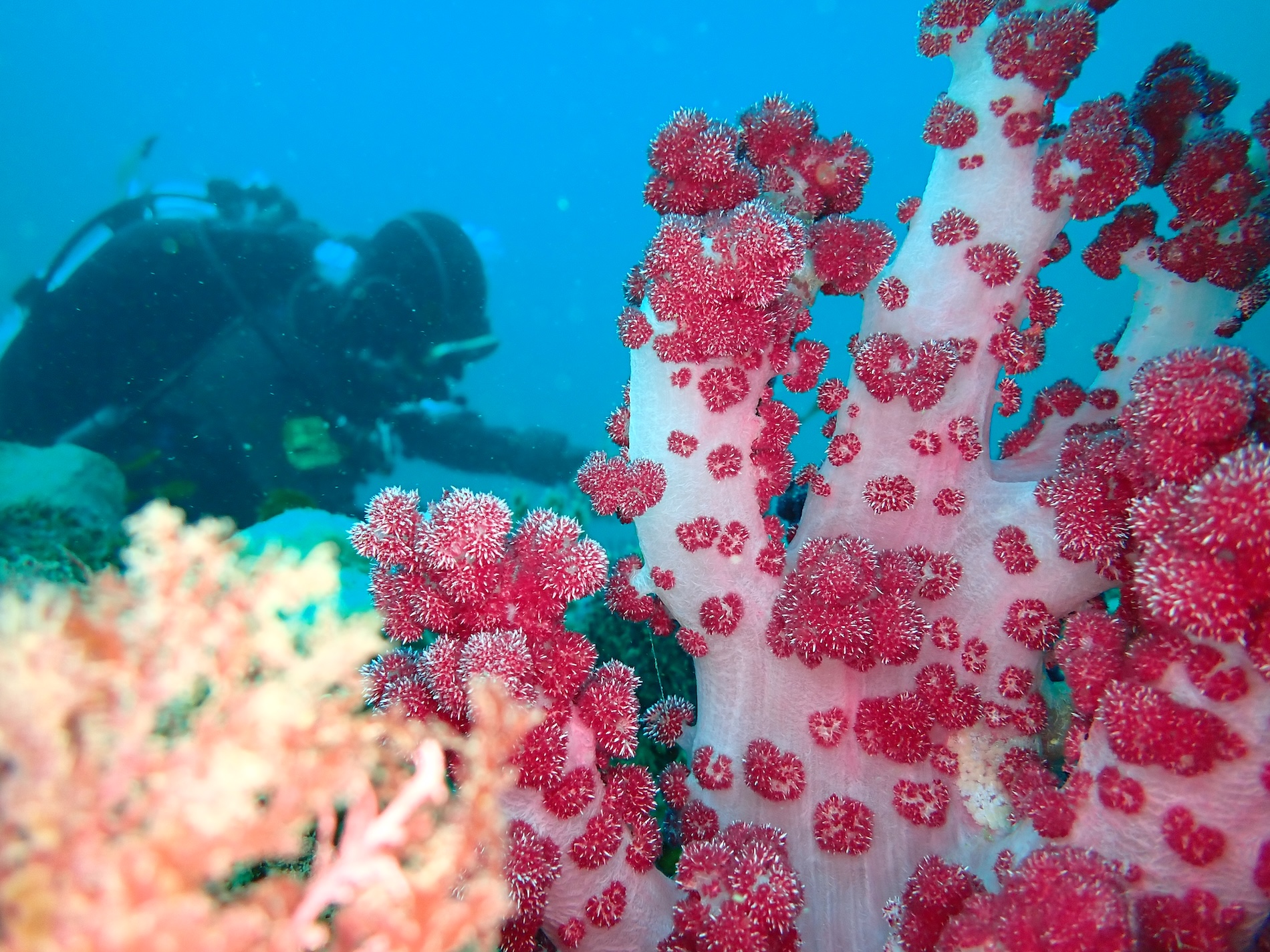
In 2024, scientists and conservationists documented a soft coral “slumping” event along the southern coast of South Korea’s Jeju Island, which led soft corals to lose their shape, droop, and even die in vast numbers.The event coincided with record heat and rainfall, which has led scientists to surmise, in a new paper, that the “slumping” resulted from a combination of thermal stress and changes to salinity and water quality.However, further research and testing is needed to determine the actual cause, researchers say.Scientists and conservationists say that while widespread slumping did not occur during 2025 or so far in 2026, the “Super El Niño” predicted for later this year could impact Jeju’s soft corals in a similar way.
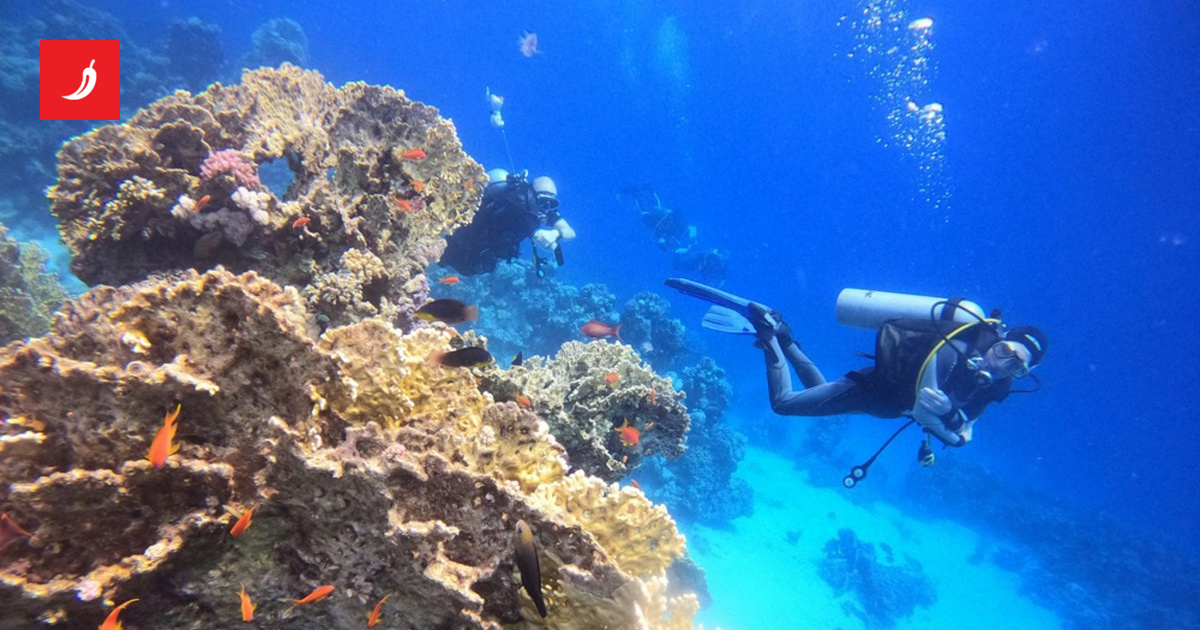
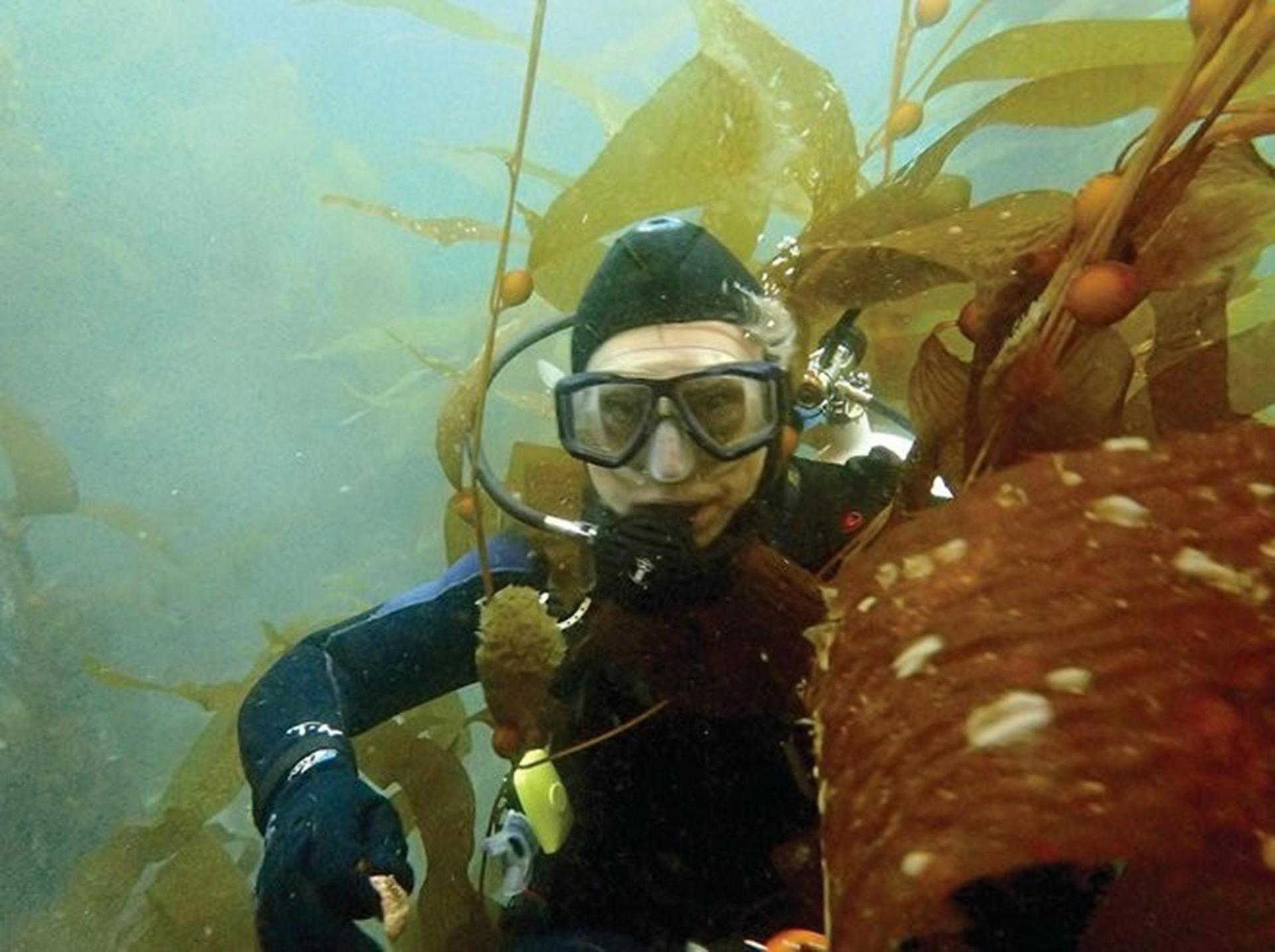
JEJU ISLAND, South Korea — In April 2025, I zipped myself up into a thick wetsuit and inched down a steep, rocky ledge toward the gray-blue water encircling Beomseom, a small island off the southern coast of Jeju Island in South Korea. Then I leapt into the chilly sea and wriggled into my scuba gear while floating on the surface.
In the water with me was Sanghoon Yoon, an adviser for Paran Ocean Citizen Science Center, a South Korean civil society group that advocates for the protection of the ocean. That day, Yoon was my scuba dive buddy.