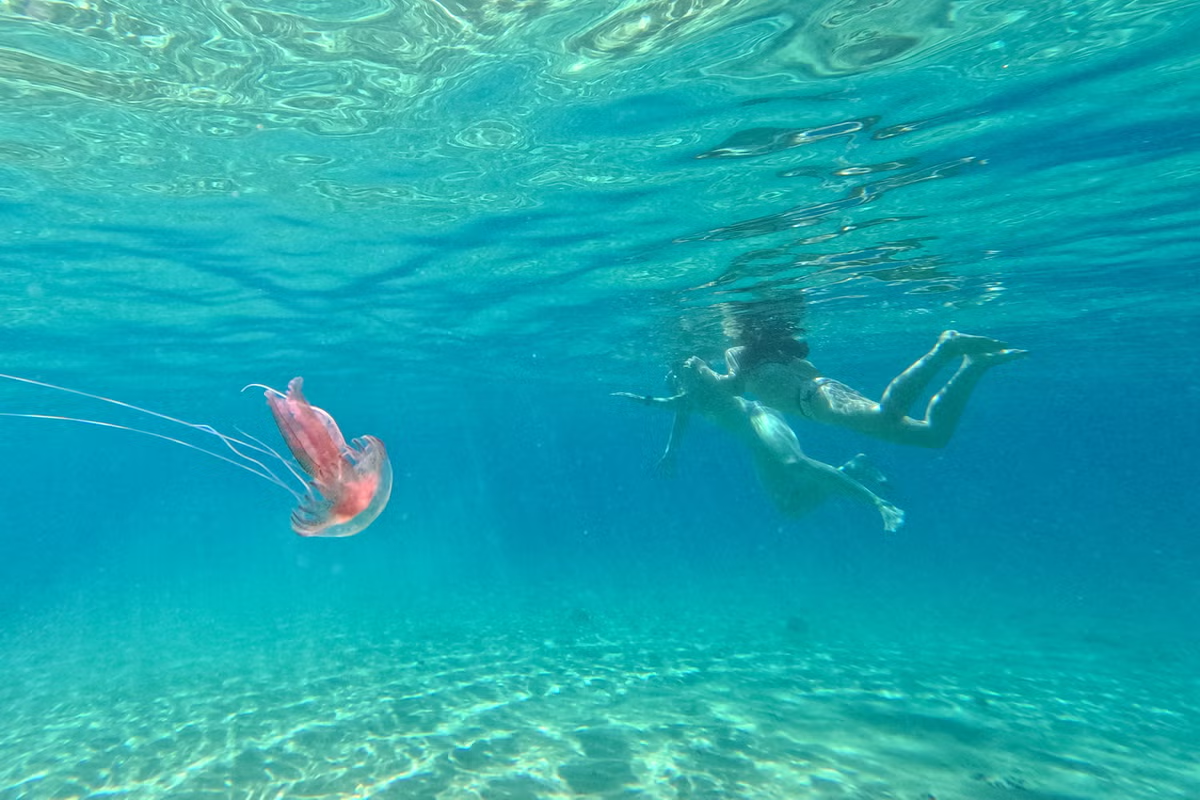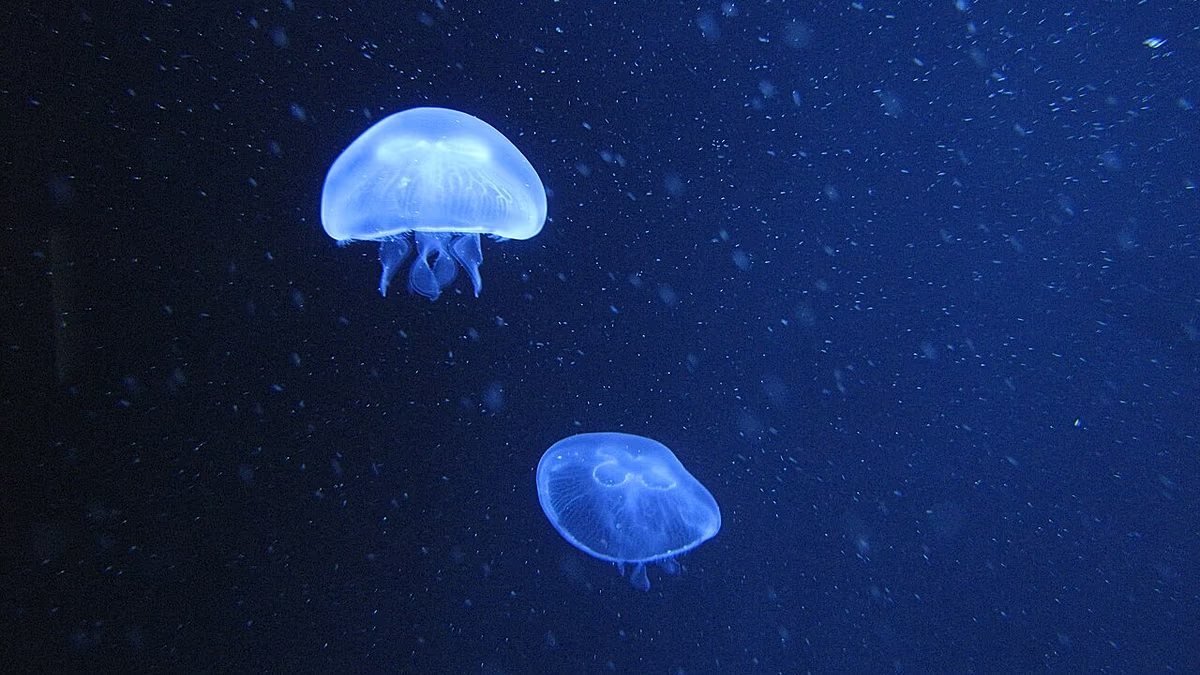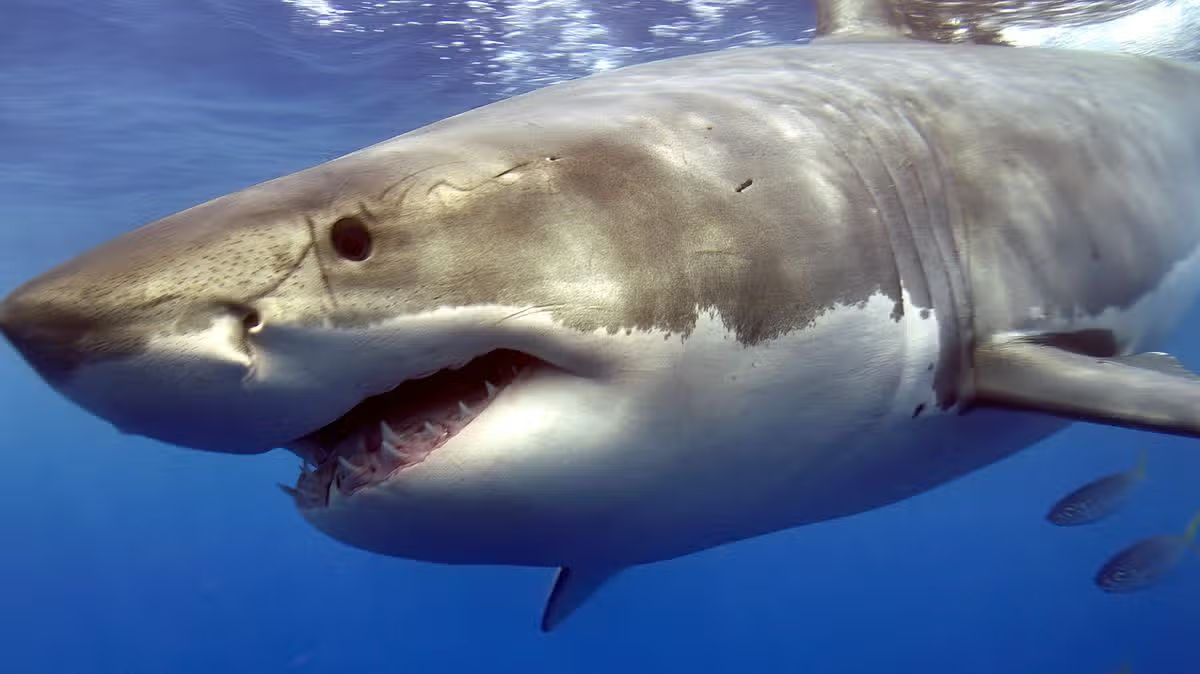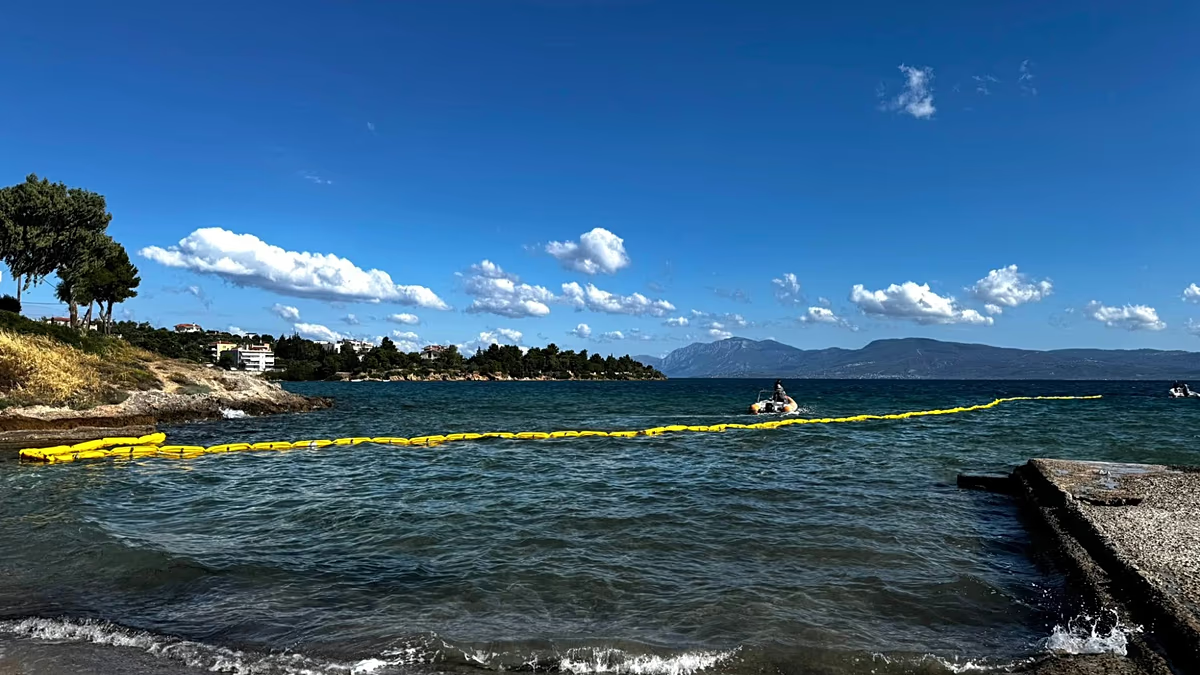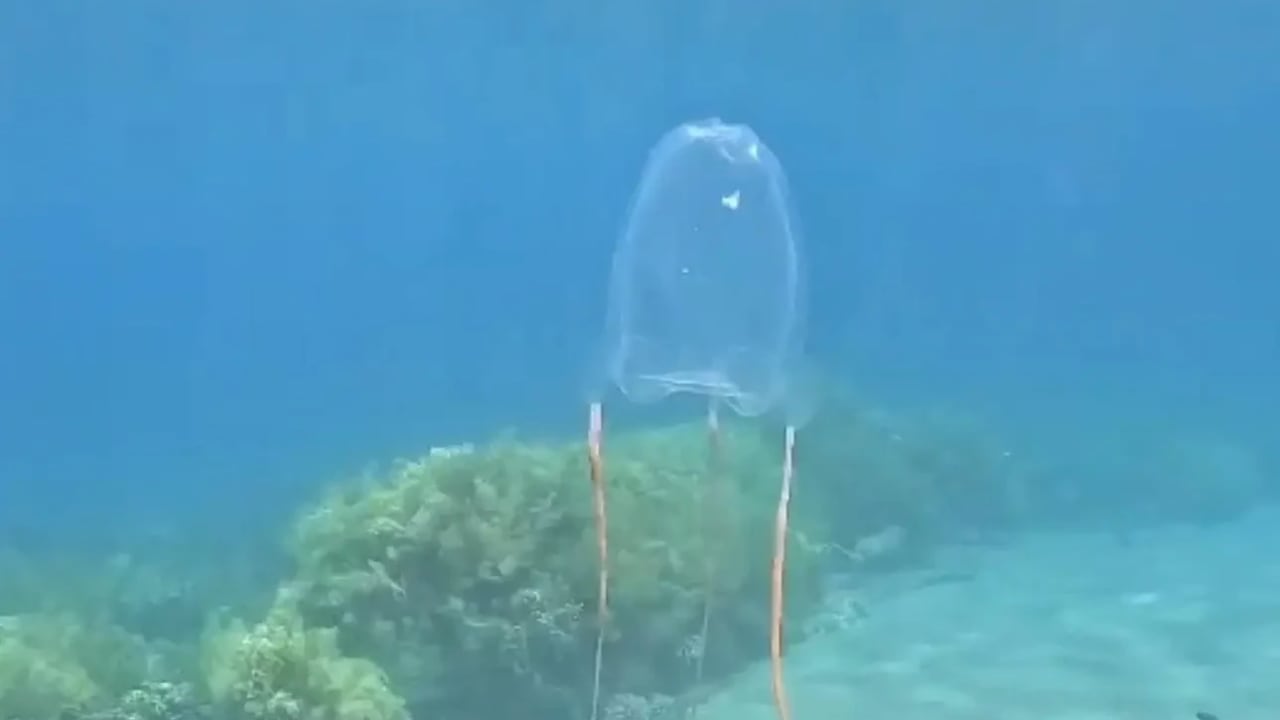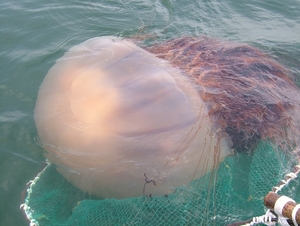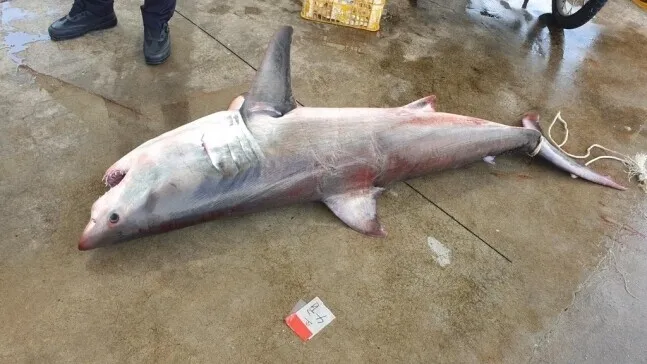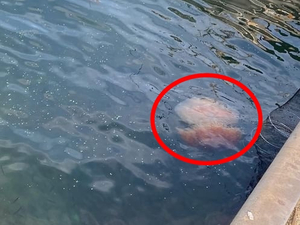
A Nomura's jellyfish floats off the coast of Gyeongju, North Gyeongsang Province. (Courtesy of a reader) As Korea enters the height of summer, warming seas are bringing an unwelcome visitor to its coasts: jellyfish.Marine experts say rising water temperatures are driving a sharp increase in venomous jellyfish, posing growing risks not only to beachgoers but also to fishermen and coastal industries.The greatest concern is Nomura's jellyfish, one of the world's largest jellyfish species that usually originates off the coast of China and drifts into Korean waters on ocean currents. It can grow up to 2 meters in diameter and weigh as much as 200 kilograms, with tentacles capable of delivering painful stings.According to a report released last week by the National Institute of Fisheries Science, the appearance rate of Nomura's jellyfish rose from 2.9 percent on June 18 to 11.4 percent by Thursday, indicating the species is spreading rapidly in Korean waters.The appearance rate was the highest around the southern island of Jeju, reaching 80 percent so far this year, up from 36 percent in 2016. In other words, eight in 10 fisheries monitoring personnel in the region reported spotting Nomura's jellyfish. Nomura's jellyfish (National Institute of Fisheries Science) While swimmers face the risk of painful stings, the impact extends well beyond beaches. Large jellyfish can clog fishing nets, damage catches and increase costs for fishermen.Scientists attribute the increase to warmer ocean temperatures, which create more favorable conditions for jellyfish to survive and spread.The warming seas are also drawing more sharks into coastal waters.On Saturday, residents in Gangneung, Gangwon Province, received an emergency phone alert after sharks were spotted about 4 kilometers east of Anmok Beach. The Gangneung Coast Guard said sharks had been sighted near both Anmok and Gyeongpo beaches, prompting city officials to advise caution for swimmers, divers and other marine leisure activities.According to the NIFS, 46 large sharks had been reported in Korean waters as of June 24, nearly four times the 12 recorded during the same period last year.Authorities in several coastal regions have stepped up precautions against jellyfish and sharks. Measures include installing offshore safety nets at popular beaches to keep large marine animals away from swimmers, while officials are urging beachgoers and fishermen to closely monitor local advisories throughout the summer.
Warming seas bring jellyfish, sharks closer to Korea's beaches
As Korea enters the height of summer, warming seas are bringing an unwelcome visitor to its coasts: jellyfish. Marine experts say rising water temperatures are
378 words~2 min read