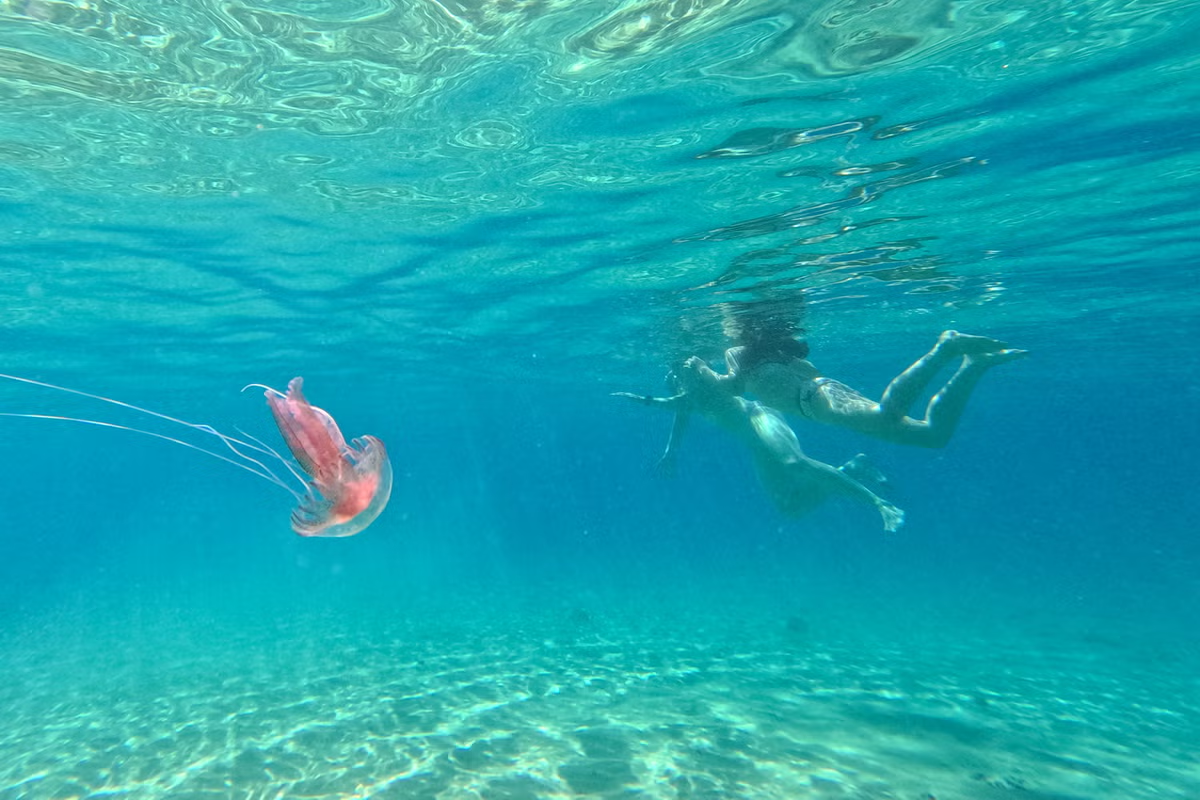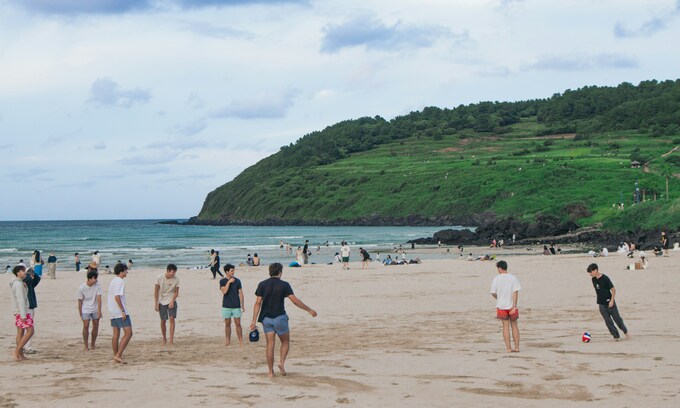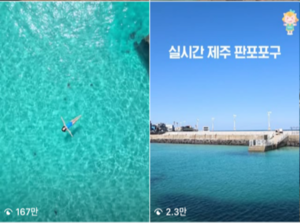
Social media videos featuring people diving at ports on Jeju Island draws hundreds of thousands of views. (Instagram) Small fishing ports that have become popular swimming spots along Korea’s coasts are set to face new restrictions, as authorities move to ban certain recreational water activities over safety concerns.To prevent a rise in accidents caused by diving and swimming, authorities will impose fines of up to 500,000 won ($332) for recreational water activities at fishing ports.Critics, however, argue that many of these places have long served as summer gathering spots for locals. Opposition has been particularly strong on Jeju Island, where such ports have become popular among both domestic and international visitors.Under the revised Fishing Villages and Fishery Harbors Act, passed in March, swimming and other recreational water activities, as well as cooking and camping, will be prohibited at fishing ports regardless of whether boats are actively using the facilities. Fines for violations will begin to be imposed next April.The ban comes after underused coastal ports drew growing crowds, with videos of people diving into Jeju’s clear turquoise waters going viral on social media since the early 2020s.Compared with large commercial harbors crowded with cargo vessels and fishing boats, many smaller ports across Korea have seen little use in recent years due to aging rural populations. As a result, some naturally evolved into places where people could enjoy relatively clean and calm waters for swimming and snorkeling.Among the best-known examples are Panpo Port and Wolryeong Port in western Jeju, while several small ports along the East Sea coast have also recently drawn visitors seeking summer water activities. People swim at Panpo Port in western Jeju Island on Friday. (Lim Jae-seong/The Korea Herald) However, the surge in popularity has also led to growing safety concerns, as ports lack the safety standards applied to beaches or swimming pools. Reports of drunken diving and nighttime swimming have also continued.Data from the Jeju Regional Coast Guard Station showed that an average of eight drowning-related accidents occurred at Jeju ports during the June-to-August summer season between 2022 and 2024, while the number rose to 13 in 2025. Nearby residents have also complained about growing noise and trash problems.“Ports are facilities that do not meet safety standards like swimming pools, and there are no rescue personnel available in case of accidents,” a coast guard official said. “In some cases, people jumped in carelessly and ended up injured or killed.”Social media users remain divided over the issue. Many criticized reckless visitors for worsening safety conditions, while also accusing authorities of imposing an indiscriminate ban instead of finding ways to preserve the long-standing local culture of swimming at ports under safer conditions.Others, however, sympathized with the authorities, arguing that previous nonbinding guidance had failed to stop dangerous behavior, with visitors continuing to dive under risky conditions.Meanwhile, local media reported that some accommodations have been receiving summer inquiries earlier than usual from travelers hoping to enjoy the ports one last time before the restrictions take effect. Local authorities plan to dispatch additional safety personnel during this year’s peak vacation season.
Viral coastal ports face swimming ban in Korea
Small fishing ports that have become popular swimming spots along Korea’s coasts are set to face new restrictions, as authorities move to ban certain recreation
511 words~2 min read