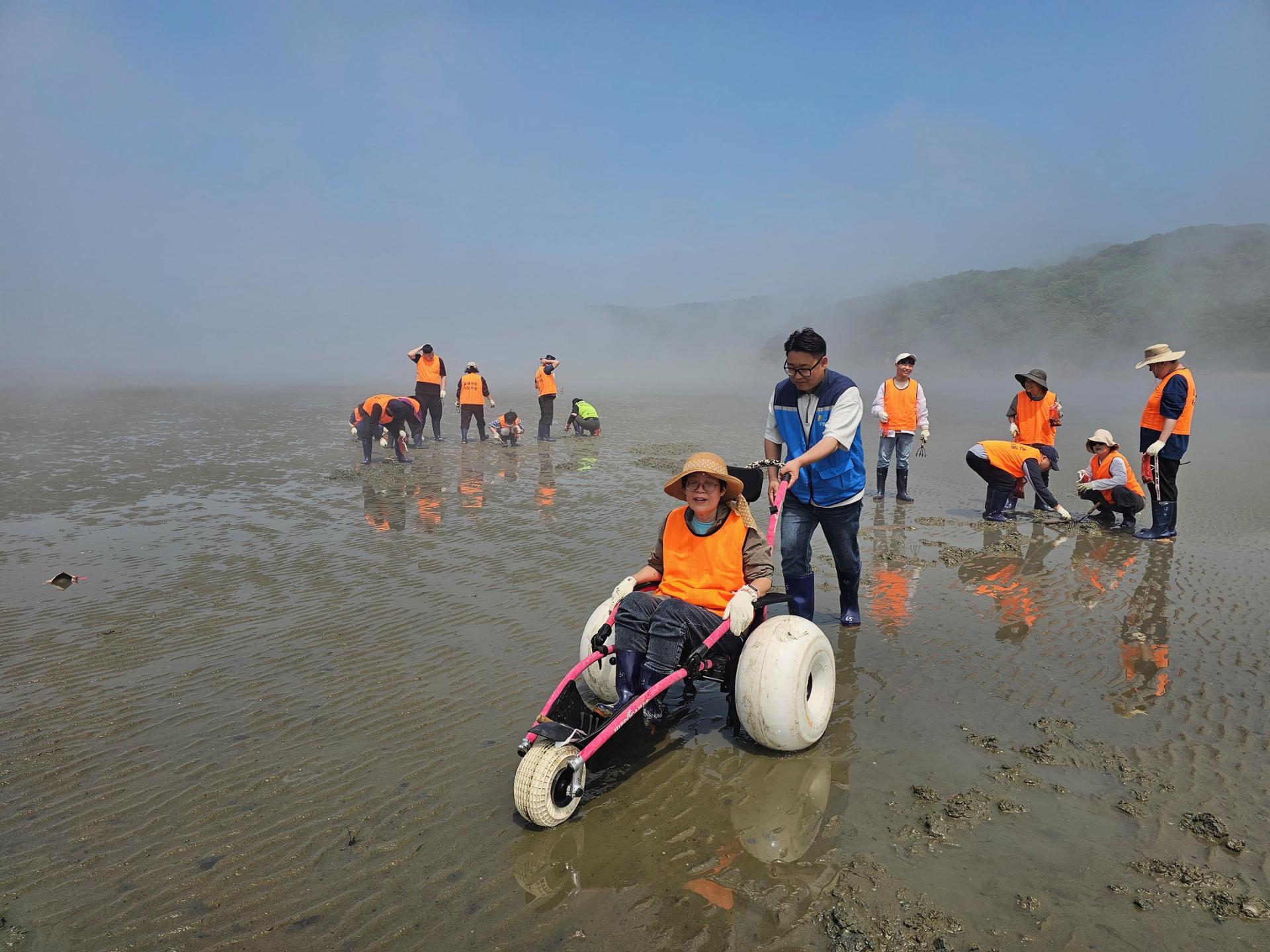
A participant rides a beach wheelchair during the Korea Tourism Organization’s (KTO) mudflat tour program in Hwaseong, Gyeonggi Province, May 14. Courtesy of KTO
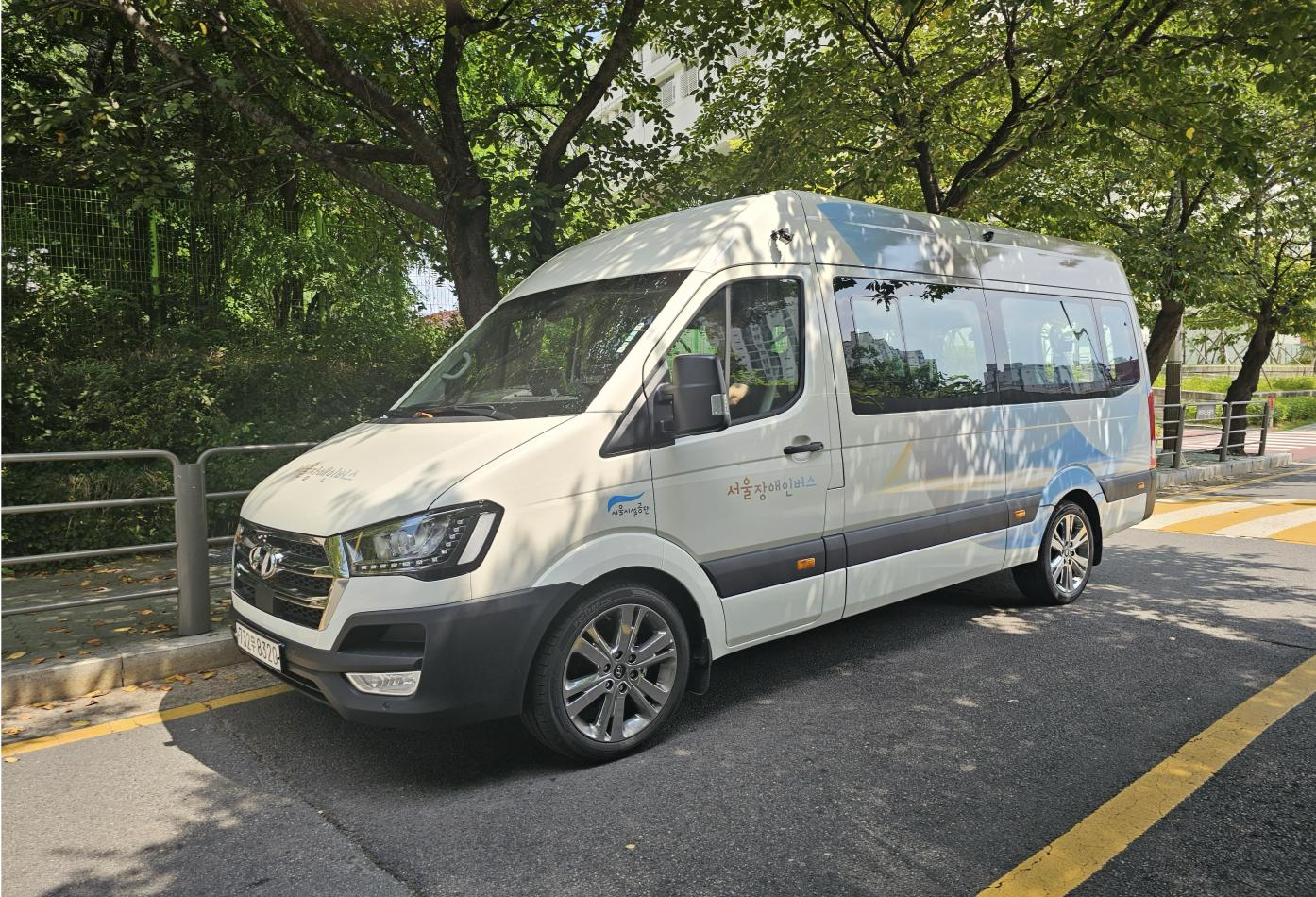
Korea’s tourism industry is increasingly shifting its focus toward barrier-free travel, as government agencies and local authorities expand programs designed to improve accessibility for seniors, people with disabilities and other travel-vulnerable groups amid growing demand for inclusive tourism experiences.
The push shows a broader recognition that tourism accessibility is no longer limited to physical infrastructure such as ramps or wheelchair paths, but is increasingly viewed as part of a wider social environment that determines whether all people can comfortably participate in travel and leisure activities.
“Barrier-free tourism is one of the basic conditions of an advanced society,” Han Sang-il, a professor from the Department of Hotel & Tourism Science at Daegu Catholic University, told The Korea Times. “A society can be evaluated by how well it cares for socially vulnerable people, and tourism should also be an area everyone can enjoy equally.”
The renewed attention comes as the government places greater emphasis on the tourism sector as a future growth industry. The Ministry of Culture, Sports and Tourism and affiliated organizations have recently rolled out a series of projects aimed at broadening tourism access while encouraging regional travel and longer stays outside the Seoul metropolitan area.