Orbital broadband biz will miss its July 30 deadline to have 1,616 spacecraft in place
Amazon is set to miss its deadline to deploy half of its Leo satellite constellation by July 30, as required by the Federal Communications Commission (FCC). The agency has, however, granted it a waiver of sorts – at the cost of priority status in spectrum licensing.The Bezos-founded behemoth got the go-ahead from the FCC for what was then known as Project Kuiper back in 2020. This was on the proviso that it had 50 percent of its planned constellation of 3,236 broadband satellites in orbit by July 30, 2026.Amazon rebranded its satellite broadband biz from Project Kuiper to Amazon Leo in November last year.
However, the company filed an application on January 30 this year seeking an extension of the deployment deadline by 24 months, or alternatively a complete waiver of this milestone requirement.
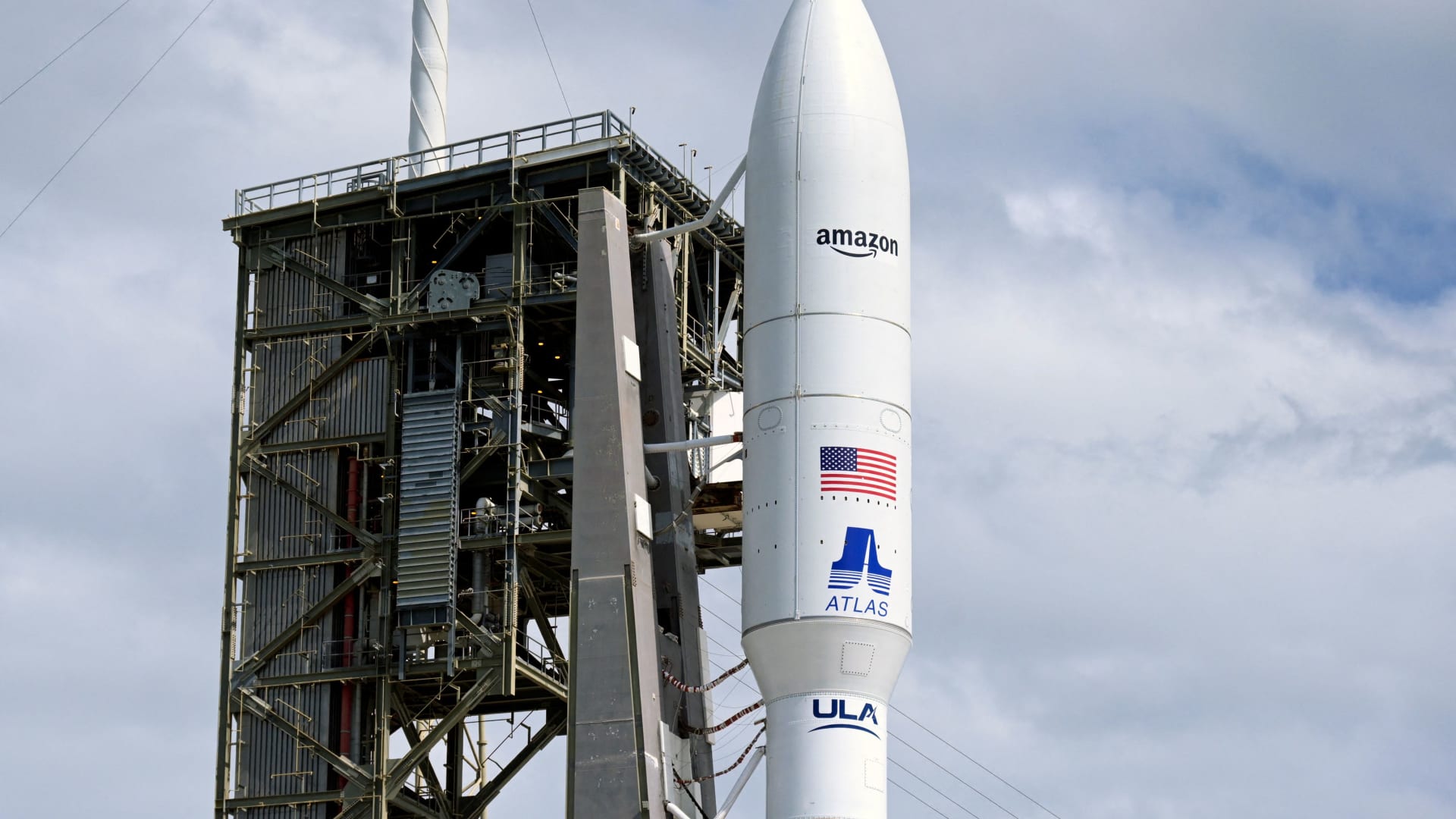
At the time of filing the application, Amazon Leo reported that it had launched just 180 satellites and estimated that it will have deployed approximately 700 by the July 30 deadline.On June 5, the FCC granted Amazon a limited waiver of its 50 percent deployment requirement. However, the company is still expected to meet its final deployment deadline of July 30, 2029, for the entire constellation.Under normal circumstances, if a licensee failed to meet the set interim milestone, its total number of authorized satellites would be capped at the number of satellites that were in orbit and operating on the date of the missed milestone. This will still apply if Amazon fails to have completed its deployment by the final deadline.The FCC says in its order [PDF] that it may waive any rule for good cause shown, though this only tends to happen if such a move is judged to serve the public interest.Amazon blamed delays from rocket launch providers and shortages of launch availability for causing significant backlogs and stretching out its planned deployment timelines. It also claimed that many of its planned launches were further delayed due to "a variety of factors that were outside of its control," including weather, technical problems, and prioritization of government launches.