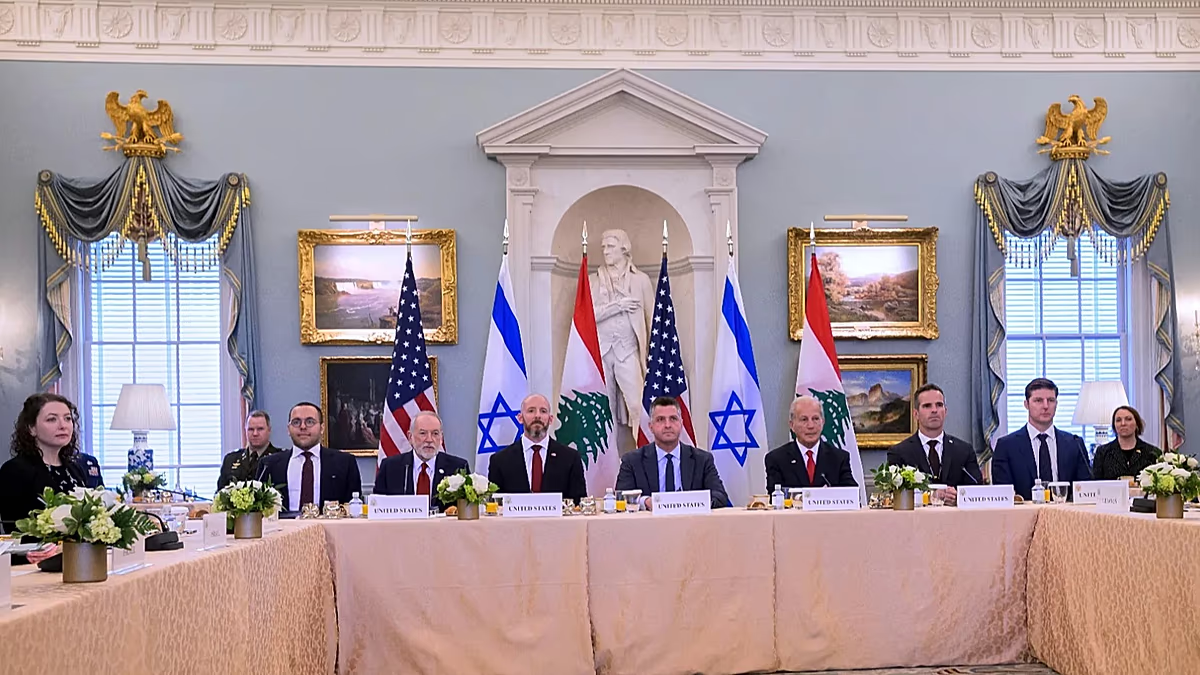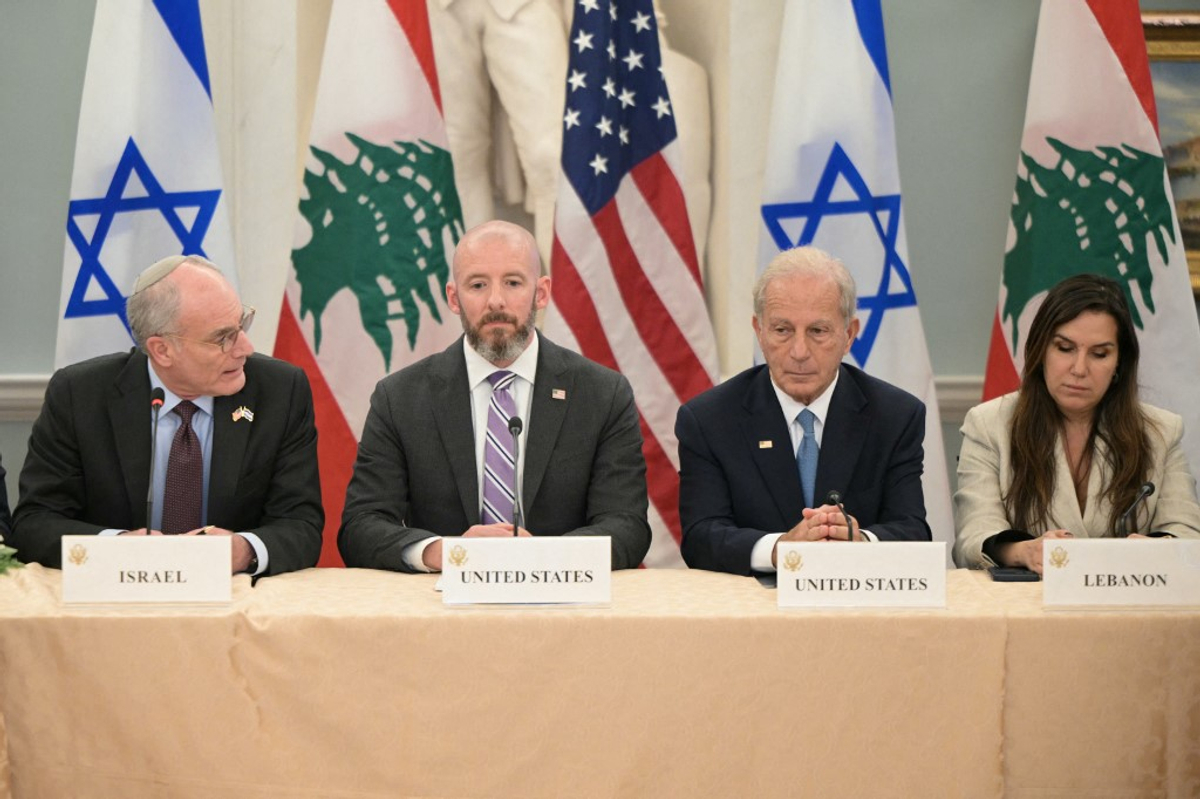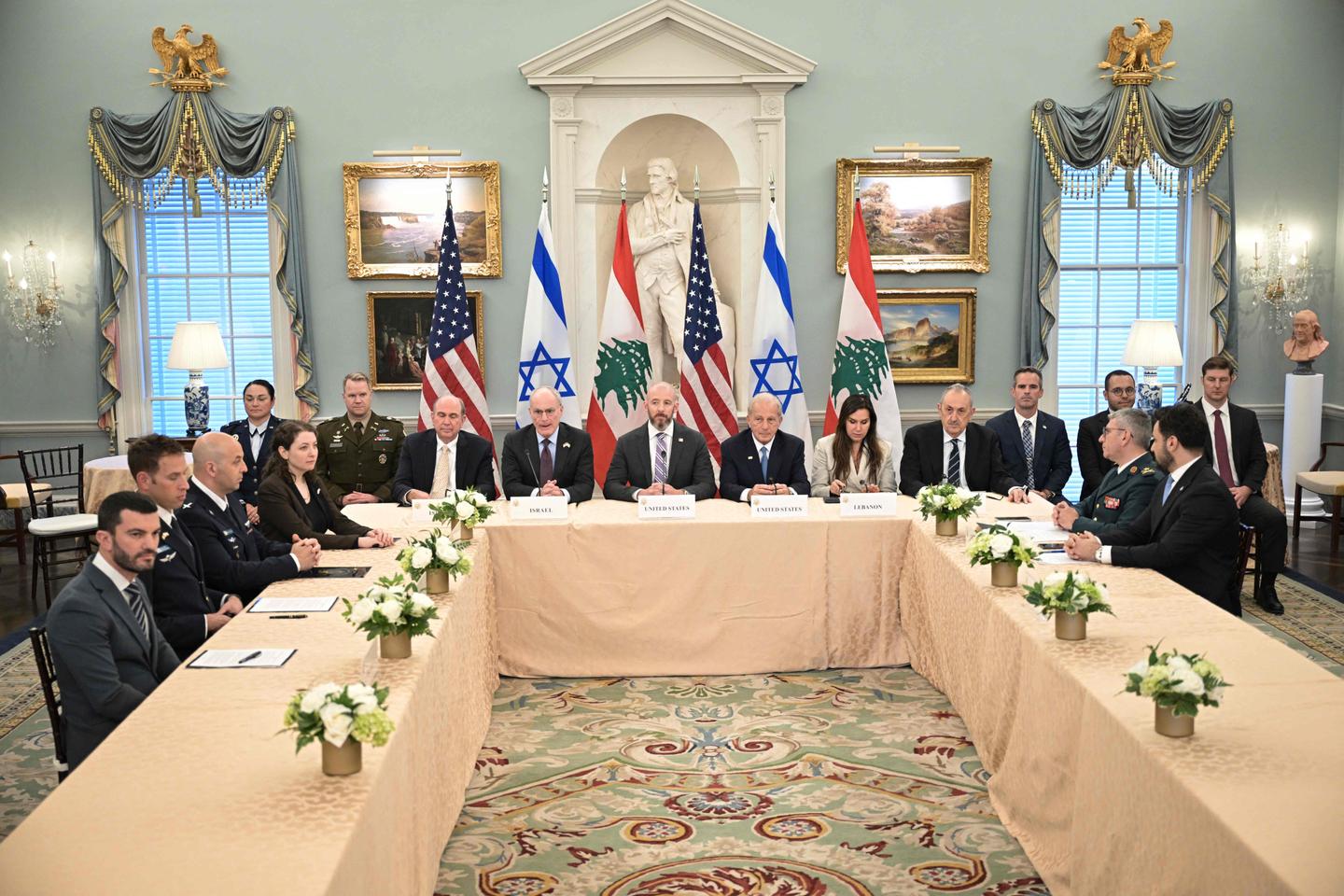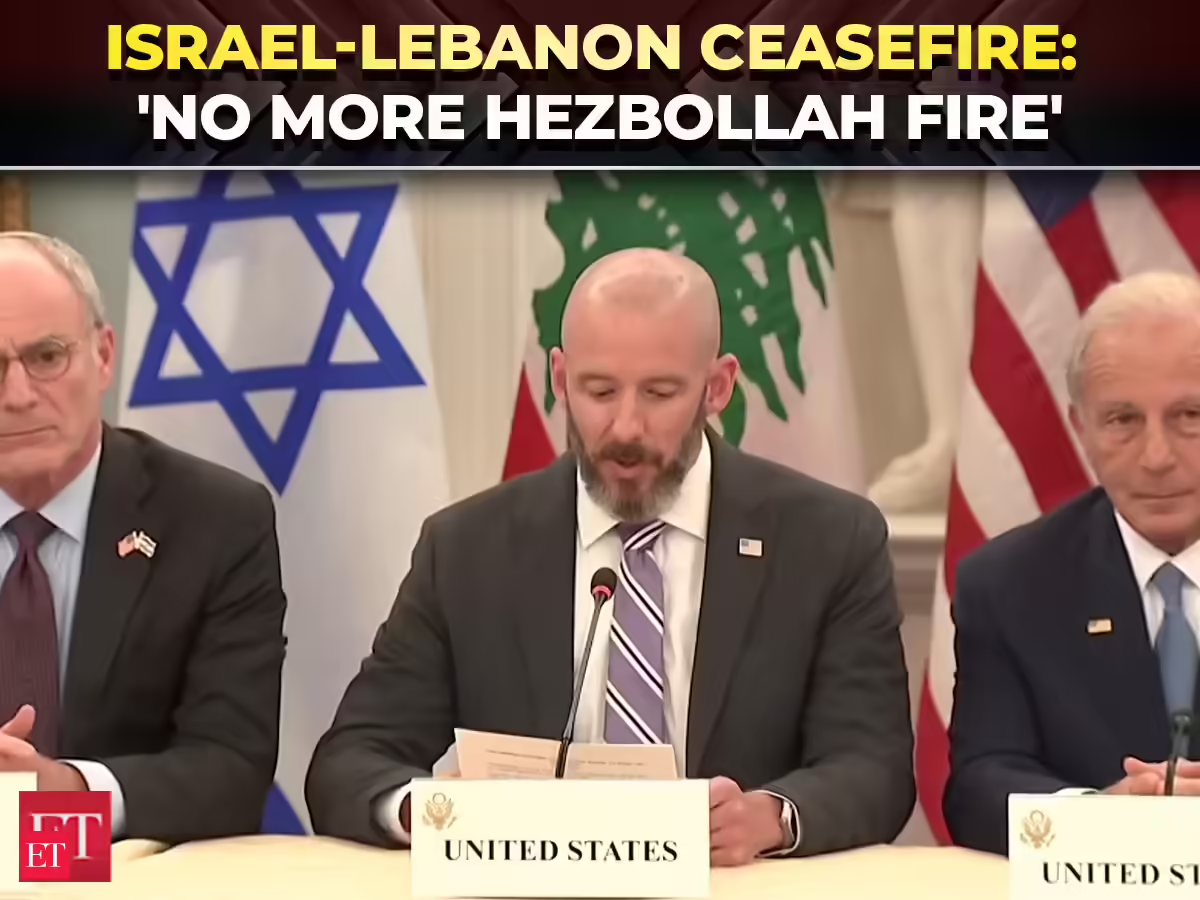
Last week, the Israeli and Lebanese governments announced a US-mediated agreement in Washington to renew their "ceasefire" and pursue a "comprehensive" settlement.
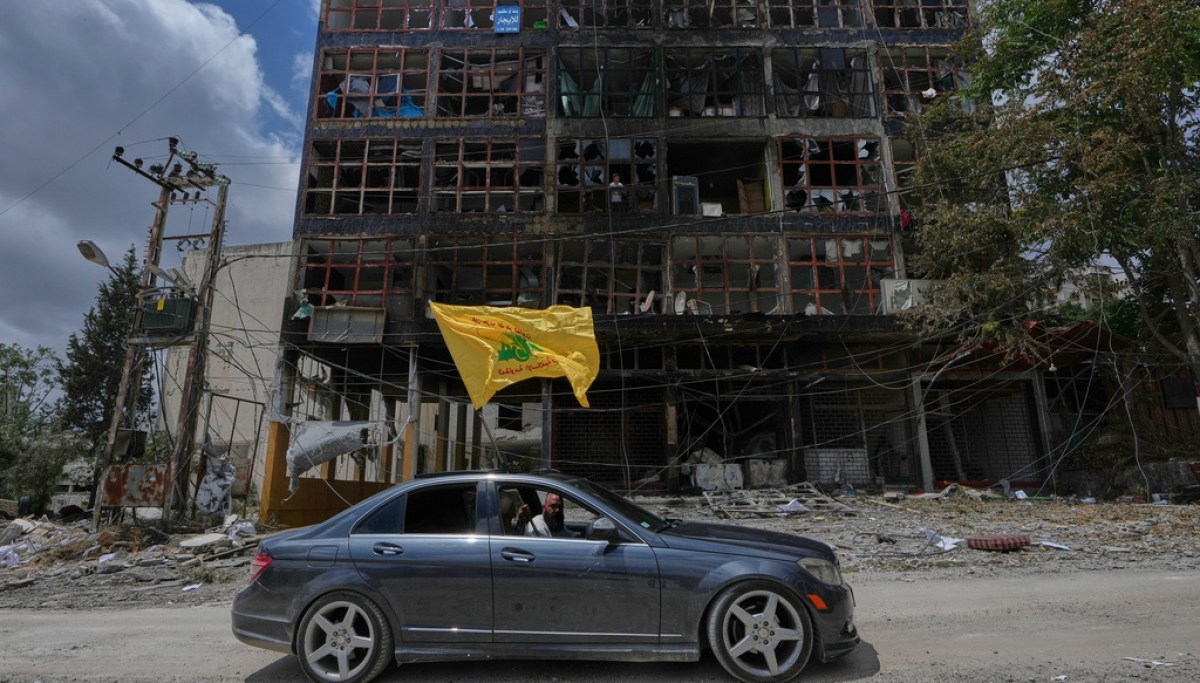
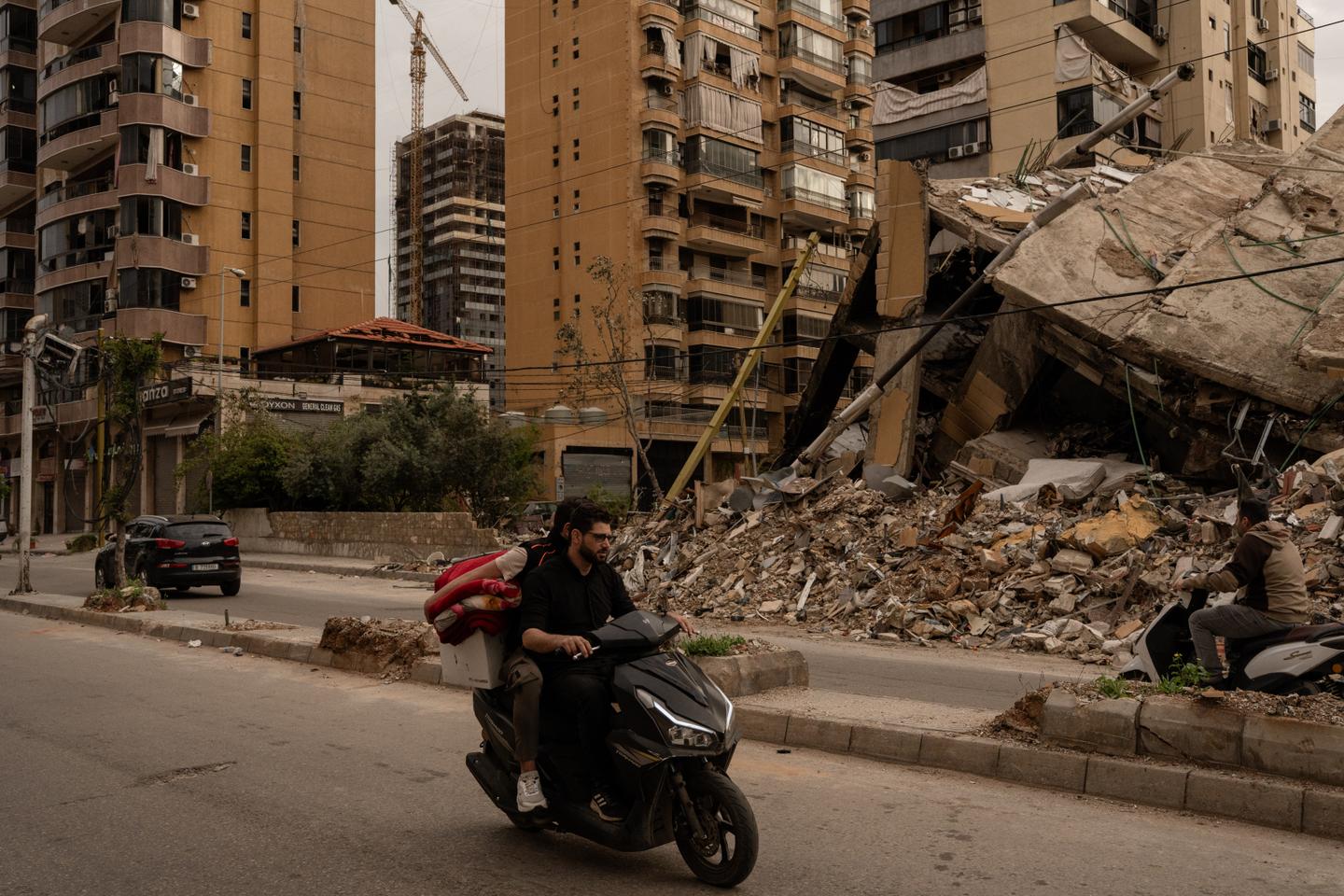
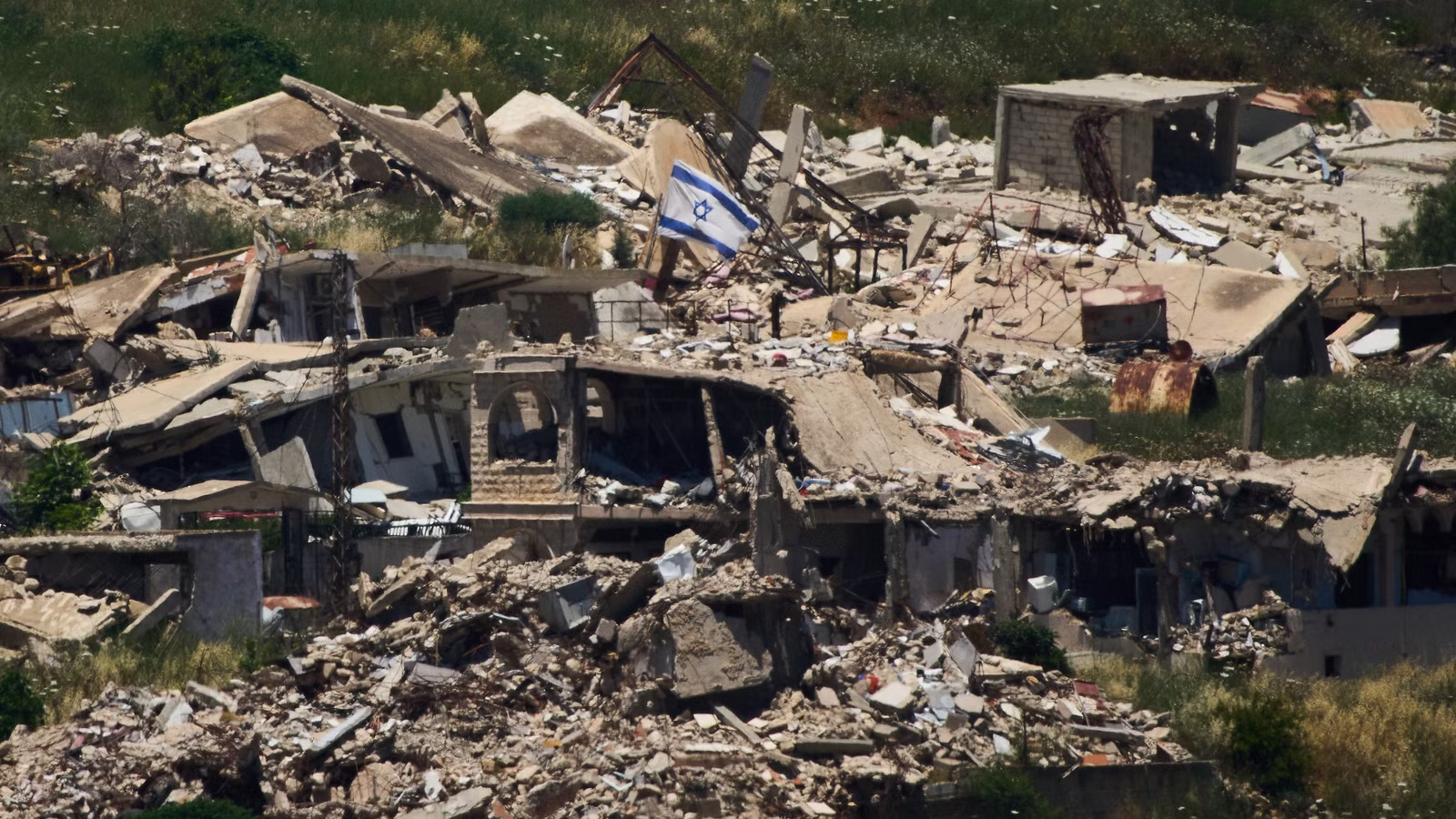
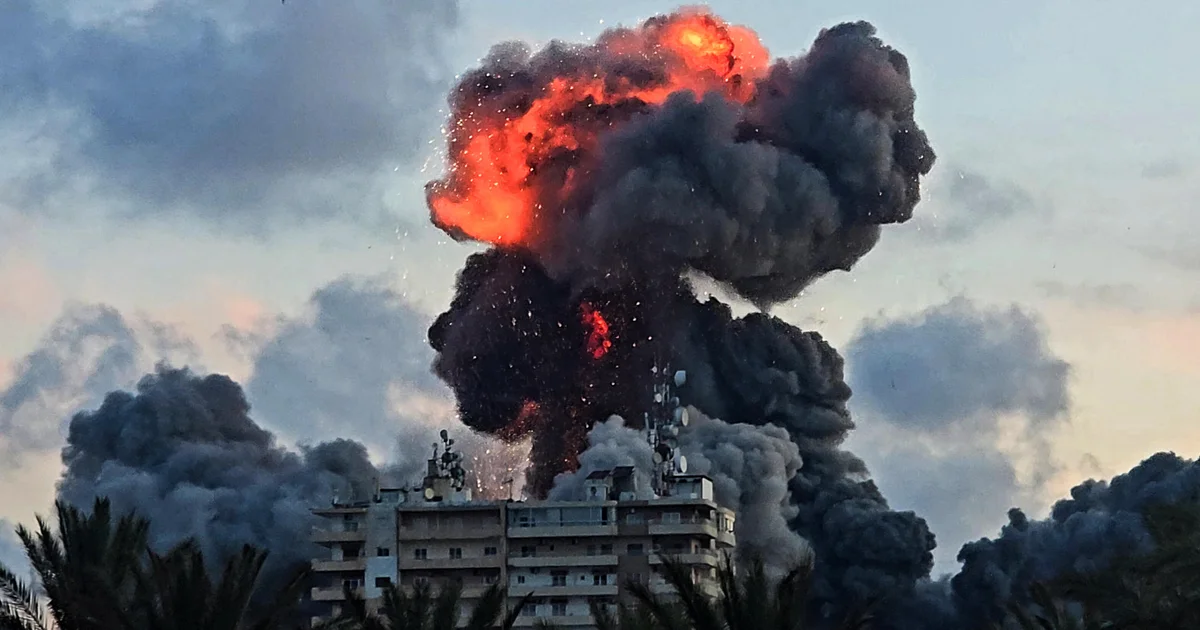
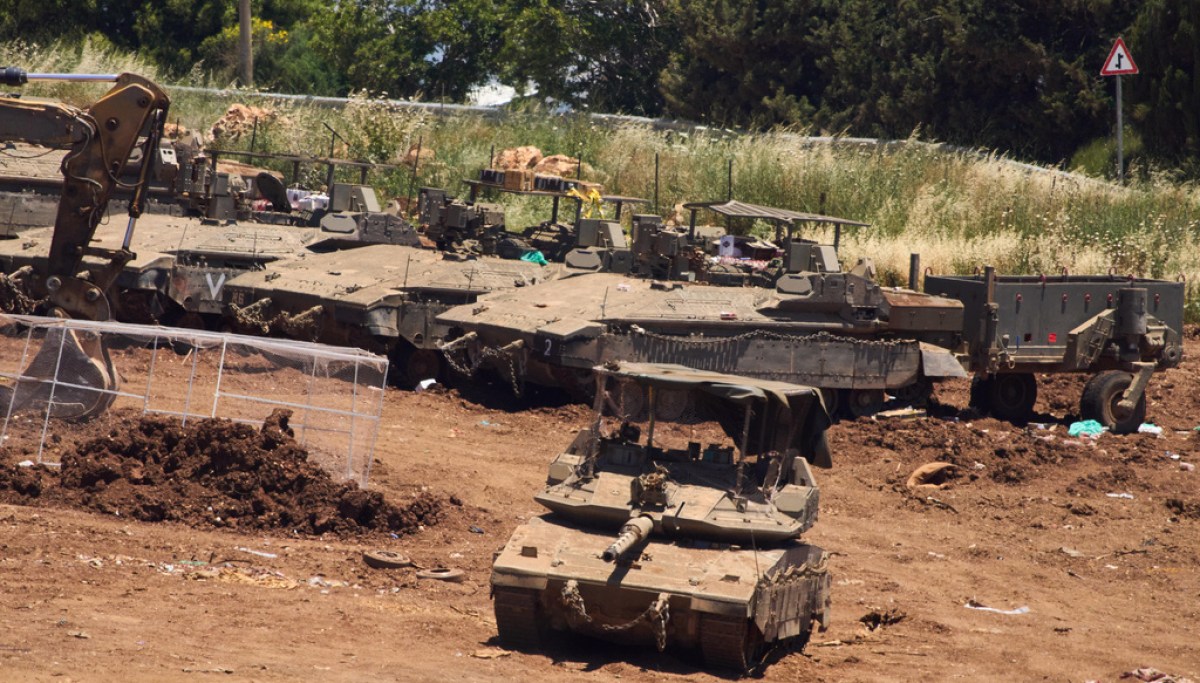
Despite the ongoing Israeli bombing and military incursion into south Lebanon, the terms require only Hezbollah to halt its attacks. The Lebanese resistance group swiftly rejected the negotiations, calling them "absurd, humiliating and insulting".
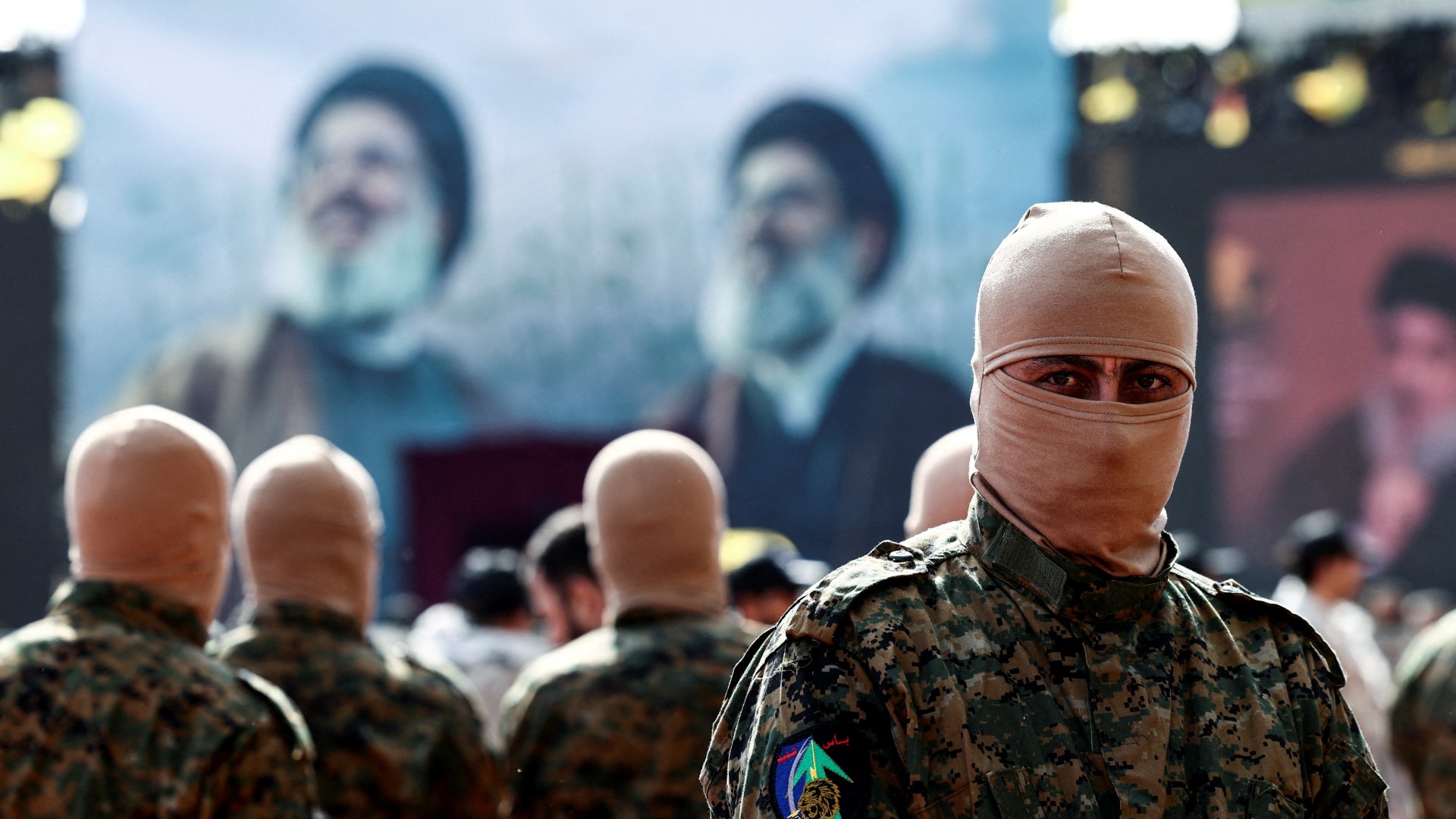
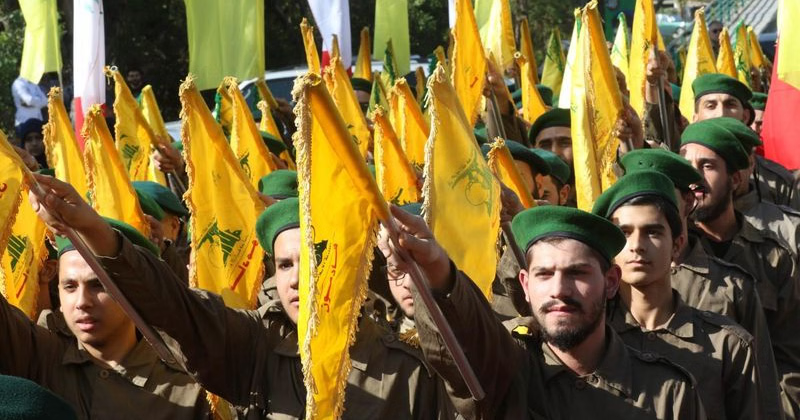
For over ten weeks, Hezbollah has fought Israel's renewed assault on the south with a leaner war of attrition, leaning on drones and small specialised units to bleed Israeli forces while keeping its own structure intact.
Nearly 70 days after Hezbollah entered the Ramadan War, the latest round of fighting that erupted in March 2026, one can cautiously yet clearly say that today's Hezbollah differs significantly from the force that fought in 2024, at least in its military organisation, battlefield readiness and operational flexibility.
That assessment rests on the course of the fighting and the performance of the movement in the current war, on a comparison with the War of Support (Harb al-Isnad) of 2023 and the 66-day war of 2024, and on direct field observation and conversations with political actors, commanders and resistance fighters within Hezbollah.