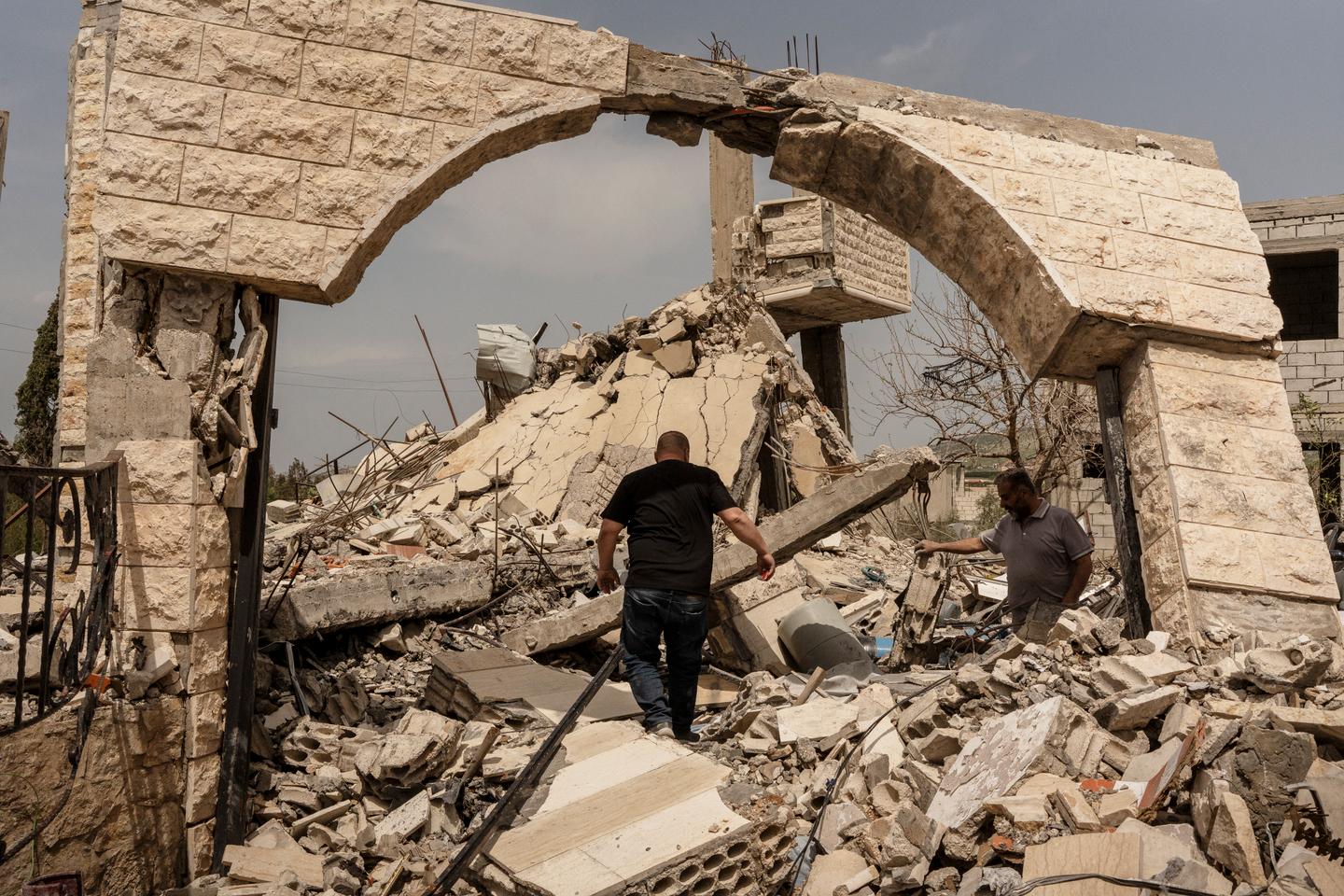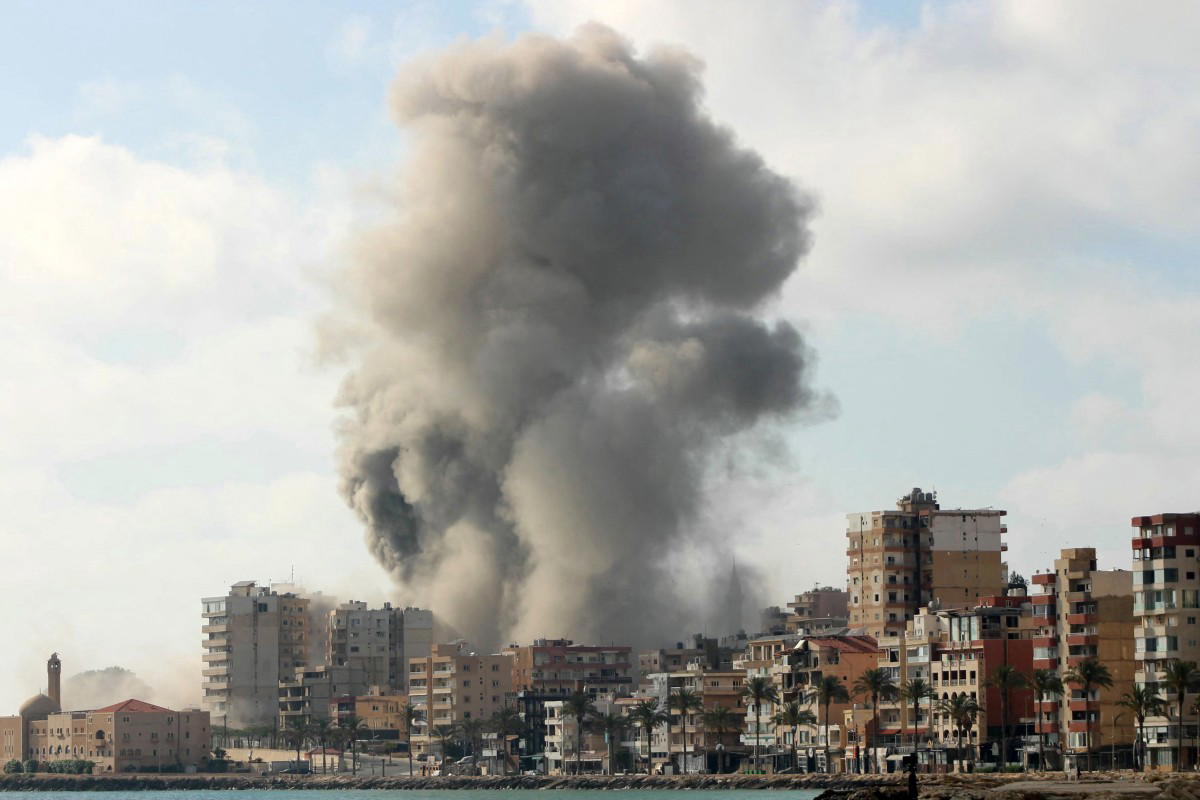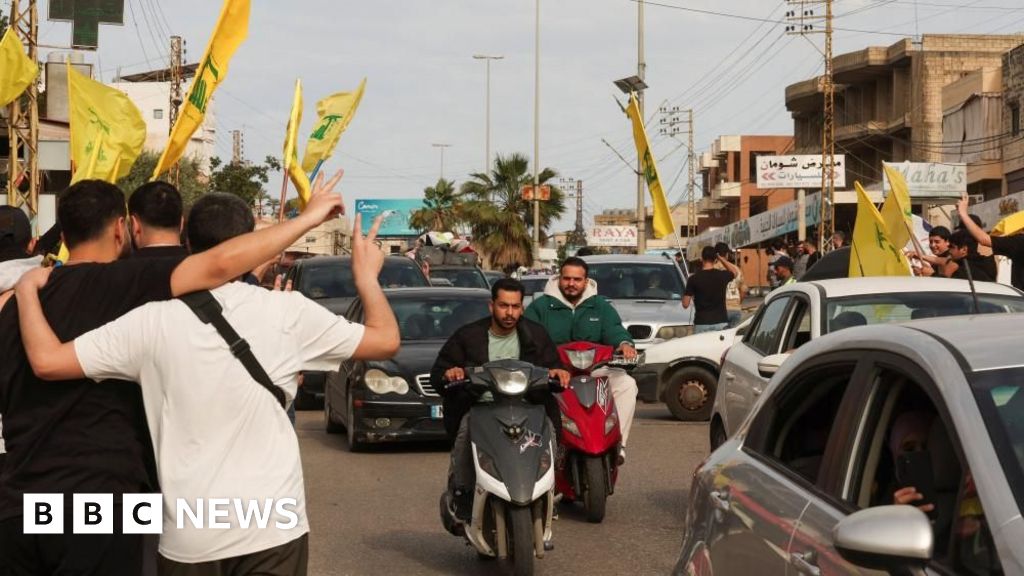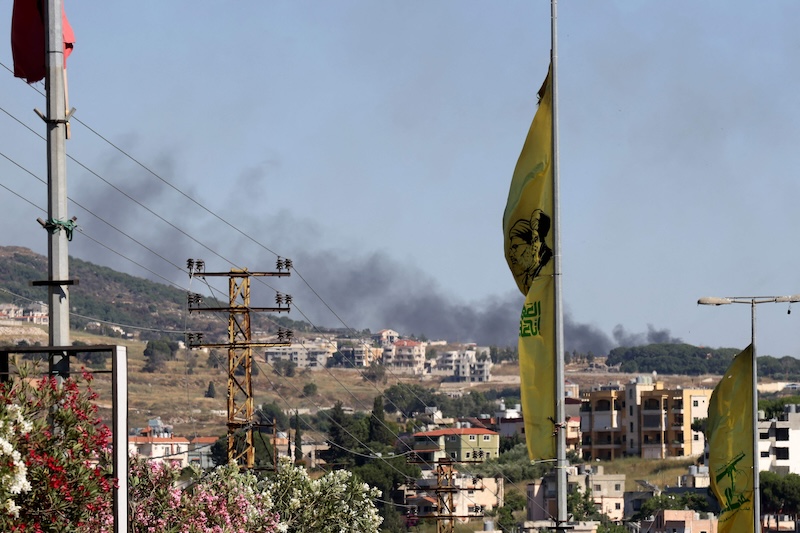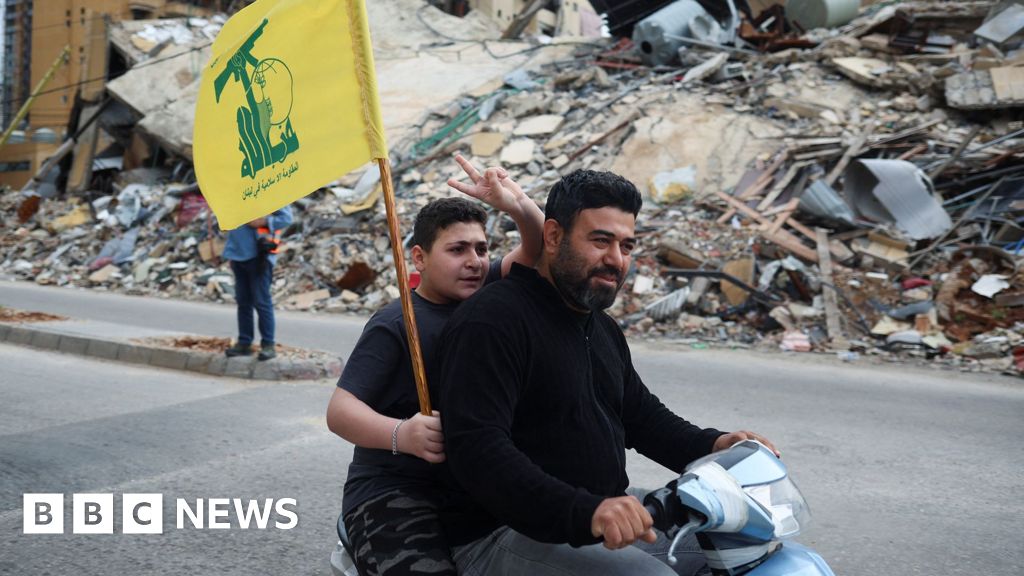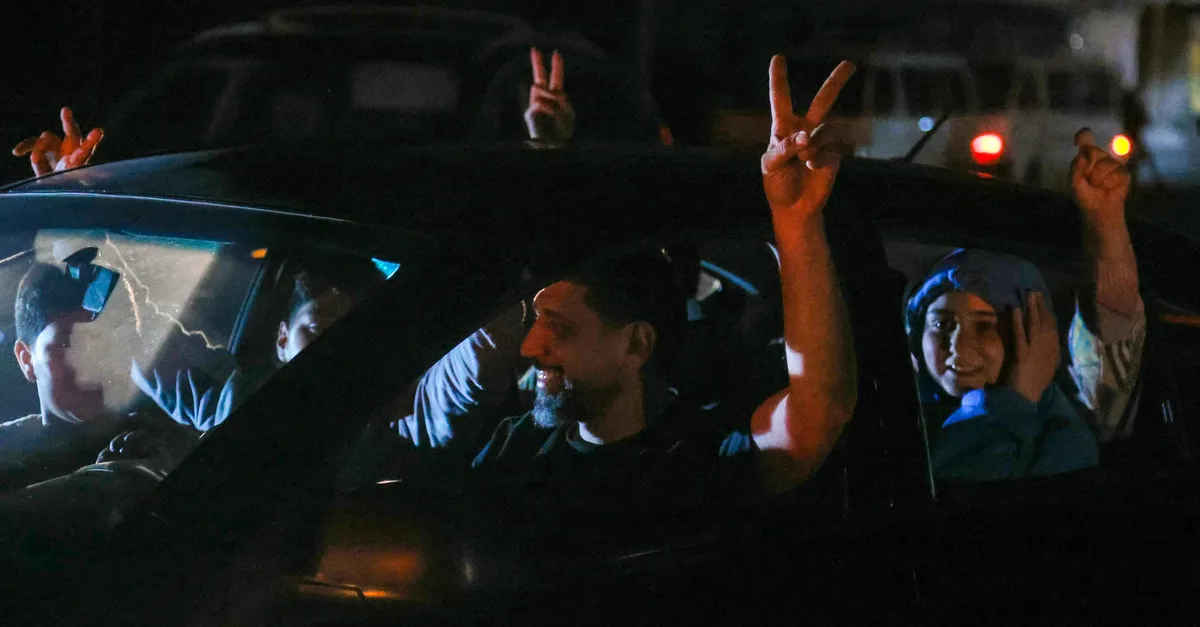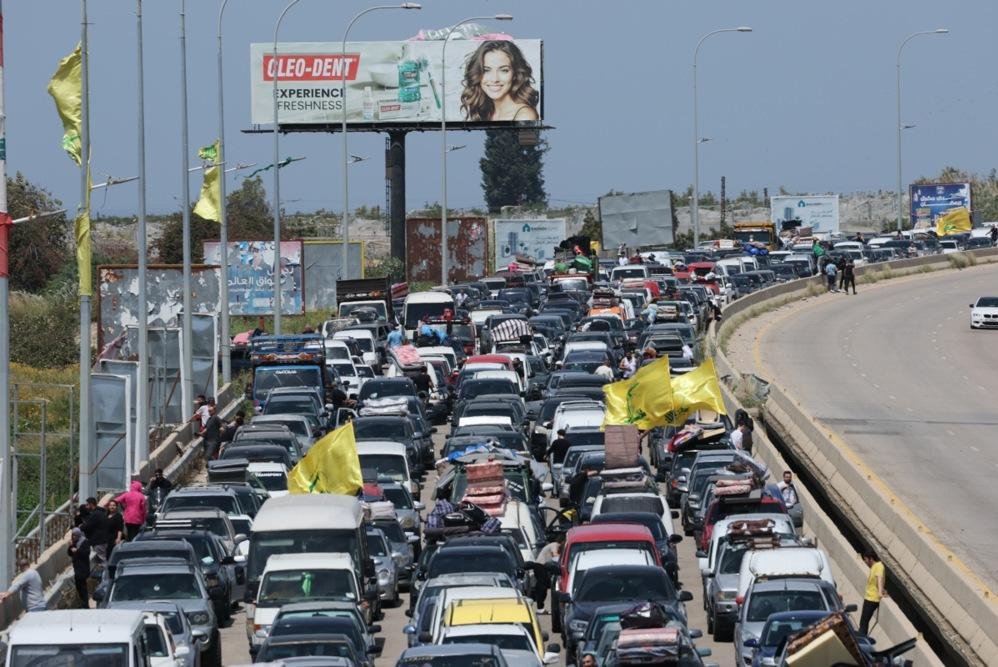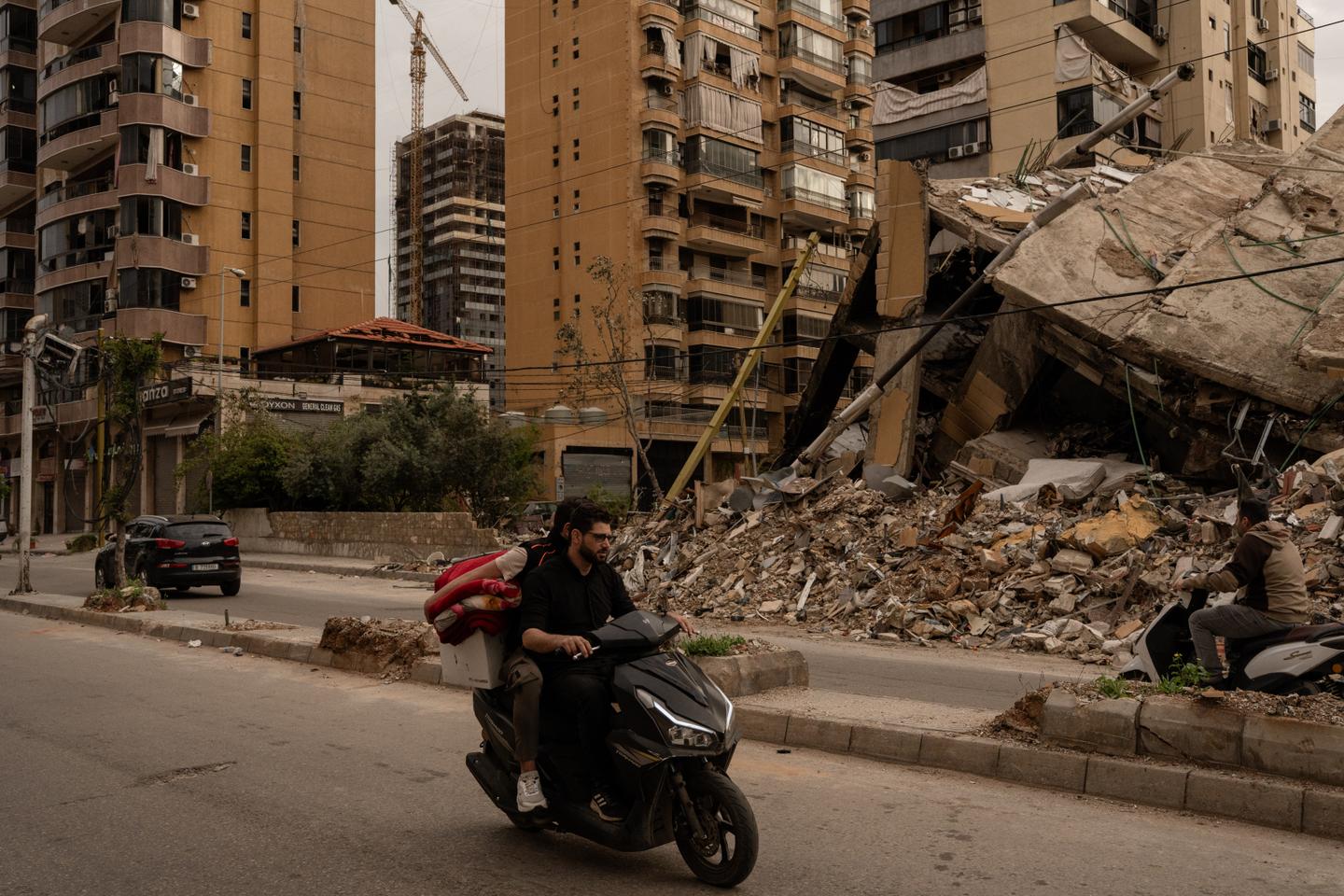
People return to Beirut's southern suburbs following the cease-fire between Israel and Hezbollah, April 17, 2026. ADRIENNE SURPRENANT/MYOP FOR LE MONDE
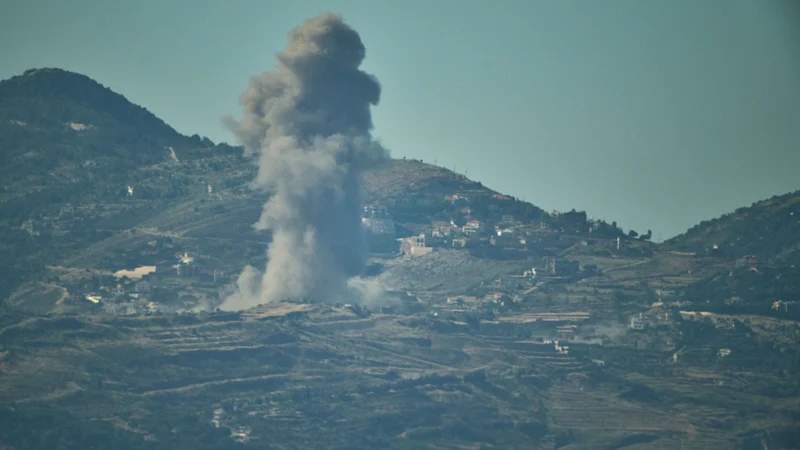
Until the final hours, Hezbollah kept firing rockets toward Israel, while the Israeli military carried out heavy bombardments in southern Lebanon. At midnight local time on Friday, April 17, a temporary ceasefire took effect between the two sides, suspending 46 days of war that killed 2,196 people in Lebanon, many of them civilians, and 15 on the Israeli side (13 soldiers and two civilians). US President Donald Trump announced earlier in the day, after phone calls with Lebanese President Joseph Aoun and Israeli Prime Minister Benjamin Netanyahu, that he had secured their agreement to a 10-day ceasefire to "achieve PEACE."
As soon as the announcement was made, and despite warnings from Lebanese authorities and Hezbollah, thousands of displaced people headed back to their towns and villages. On Friday morning, major traffic jams formed on the road from Beirut to the south of the country.
The temporary agreement is expected to lead to direct negotiations between the two countries, for the first time since the talks held on the sidelines of the Madrid Peace Conference in 1991. However, it offered no solution to the two main points of contention: Lebanon wants the Israeli army to withdraw, while Netanyahu's government wants Hezbollah to be disarmed.