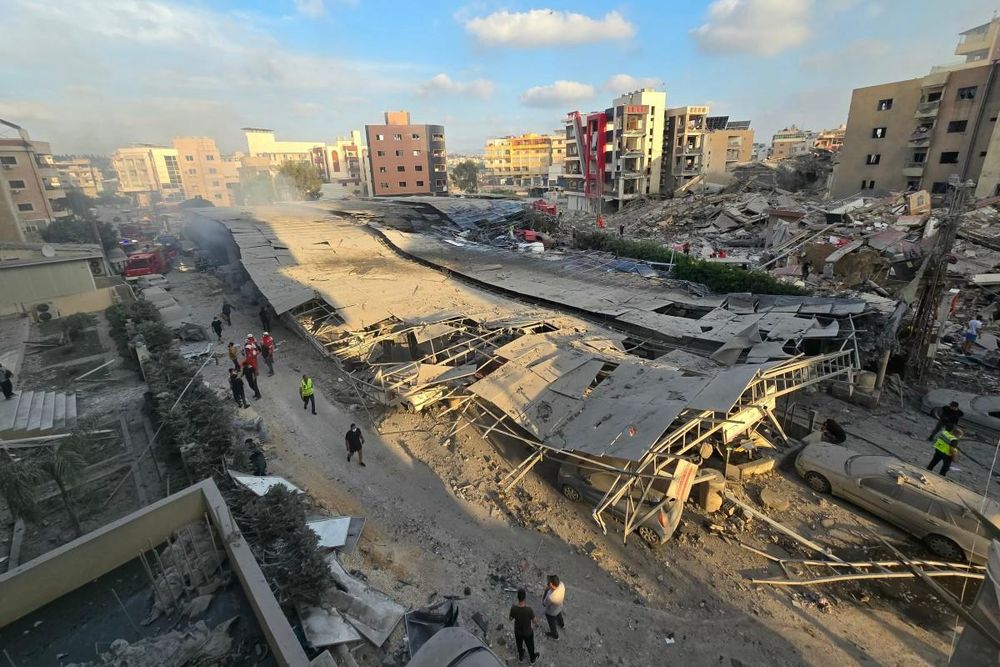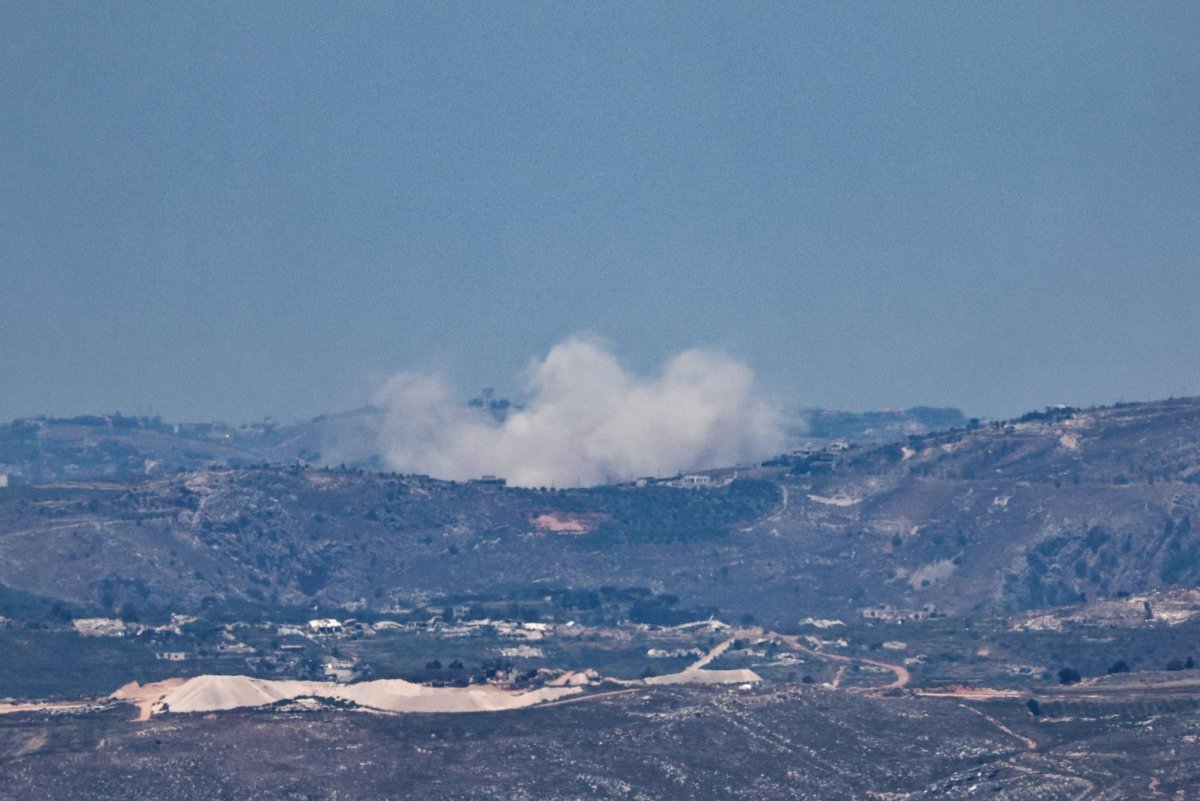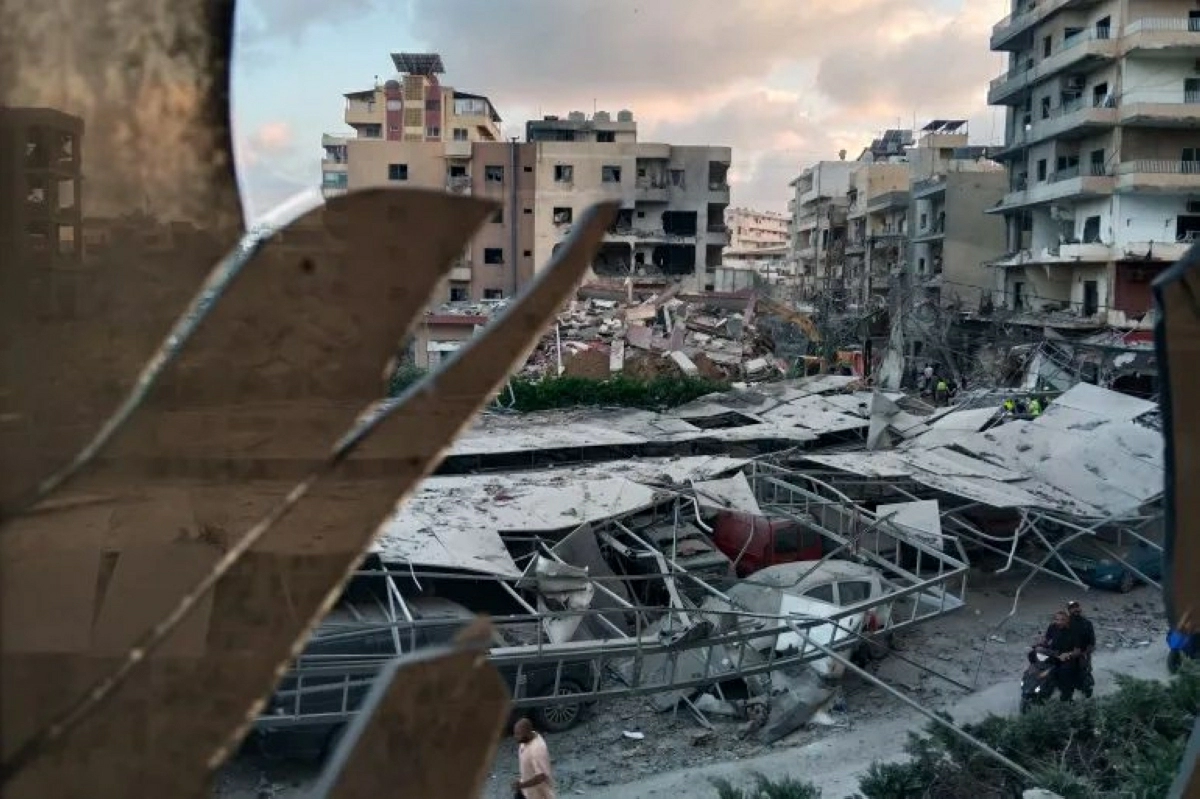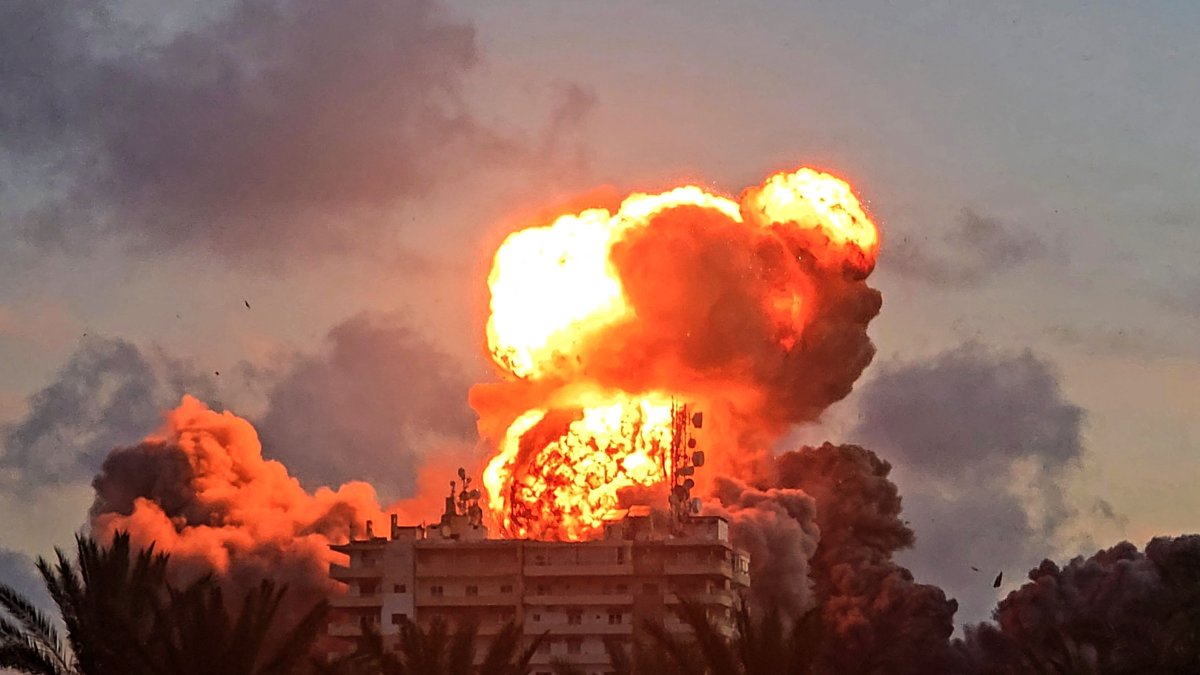
The U.S.-brokered cease-fire in Lebanon has failed to bring meaningful relief, as continued Israeli strikes and evacuation orders have driven mass displacement across large parts of the country and left civilians with little sense of safety or return.
Despite the truce announced on April 16 after weeks of fighting, violence between Israel and Hezbollah has continued almost daily, with both sides accusing the other of violating the agreement. What was meant to pause hostilities has instead coincided with an expanded Israeli military campaign that now stretches far beyond the original frontline.
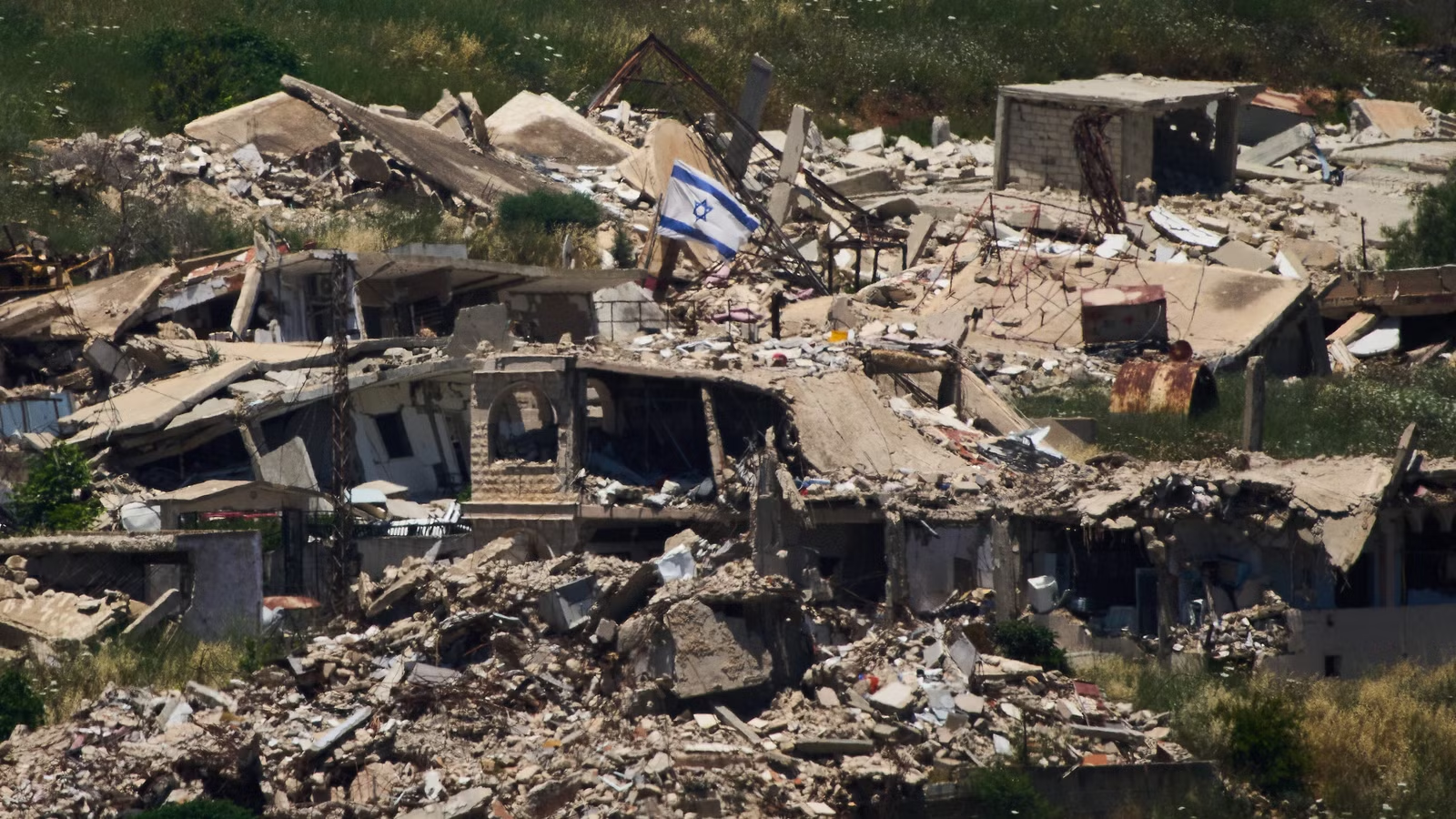
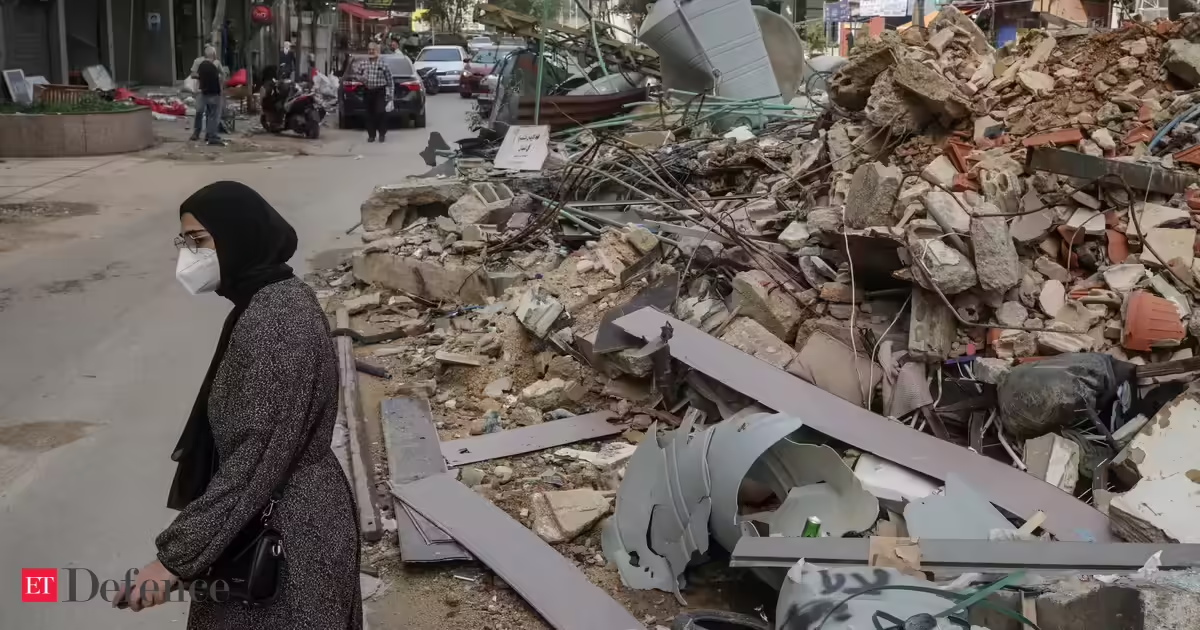
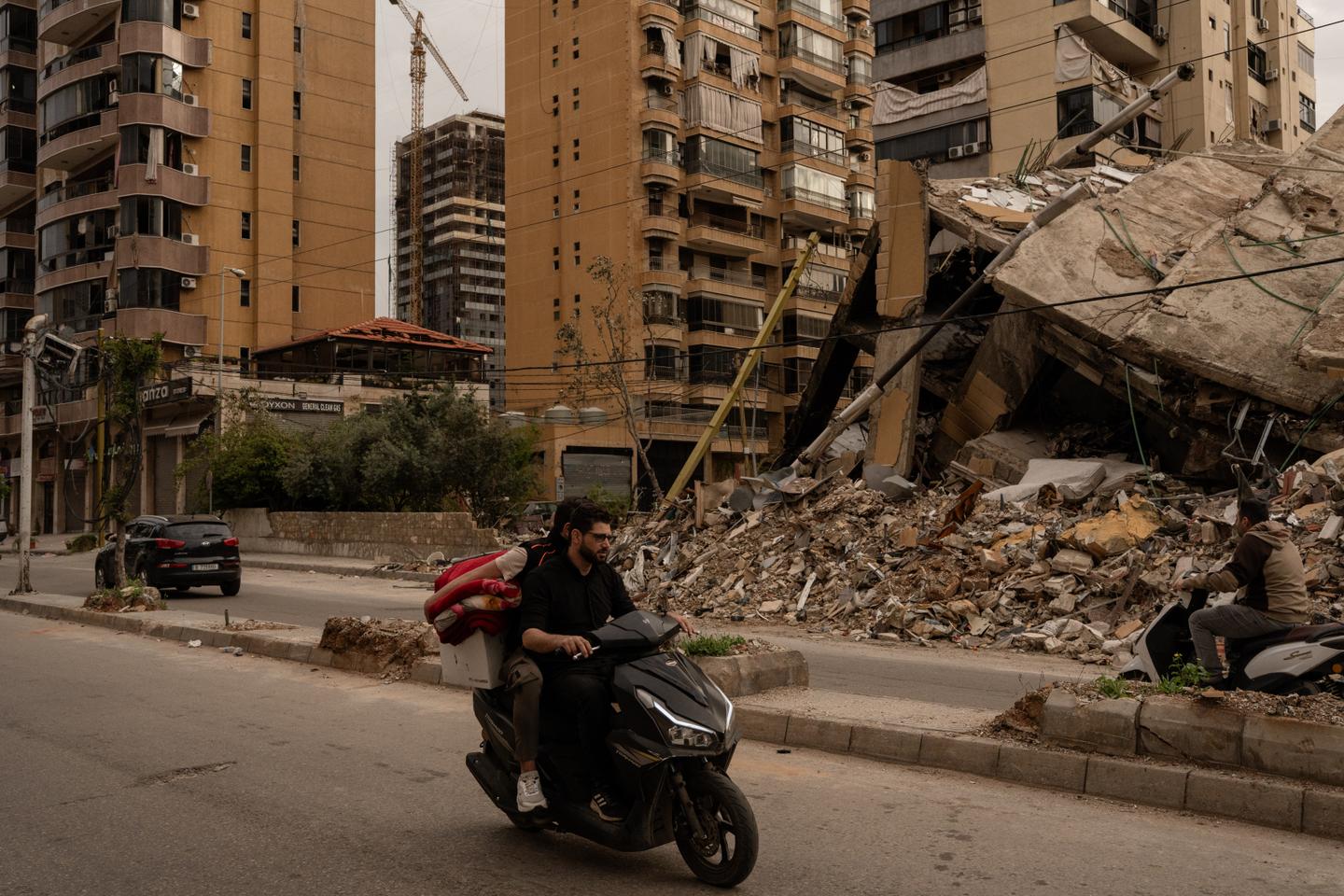
Hundreds of thousands of people in southern Lebanon have been forced from their homes.
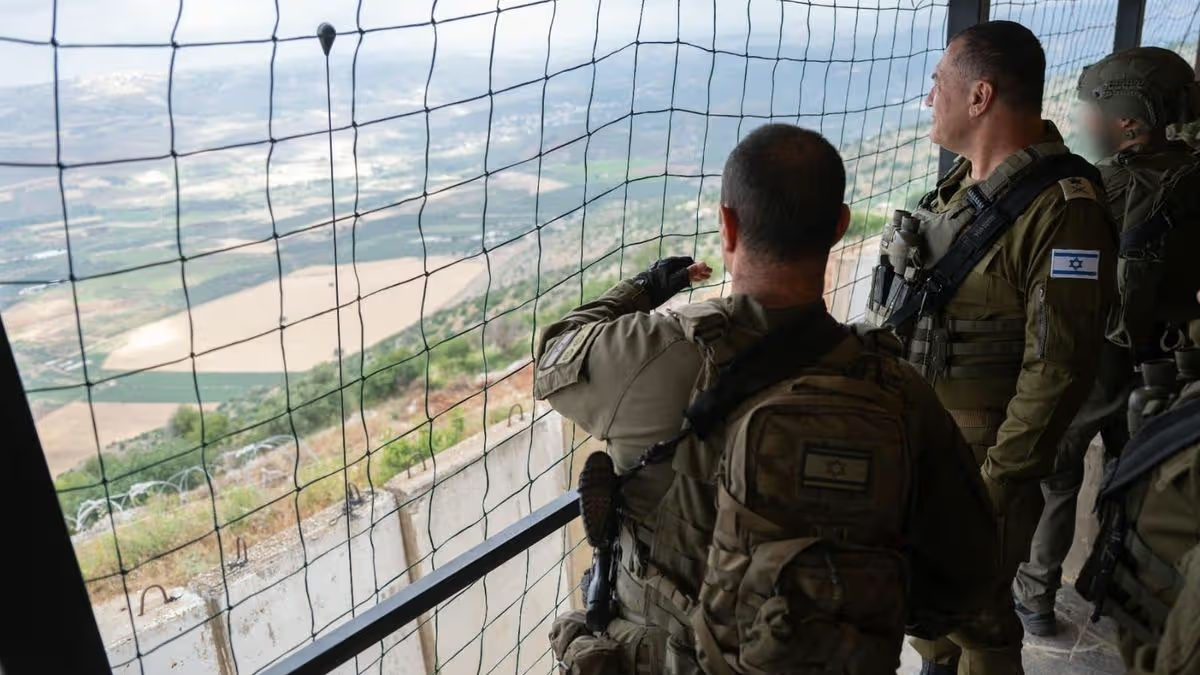
Shortly after the cease-fire was declared, Israeli forces published a map outlining a buffer zone of roughly 600 square kilometers, where ground troops remained and residents in 57 towns and villages were ordered to evacuate. Since then, the Israeli military has issued additional evacuation warnings covering more than 100 more communities and carried out hundreds of airstrikes well beyond that zone, according to a review of official statements.
Taken together, the occupied area and evacuation orders now span about 2,000 square kilometers, nearly a fifth of Lebanon. Much of it has become effectively inaccessible to civilians, according to local officials, aid workers and residents.