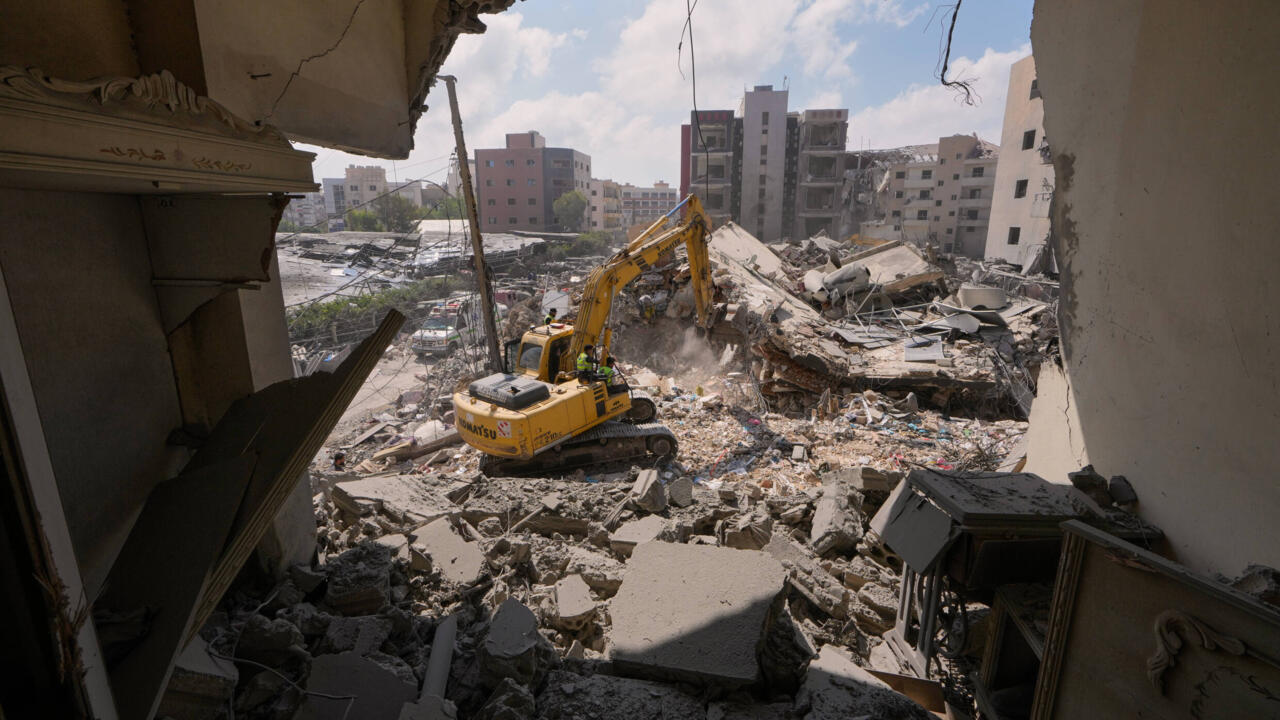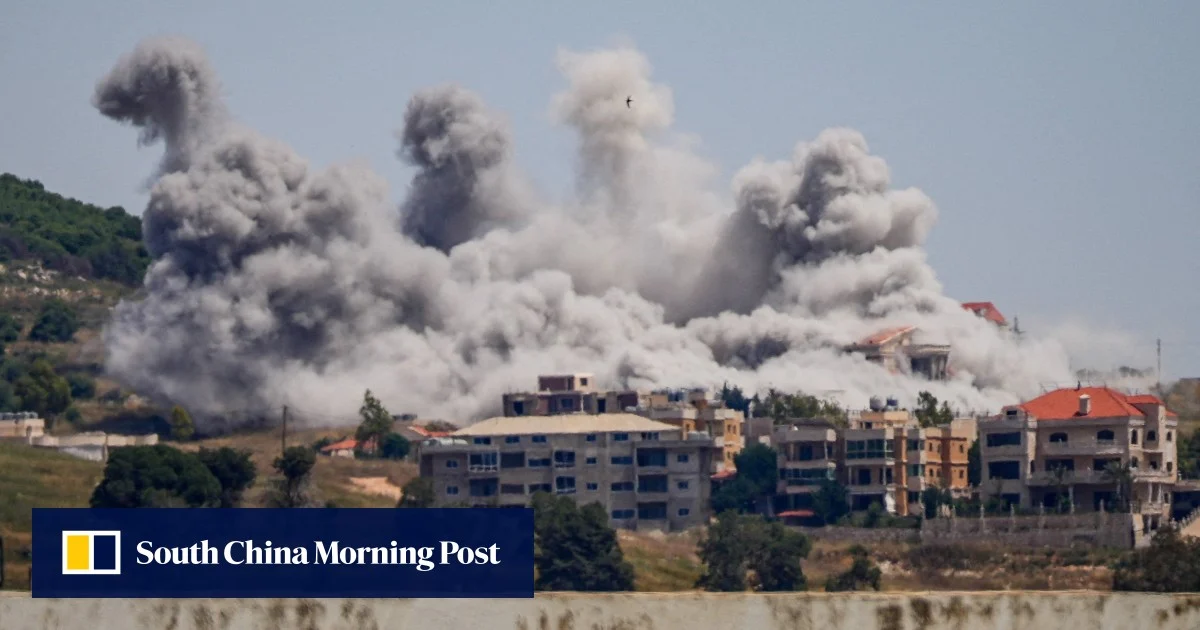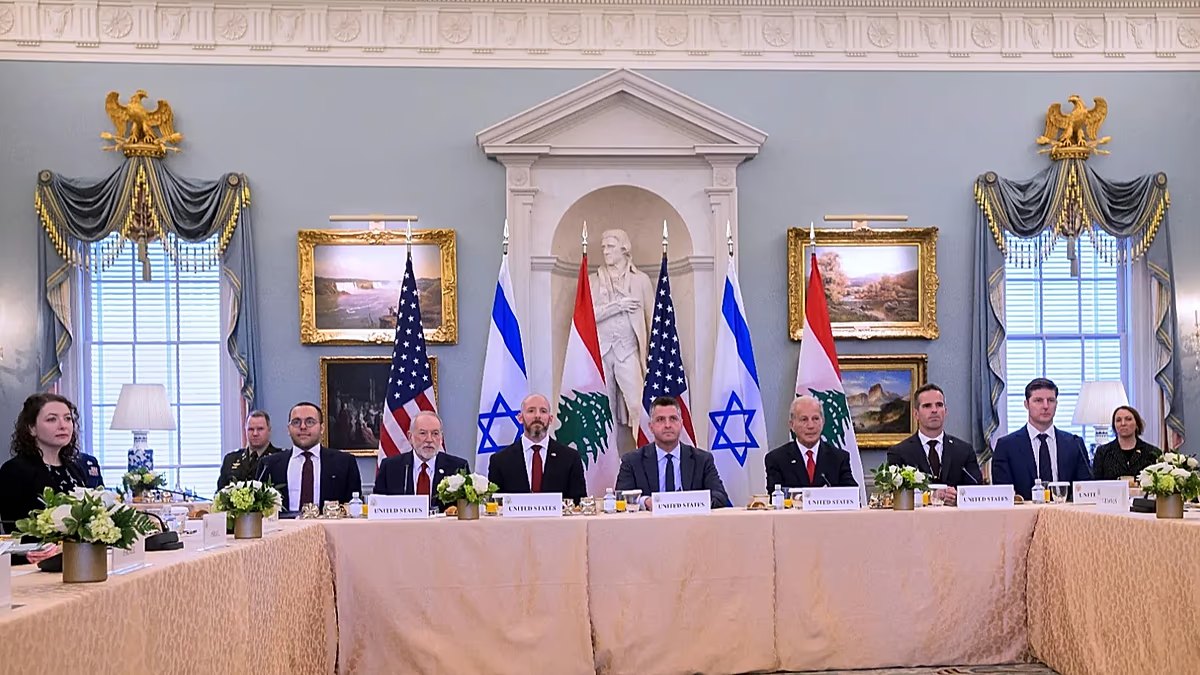
At the same time, Israel is beginning efforts to move troops out of the Debbine area in southern Lebanon and working to prop up “pilot zones” where the Lebanese military is expected to take operational control. It is unclear what exactly either government is envisioning, but experts say the main purpose is likely to bolster state-to-state solidarity and ice Hezbollah out of the conversation entirely.The ceasefire, mediated by the United States, is contradictory in nature. It is ostensibly aimed at a permanent peace but allows for Israeli military operations in southern Lebanon to continue. It is “contingent on a complete cessation of Hezbollah fire and the evacuation of all Hezbollah operatives” from south of the Litani River, but excluded Hezbollah from the negotiations — though the terrorist group has since made clear it would not have been interested anyway.
“As long as the occupation exists, the resistance will continue,” Hezbollah leader Naim Qassem warned following the announcement. His group has rejected the ceasefire entirely, calling it “a road map for the annihilation of a section of the Lebanese people and the enslavement of the rest.”
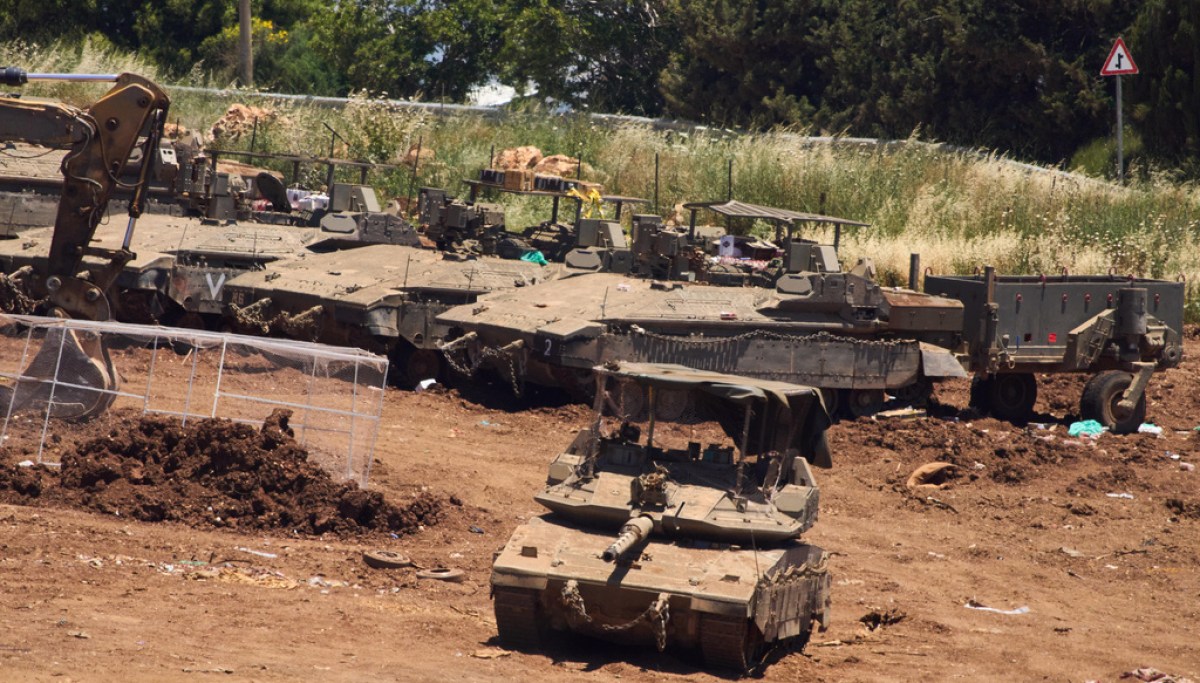
Israeli troops gather on the border with Lebanon in northern Israel on Thursday, June 4, 2026. (AP Photo/Ariel Schalit)