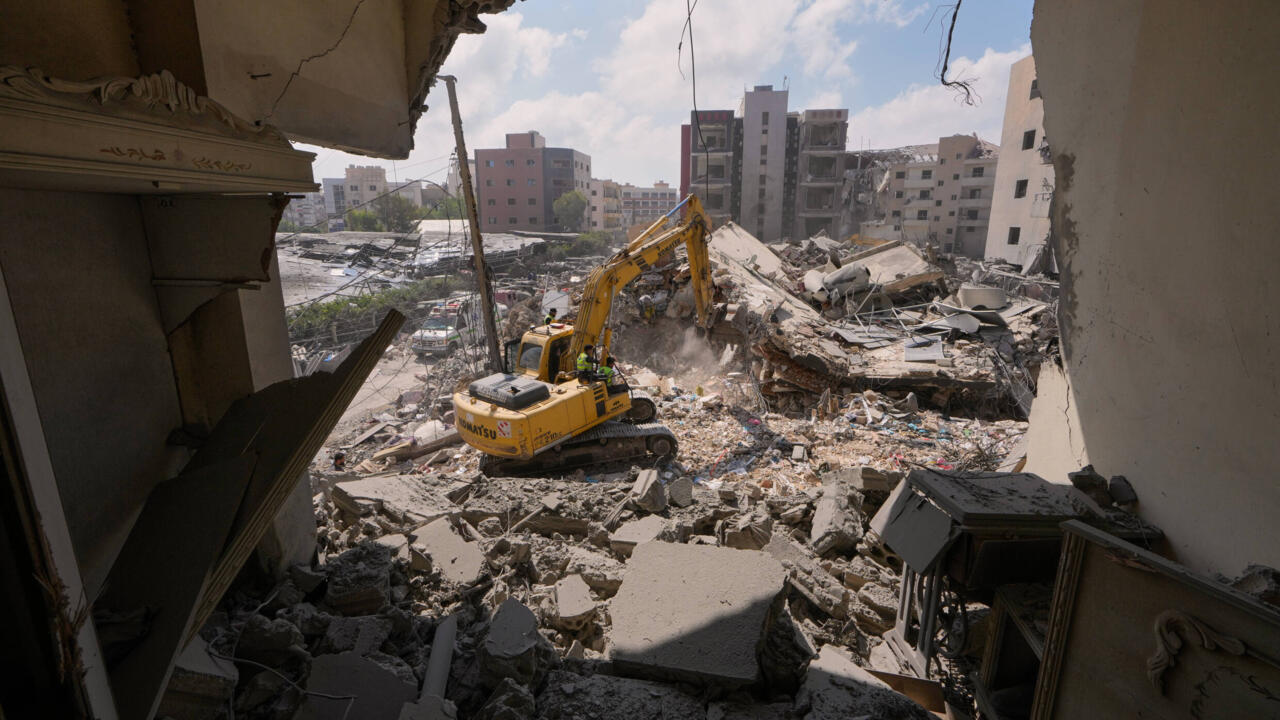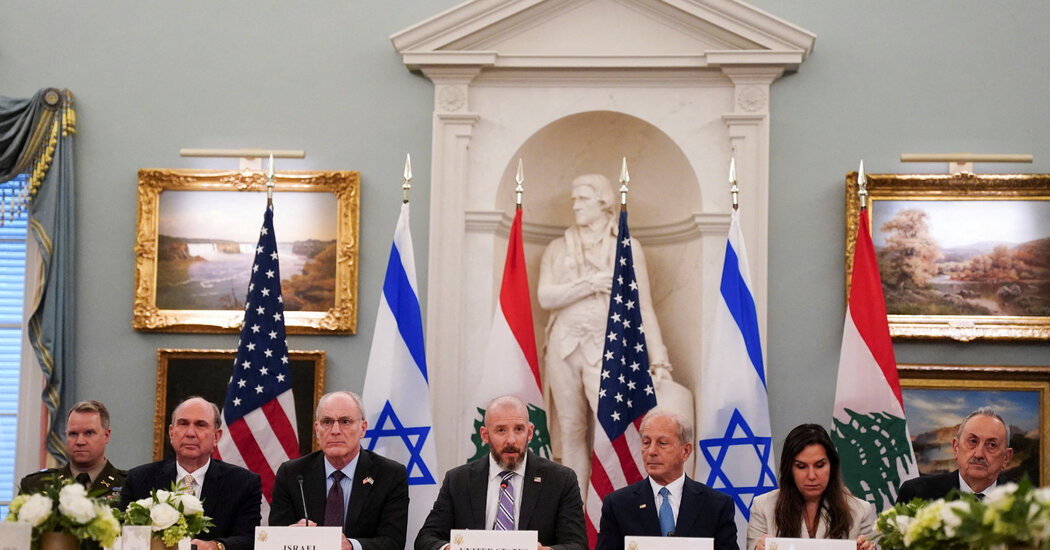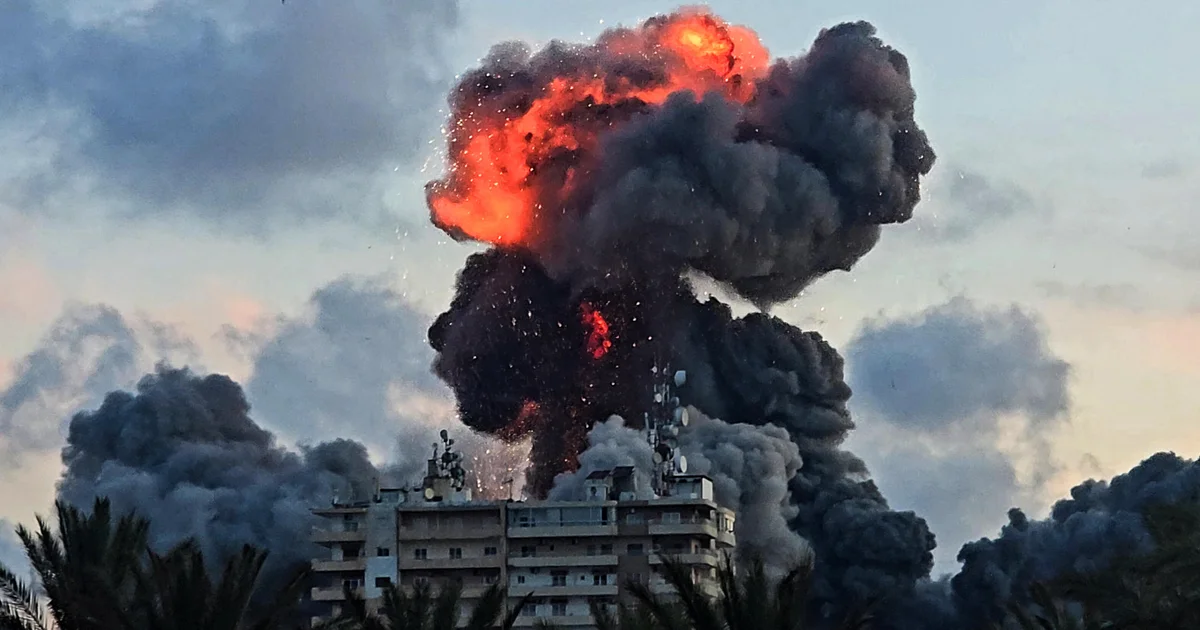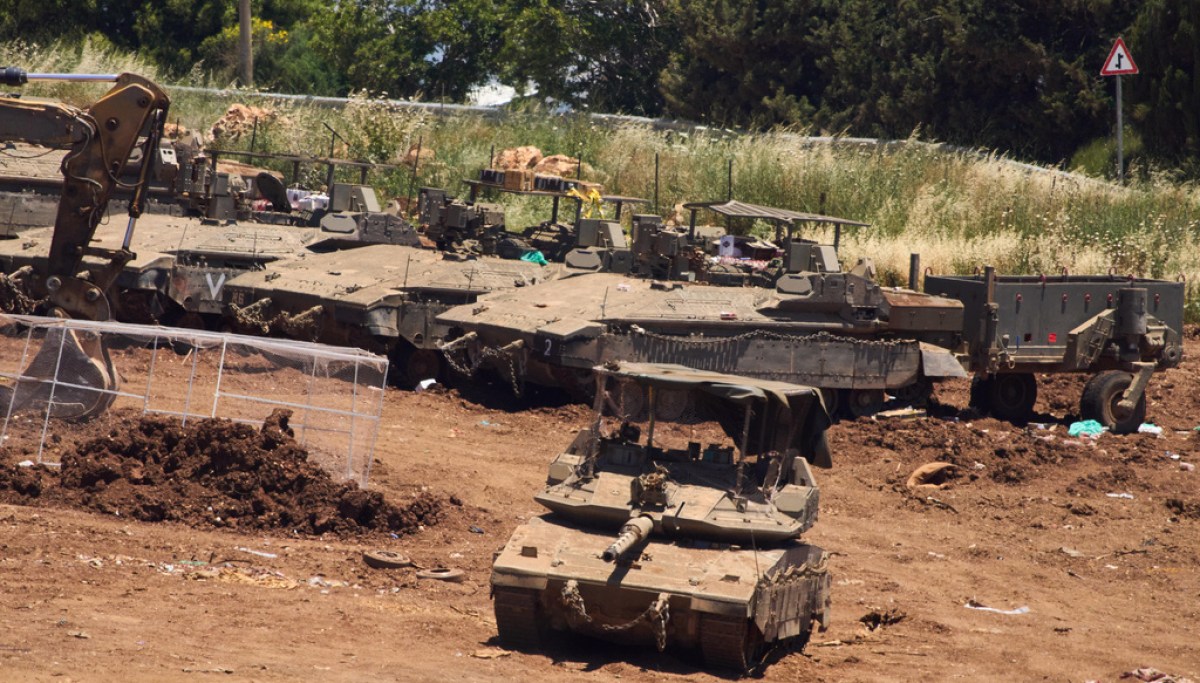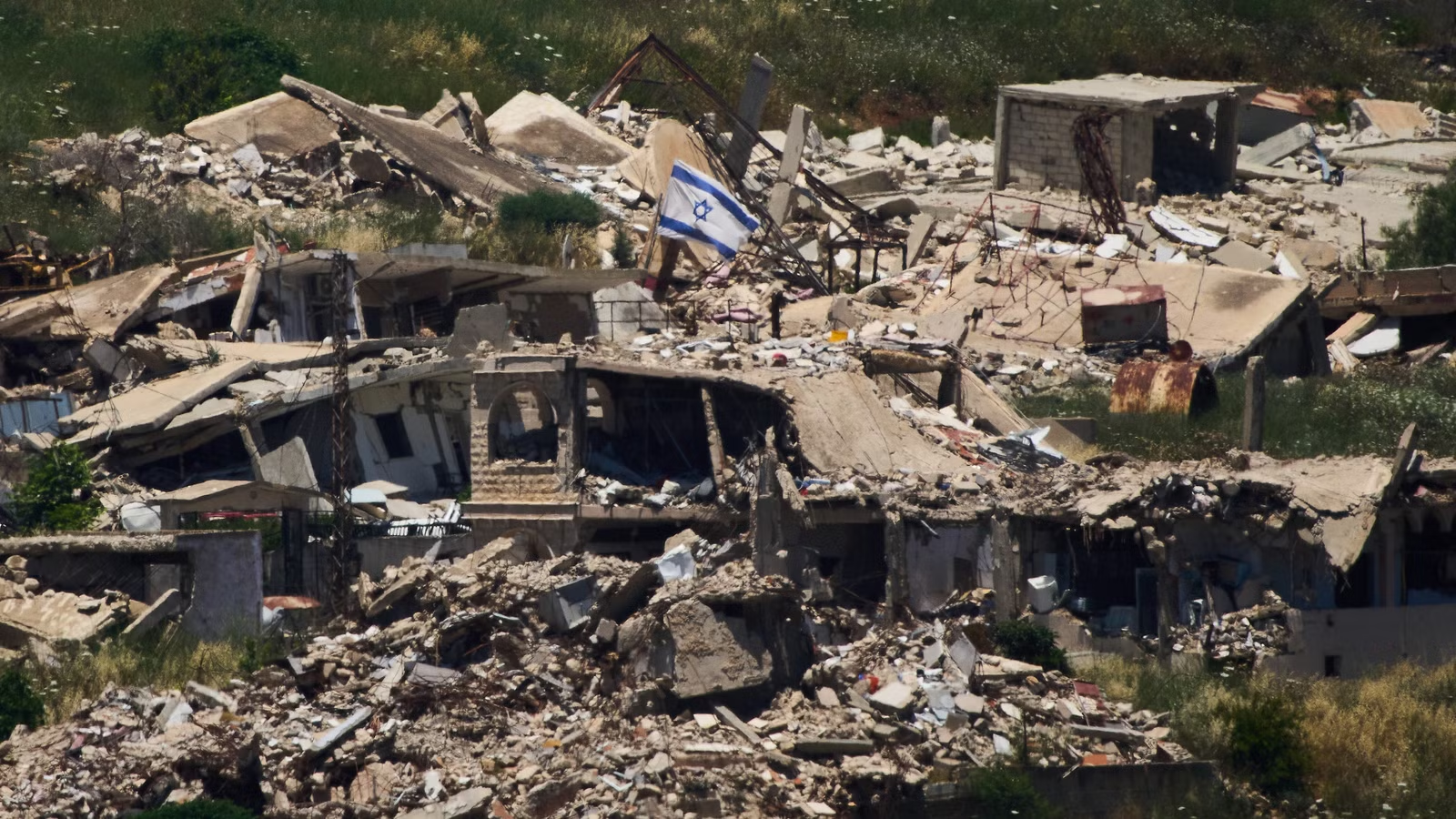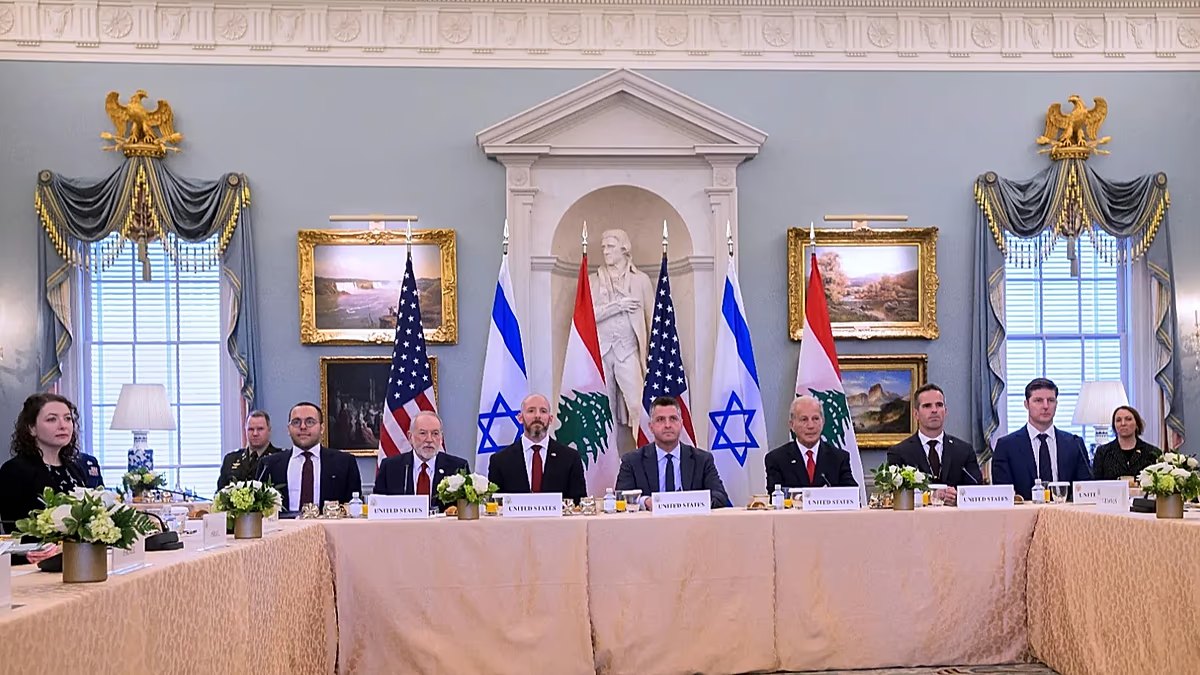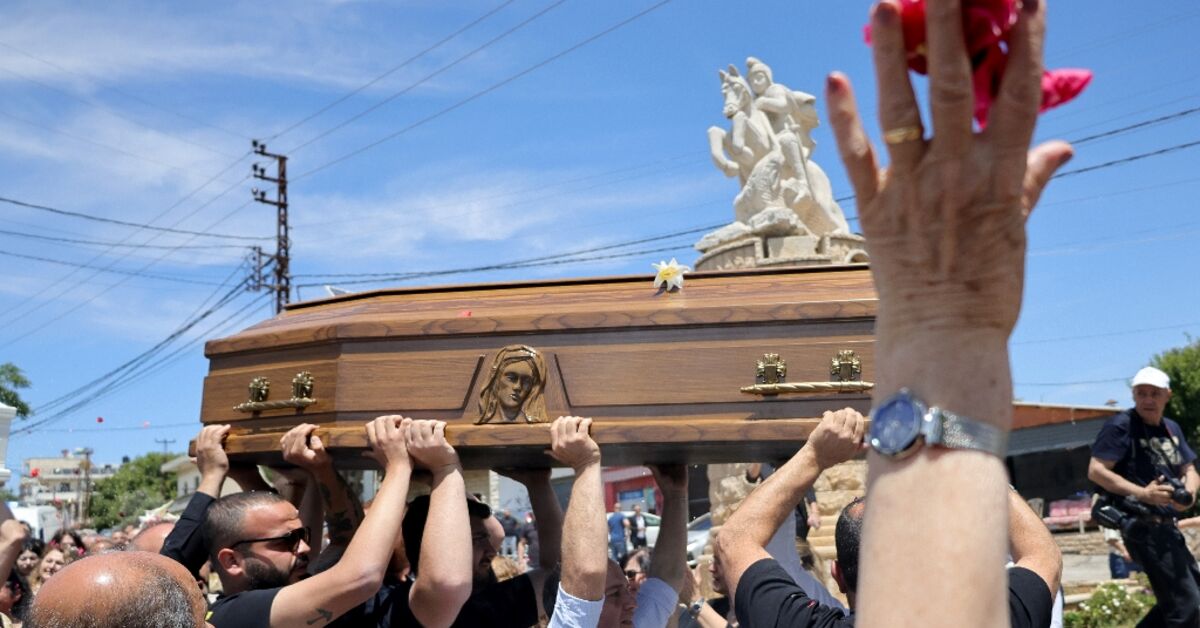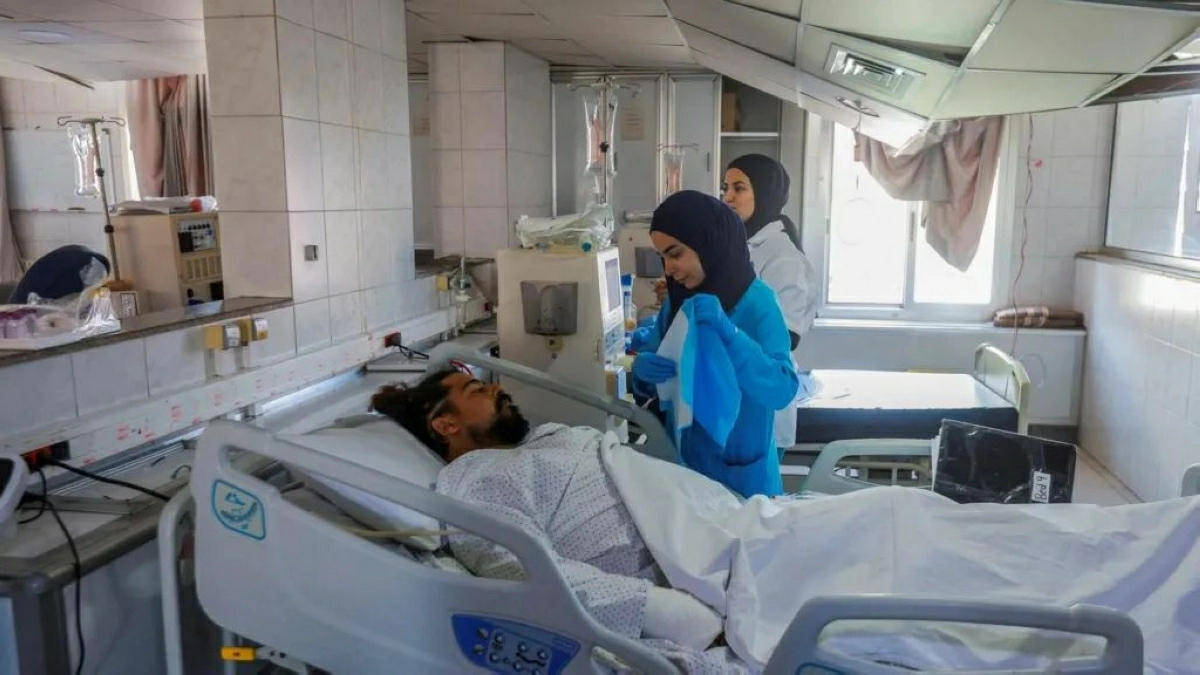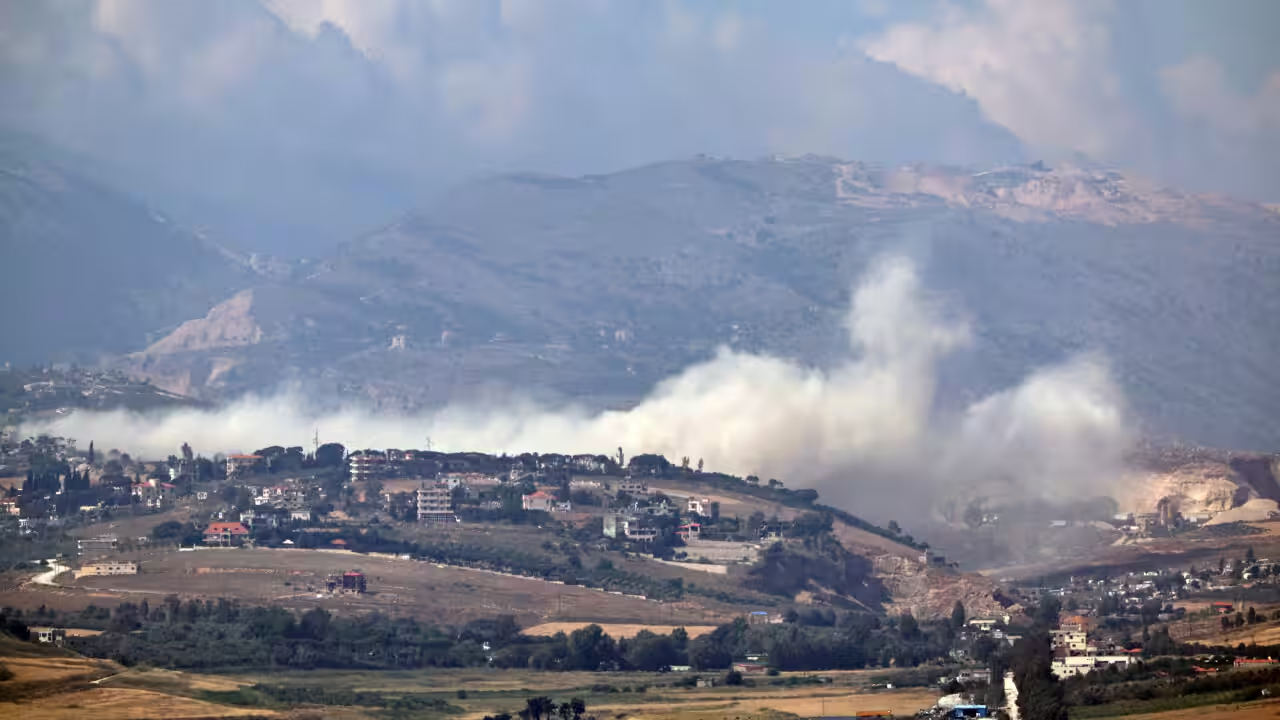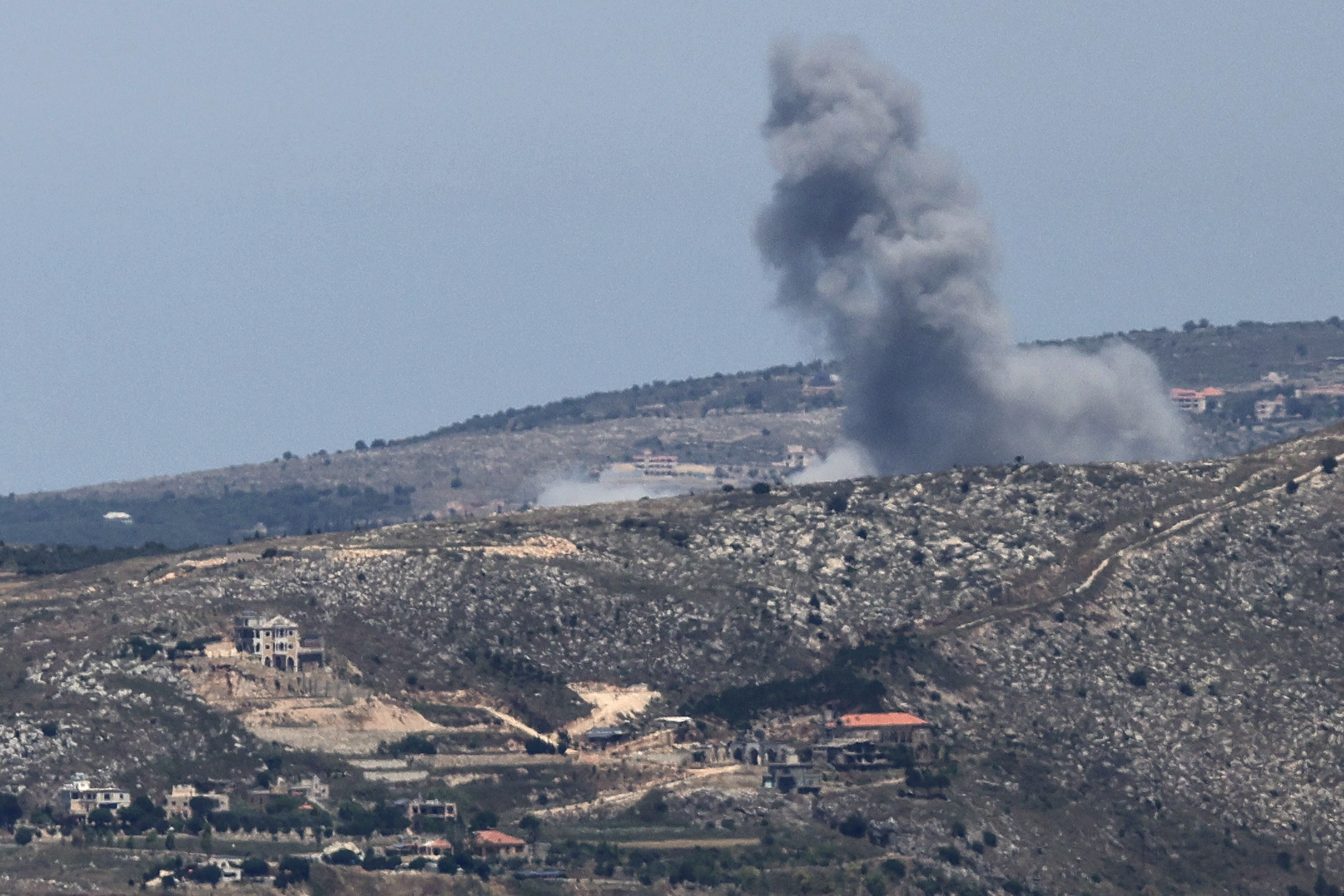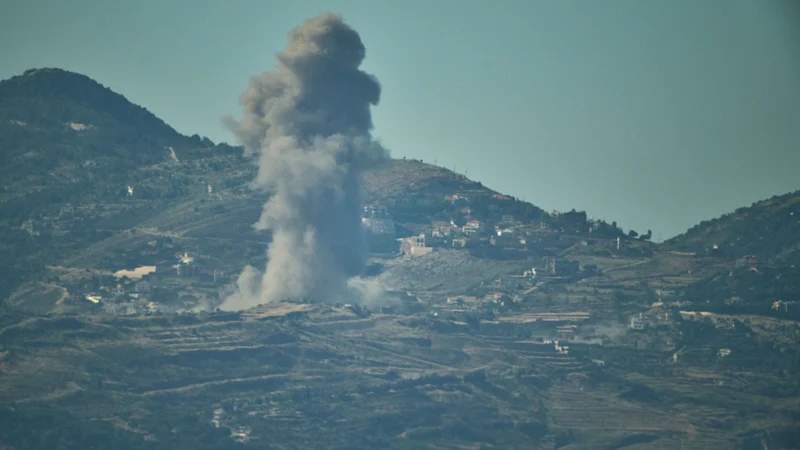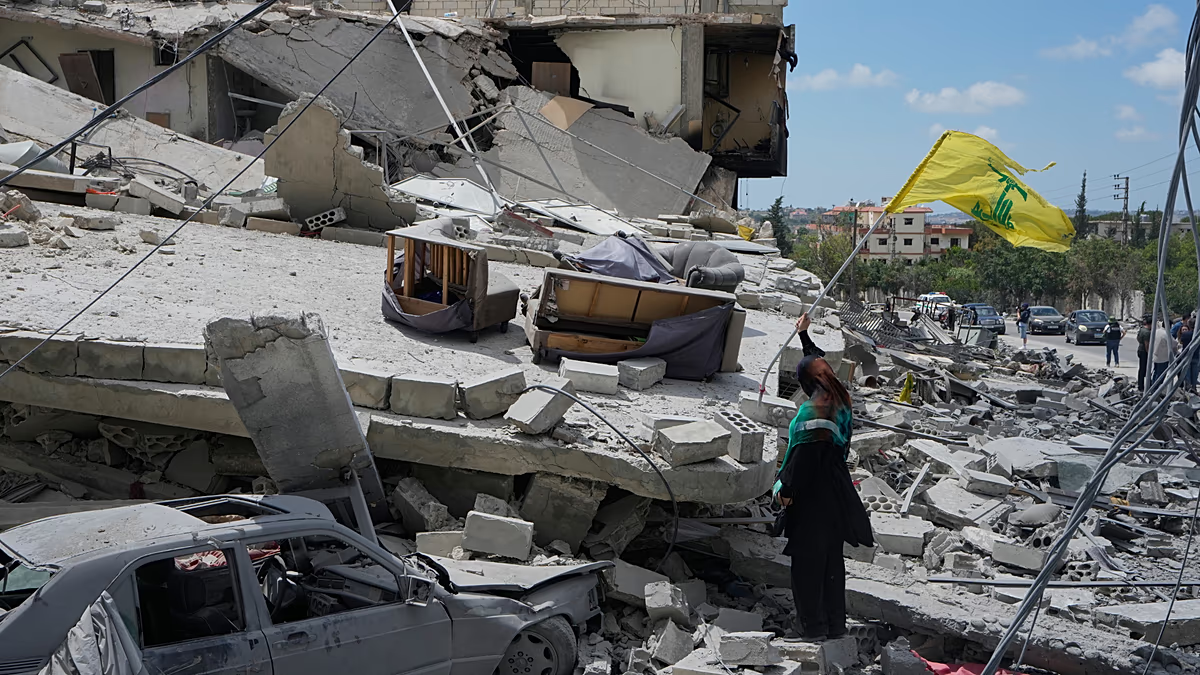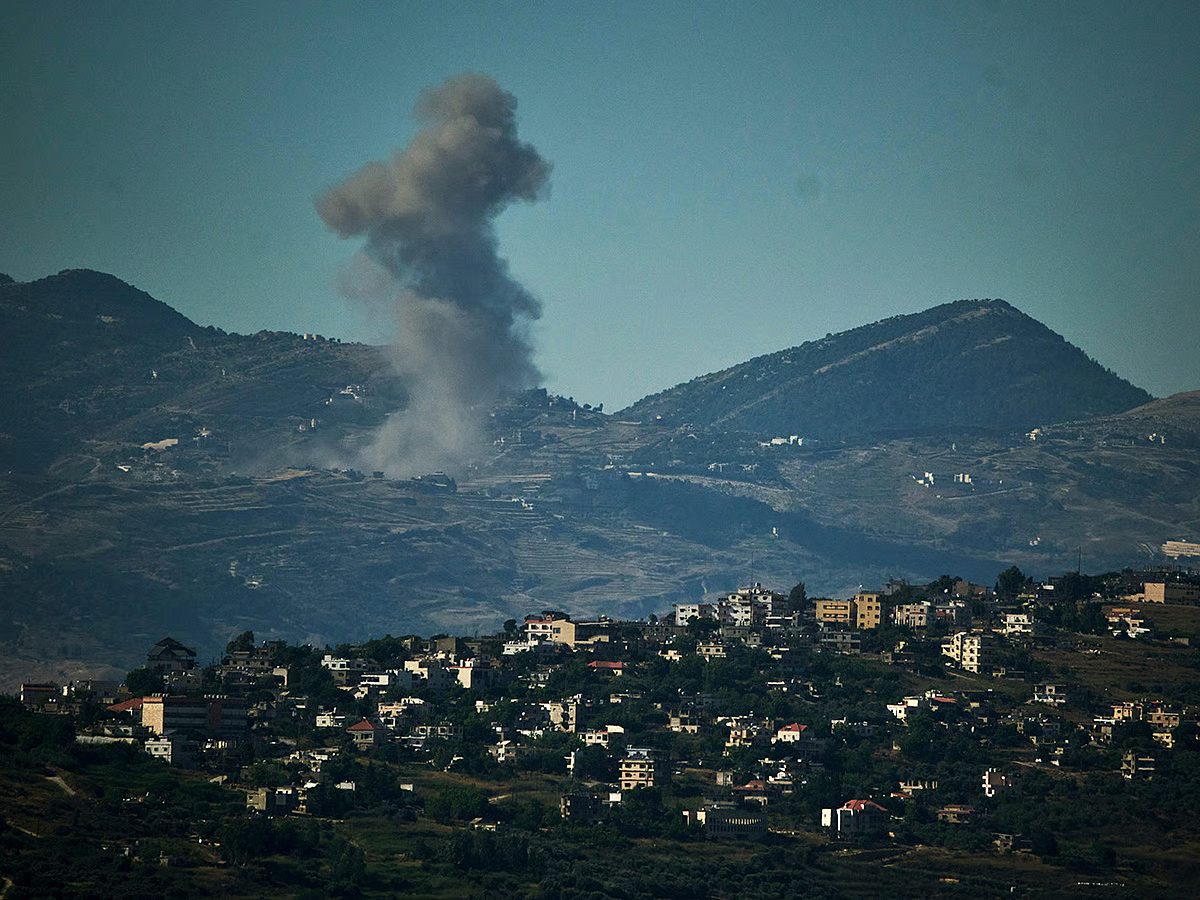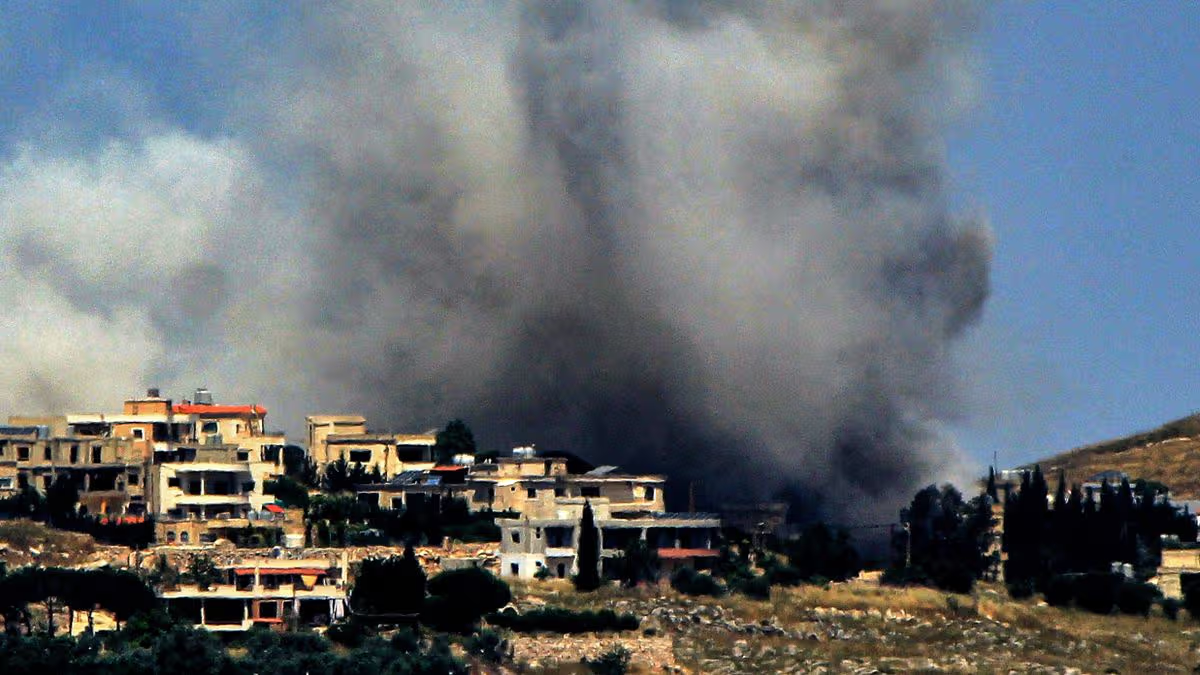
The fragile Israel-Lebanon ceasefire has renewed, as the far-right warns it will resume attack orders on Beirut if missiles hit the north of Israel, and further chaos on ongoing Iran war talks12:30, 04 Jun 2026Israel and Lebanon renewed a shaky ceasefire, banning Hezbollah operatives from selected security zones - but relying upon no more militant missile firings.The new agreement relies heavily on “a complete cessation” of attacks by Iran’s proxy group in Lebanon under the threat of fresh assaults by Israel on the capital Beirut. Otherwise, according to Israeli defence minister Israel Katz, attacks on Hezbollah will continue, possibly even on the militant group in south Beirut.He said: “We promised security to the residents of the north, and we delivered. The declaration includes an unequivocal statement on the disarmament of Hezbollah, the removal of Hezbollah terrorists from the area south of the Litani River, the continued presence of the IDF in the security area, and freedom of action for Israel.”Far-right Israeli National Security Minister Itamar Ben-Gvir branded the agreement a "serious mistake", claiming it would allow Hezbollah to "grow stronger"." The agreement was settled upon and announced by the US State Department, desperate to soothe tensions in Lebanon to placate Tehran’s demands on an Iran war settlement.Tehran has insisted repeatedly that any peace agreement involving an end to hostilities with the US and the re-opening of the Strait of Hormuz must include Lebanon. It came after Israeli strikes killed at least nine people in southern Lebanon and another barrage of Hezbollah rockets slammed into Northern Israel.Local media also claimed Israeli air-strikes have continued in the south of Lebanon well into today, one strike thought to have caused casualties. The Israel-Lebanon settlement depends on the “evacuation of all operatives” from the area between Israel’s border and the Litani River, 20 miles north.This effectively bans Hezbollah gunmen and missile teams from a wide-scale buffer-zone across the Israeli border into Lebanon to stop militant missiles. It is hoped any fired from north of the Litani would be far enough away to give enough warning to Israel’s air defences.A statement on the new agreement said the US would help create areas which the Lebanese Armed Forces would take military control and exclude Hezbollah. It said the US would help create "pilot zones in which the Lebanese Armed Forces will take exclusive control of the territory to the exclusion of all non-state actors.”Shia militia Hezbollah is also a political party which has a military stronger than Lebanon’s army but which is designated a terror group by Israel, the US and UK. The agreement also acknowledges that negotiators from Lebanon and Israel will meet again on 22 June to hold further talks.Lebanon entered the Iran war between the US, Israel and Iran on March 2, when Hezbollah launched rockets into Israel. This was in retaliation for an Israeli strike that killed Iran's supreme leader the late Ayatollah Ali Khamemeni.Israel has in recent weeks intensified attacks on Hezbollah as a truce settlement appeared to be looming between the US and Iran. It is thought 3,516 people have been killed in Lebanon since the start of the war, according to Beirut’s health ministry.According to the UN says more than one million people have also registered themselves as displaced in Lebanon. And as many as 26 Israeli soldiers and four Israeli civilians have been killed on both sides of the border during the war.At least nine Palestinians were killed overnight in strikes in Gaza. They died in at least four separate strikes in Gaza City, according to Shifa Hospital.The fatalities were the latest in the coastal enclave since an October ceasefire deal attempted to halt a more than two-year war between Israel and the Palestinian militant Hamas group in Gaza. Israeli forces have carried out repeated airstrikes and frequently fire on Palestinians near military-held zones, killing more than 936 since the ceasefire.Article continues belowMilitants have carried out shooting attacks on troops, and Israel says its strikes are in response to violations of the truce or threats to its troops. Four Israeli soldiers have been killed in Gaza since the ceasefire. Israel launched its offensive in Gaza in response to Hamas' October 2023 attack that killed some 1,200 people and took 251 others hostage.
Israel and Lebanon's shaky ceasefire continues - but the fighting persists
The fragile Israel-Lebanon ceasefire has renewed, as the far-right warns it will resume attack orders on Beirut if missiles hit the north of Israel, and further chaos on ongoing Iran war talks
704 words~3 min read