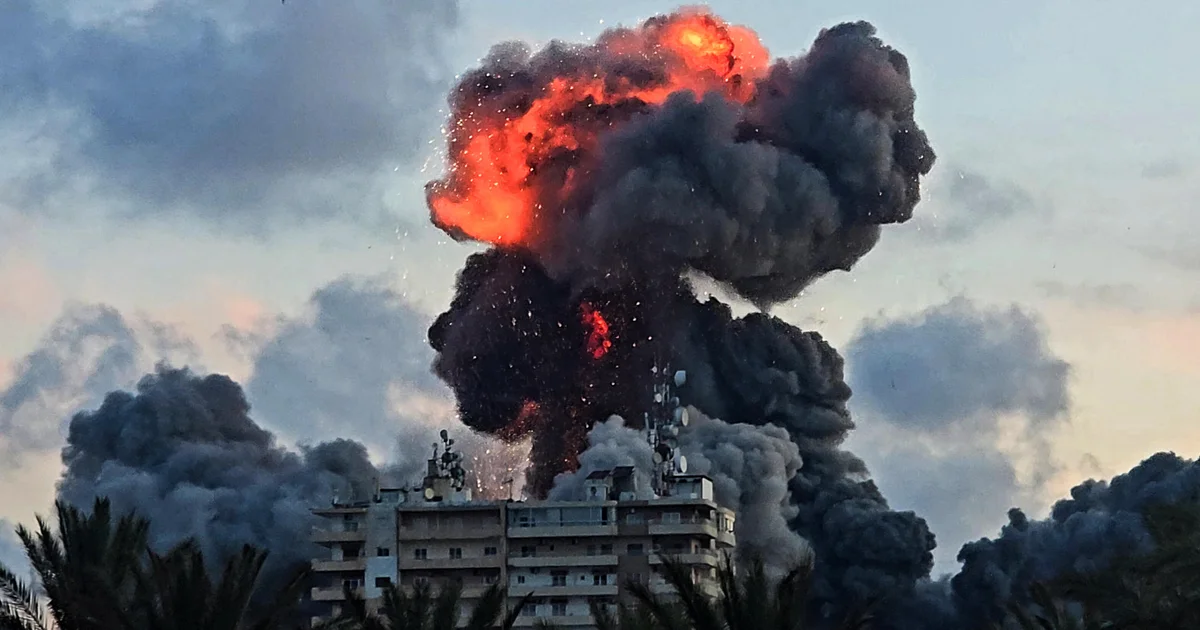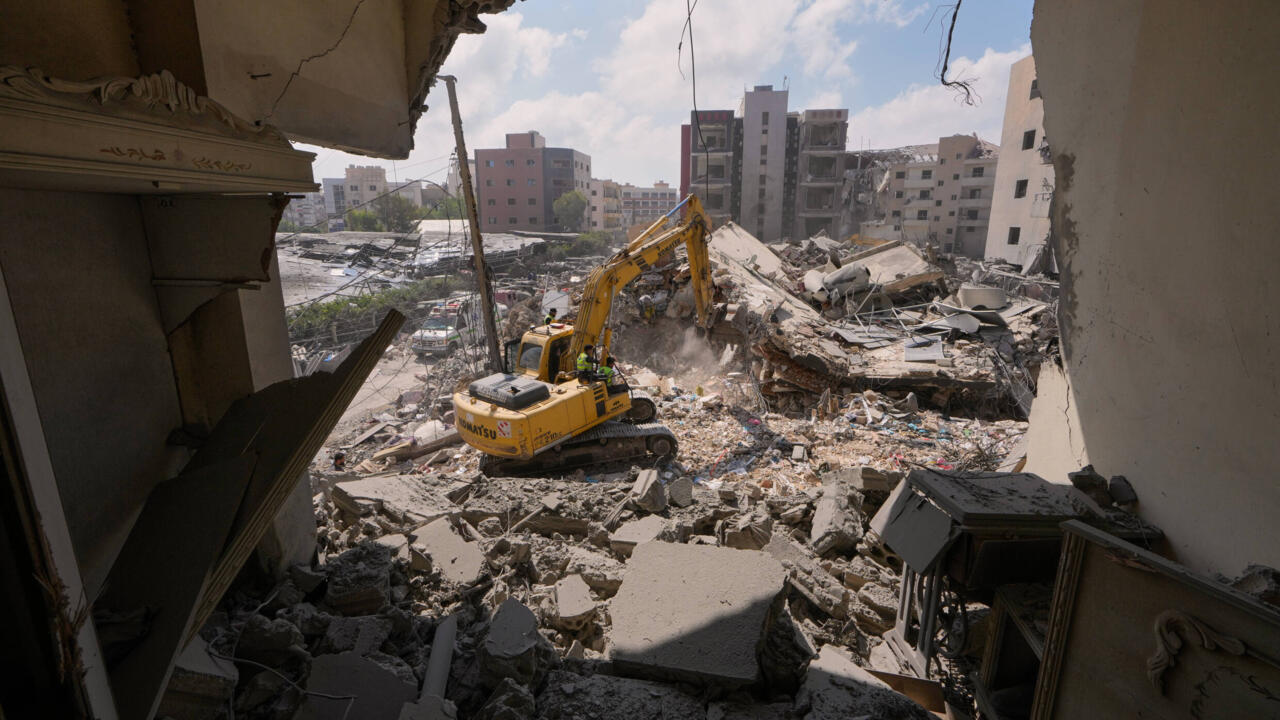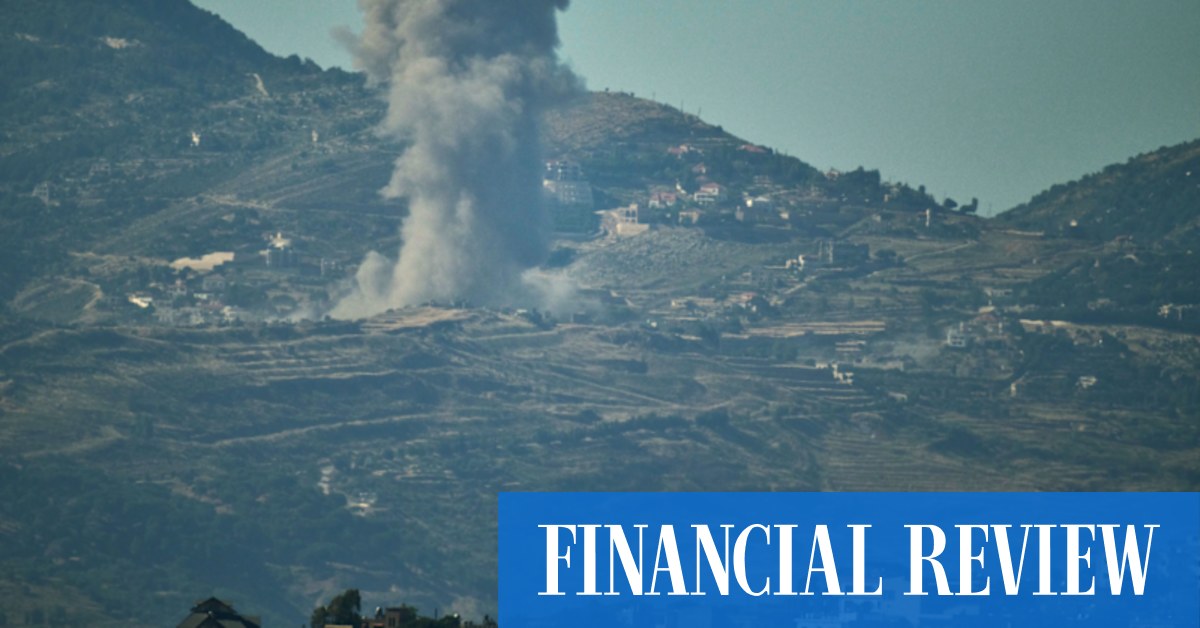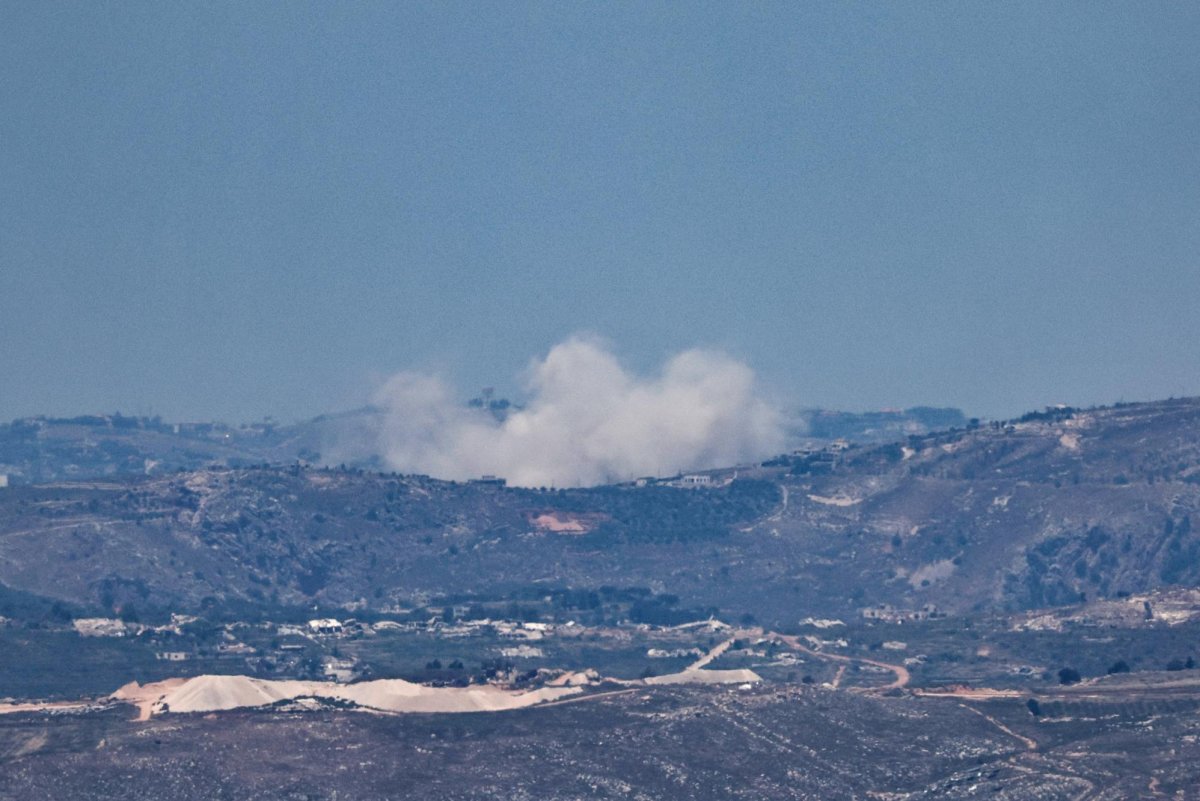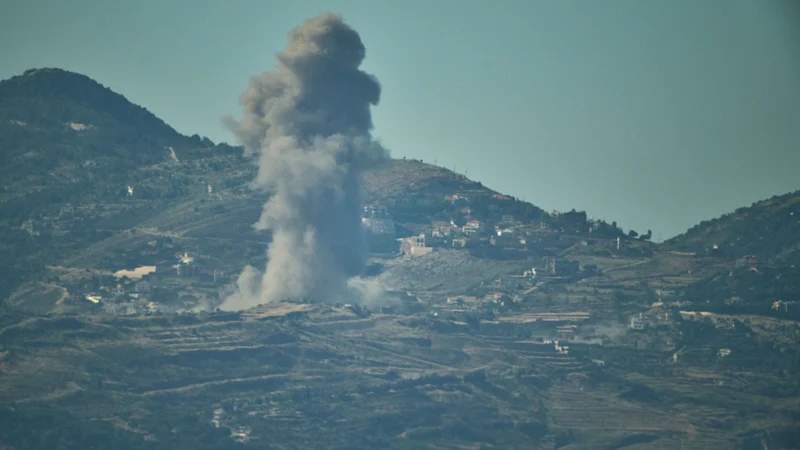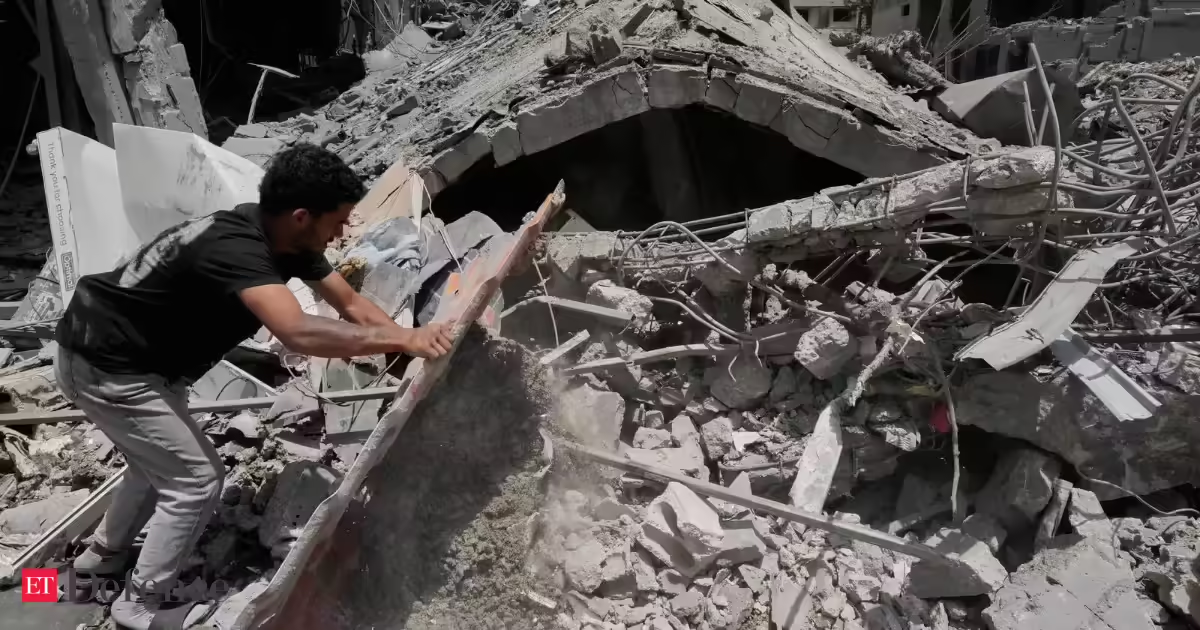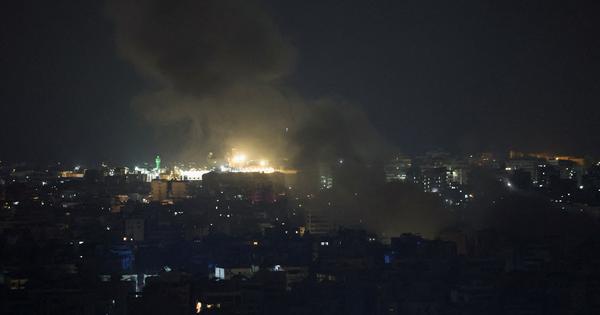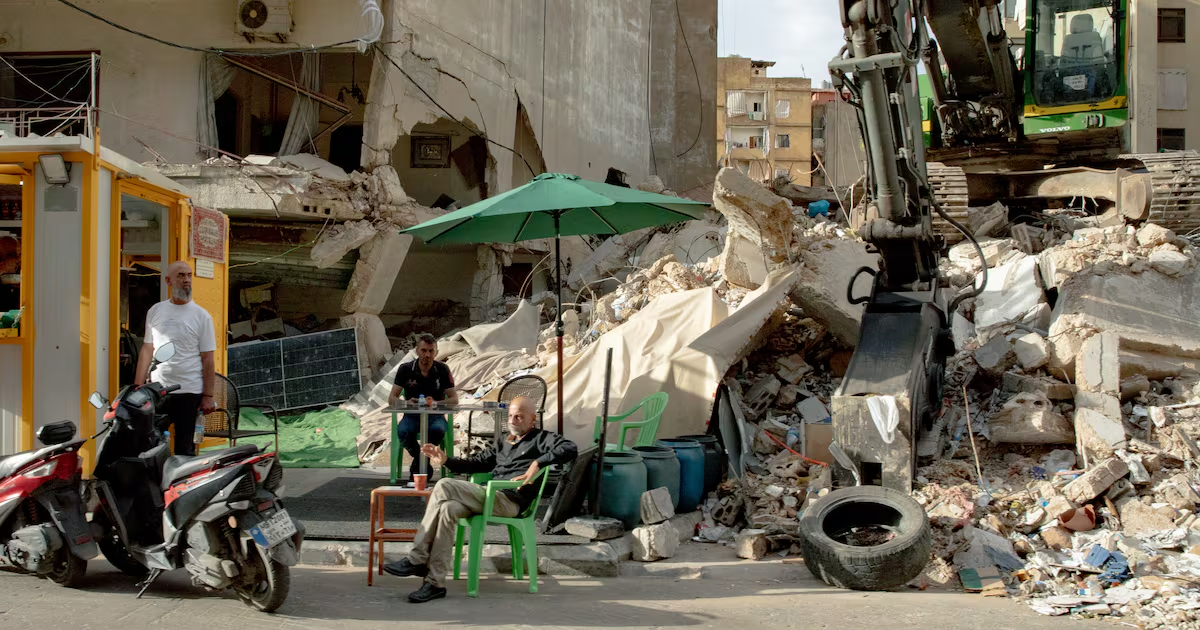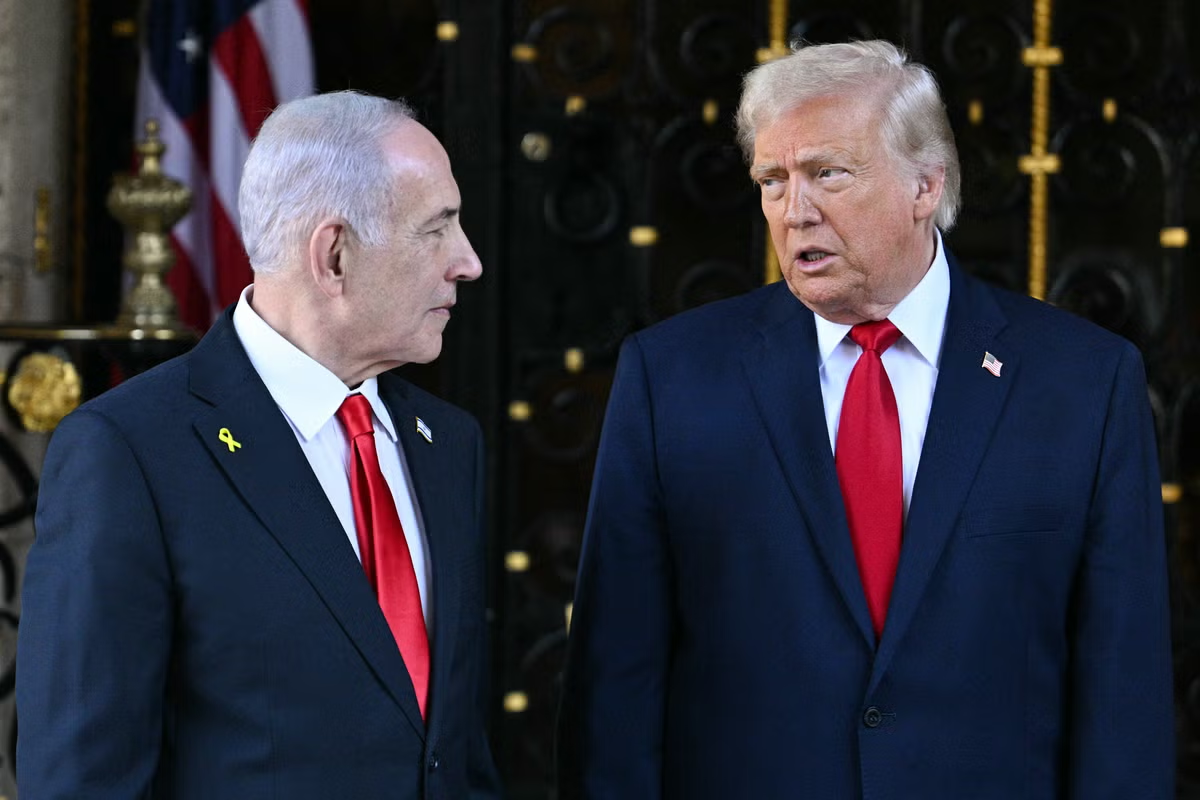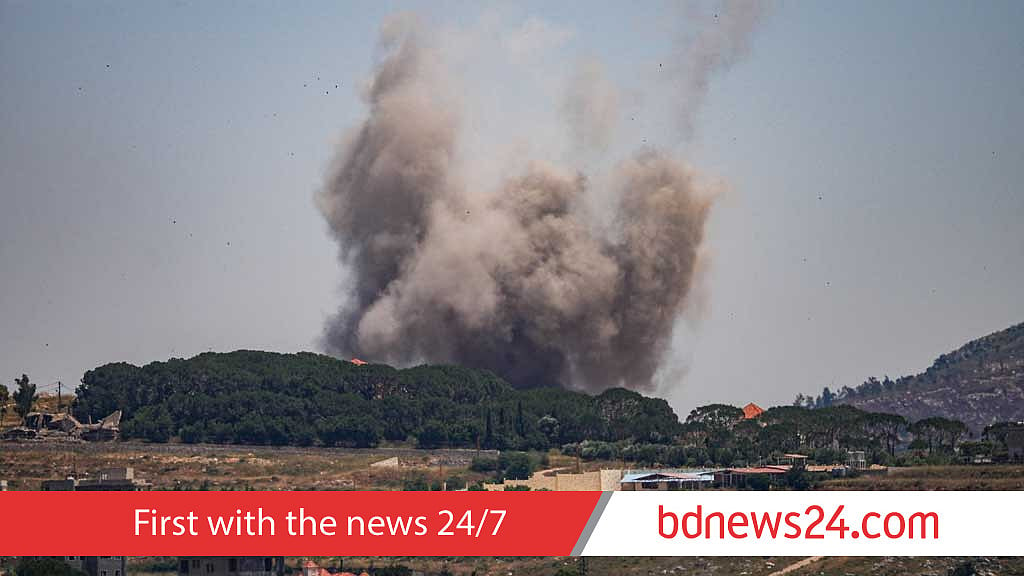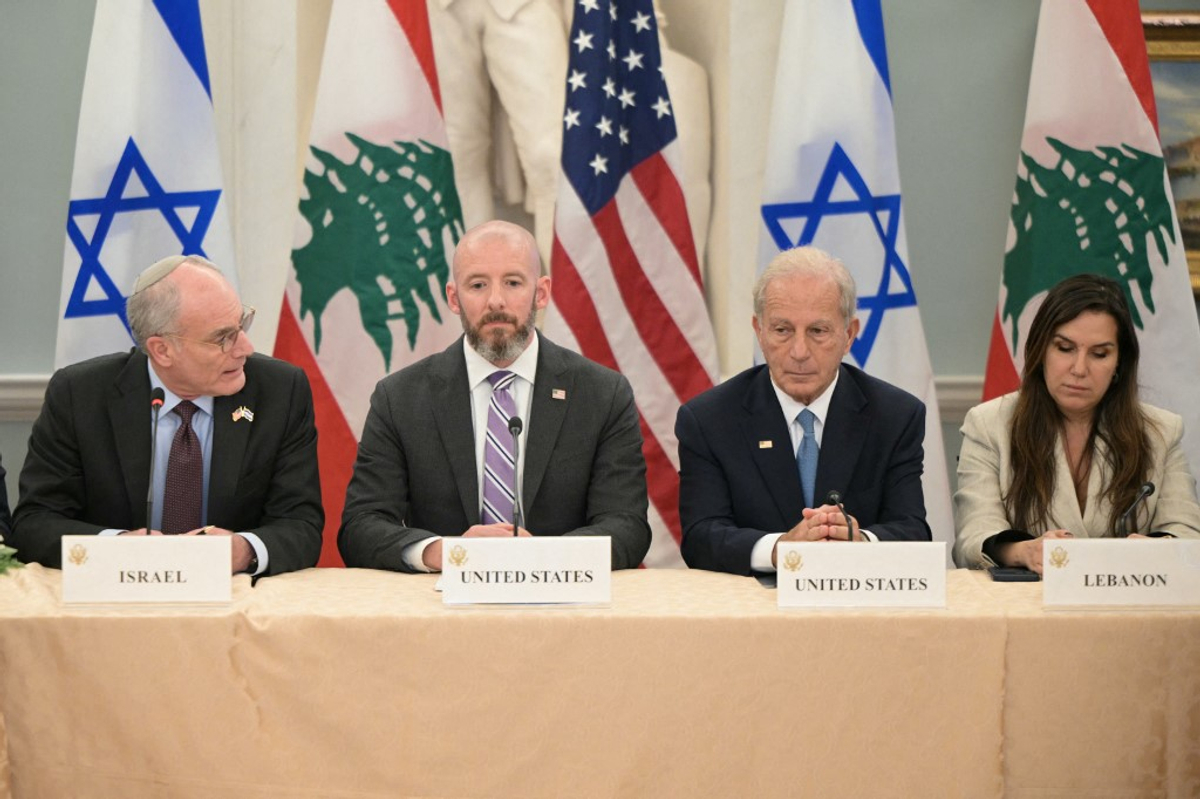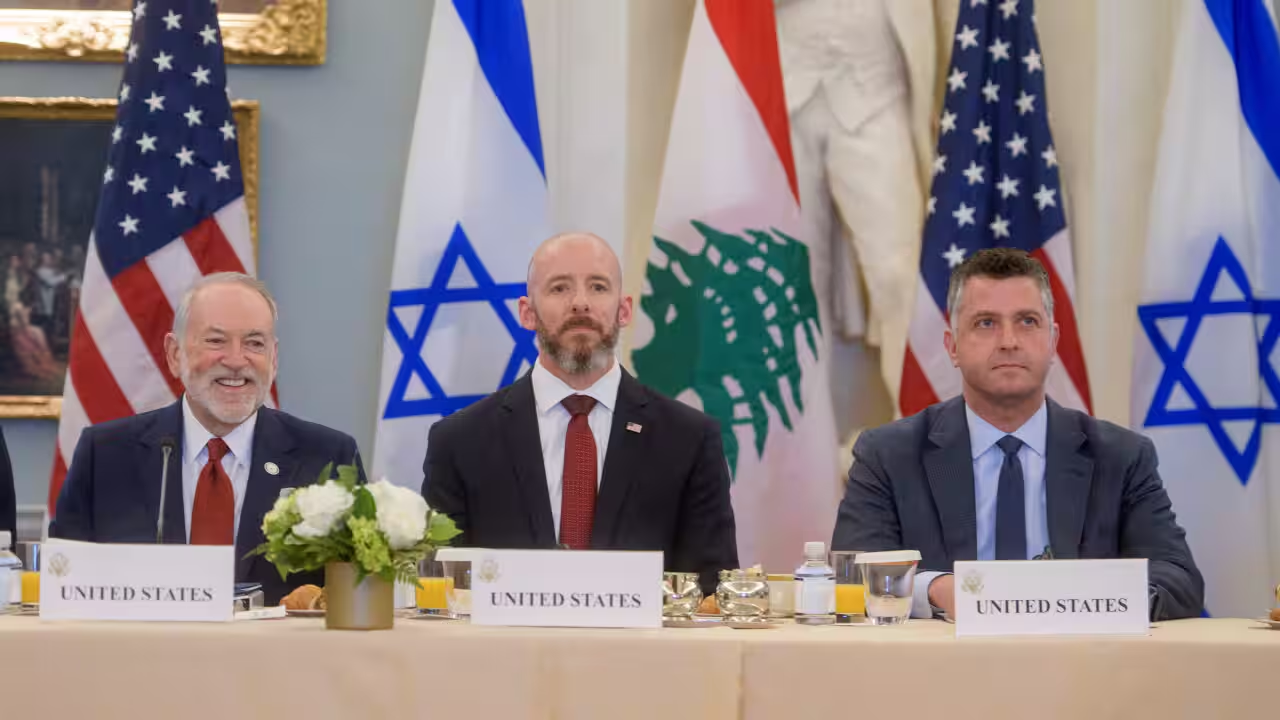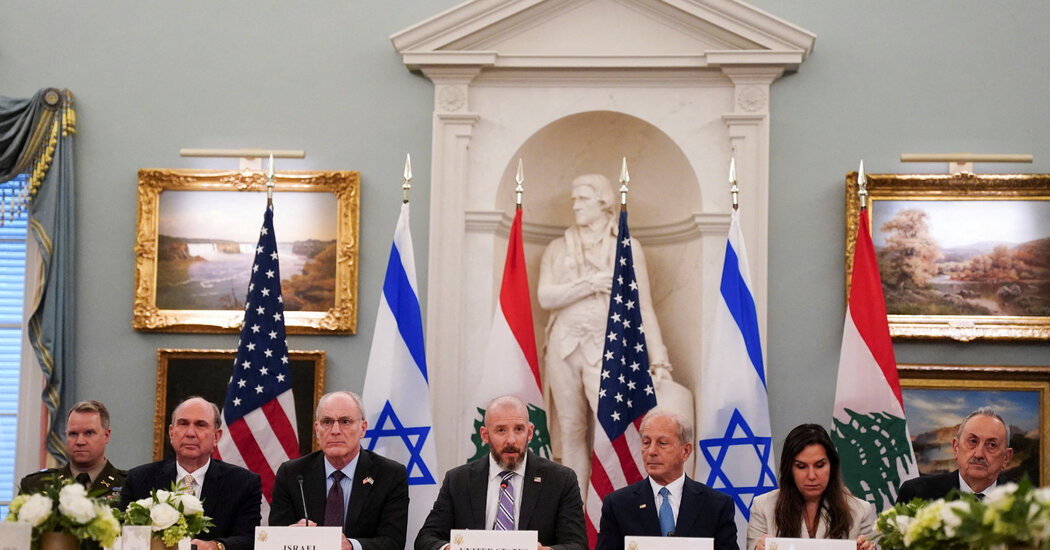
Latest PinnedHere’s the latest.The renewed cease-fire in Lebanon appeared to be holding on Thursday morning, after Israel and Lebanon announced a U.S.-facilitated agreement to extend it.The agreement could help clear an obstacle to ending the war in Iran. The state of peace talks between Washington and Tehran remains murky, with issues including the fate of Iran’s nuclear program unresolved. Iran has called for Lebanon to be part of any deal.Whether the cease-fire holds will depend in part on the cooperation of Hezbollah, which does not answer to the Lebanese government and is not a party to either set of negotiations. The group has not publicly responded to the announcement of the renewed cease-fire.The agreement, which was confirmed by the U.S. State Department, calls for the creation of “pilot zones” where the Lebanese military would “take exclusive control” and all “nonstate actors” would be barred. A U.S.-brokered cease-fire, which took effect in Lebanon in April, has been largely ignored, with both sides continuing to trade attacks.Israel began to escalate its push into Lebanon in March, shortly after the United States and Israel launched an offensive against Iran. Hezbollah soon began firing rockets across the border in support of its sponsor. In recent weeks, Prime Minister Benjamin Netanyahu of Israel has ramped up his rhetoric against Hezbollah even as truce talks have taken place.The cease-fire between Iran and the United States has also been tested in recent days by a series of exchanges between them. On Wednesday, Kuwait and Bahrain, U.S. allies, came under Iranian drone and missile fire. One of those attacks hit Kuwait's main international airport, damaging a passenger terminal and killing one person, the Kuwaiti authorities said.Here’s what else we’re covering:U.S.-Iran negotiations: Later on Wednesday, Secretary of State Marco Rubio repeated the Trump administration’s claim that the war with Iran “has concluded,” despite the strikes. Mr. Rubio told Congress that the Trump administration would try to negotiate with Iran to get it to commit to a long-term agreement to not enrich uranium.Airport attack: A spokesman for Iran’s Revolutionary Guards Corps said it had not fired at the Kuwait airport terminal, blaming the damage on a failed American interceptor missile. The U.S. military said the Iranian claim was false.U.S.-Israel relations: President Trump said in an interview with The New York Post published Wednesday that he had used expletives in a recent phone conversation with Prime Minister Benjamin Netanyahu of Israel but that they had a broadly positive relationship. Read more ›Fighting across southern Lebanon has intensified this week, even after President Trump on Monday announced that Israel and Hezbollah, the Iranian-backed armed group, had renewed their truce. Nearly all of the remaining residents in Nabatieh, a major city in southern Lebanon, fled in recent days after the Israeli military issued an evacuation warning for the entire city. On Thursday morning, Nabatieh was eerily quiet except for the buzz of Israeli drones overhead, the roar of warplanes and the thuds of artillery from Israeli positions just a few miles south. Hezbollah has not commented on the new cease-fire between Israel and Lebanon, which is contingent on the Iran-backed group pulling back from southern Lebanon and a “complete cessation” of their attacks. But Hezbollah said on Thursday that it had fired two rocket salvos at Israeli troops in the border region, posing a test for the U.S.-brokered agreement just hours after it was announced. The attack, and the fact that Hezbollah was not involved in the U.S.-brokered talks between Israel and Lebanon, added to uncertainity over whether the group would accept a unilateral cessation of fighting while Israel continues to carry out strikes.A United Nations peacekeeper in Lebanon died after a mortar shell hit his position in southern Lebanon on Wednesday, the peacekeeping force, known as UNIFIL, said on Thursday. UNIFIL did not indicate whether Israel, Hezbollah, the Lebanese Iran-backed armed group, or other militant groups were behind the attack, and said that it had launched an investigation.More than 7,000 peacekeepers were stationed in southern Lebanon as of early May, and six have been killed this year, according to the U.N. UNIFIL has accused both Israel and Hezbollah of attacking its positions throughout the more than two years of fighting between the parties.The Israeli military told Lebanese civilians on Thursday not to return to the country’s south, saying it was continuing to target Hezbollah a day after Israel and Lebanon announced a conditional cease-fire. The warning underscored just how little has changed on the ground despite the talks and President Trump’s claim this week that Israel and Hezbollah had agreed to stop fighting each other. The U.S.-brokered agreement is contingent on Hezbollah first halting its attacks and withdrawing from the border region, while Israel has signalled it will continue operations in southern Lebanon. Israel’s defense minister, Israel Katz, said Thursday that the hundreds of thousands of people displaced from the south would not yet be allowed to return, and Israeli strikes continued in several towns and villages, according to Lebanon’s state-run news agency.Trump says the war in Iran is ‘not a big thing’ for the U.S.ImagePresident Trump at the Oval Office on Wednesday.Credit...Doug Mills/The New York TimesPresident Trump said on Wednesday that the war in Iran was “not a big thing” for the United States in his latest attempt to play down the effects of the war by pointing to the economy.Speaking to reporters in the Oval Office, Mr. Trump asserted that the conflict, which has killed at least 13 U.S. service members and an estimated 1,700 Iranian civilians, drained military stockpiles, and inflicted financial pain on working-class Americans, was going better than expected. He maintained he was “very proud” of what he called a “detour” to Iran.“We have the highest stock market in history with a military conflict going on, or a war — some people call it war, some people call it a military — it’s not a big thing for us,” Mr. Trump said. “We have a great military. It’s not a big thing for us.”Mr. Trump went on to falsely claim that “costs were coming down” for consumers, and cited “great financial people” who he said had assured him that because 401(k)s were rising, “everybody’s making a lot of money.”It was the latest attempt by Mr. Trump to flip the narrative on a conflict that he said would lead to a quick and decisive victory after the U.S. joined a bombing campaign with Israel on Feb. 28.But the war has instead dragged on for more than three months, with no end in sight.As its goals have grown more elusive, Mr. Trump has become more dismissive of the conflict’s unpopularity, and the economic pains that it is causing Americans at gas pumps and grocery stores.Last month, Mr. Trump said he did not think about Americans’ financial situations when considering whether to end the conflict. Then this week, in a 1 a.m. social media post, Mr. Trump chastised politicians who were “chirping” about the war.“Just sit back and relax,” he wrote, “it will all work out well in the end — It always does!”In the last few weeks, the president has signaled that the United States and Iran were close to signing a framework for peace. Last week, he even announced he was heading into the Situation Room to “to make a final determination” on a deal.No such determination was made.Then on Monday, he acknowledged that he found the negotiations with Iranian leaders “very boring.”Mr. Trump has given the Iranians numerous deadlines to sign a peace deal, insisting that any agreement must assure that they never have a nuclear weapon. But he has given conflicting statements about where negotiations stand.Asked about his announcement last week that the U.S. and Iran would go in and remove Iran’s enriched uranium stockpile, which can be used to make nuclear weapons, Mr. Trump also asserted that Iran had agreed to the condition, but called the operation “very overrated.”“I’m the one that overrated it,” he said. “To me it was important, to other people it’s not important.”In another instance, Mr. Trump said in the same breath that Iran had agreed to several conditions, including not to develop a nuclear weapon, before backtracking.“We’re going to have to stop them from having a nuclear weapon — that’s what we’ve done — and they’ve agreed to it, by the way,” he said.He then said he meant “if they sign the agreement, they will have agreed to ‘we will not have a nuclear weapon or bomb, we will not develop one, we will not buy one.’”He added that recent negotiations had been about whether they would buy a nuclear weapon, rather than develop one, and declared that we “in the end we got that,” before adding “if they sign the paper.”“In theory they’re pretty close to signing a paper,” he added. “We’ve actually gotten along with them very well.”When it came to discussing next steps, Mr. Trump, who has vacillated between threatening annihilation if the Iranians do not meet his demands and waiting them out, was vague. He signaled that the military was ready for a long haul.“We could go another two, three weeks and just wipe everybody out,” he said. “I’d rather not do that. Very easy to do. They’re ready to do it. They want to do it. They want to do it. But if we can get something down in writing, which will accomplish the same thing without killing everybody, I’d like to do that.”Trump confirms he called Netanyahu ‘crazy’ in a phone call.ImagePresident Trump at the White House last week.Credit...Doug Mills/The New York TimesPresident Trump offered a glimpse into his private conversations with Prime Minister Benjamin Netanyahu on Wednesday, suggesting that the two men had a broadly positive rapport but that recent disagreements had prompted the president to call the Israeli leader “crazy.”“We’ve worked very well together,” Mr. Trump said in an interview with The New York Post, summarizing their working relationship as close and constructive.But Mr. Trump confirmed that he had repeatedly used expletives to convey his frustration on a recent phone call with Mr. Netanyahu over Israel’s military campaign in Lebanon when asked about an Axios report on the conversation between the two men.“I was a little bit perturbed at his constantly fighting with Lebanon,” he said, referring to the war between Israel and Hezbollah, the Iran-backed militia in Lebanon.Mr. Trump made his comments after reports of a growing split between the two leaders as the war with Iran, which began with joint U.S.-Israeli attacks, drags on. The Trump administration has excluded Israel from negotiations to end the conflict and the president has publicly urged Israel to stop fighting with Hezbollah.In an interview with CNBC on Wednesday published after Mr. Trump made his remarks, Mr. Netanyahu acknowledged what he described as “tactical disagreements” with the president but declined to share details. “We always find a way to work them out,” he said. In the New York Post interview, Mr. Trump also said that he hoped to eventually meet with Ayatollah Mojtaba Khamenei. “We probably will meet at some point,” he said.The Iranian authorities did not comment, and it was unclear whether Ayatollah Khamenei, who is believed to have been injured in the U.S.-Israeli strikes that began the war, would be willing to meet with Mr. Trump.The president said that he did not know the extent of the injuries sustained by the supreme leader, who has not been seen in public for months. “If you believe the stories, he’s missing a lot of different parts,” said Mr. Trump. Speaking more broadly about the state of negotiations to end the war, Mr. Trump suggested that he was not in a rush to reopen the Strait of Hormuz, a vital shipping route for oil and gas that has remained largely choked by Iran since the beginning of the war.When asked whether the strait would still be blocked by Labor Day on Sept. 7., Mr. Trump replied: “I don’t know.”Jonathan Wolfe contributed reporting.
Israel and Lebanon Agree to New Cease-Fire: Live News and Updates
The deal is contingent on Hezbollah, the Iran-backed armed group that was not part of the talks, stopping attacks against Israel and withdrawing from southern Lebanon.
1,986 words~9 min read