Published June 19th, 2026 - 01:55 GMT
Highlights
Hezbollah, meanwhile, said its fighters had inflicted significant losses on Israeli forces, claiming to have struck several Merkava tanks and targeted troop concentrations using guided missiles, drones, and artillery.
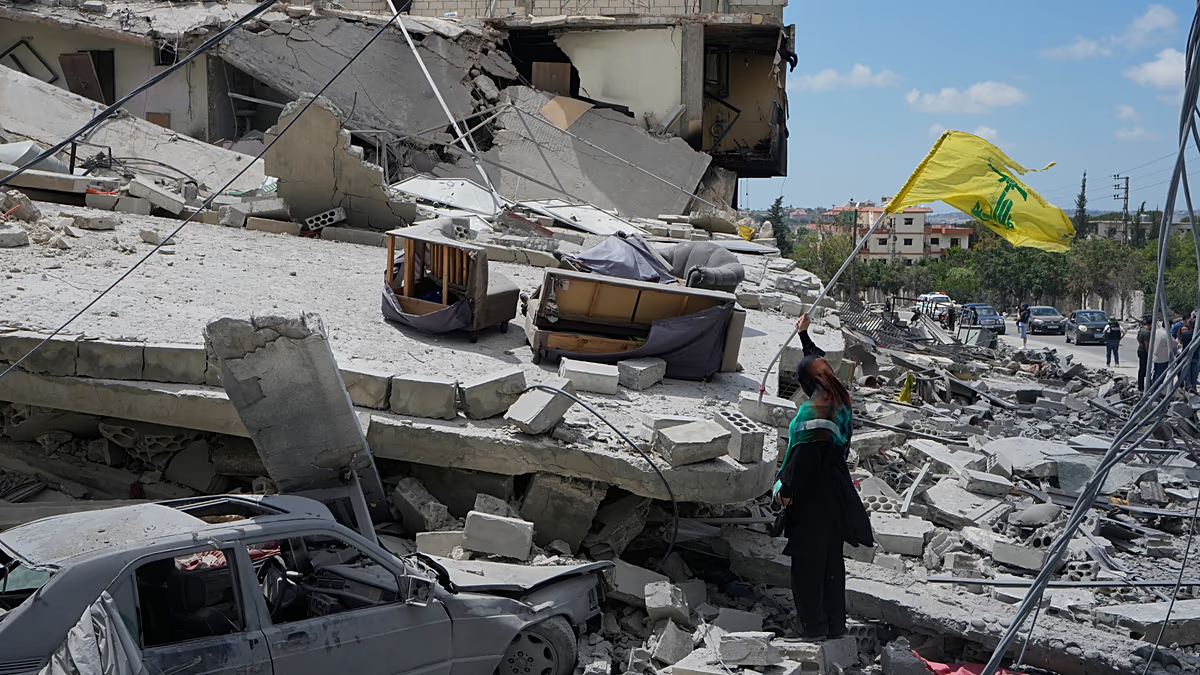
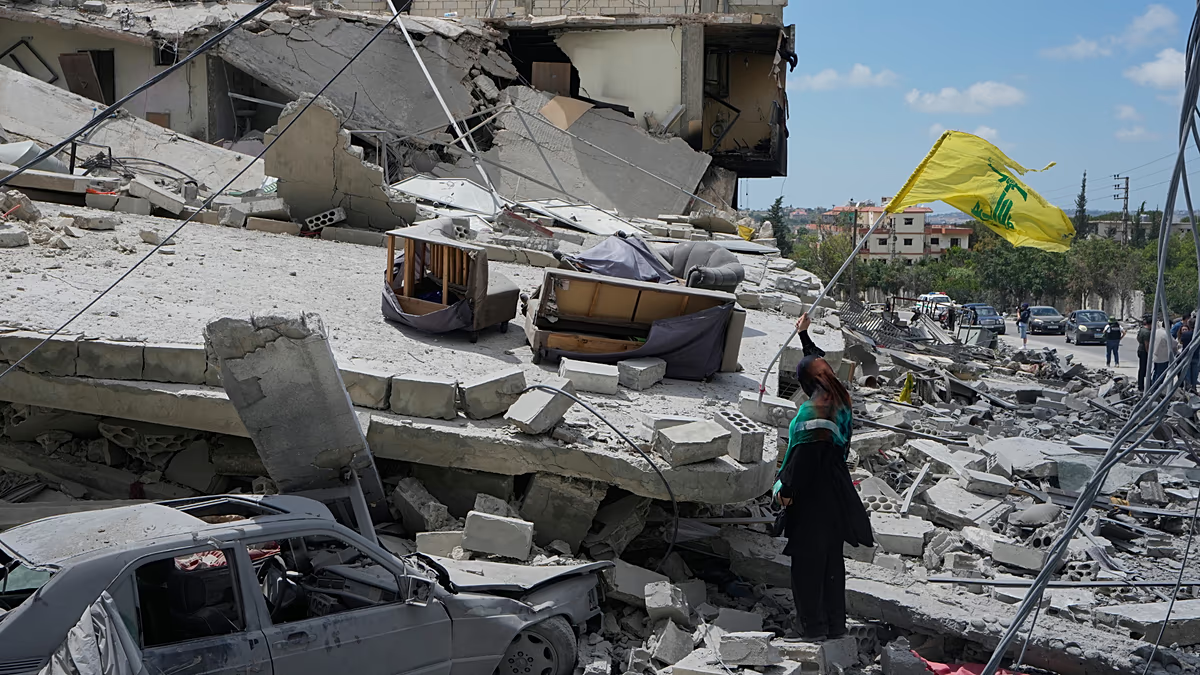
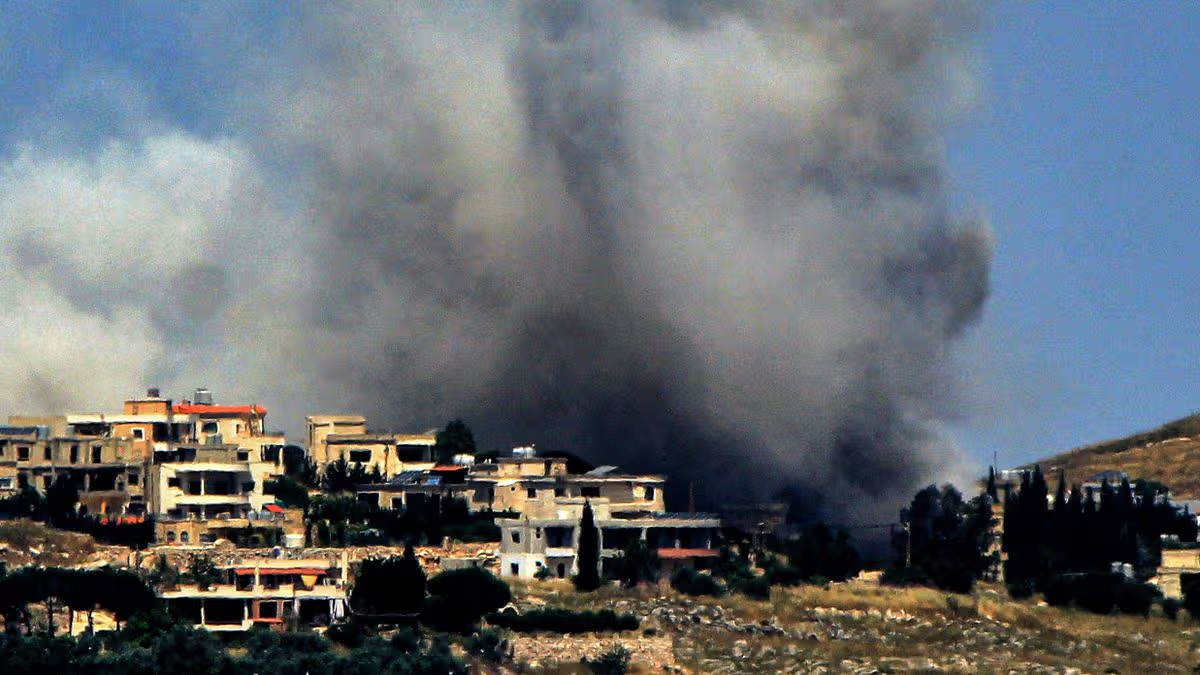
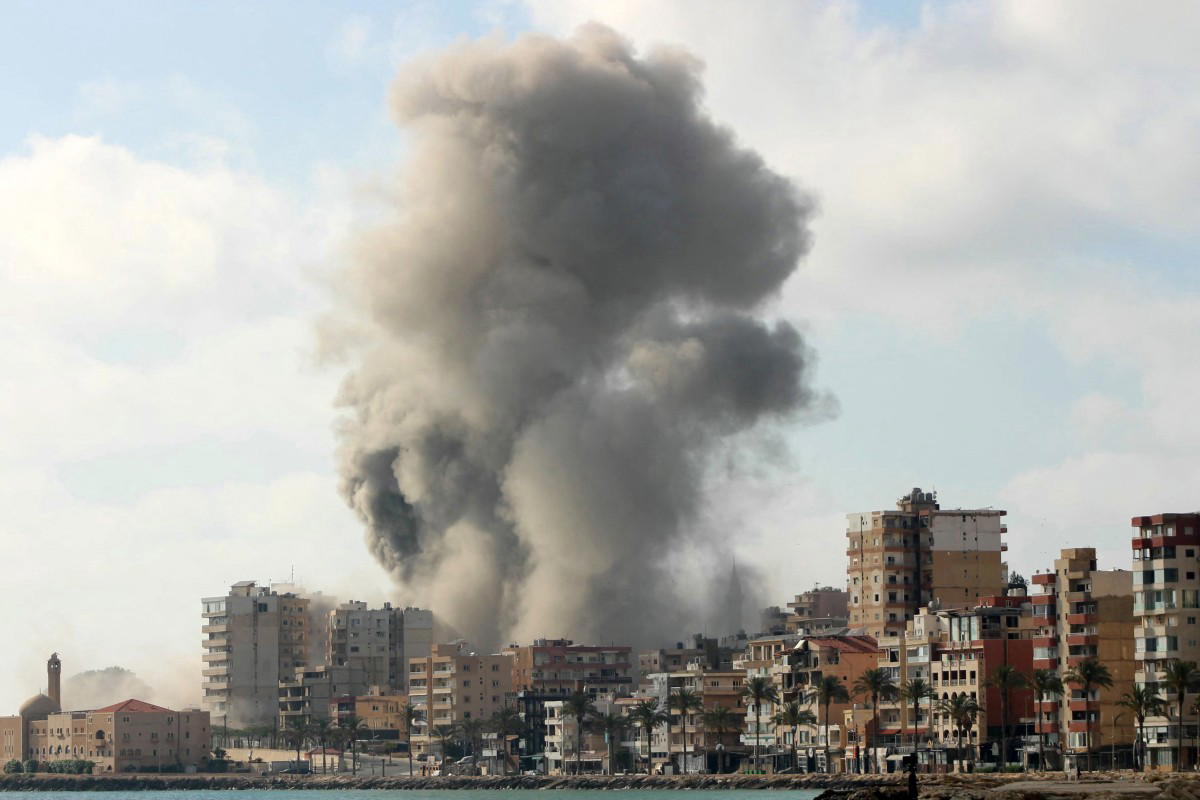
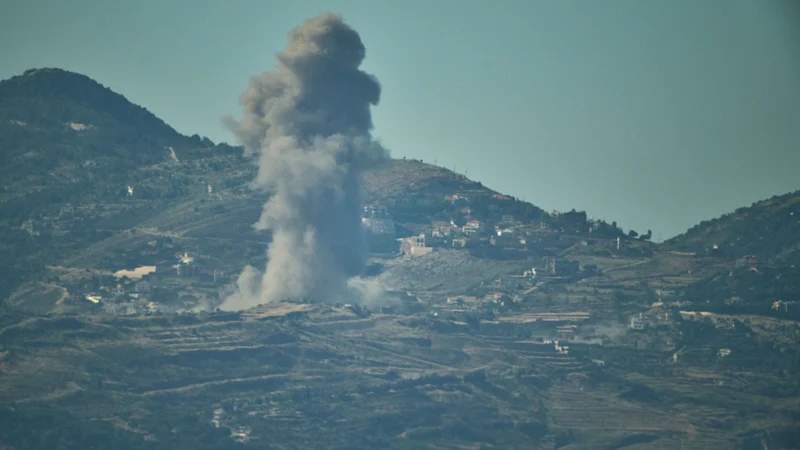
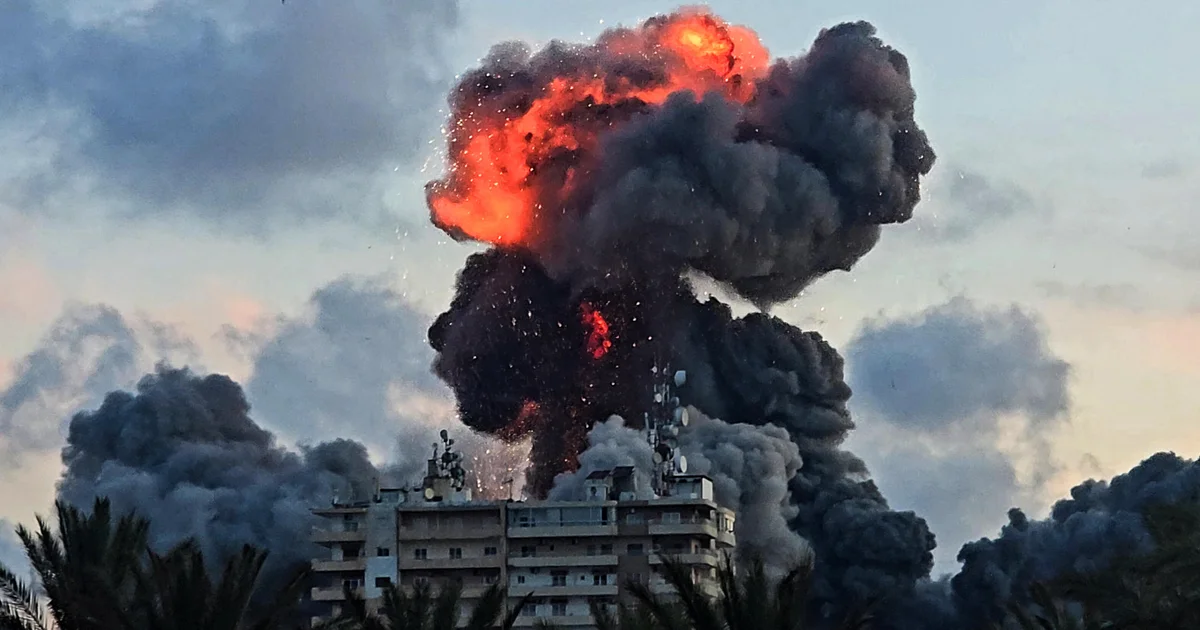
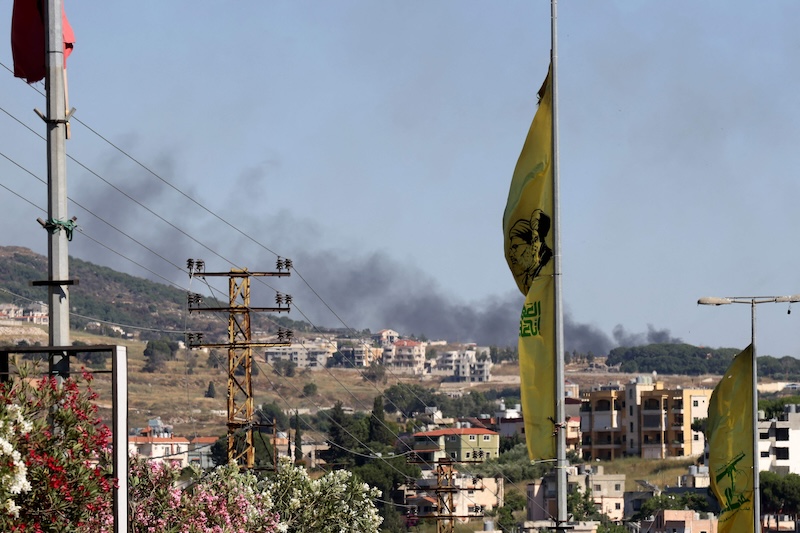
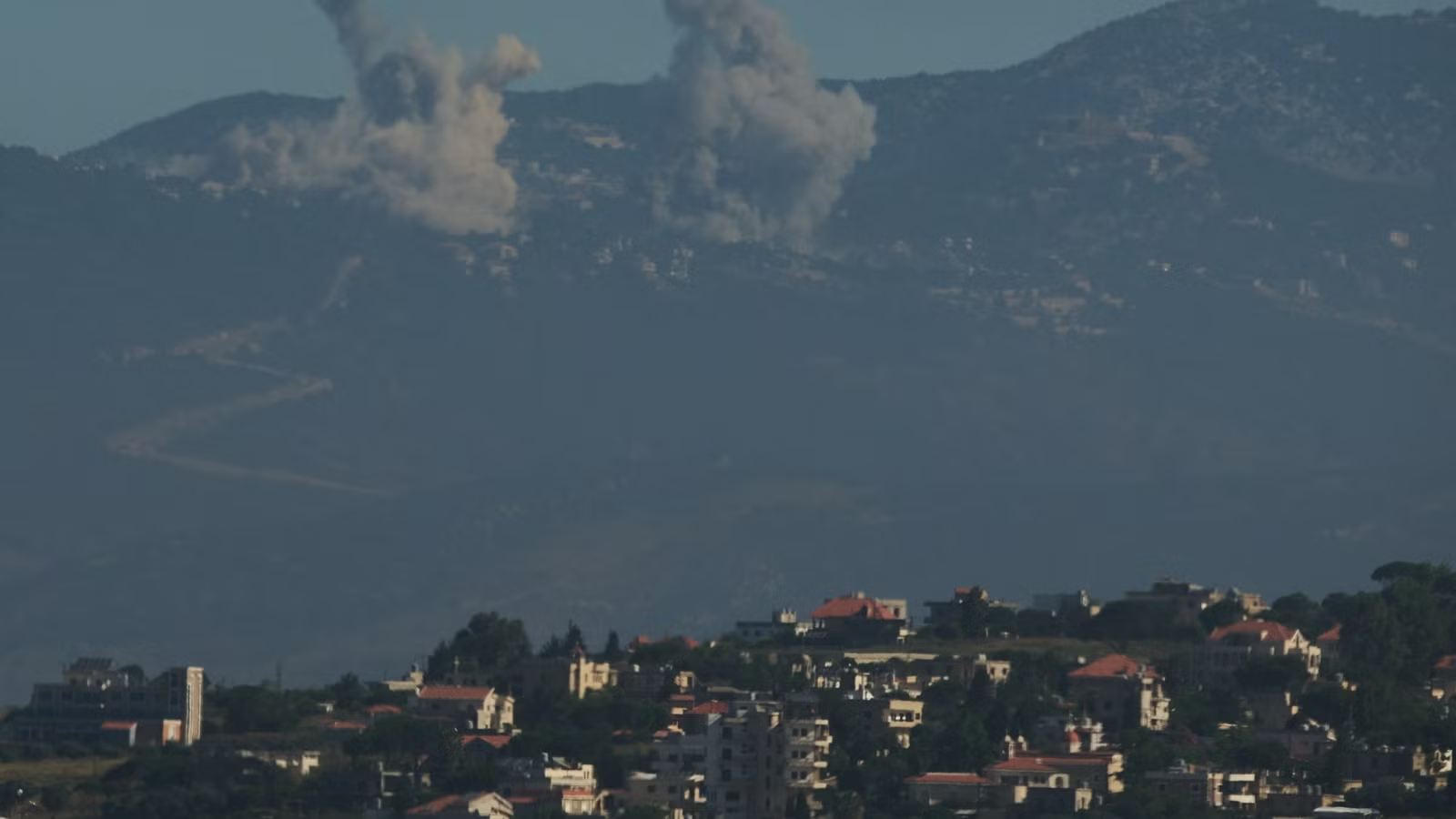
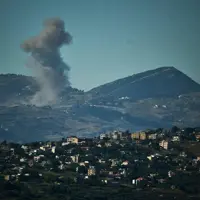
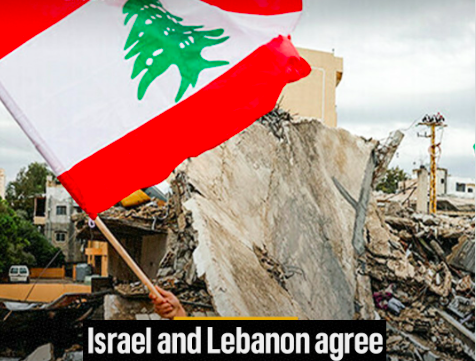
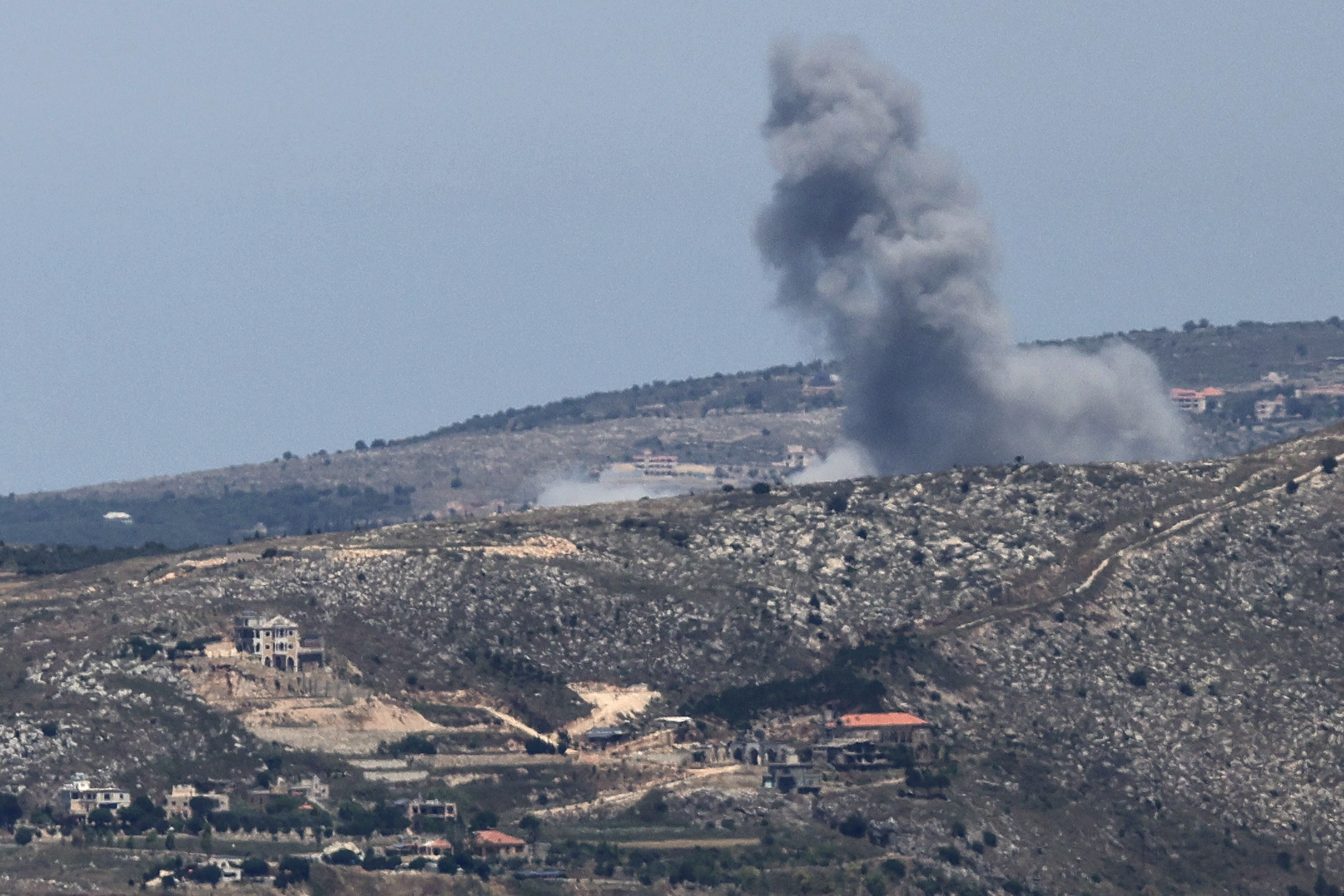
ALBAWABA- Israel and Hezbollah have agreed to renew a fragile ceasefire after a sharp escalation in southern Lebanon threatened broader regional diplomatic efforts and forced the postponement of planned US-Iran technical talks in Switzerland.The latest fighting erupted after Hezbollah targeted Israeli forces advancing in southern Lebanon, triggering extensive Israeli military operations across the country.According to the Israeli military, more than 150 Hezbollah targets were struck since midnight. Israeli warplanes carried out attacks on several locations, including Jabal al-Rafi', Shoukine, Al-Rihan, and Adchit, as part of an intensified campaign against Hezbollah infrastructure. Israel accused Hezbollah of violating the existing ceasefire by attacking Israeli tanks and military positions in southern Lebanon.Hezbollah, meanwhile, said its fighters had inflicted significant losses on Israeli forces, claiming to have struck several Merkava tanks and targeted troop concentrations using guided missiles, drones, and artillery.Despite the renewed hostilities, a White House official told Axios that Israeli Prime Minister Benjamin Netanyahu had agreed to restore the ceasefire in an effort to prevent further escalation and preserve broader regional diplomatic initiatives.BREAKING: Israel and Hezbollah agree to renew ceasefire after fighting postpones Iran-U.S. talks in Switzerland, three officials say. https://t.co/dLRMLF0j3k— The Associated Press (@AP) June 19, 2026 The renewed truce comes amid strong international pressure, particularly from the United States, to contain the conflict and prevent it from undermining the recently signed US-Iran Memorandum of Understanding (MOU).The fighting has already affected progress on that agreement. Technical negotiations between Washington and Tehran, scheduled to begin in Switzerland as part of a 60-day negotiating period, have been postponed.According to reports, Iran sought assurances that hostilities in Lebanon would cease before moving forward with the talks. US Vice President JD Vance also canceled his planned trip to Switzerland.The US-Iran agreement, which seeks to end active hostilities, reopen the Strait of Hormuz, and establish a framework for addressing Iran's nuclear programme and sanctions relief, also envisions broader regional de-escalation, including efforts to stabilize Lebanon.However, Israel's continued military operations have complicated those efforts, with Tehran increasingly linking progress in negotiations to developments on the Lebanese front.Prime Minister Netanyahu has repeatedly insisted that Israeli forces will maintain a security presence in southern Lebanon “for as long as Israel's security needs require it,” arguing that such measures are necessary to protect northern Israeli communities from Hezbollah.Hezbollah and Iran, however, view Israel's continued military presence as a violation of previous ceasefire understandings and a major obstacle to long-term stability.While the renewed ceasefire offers a temporary pause in fighting, underlying disputes, including Israel's refusal to fully withdraw from southern Lebanon and Hezbollah's continued armed presence, remain unresolved, leaving the risk of further escalation high.