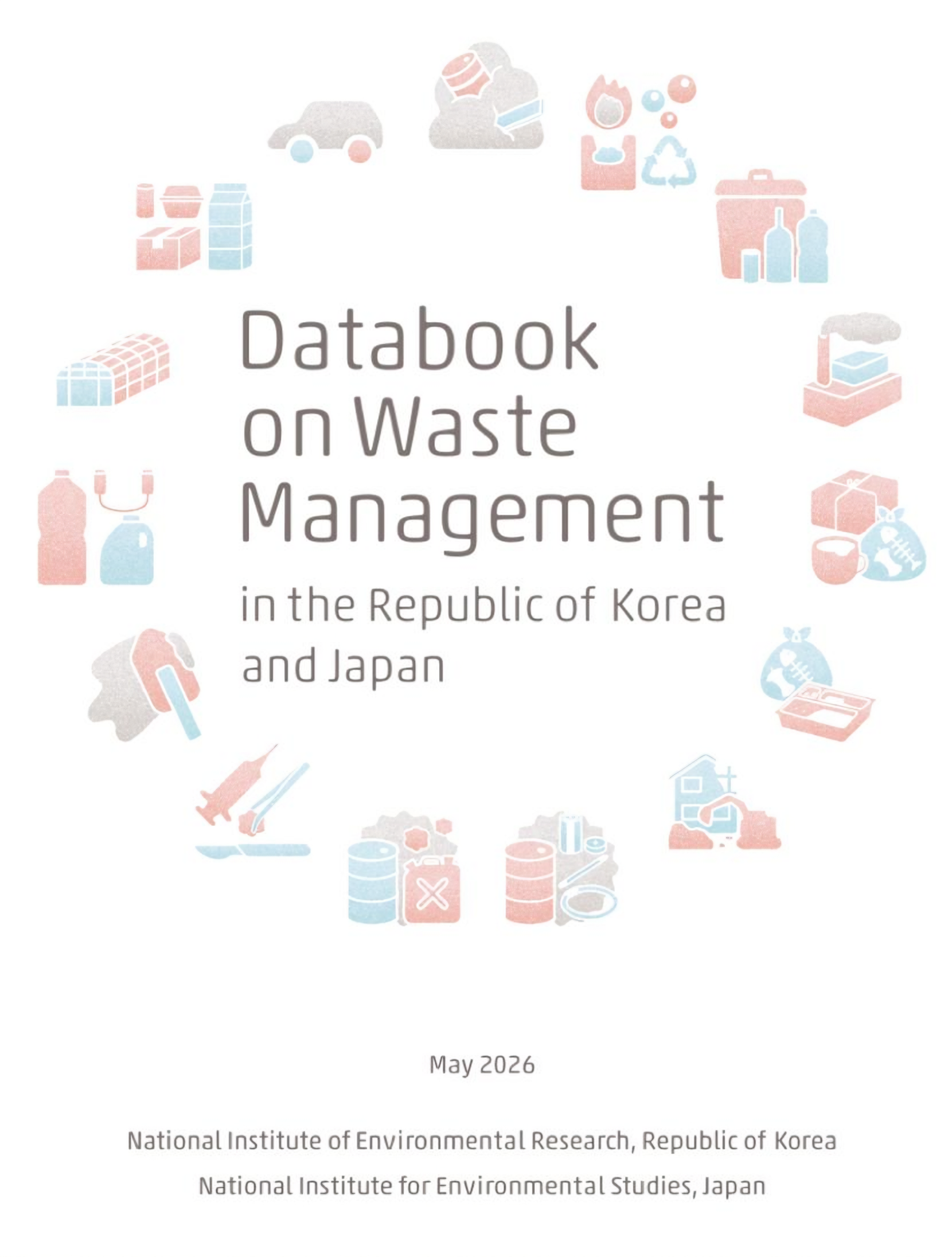
The cover page of the first-ever joint comparative waste statistics report published by Korea’s National Institute of Environmental Research and Japan’s National Institute for Environmental Studies is shown in this handout photo. Courtesy of the Ministry of Climate, Energy and Environment
Korea and Japan published Monday a joint study establishing the first unified framework to directly compare the two nations' waste management and recycling systems.
The initiative, led by Korea’s National Institute of Environmental Research and Japan’s National Institute for Environmental Studies, required researchers to harmonize vastly different municipal definitions, tracking mechanisms and industrial classification systems.
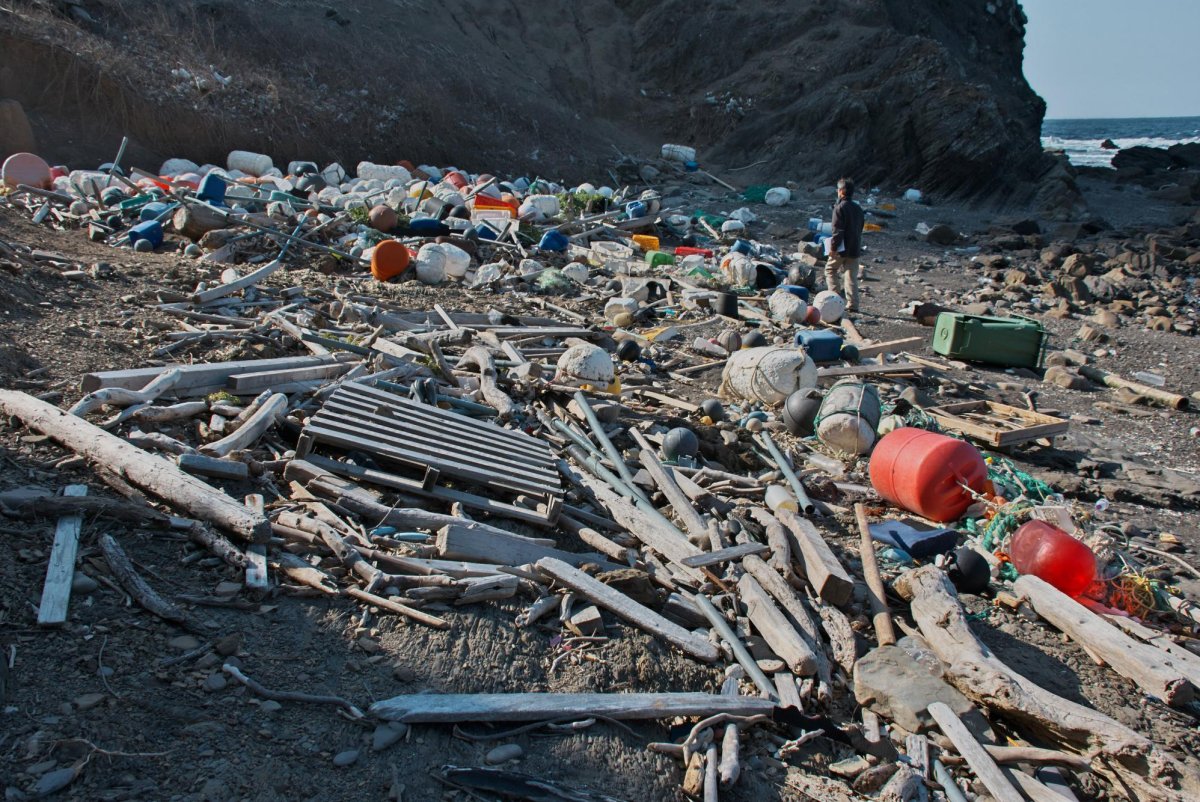
The underlying numbers reveal a stark divergence in how the neighboring countries handle their consumer waste.
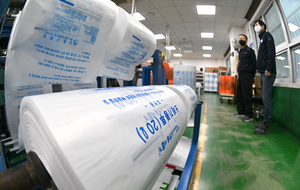
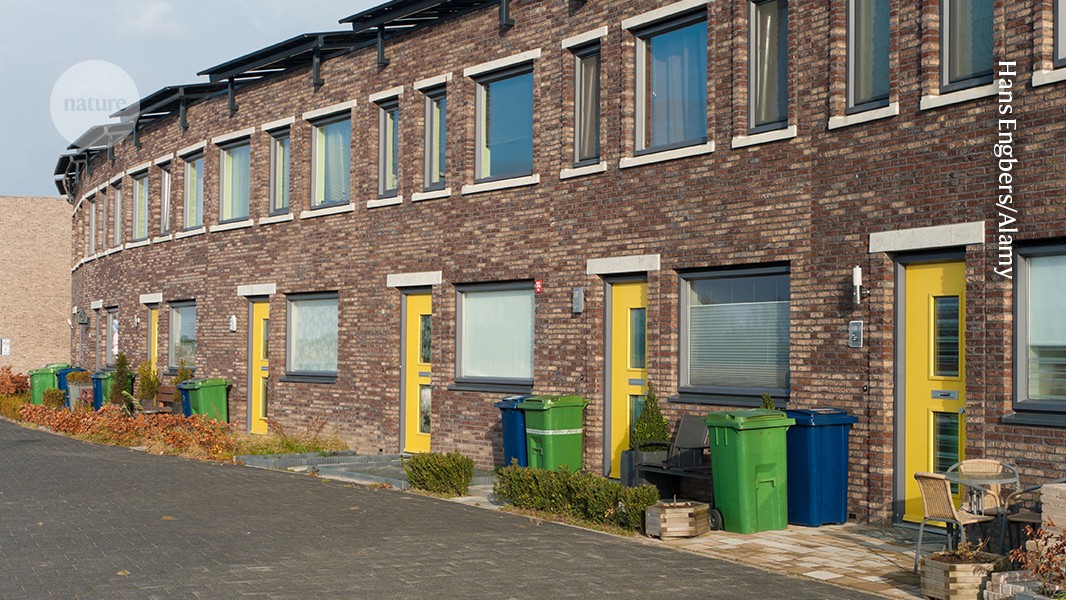
According to the report, Korea generated approximately 22 million tons of municipal household waste in 2023 — about half of the 39 million tons produced by Japan. Yet, when it comes to keeping that trash out of landfills and incinerators, Korea recycled roughly 70 percent of its household waste, a rate nearly three and a half times higher than Japan’s 20 percent.