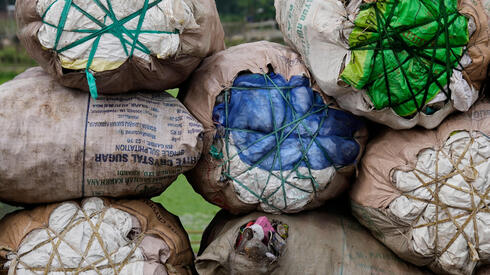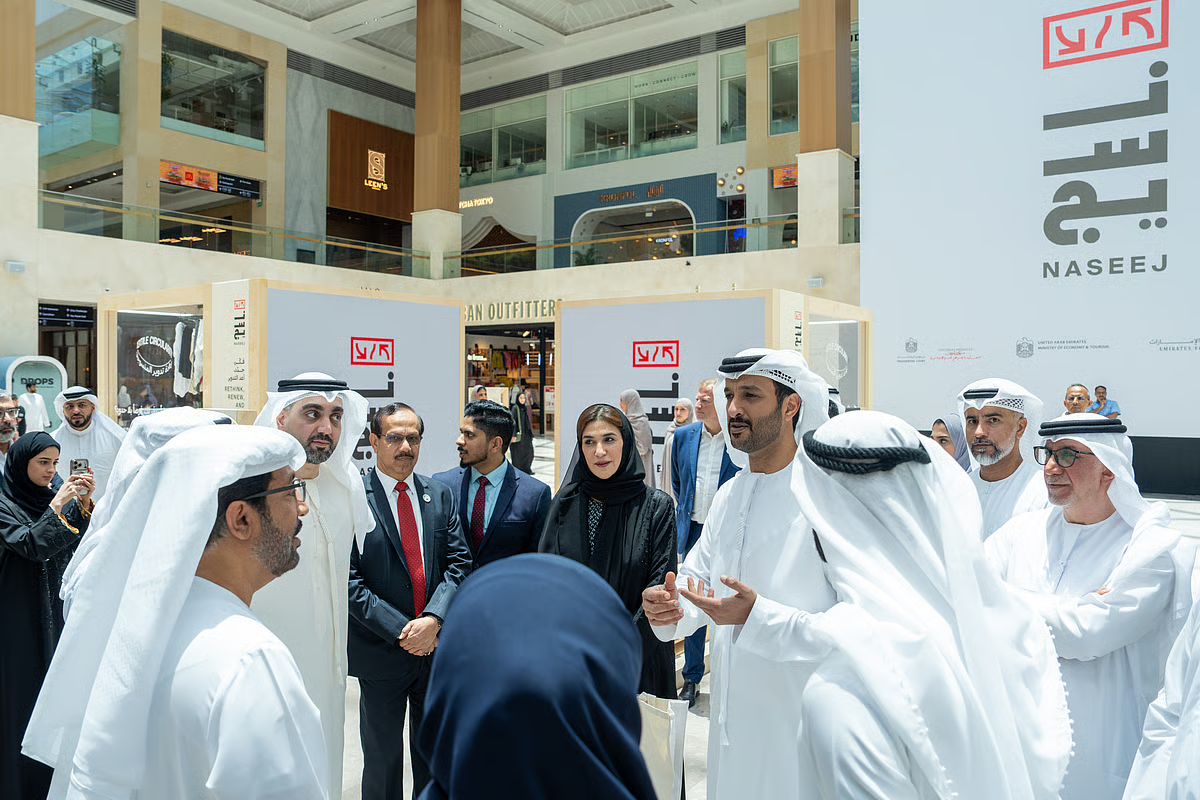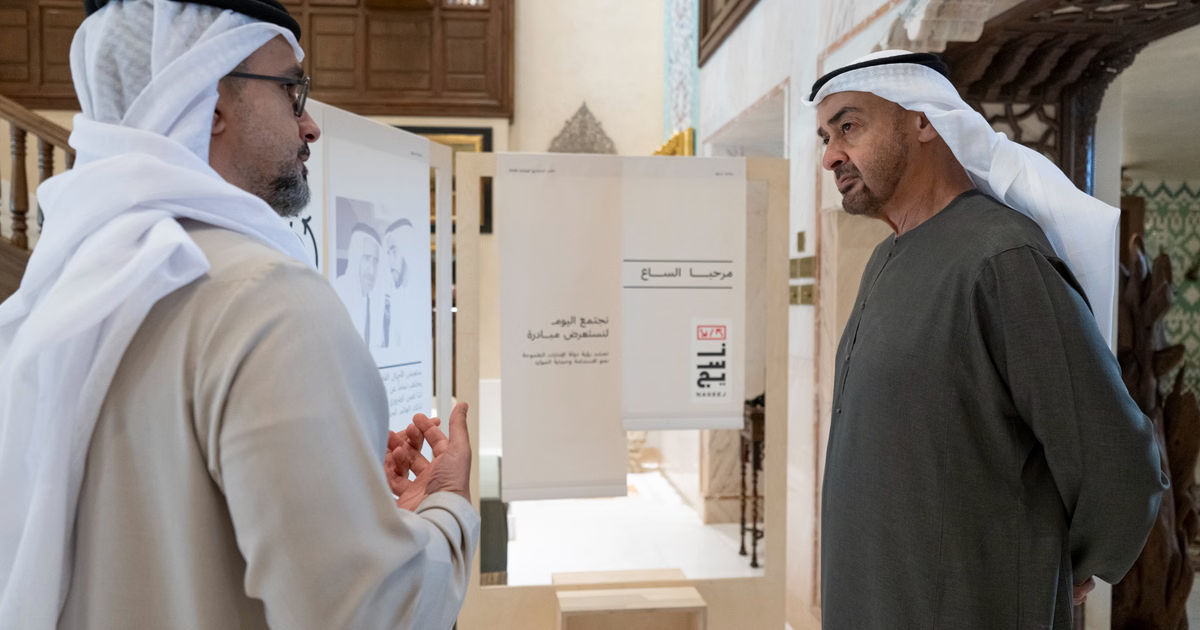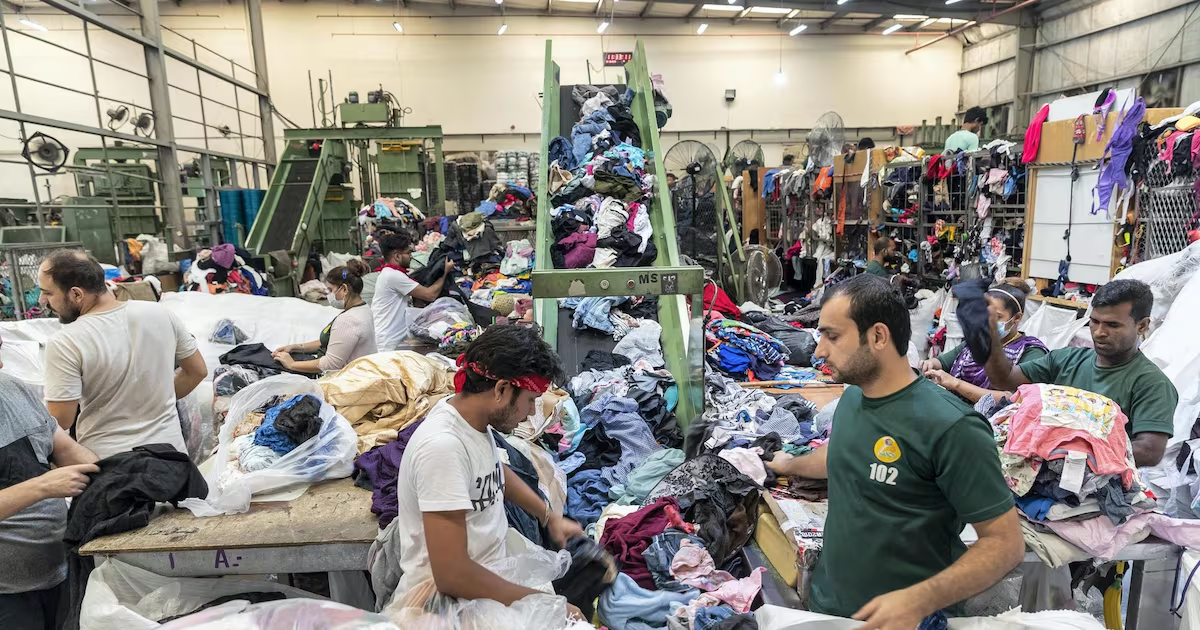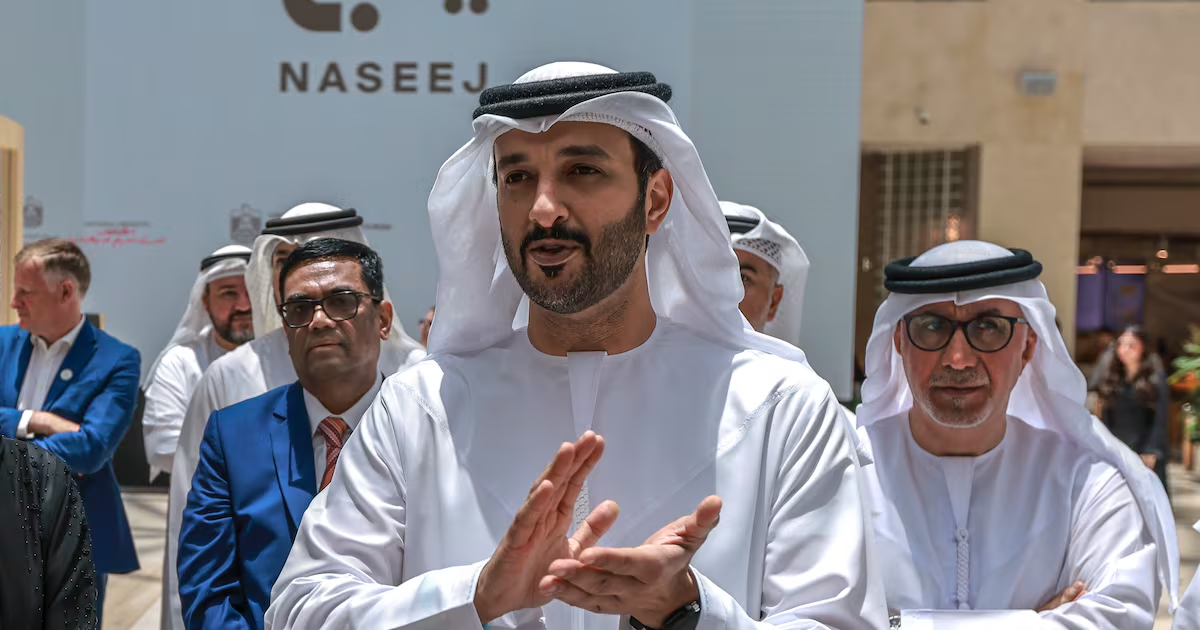
Sustainable businesses have backed a UAE government drive to tackle textile waste but they warned a shift in attitude is required to address the “environmental cost” of a throwaway clothing culture.Naseej, the National Initiative for Textile Circularity, was launched this week on a mission to reduce the 220,000 tonnes of textile waste produced each year.An inaugural community event will take place on Friday at Yas Mall in Abu Dhabi, after which a series of national programmes will be introduced to support sustainable textile practices, strengthen collection and recycling infrastructure, and advance research. “Naseej feels like a long-overdue conversation finally being given a national platform,” said Clarisse May, founder of sustainable innerwear brand Rawform. “Textile waste in the UAE has been a problem for years and 220,000 tonnes a year is not a small number.”The UAE is not alone in grappling with the issue. Every year, 92 million tonnes of textile waste is produced globally, according to figures shared by the UN last year.The UN's environment programme said textile and fashion waste typically ends up in landfill, where it takes decades to decompose and releases harmful greenhouse gases.Shaima Sibtain, founder of peer-to-peer resale platform Luved, said it was crucial to address why some consumers discard unwanted garments so easily.“It's friction, not apathy,” said Ms Sibtain. “Nobody here is attached to throwing clothes away; they just haven't been given an option easier than the bin. Convenience beats conscience every time the two compete.”Jennifer Sault, founder of Dubai charity resale shop Thrift for Good, has already signed up as a Naseej partner.She said the scale of the problem is not properly understood, making the launch of this project “timely and necessary”.She added: “I wish people understood the true environmental cost of what they discard. A single cotton T-shirt requires roughly 2,700 litres of water to produce. “When you throw it away after a season, you are discarding all of that, the water, the energy, the labour. That is what drives us … we believe in honouring what already exists rather than feeding a cycle of disposability.”Jennifer Sault founded Thrift for Good, one of the UAE's most established charity resale platforms. Photo: Gulf 4 GoodInfo“Any serious strategy has to start upstream, with how we buy and how long we keep what we own.”Removing 'second-hand stigma'Experts are clear that infrastructure alone will not close the gap. The UAE already has collection points across residential communities and malls. The barriers, they argue, are more human than logistical.There is also a social stigma surrounding second-hand clothing, said Ms Sault. “Across the diverse communities that call the UAE home, there is often a deep cultural association between second-hand clothing and financial hardship.”It is important not to dismiss these concerns but to reframe them, she added. “We believe second-hand is a conscious, stylish, values-driven choice, not a compromise … we see that narrative shifting, particularly among younger residents who wear thrifted pieces with real pride and confidence.”Shaima Sibtain launched fashion resale platform Luved, only days before Naseej was announced. Photo: LuvedInfoWhat is meaningful about Naseej is that it incorporates cultural reframing into its process, said Ms May of Rawform. “It ties it back to the UAE's own heritage of preservation, craftsmanship and resourcefulness. That cultural grounding matters. It makes sustainability feel like something we're returning to, not importing from somewhere else.”What the initiative must doThere are several areas where a national framework can achieve what individual businesses cannot, said the experts. Ms May said this includes pushing “circular thinking upstream into how every brand designs, sources and packages from day one”.The project can also help close the gap between intention and action at the consumer level. “Governments can set a target but they can't come to your house and pack the box,” said Ms Subtain. “Awareness campaigns must be matched with accessible options for people to act on them.”It is also a generational matter, added Ms Sault. “Getting into schools and connecting with young people, teaching them about conscious consumption, the value of clothing and what it means to make responsible choices – that is how you create lasting cultural change.”
UAE action plan to reduce clothing waste must address 'environmental cost' of throwaway culture | The National
Government's new sustainability project aims to reduce 220,000 tonnes of waste
682 words~3 min read