Phapano Phasha is the chairperson of the Centre for Alternative Political and Economic Thought.
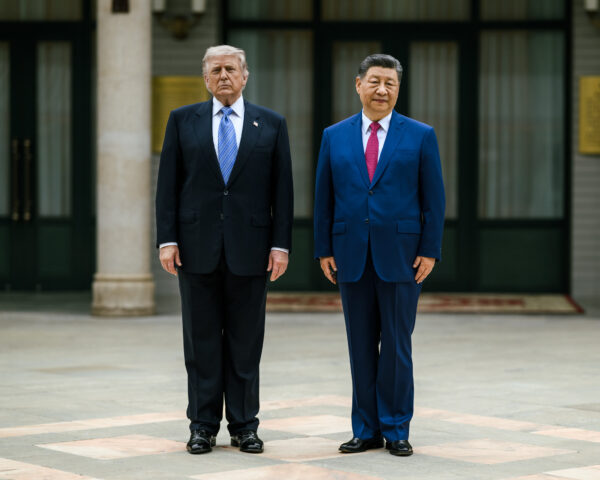
THE rule-based global order is undergoing profound transformation. As Russia and China grow stronger, challenging Western powers and their institutions, and the US engages in deep introspection about its global role, the world is facing mounting geopolitical conflicts and deepening fault lines.
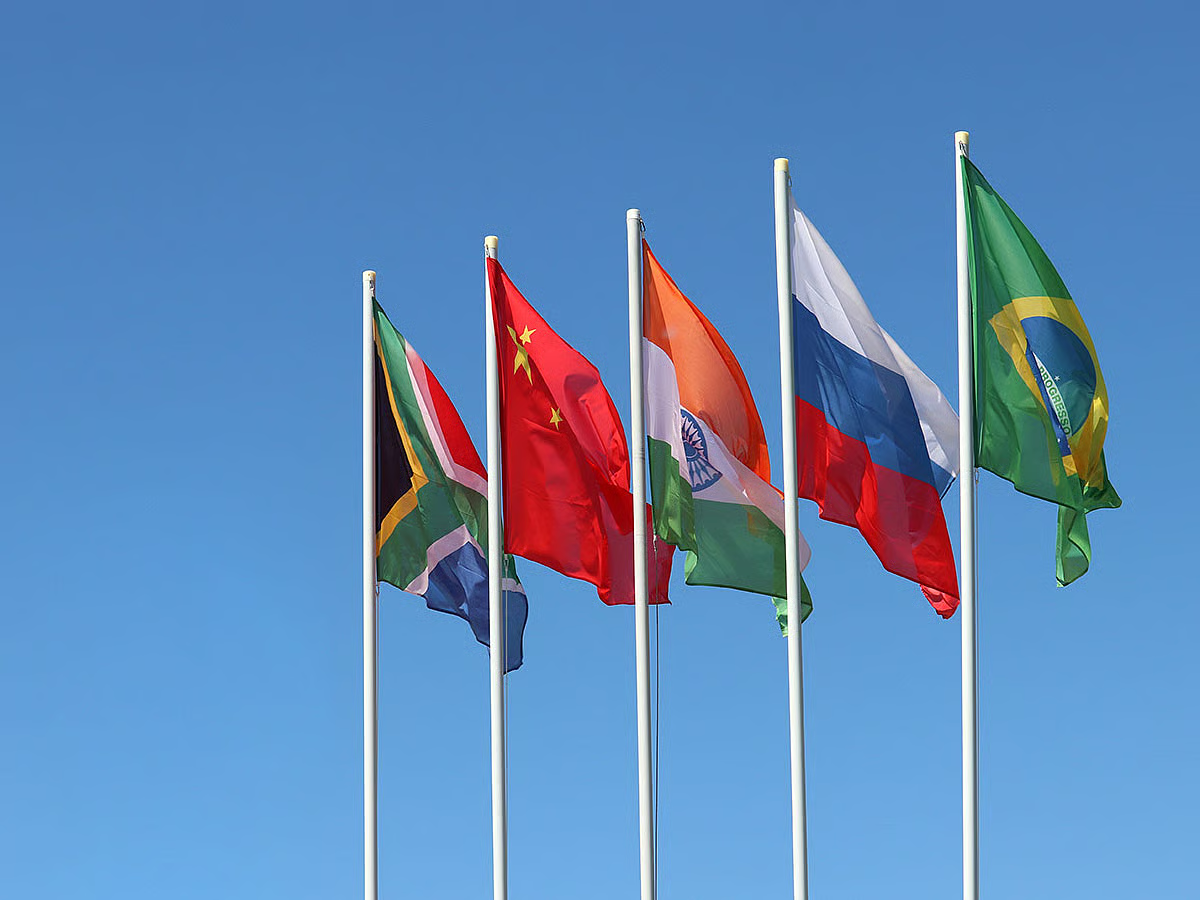
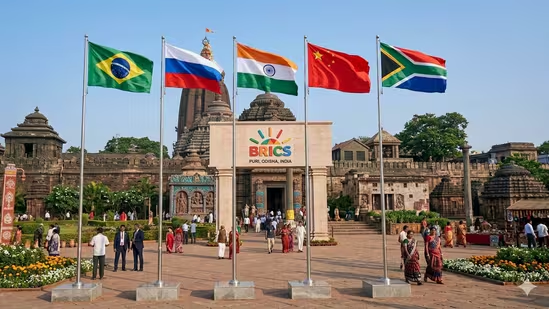
For many in the Global South, including South Africa, this turbulence, marked by calls for reformed multilateralism through platforms like BRICS, the African Union, and the G20, presents both challenges and opportunities.
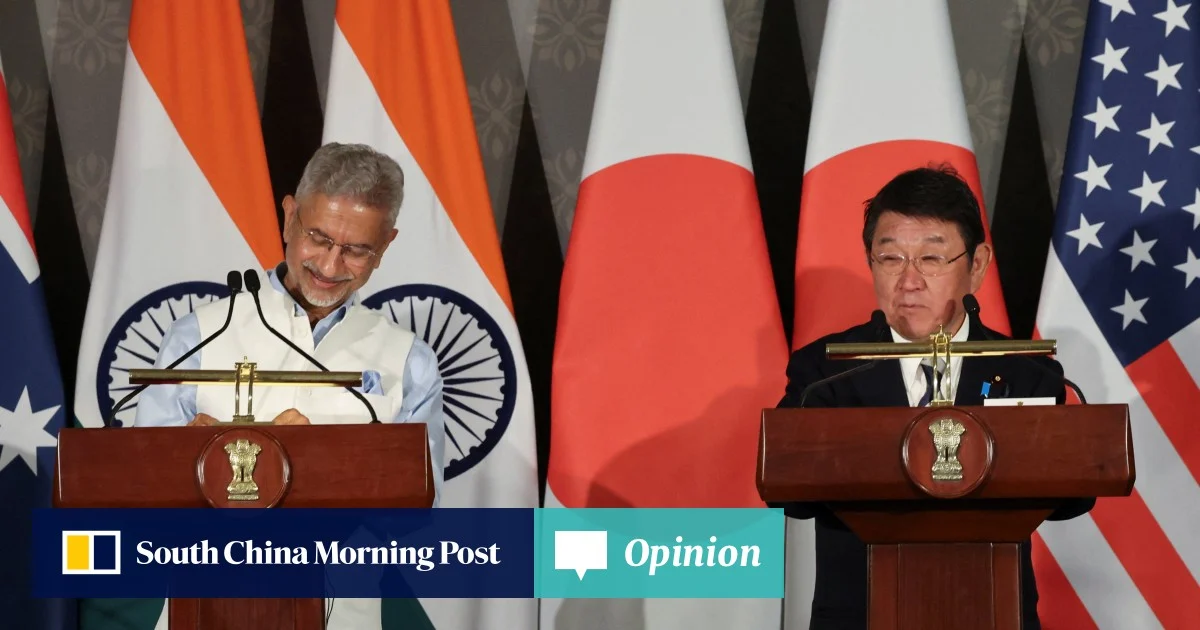
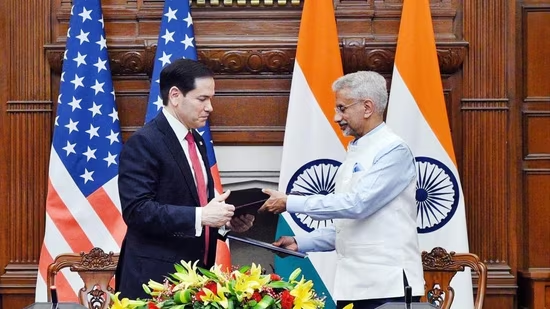
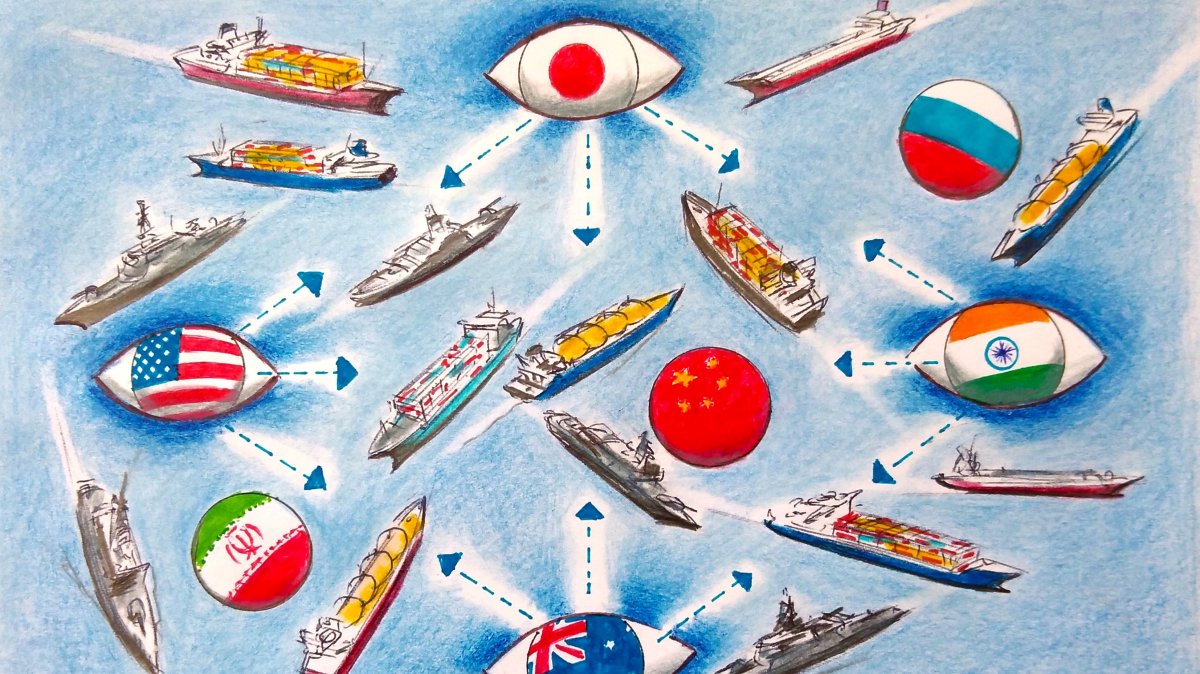
One coalition of the willing with significant potential to help stabilise this order is the Quadrilateral Security Dialogue (Quad), comprising the United States, Japan, Australia, and India. However, India has resisted turning Quad into a formal military alliance, preserving flexibility.
Consequently, India has emerged as a quintessential bridge-builder and balancer in contemporary global affairs. It maintains strategic autonomy, a policy rooted in its Non-Aligned Movement (NAM) heritage, by engaging multiple platforms without formal alliances.