Jagannath Panda
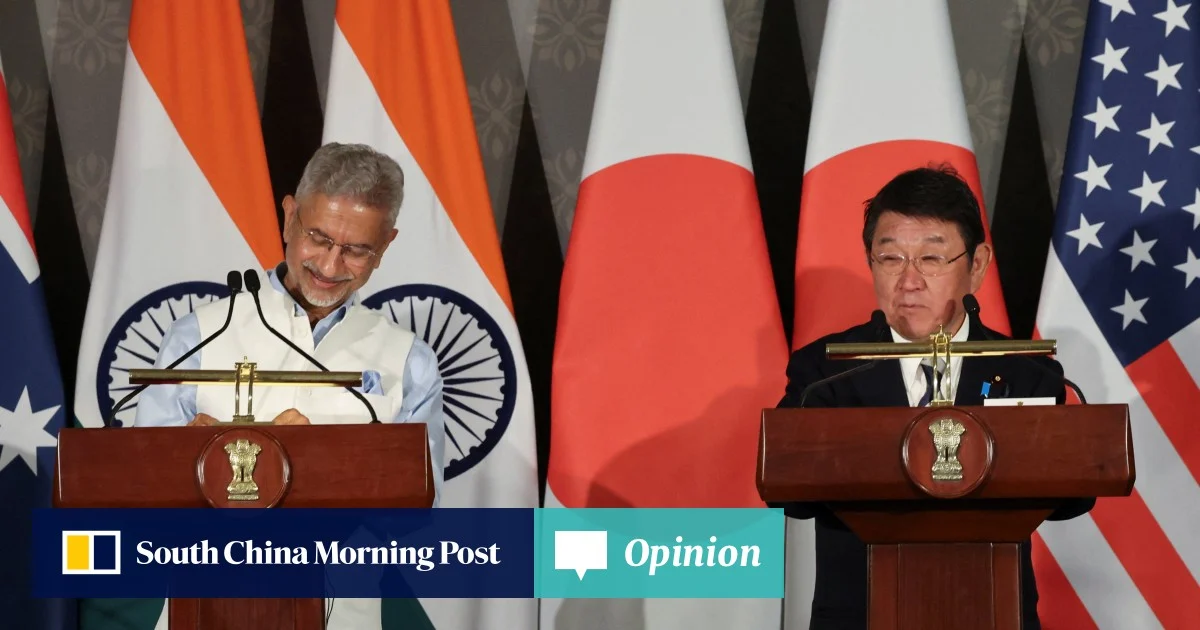
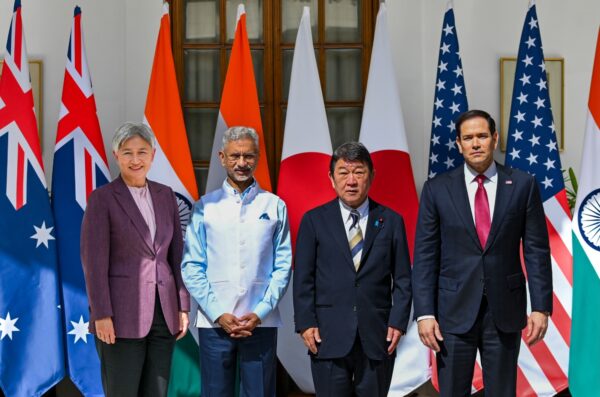
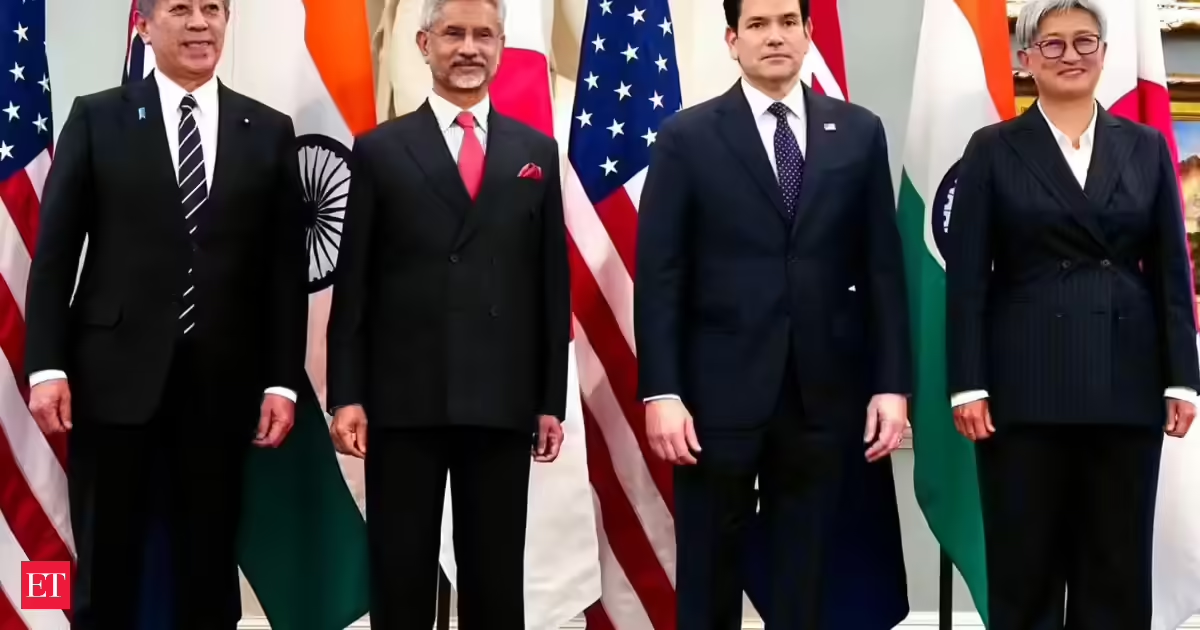
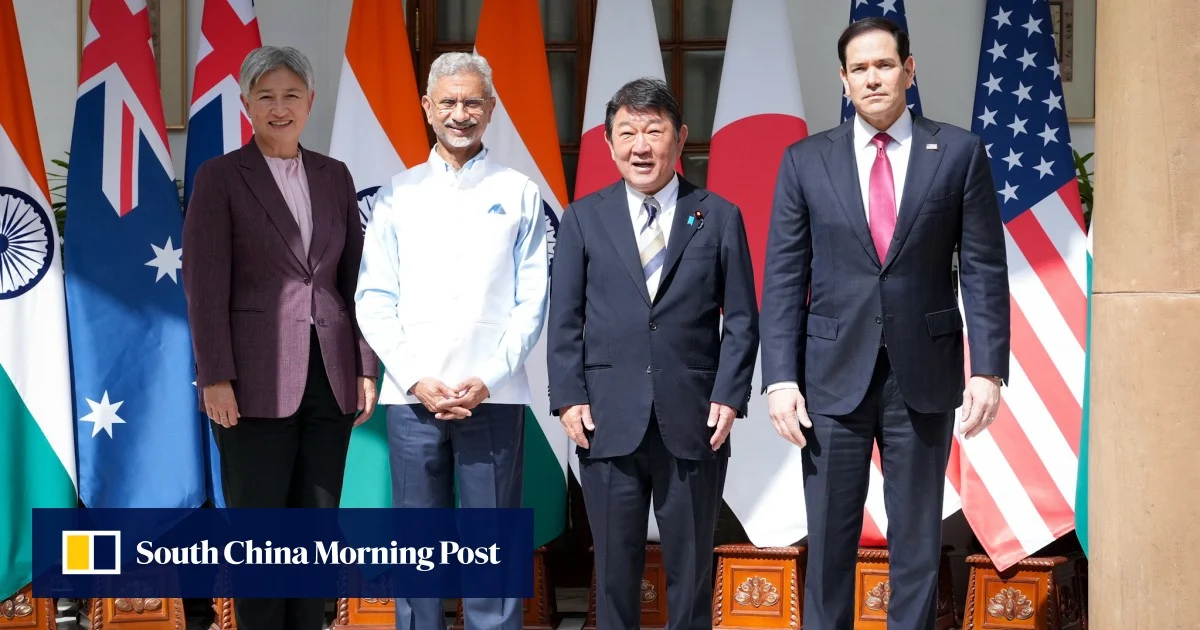
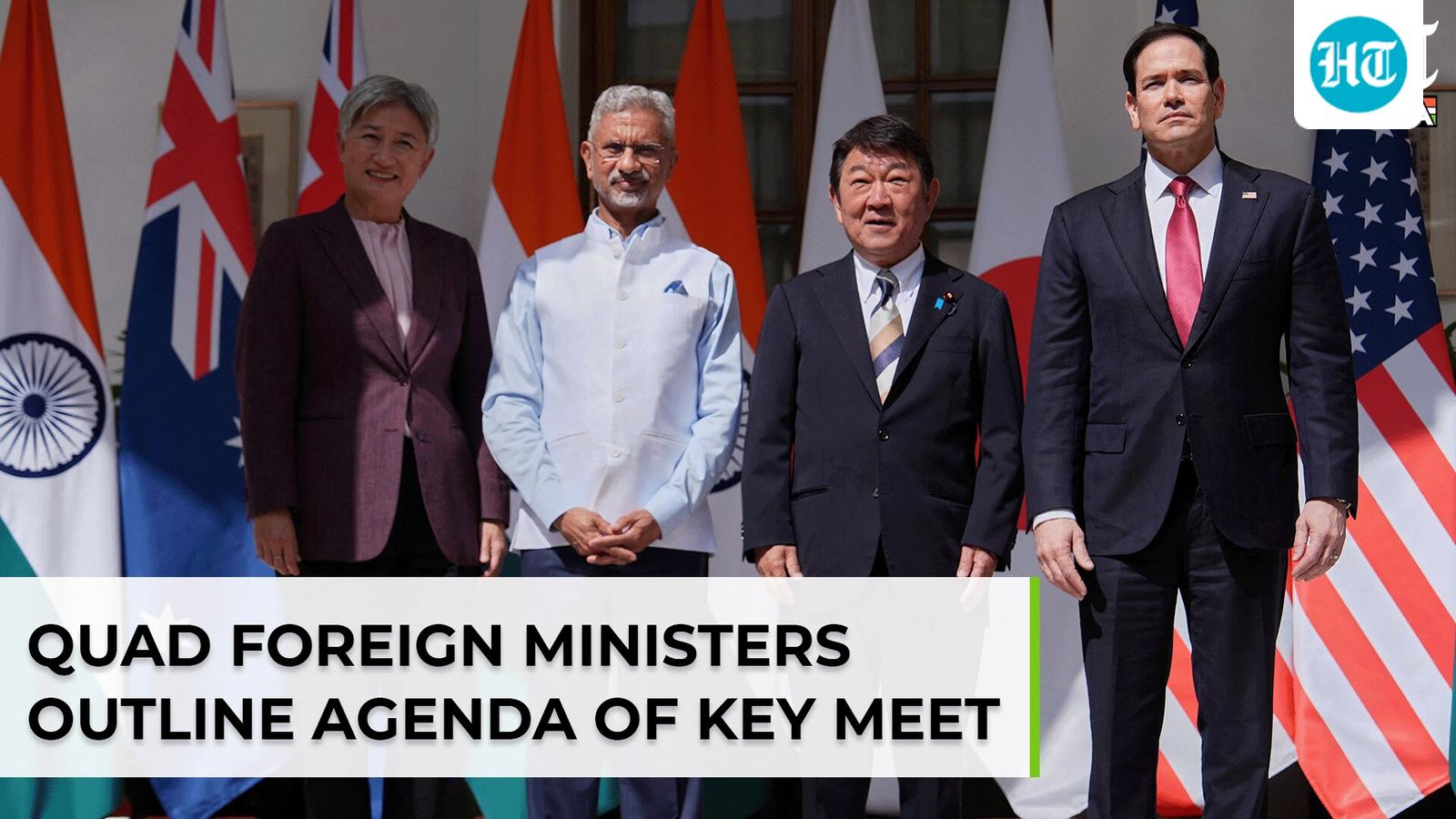
The latest Quad Foreign Ministers’ Meeting in New Delhi offered an important glimpse into how the Indo-Pacific region is being strategically reimagined. Among the many references to maritime security, economic resilience and trusted technologies, one phrase stood out prominently: “Pax Silica.” The term signals that the Quad is no longer merely a diplomatic consultation mechanism or a loose maritime framework. It is increasingly evolving into a broader strategic and technological architecture centered on semiconductors, supply chains, critical minerals, digital infrastructure, cyber resilience and advanced manufacturing. In many ways, the Quad is quietly transitioning from naval security dialogue into a platform that seeks to shape the future economic and technological order of the Indo-Pacific.
This transformation also explains why the Quad remains highly relevant despite skepticism surrounding its purpose and longevity. Critics had long argued that the Quad lacked institutional depth, possessed no treaty obligations and consisted of countries with different strategic priorities. However, the Indo-Pacific itself has changed dramatically over the last decade. Strategic competition today is no longer confined to military deployments or naval deterrence. It increasingly revolves around who controls technological ecosystems, supply chains, critical infrastructure, data networks and industrial production. The Quad’s expanding agenda reflects this reality.