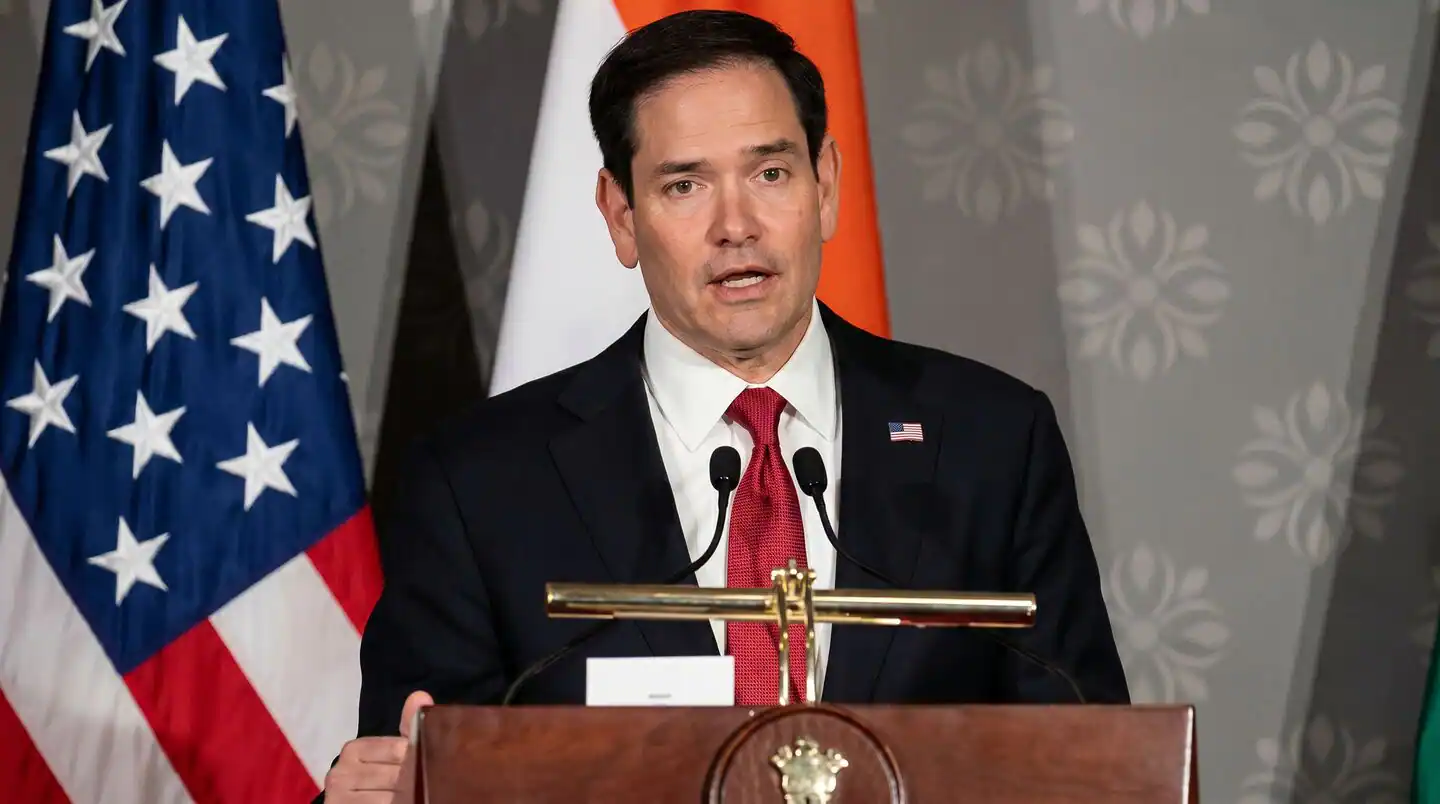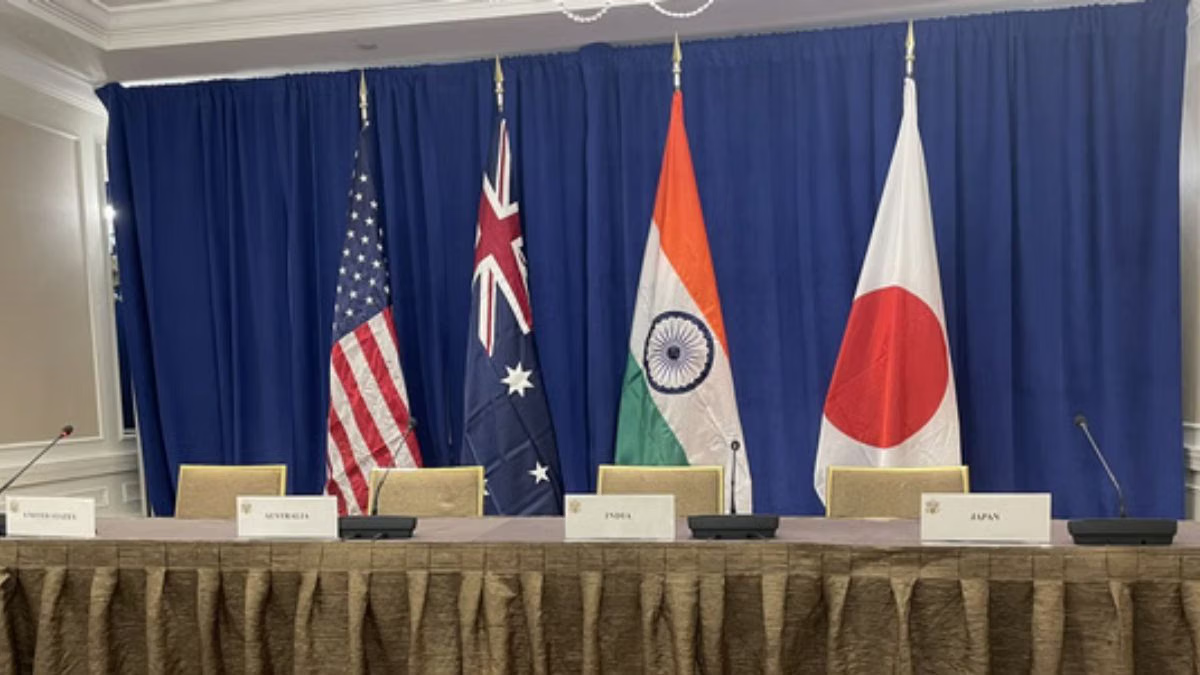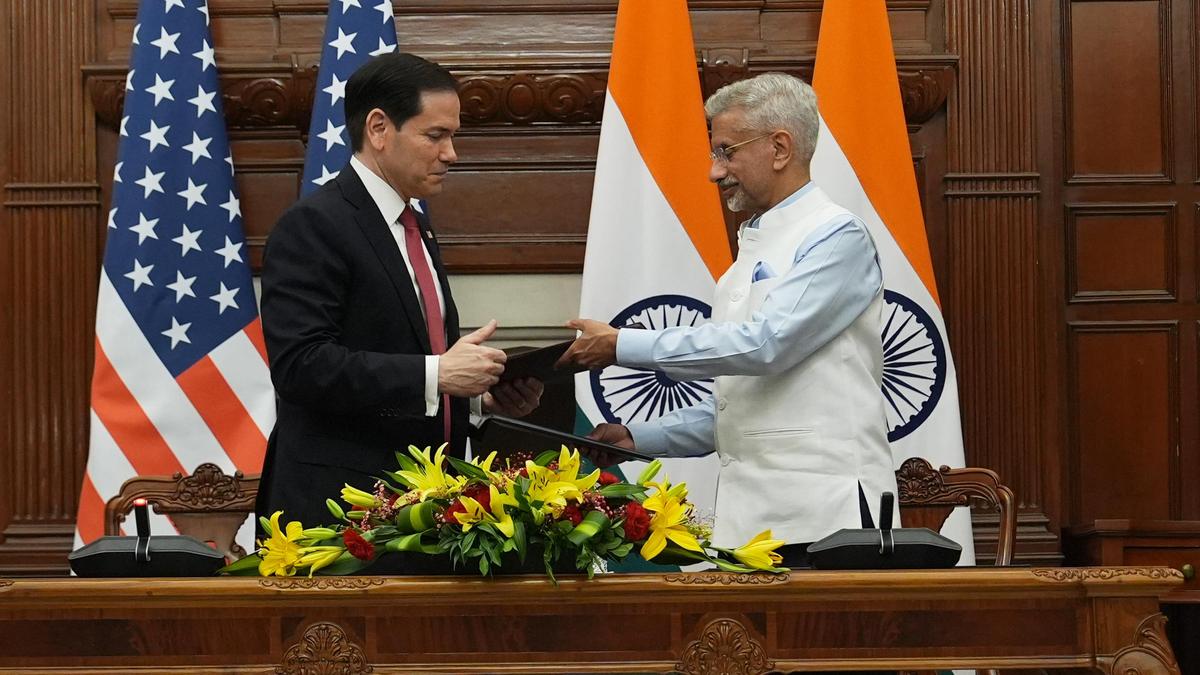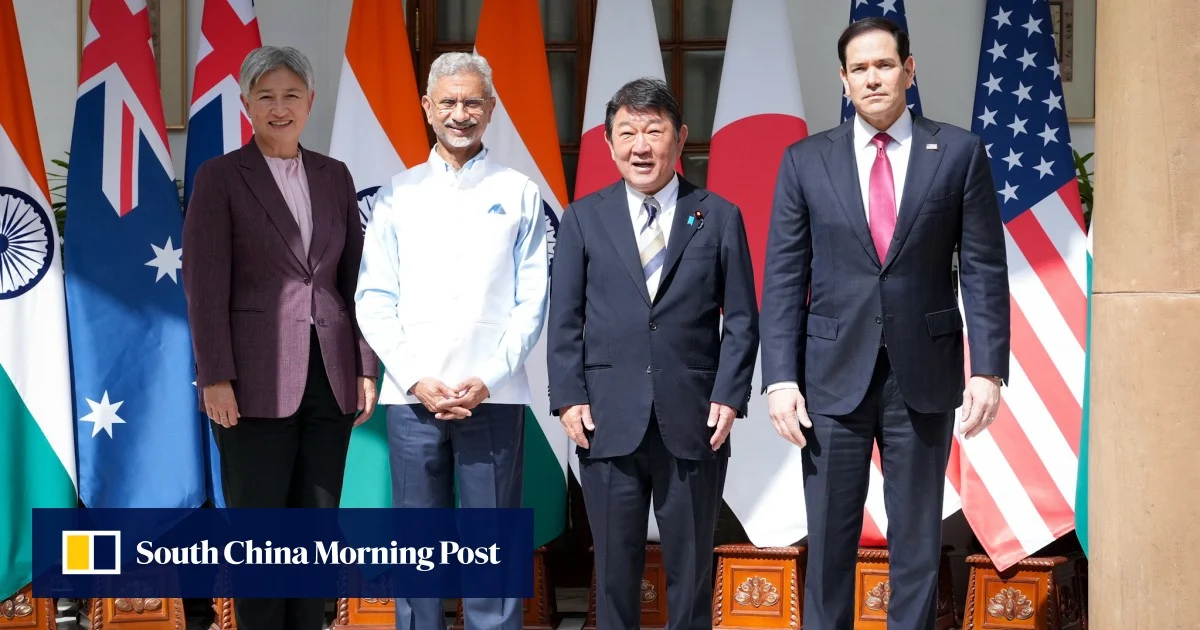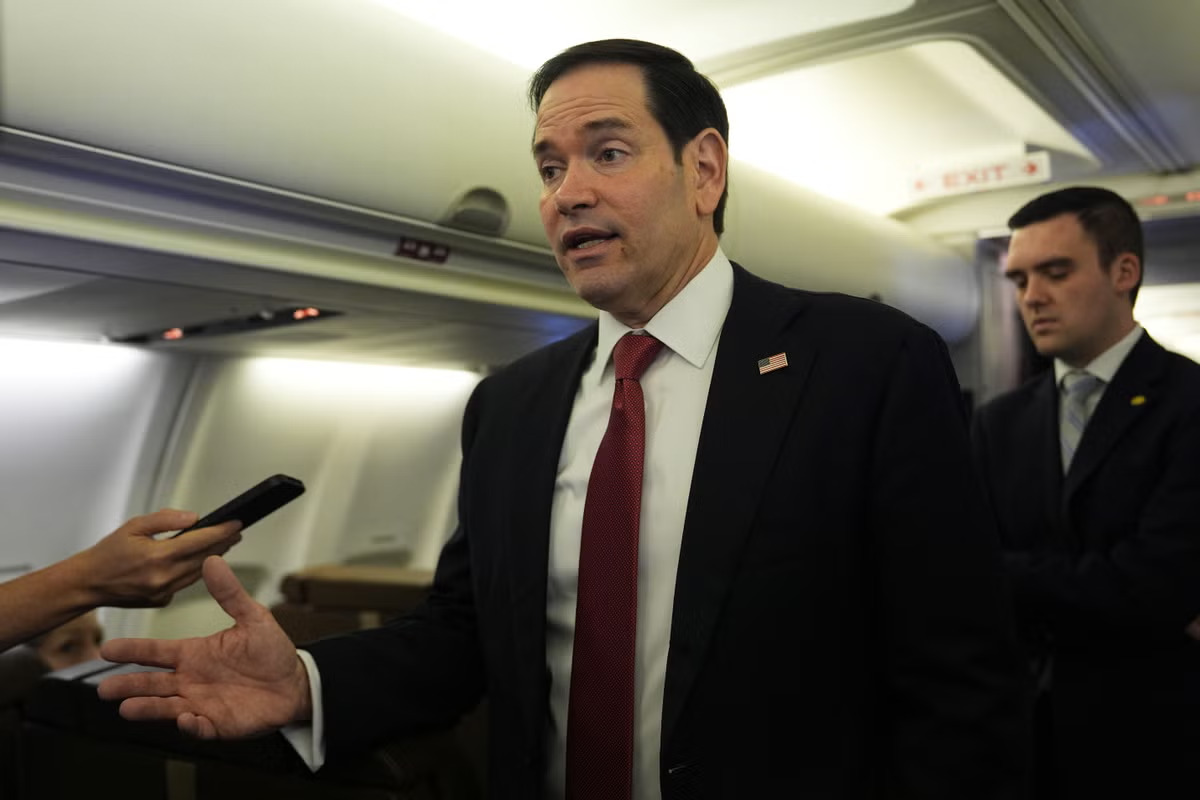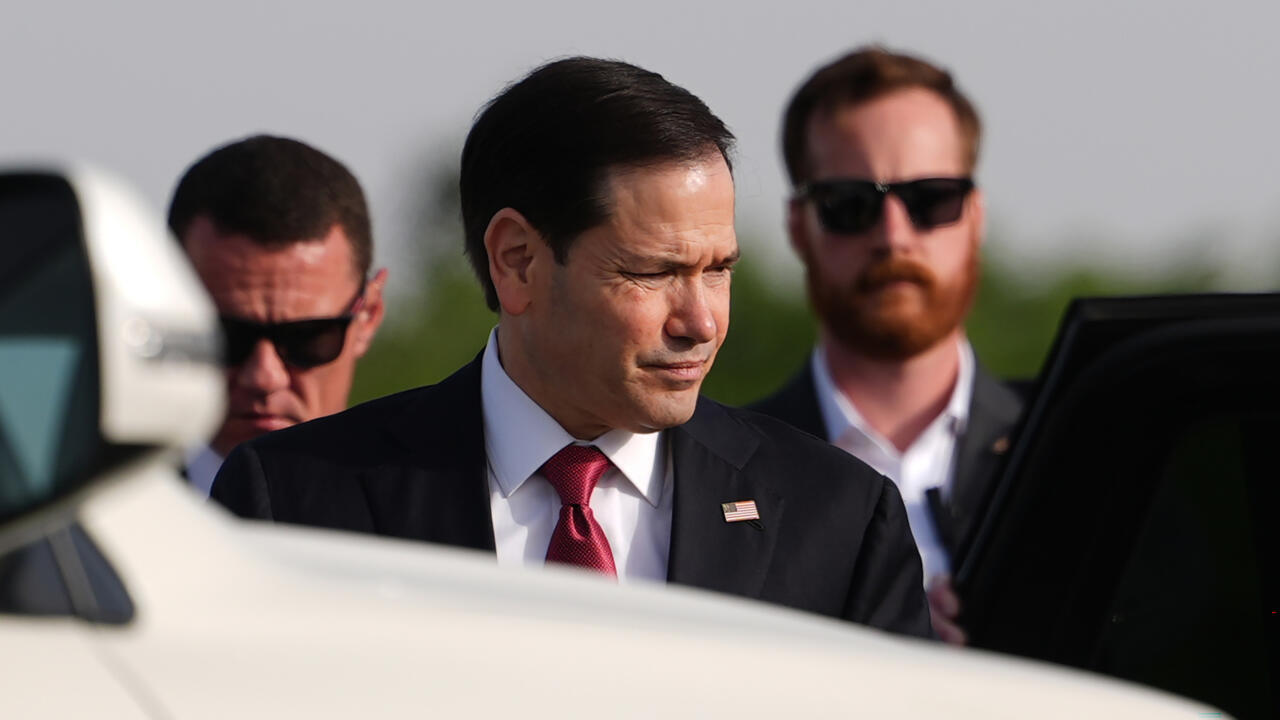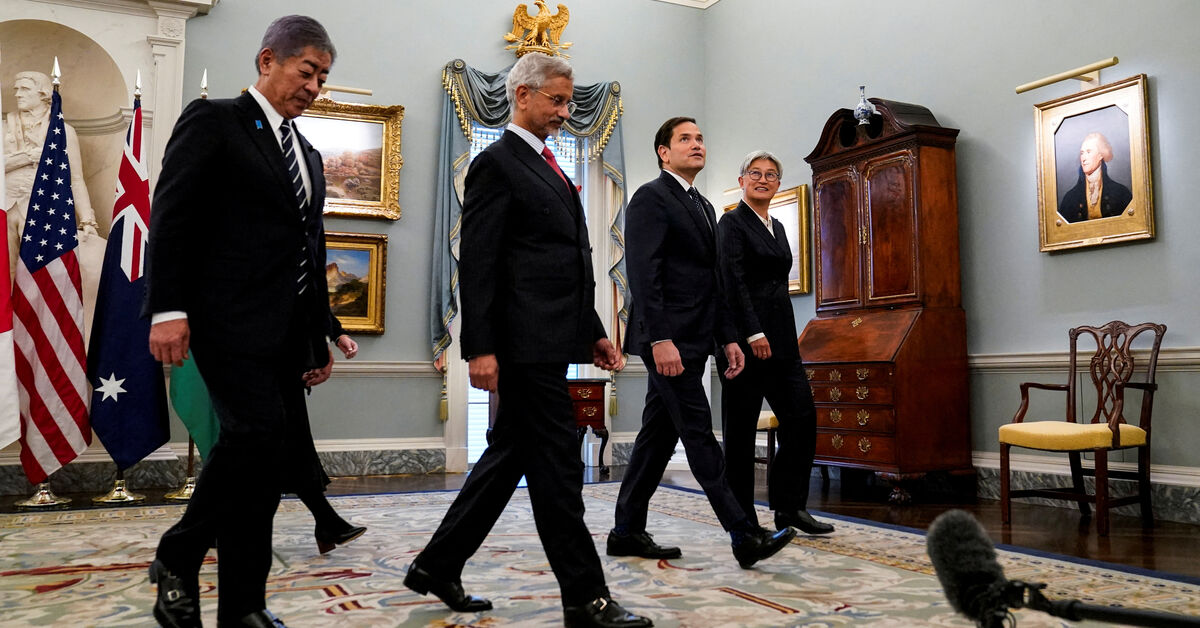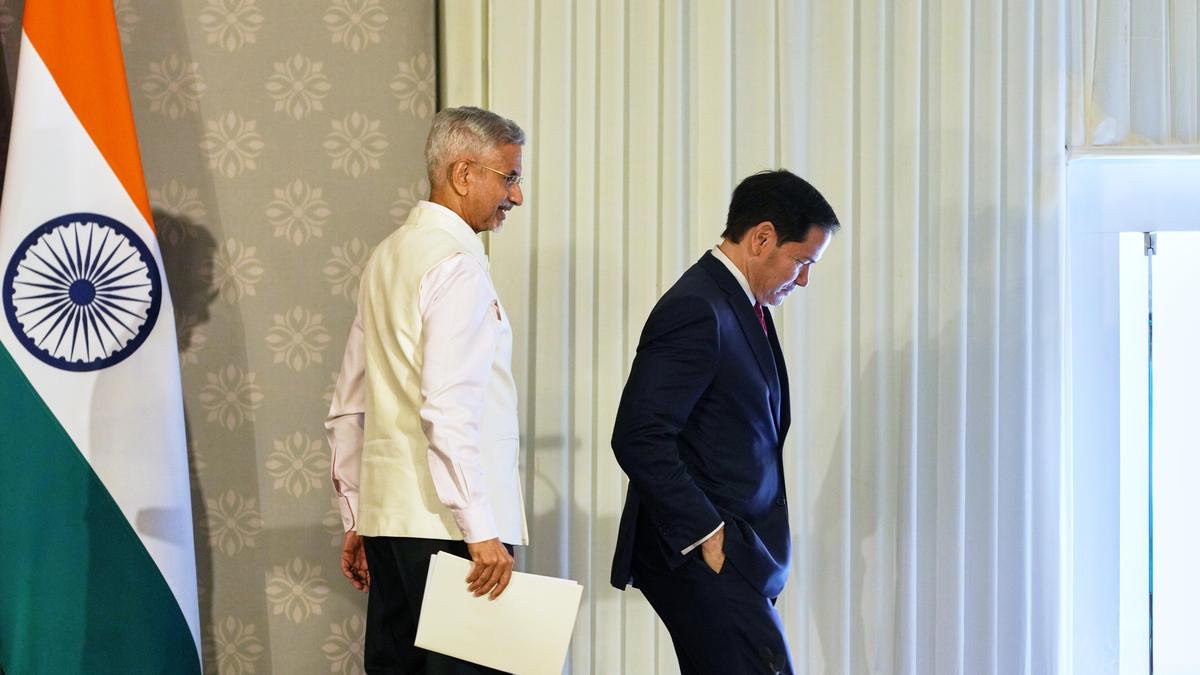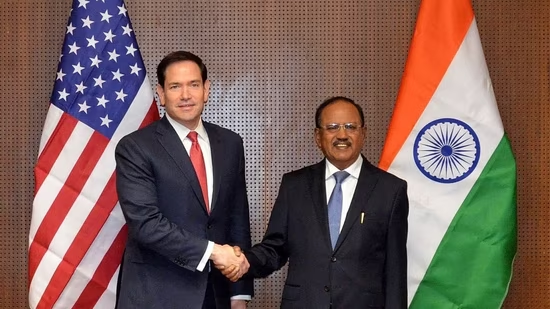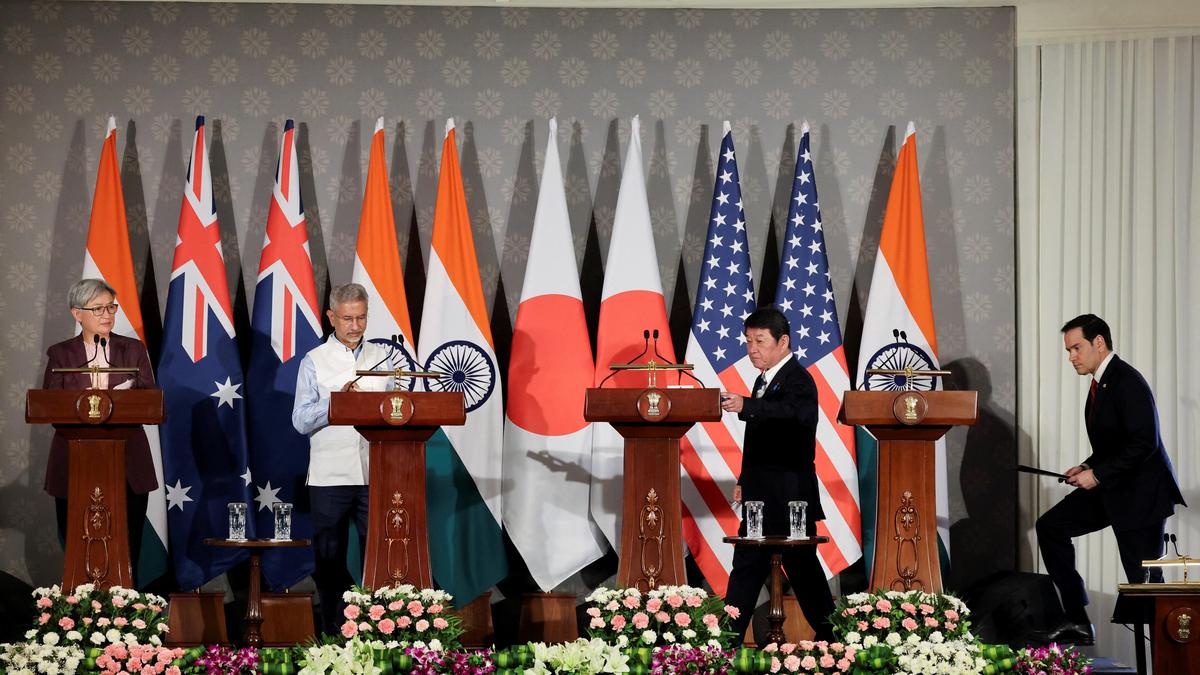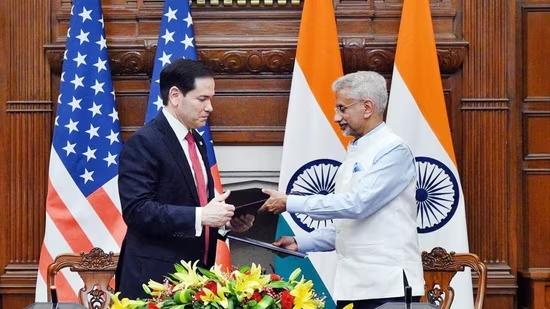
There was something quietly significant about this year’s Quad foreign ministers’ meeting in New Delhi, and it had less to do with the official statements than with the political choreography surrounding them. When US secretary of state Marco Rubio arrived in India ahead of the summit engagements, it did not merely signal diplomatic enthusiasm. It reflected a larger geopolitical truth: Washington increasingly sees India not as a partner that needs persuasion, but as a power that must be consulted before the Indo-Pacific story is written. That distinction matters.Indian External Affairs Minister S. Jaishankar and United States Secretary of State Marco Rubio sign the India–US Framework for Securing Supply in the Mining and Processing of Critical Minerals and Rare Earths. (Photo by @ MEAIndia)For years, Quad, comprising India, the US, Japan, and Australia, was viewed almost entirely through the prism of China. Was it an Asian NATO? A balancing coalition? A strategic warning to Beijing? But the conversations in New Delhi suggested Quad is evolving into something much bigger: A platform not merely to counter threats but to shape the economic and technological order of the Indo-Pacific.Alongside familiar references to sovereignty, territorial integrity, and freedom of navigation, the summit focused heavily on resilient supply chains, critical minerals, energy security, undersea cables, AI, semiconductors, and maritime infrastructure. In other words, Quad is no longer talking only about warships and deterrence. It is talking about who will control the systems that power the 21st-century global economy. And this is where India becomes indispensable.Unlike Japan or Australia, India is not a treaty ally of the US. It refuses to fit neatly into Cold War binaries. It buys Russian oil while deepening defense cooperation with Washington. It participates in BRICS while simultaneously anchoring the Indo-Pacific strategy. For years, this strategic ambiguity frustrated western policymakers. Today, it increasingly fascinates them. The emerging world order is not dividing cleanly into ideological camps. Middle powers want flexibility, issue-based coalitions, and strategic autonomy. India has mastered that language better than perhaps any major country today. The New Delhi summit reflected Washington’s growing acceptance that India will partner with the West, but on its own terms.Rubio’s early arrival symbolised precisely that shift. Diplomacy often speaks loudest through gestures. Earlier generations of India-US ties were transactional: the nuclear deal, defence agreements, and trade disputes. Today, the relationship is psychological and structural. The United States sees India as the only democratic power with the demographic scale, economic potential, and geopolitical positioning capable of shaping Asia’s future balance. India, meanwhile, sees America less as a patron and more as a force multiplier for its own rise.The Roosevelt House reception hosted by US ambassador to India Sergio Gor and close Trump ally, carried significance far beyond diplomatic formality. The guest list, timing, and optics reflected how central India has become to Washington’s long-term strategic imagination. Equally telling was Donald Trump’s outreach around the summit, which underscored a rare bipartisan continuity in American foreign policy. In a deeply polarised Washington, India remains one of the few relationships that commands broad strategic consensus. Whether under Democrats or Republicans, the message increasingly appears the same: The US sees India as indispensable to the future balance of the Indo-Pacific.What was equally striking at the summit was the recognition that economic security is now inseparable from national security. Quad’s repeated emphasis on diversified supply chains and reducing dependence on any one country was diplomatically coded language, but the implication was obvious. China’s rise was built not merely through military power but through manufacturing dominance, infrastructure financing, and technological centrality. Quad now appears to understand that strategic competition cannot be won through naval exercises alone.This explains the focus on critical minerals, trusted technology ecosystems, and semiconductor cooperation. The newly announced Quad Critical Minerals Framework is especially significant because it reveals where the next geopolitical contest lies. Whoever controls critical minerals and advanced technology supply chains will shape the future global economy. India is no longer being viewed merely as a balancing force against China; it is increasingly being positioned as an alternative production and innovation hub.Yet beneath the optimism lies a deeper question: Can India continue balancing multiple worlds indefinitely? Can it remain the voice of the Global South while also becoming central to western strategic frameworks? Can strategic autonomy survive in a world where technology, trade, and geopolitics are becoming deeply intertwined? Those contradictions will only grow sharper with time.Still, the larger message from New Delhi was unmistakable. Quad is no longer just a reactive coalition responding to China’s rise. It is slowly becoming an attempt to build a new Indo-Pacific order, one based on trusted technology, resilient economies, and flexible partnerships rather than rigid alliances. And perhaps that is why Rubio’s early arrival mattered more than it seemed. Sometimes geopolitics is not announced through treaties or dramatic declarations. Sometimes, it arrives a day early.(The view expressed are personal)This article is authored by Kamakshi Wason, Global COO, Tillotoma Foundation.
Quad in New Delhi: India’s strategic moment
This article is authored by Kamakshi Wason, Global COO, Tillotoma Foundation.
820 words~4 min read