Search+Intelligent InvestingSynopsisIndia changed the base year used to measure its economy from 2011-12 to 2022-23. The first full-year provisional numbers under the new yardstick landed on June 5. Real GDP growth for FY26 came in at 7.7%, while nominal GDP stood at Rs. 346.36 lakh crore. The economy did not suddenly change. The denominator did. That matters because every macro ratio investors look at (debt-to-GDP, market-cap-to-GDP, tax-to-GDP) now sits on a recalibrated base. This is the framework investors need before the next round of macro headlines arrives.Your home loan rate, your fixed deposit return, the yield on your debt fund, and the discount rate used to value your largest equity holding. All of these depend on one broad macro number: Gross Domestic Product, or GDP. On June 5, the Ministry of Statistics and Programme Implementation, or MoSPI, released India’s FY26 provisional GDP numbers under a measurement system that had changed three months earlier. Real GDP grew 7.7%. The fourth quarter ETMarkets.com 13 mins readJun 07, 2026, 04:29:00 PM ISTGift this Story to your friendsFONT SIZEAbcSmallAbcMediumAbcLargeSAVEPRINTCOMMENTContinue reading with one of these options:Limited AccessFreeLogin to get access to some exclusive stories & personalised newslettersLogin NowUnlimited AccessStarting @ Rs120/monthGet access to exclusive stories, expert opinions & in-depth stock reportsSubscribe NowETUh-oh! This is an exclusive story available for selected readers only.Worry not. You’re just a step away.What’s Included withETPrime Membership
India's new GDP yardstick: What changed, what did not, and what every investor should now read differently
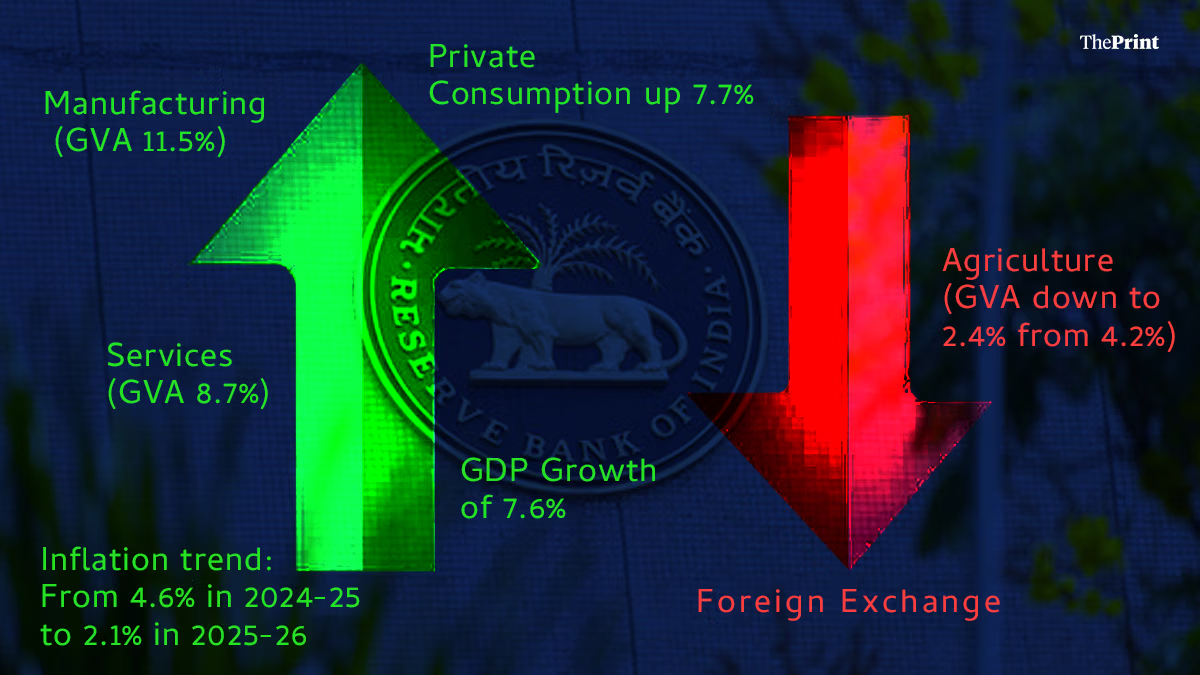
India changed the base year used to measure its economy from 2011-12 to 2022-23. The first full-year provisional numbers under the new yardstick landed on June 5. Real GDP growth for FY26 came in at 7.7%, while nominal GDP stood at Rs. 346.36 lakh crore. The economy did not suddenly change. The denominator did. That matters because every macro ratio investors look at (debt-to-GDP, market-cap-to-GDP, tax-to-GDP) now sits on a recalibrated base. This is the framework investors need before the next round of macro headlines arrives.
India rebased GDP from FY11-12 to FY22-23; FY26 growth 7.7%, Rs 346 lakh crore, resetting debt-to-GDP and valuation benchmarks. Base-year shift impacts macroeconomic signals fundamental to corporate investment, borrowing costs, and M&A valuation frameworks.