India has revised its methodology for measuring economic growth after a decade. Better calculations matter, but the real test lies in how policymakers interpret them, and turn them into decisions that shape everyday life.
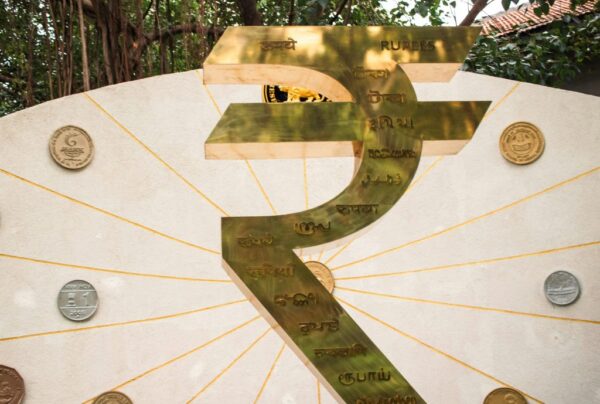
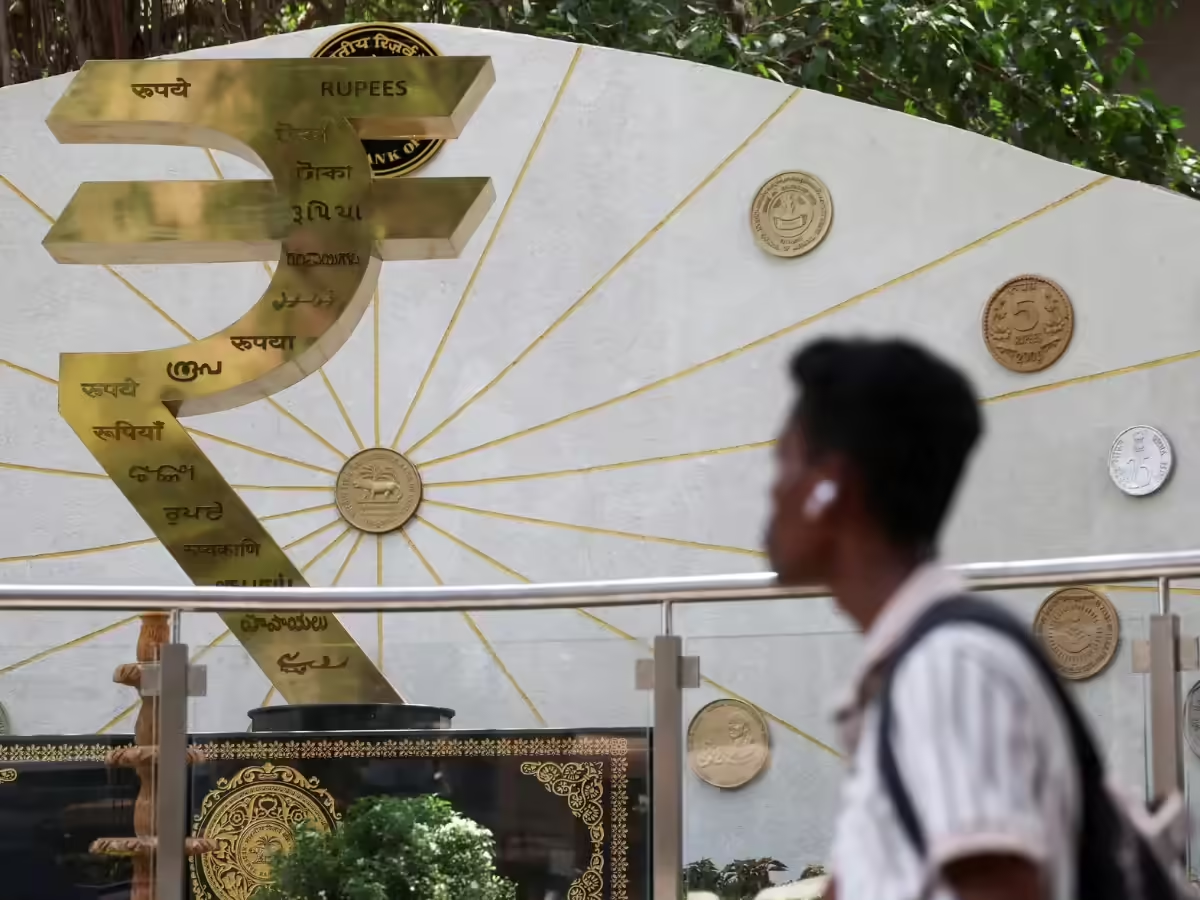
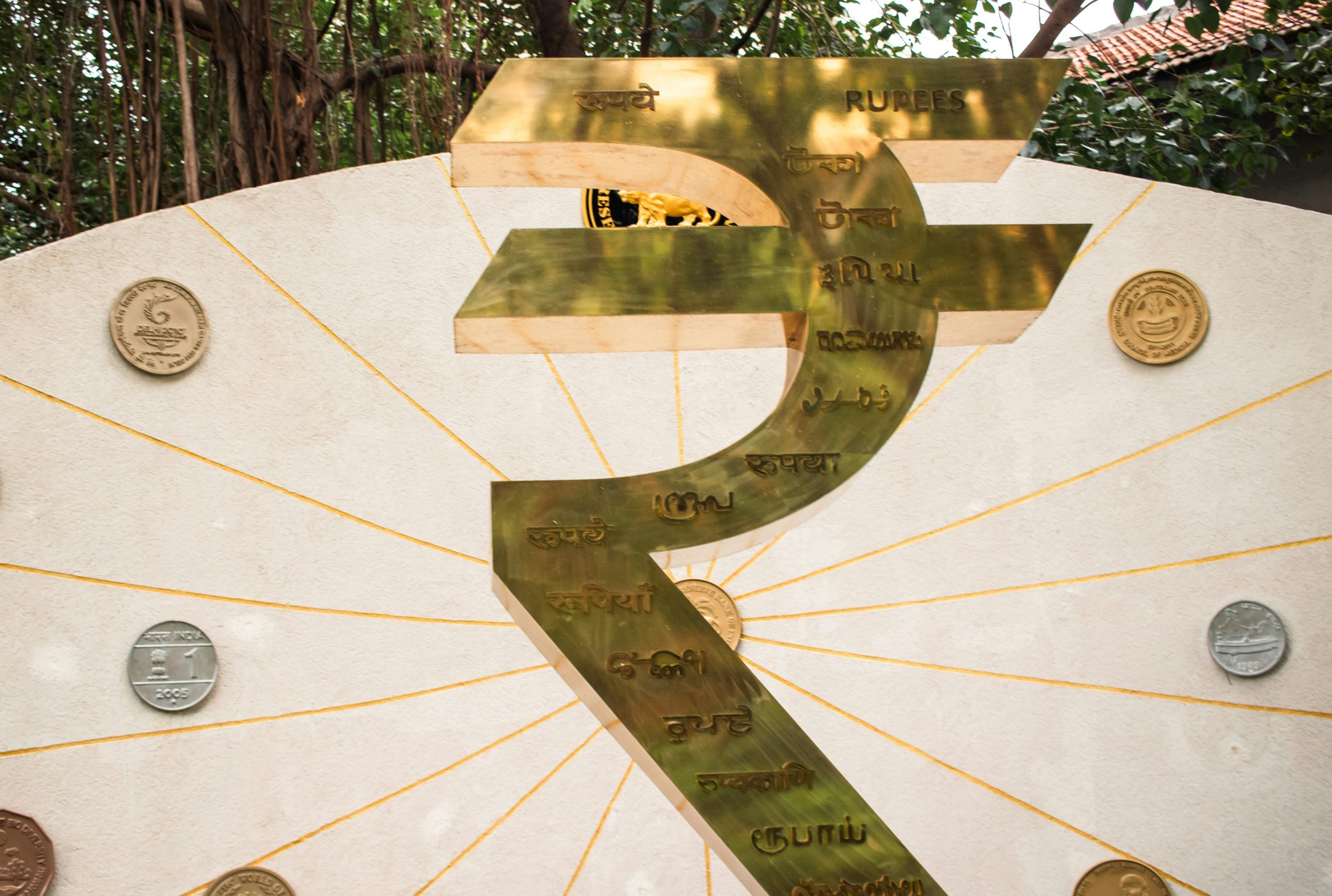
A sculpture of the Indian Rupee (₹) symbol in the historic Fort district of South Mumbai, symbolizing India’s growing economic identity and financial independence. Photo credit: Joshua Colah/Unsplash
India has revised its methodology for measuring economic growth after a decade. Better calculations matter, but the real test lies in how policymakers interpret them, and turn them into decisions that shape everyday life.
Amidst the ongoing West Asia crisis, the Indian economy is expected to take a hit: the World Bank’s latest projections suggest that the country’s GDP growth could fall to 6.6 percent in this financial year.
The government’s own recent projections, released earlier this year, tell a more upbeat story though — a GDP of 7.6 percent in the current financial year, after recent updates were made in the way India measures economic growth.