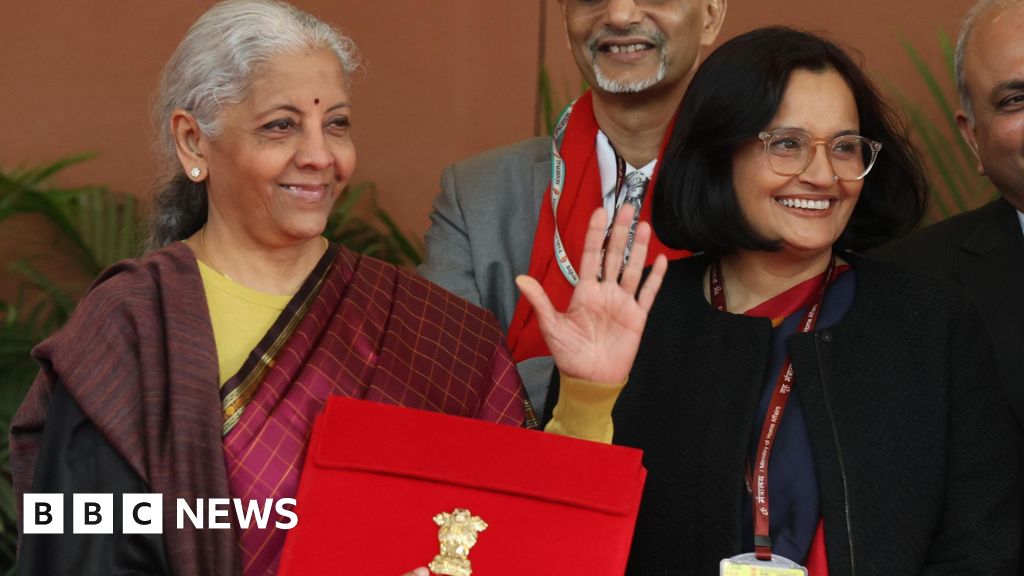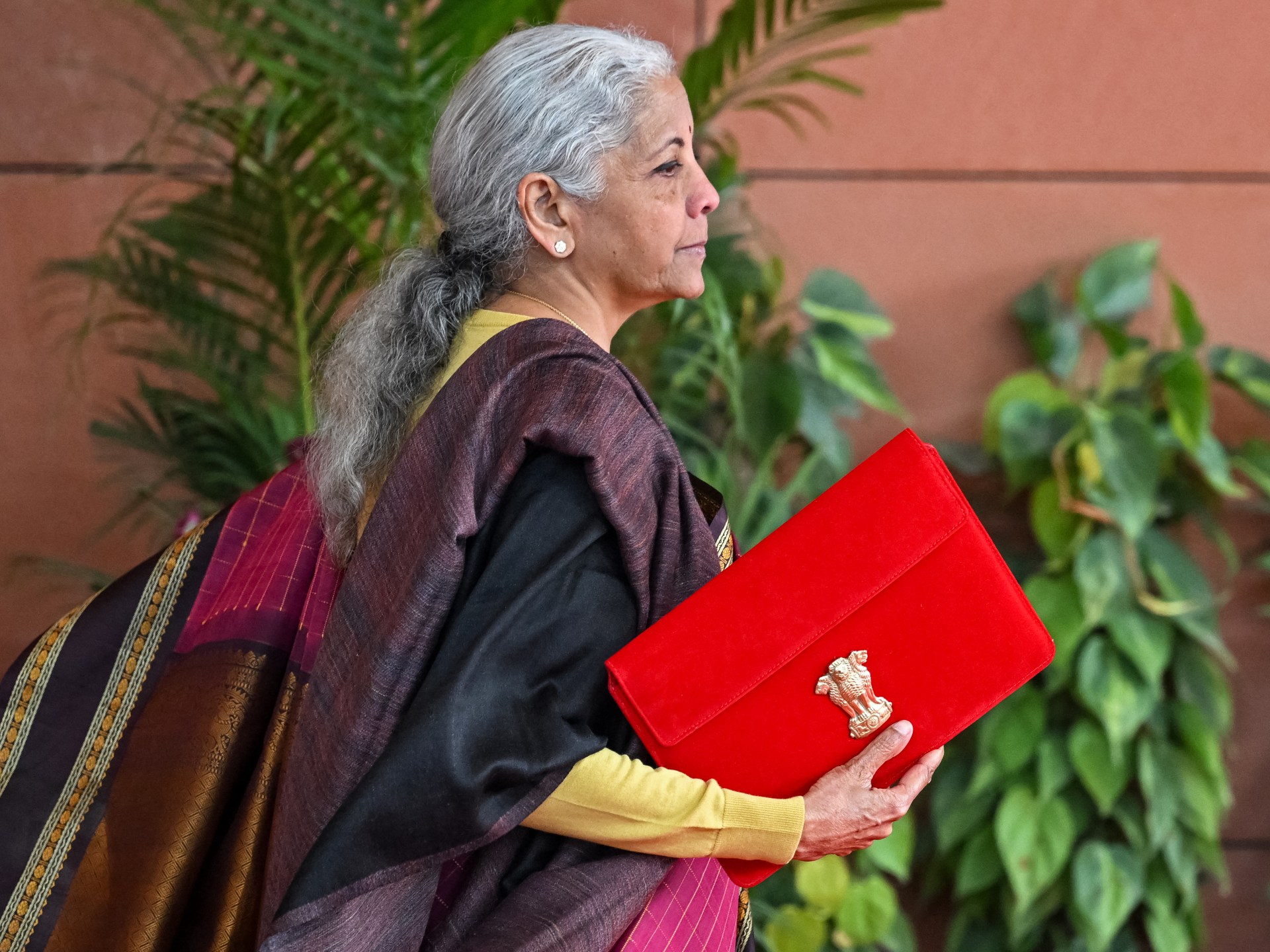
As India's Finance Minister, Nirmala Sitharaman, gets ready to present the annual budget this Sunday, the country's economy, on the face of it, appears to be doing well.
India is on track to end the financial year with growth of 7.3%, cross $4tn (£2.97tn) in gross domestic product (GDP) and overtake Japan as Asia's second-largest economy.
Retail inflation is below 2% and expected to remain under the central bank's target in the coming months. Agriculture output, which supports about half the population, has been strong, cereal production is robust and government granaries are well stocked - boosting rural incomes.
Last year's income tax cuts and the rationalisation of the goods and services tax (GST) - a levy on consumption - have also lifted consumer demand and stimulated spending. India's central bank, Reserve Bank of India (RBI), has described this combination of high growth and low inflation as a "Goldilocks" phase - a term coined by US economist David Shulman to describe an economy expanding at just the right pace, with good jobs growth.
But the strong headline numbers conceal some of the deeper challenges.