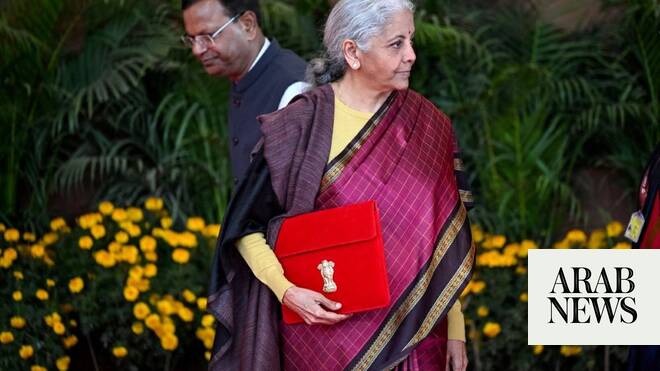
NEW DELHI: India’s latest budget has emerged as one of its most technology-focused, with new measures to utilize artificial intelligence, semiconductor manufacturing, and expand digital infrastructure aimed at offsetting the impact of global tariff wars.
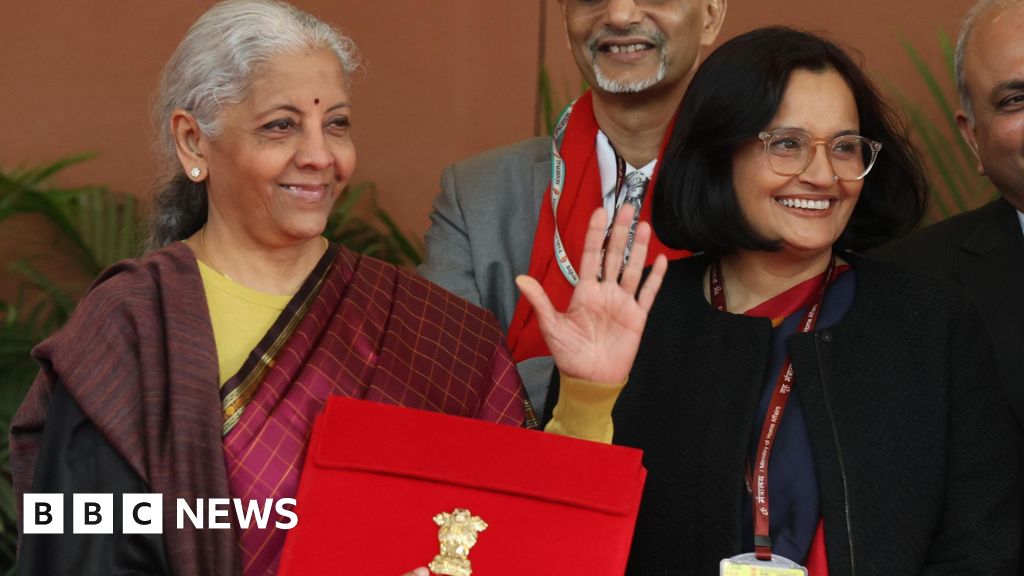
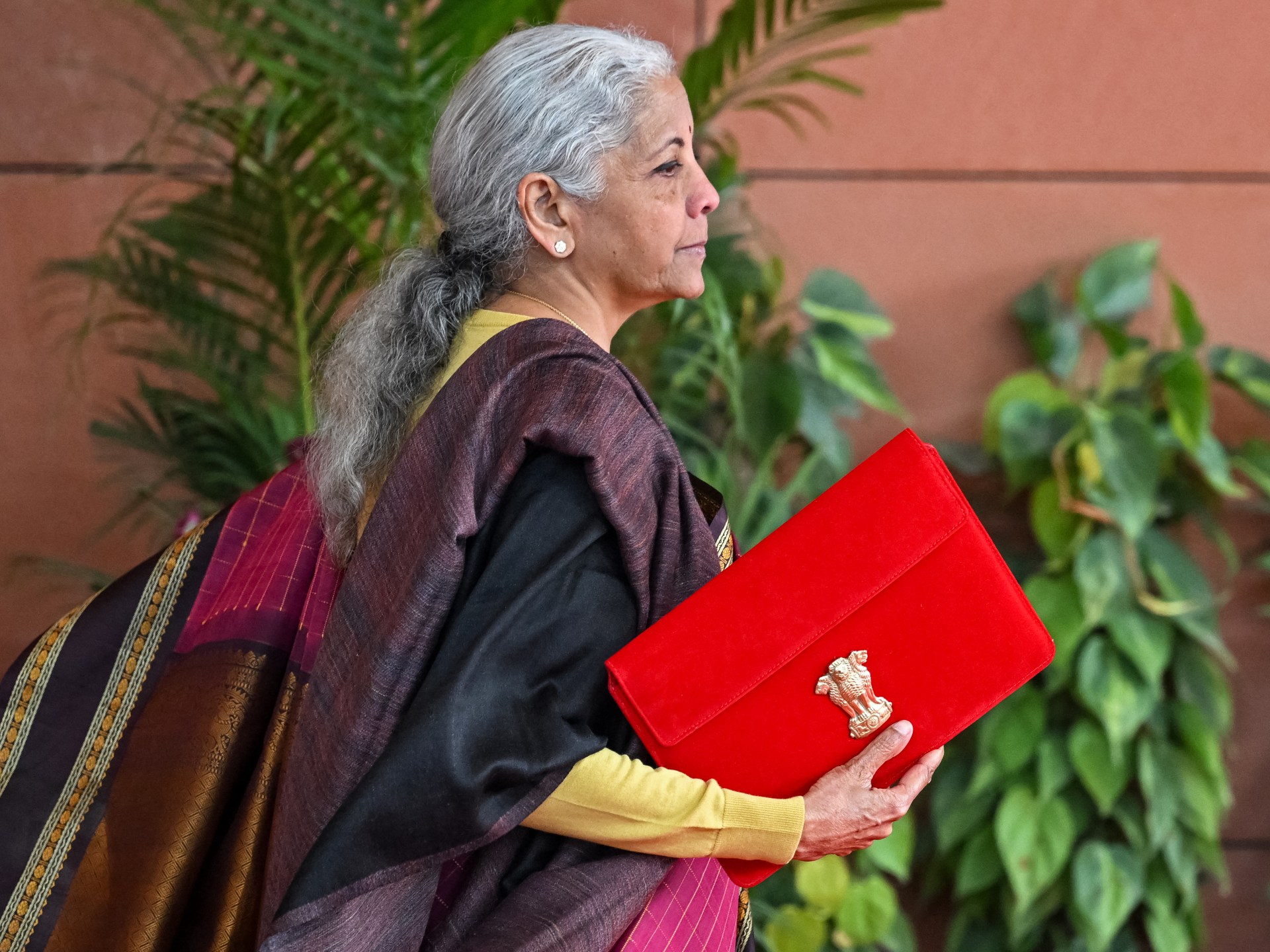
Finance Minister Nirmala Sitharaman presented the 2026-27 budget in parliament on Sunday, saying it would “accelerate and sustain economic growth by enhancing productivity and competitiveness” at a time when India was facing “an external environment in which trade and multilateralism are imperiled and access to resources and supply chains are disrupted.”
New Delhi has yet to secure a trade deal with its largest trading partner, the US, which last year hit it with punitive tariffs of up to 50 percent over India’s purchases of Russian oil. To mitigate their impact, India has been looking for alternative agreements, including last week’s agreement with the EU, cutting duty on 99.5 percent of Indian exports to the bloc.
The new budget prioritizes infrastructure and domestic manufacturing, with a total expenditure estimated at $583 billion.
It offers tariff concessions for products from the marine, leather, and textile industries — all of which have been affected by US tariffs — and provides duty exemptions on materials and goods used to process rare-earth minerals, make lithium ion batteries, solar glass, and components for electric vehicles.