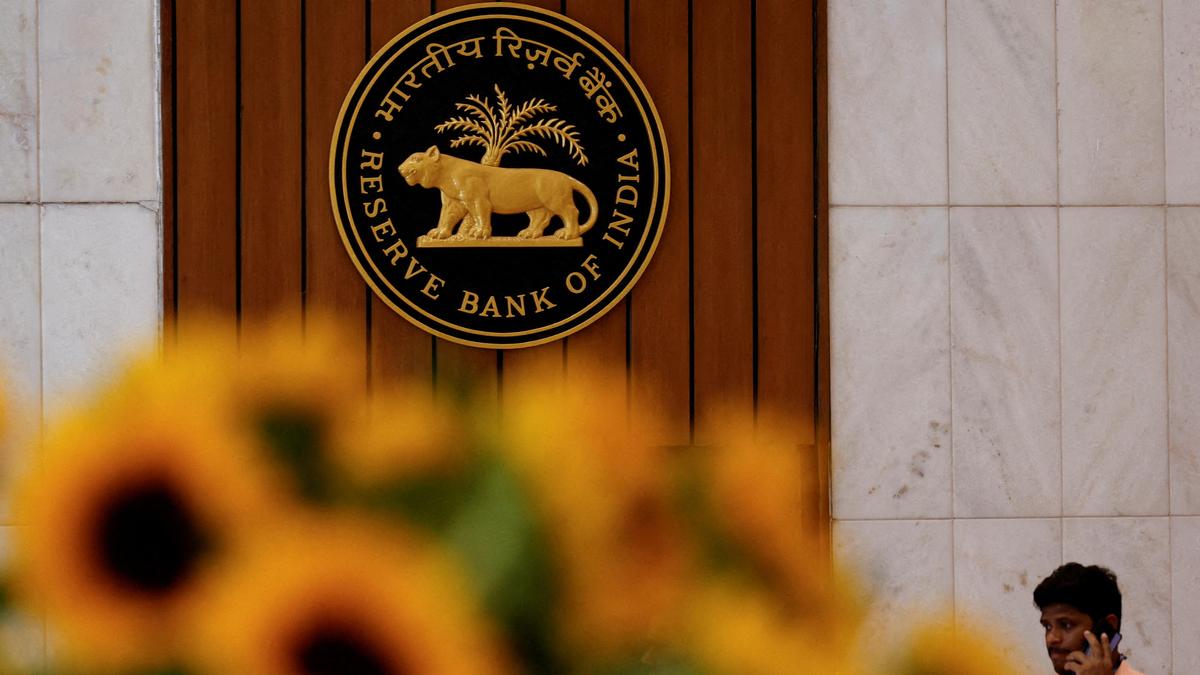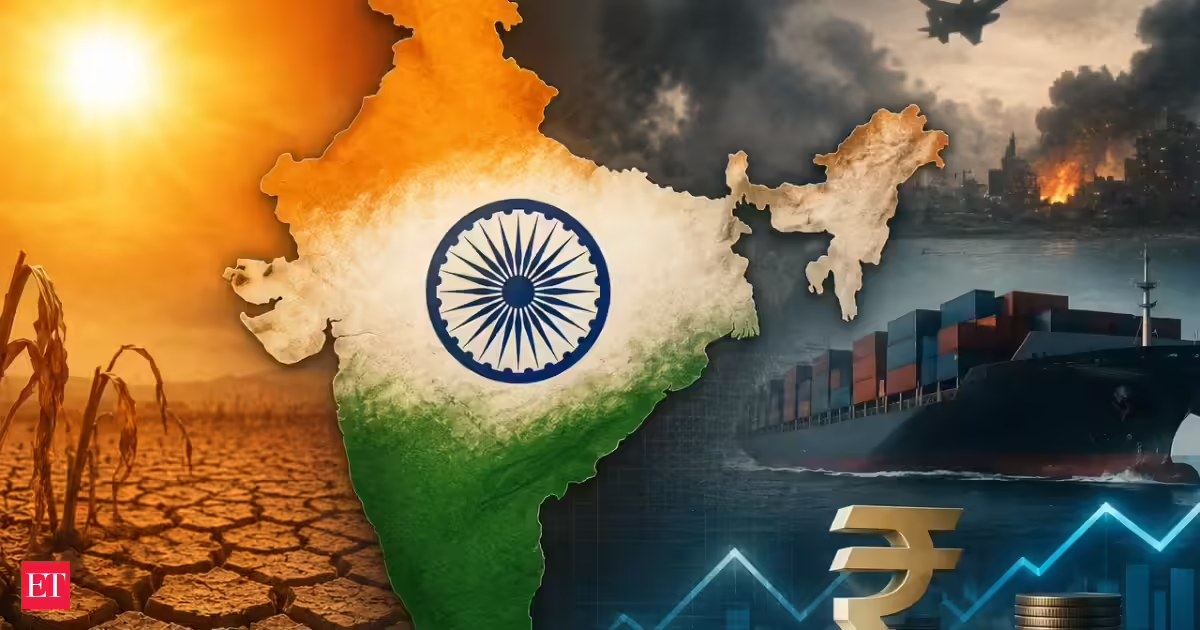
2025-26 for the Indian economy was the perfect Goldilocks moment. Benchmark inflation, as measured by the Consumer Price Index (CPI) was 2.1%. GDP growth, as per the provisional estimates released on Friday, was 7.7%. The economy has moved from Goldilocks to tenterhooks. RBI’s latest growth and inflation projections for the economy for 2026-27 stand at 6.6% and 5.1%. That entails a downgrade of 1.1 percentage points in growth and 3 percentage point increase for inflation. The adverse growth-inflation dynamic has its roots in the ongoing war in West Asia; India has next to no control over the geopolitical state of play but will have to pay a huge price for its geo-economic fallout.RBI’s latest growth and inflation projections for the economy for 2026-27 stand at 6.6% and 5.1%. That entails a downgrade of 1.1 percentage points in growth and 3 percentage point increase for inflation. (HT Archive)The MPC resolution, released on Friday, states the situation plainly. “While import diversification in affected commodities has helped in improving supply, it comes at a higher cost. The full impact, however, will depend on the duration of the conflict, time taken for normalisation of supply chains and the burden-sharing approach among the stakeholders”.This is not the extent of the current economic problems. The biggest anxiety is on the external account front, with the merchandise trade deficit adding to the current account deficit. Capital account inflows, which usually balance this, have been tepid. Here, both the fiscal and monetary arms of economic policymaking tried to make a difference on Friday. India announced a slew of measures to attract more foreign capital from institutional and retail investors by offering them attractive returns and opening up hitherto unavailable markets. Analysts believe that the announcements will definitely help cover the capital account requirements, even if not entirely. Setting aside the balance of payments firefighting, what does the economic situation look like?A lot will depend on the Strait of Hormuz. A prolonged closure can inflict a severe supply chain disruption not just on India but globally. That this supply shock has coincided with an El Nino year which entails a weaker monsoon will only add to the economy’s problems. Economic pain of this farm-to-factory supply squeeze will have to be carefully and compassionately shared among stakeholders.What will perhaps help the government pull off this tightrope walk are the inflationary tailwinds to revenue collections. Nominal growth in 2025-26 was just 120 basis points more than the real growth of 7.7%. Even with a lower real growth in 2026-27, nominal growth should exceed the 2025-26 level due to higher inflation. That will help with the fiscal math a bit.But what is perhaps most important for the economy and economic policy makers is to realise that the way to acquiring resilience against such external shocks is to fireproof rather than firefight.India must seek greater self-reliance in its supply chain dynamics and get out of its mindset of assuming that capital account surplus will automatically balance a current account deficit. Doing this requires nudging investment — both State and private — into sectors which seek to secure supplies and safeguard foreign exchange. Strategic areas and actions must be prioritised going forward. Unless there is a crisis, such investments might not look very appealing or even feel unnecessary, but the cost of inaction can be very high.To reiterate, the Indian economy is facing serious turbulence. It will be scarred by the experience but is nowhere close to sinking. The need of the hour is to steer it through the storm and remember the lessons even after the waters have calmed, rather than becoming complacent about false invincibility.
Economy is hurt, not sinking
Indian economy faced a Goldilocks moment in 2025-26, but now struggles with growth and inflation due to West Asia conflict. Measures taken for foreign capital influx, but challenges loom from external shocks. Prioritizing self-reliance in supply chains crucial for resilience. Turbulence ahead, but lessons must guide future actions.
603 words~3 min read