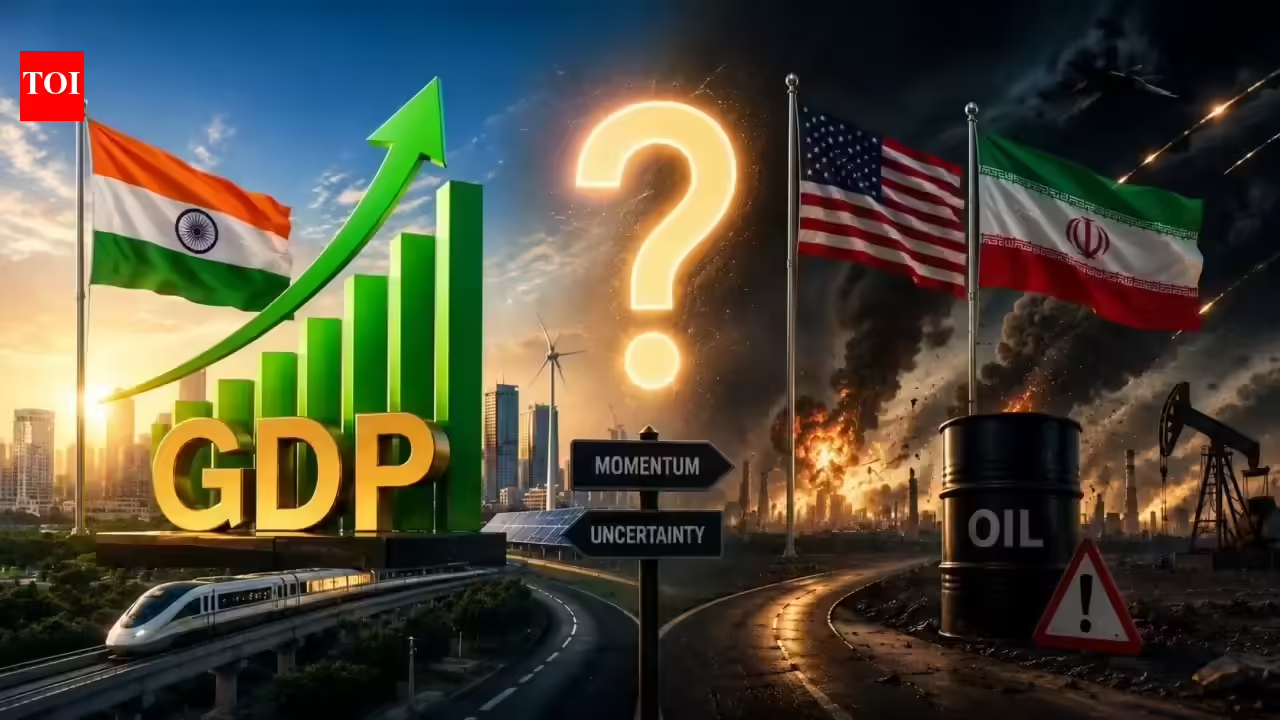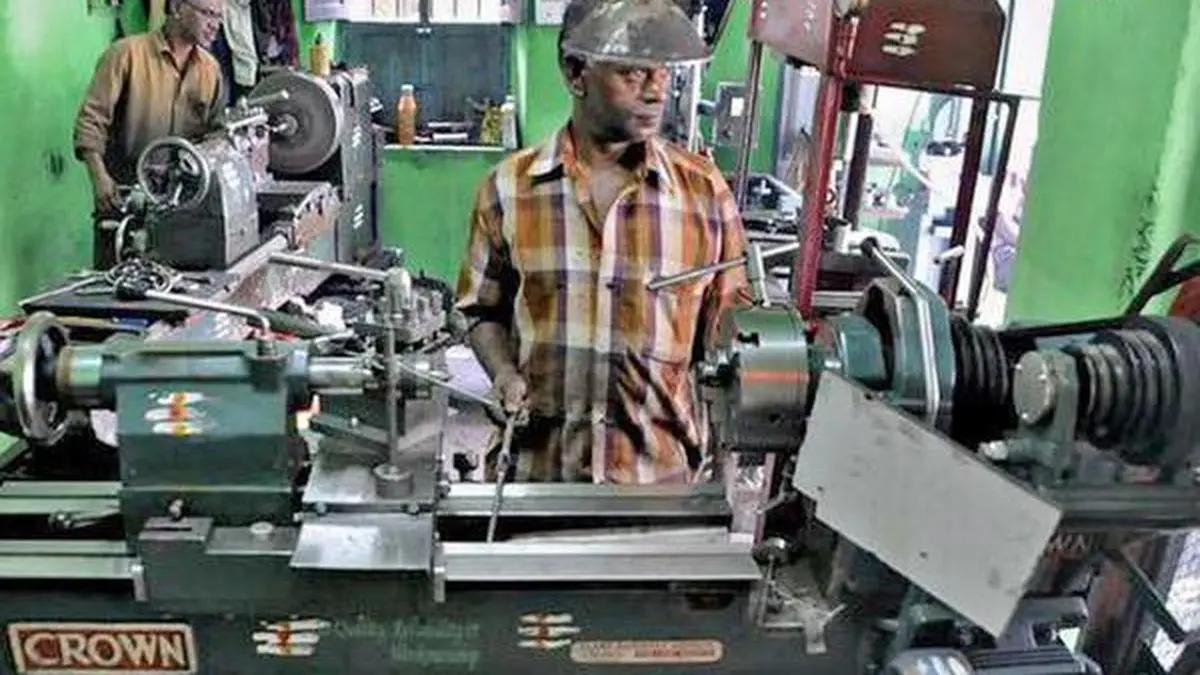
The Indian economy posted a strong growth in 2025-26, putting it on a firm footing to deal with current external sector headwinds due to the war in West Asia. GDP growth was 7.7% for the full year and 7.8% in the quarter ending March 2026.GDP growth was 7.7% for the full year and 7.8% in the quarter ending March 2026.“India’s growth momentum remains strong! GDP growth rate of 7.7% in FY 2025-26 and 7.8% in Q4 of FY 2025-26 reflect the inherent strength of our economy, the success of reforms and the hard work of 140 crore Indians. We shall leave no stone unturned to further ‘Ease of Living,’ ‘Ease of Doing Business’ and increase opportunities for our youth.”, Prime Minister Narendra Modi said in a post on X.To be sure, the coming year is expected to be underwhelming compared to the past year. On Friday, RBI projected full year GDP growth for 2026-27 to be 6.6% with downside risks while announcing a slew of measures to attract more foreign capital inflows as focus shifts to managing the balance of payments rather than growth-inflation dynamics in the economy and bracing for a weaker than normal monsoon on account of El Nino conditions.On Friday, the National Statistics Office (NSO) released provisional estimates for 2025-26 GDP. Annual GDP growth for 2025-26, the third full year for which data is available in the new 2022-23 GDP series came in at 7.7%, which is higher than the 7.2% and 7.1% growth in 2023-24 and 2024-25. Gross Value Added (GVA), which is GDP less net indirect taxes, grew at 7.9% in 2025-26. Quarterly growth numbers for March 2026 suggest that the economy was losing some growth momentum through the past year. GDP growth was 8.4% in quarter ending September 2025 and fell to 8% and 7.8% in the December 2025 and March 2026 quarter.From an expenditure side, both consumption and investment led the growth surge in 2025-26. Private Final Consumption Expenditure (PFCE) grew at 7.7% in 2025-26 compared to 5.8% in 2024-25 and 2023-24. Gross Fixed Capital Formation (GFCF) grew at 8.2% in 2025-26 compared to 6.4% and 7.3% in 2024-25 and 2023-24. On the production side, three sub-sectors, manufacturing, trade, hotel, transport, communication and services related to broadcasting storage and finance real estate, IT, professional services and ownership of dwelling posted a double-digit growth in 2025-26.“Notably, Manufacturing, Trade, Repair, Hotels, Transport, Communication & Services related to Broadcasting, Storage and Financial, Real Estate & Professional Services sectors have attained double-digit growth at both Constant and Current Prices in FY 2025-26,” Union finance minister Nirmala Sitharaman said in a post on X. “Our government led by Hon’ble PM Shri @narendramodi is committed to further drive the ‘Reform Express’ with decisive policy measures to ensure positive economic momentum amidst the global challenges,” she added.To be sure, the current economic environment leaves little room for complacency. The economic shock of the ongoing war on west Asia, which has come in the backdrop of already tepid capital flows to the Indian economy, have generated concerns of a supply shock mutating into a demand shock as price pressures move from producers to consumers and adverse movements in India’s balance of payments calculations.Speaking after the GDP numbers were released, Chief Economic Advisor V Anantha Nageswaran underlined these concerns even as he assured that the government was taking steps to address the challenges.“However, most high-frequency indicators up to April 2026 suggest that domestic demand and overall economic activity in India have remained relatively resilient so far, with emerging signs of stress,” he said pointing at beginning of supply-side price pressures in wholesale inflation. Deficient monsoon forecast also poses upside risks to the inflation outlook, he added.According to him, the country’s trade deficit that widened in FY26, may continue to do so in FY27 because of global headwinds, putting further pressure on current account. He expects disruption in global crude oil production to prolong for longer.However, policy measures undertaken will help contain supply-side disruptions, create safety nets and maintain macroeconomic stability, he said referring to diversified crude oil imports, trade promotion mission, ensuring fertilizer supplies, waiver in customs duties on inputs, and ₹2.55 lkah crore Emergency Credit Guarantee Scheme (ECLGS 5.0).“Improved policy certainty resulting from successful trade agreements, including progress on India-US and India-EU trade, is expected to support exports and capital flows,” he said.
Economy grew 7.7% in fiscal 2026, year ahead likely to be challenging
Indian economy grew at 7.7% in FY 2025-26, with GDP reaching 7.8% in Q4. Despite challenges, reforms and hard work are driving growth momentum. | India News
722 words~3 min read