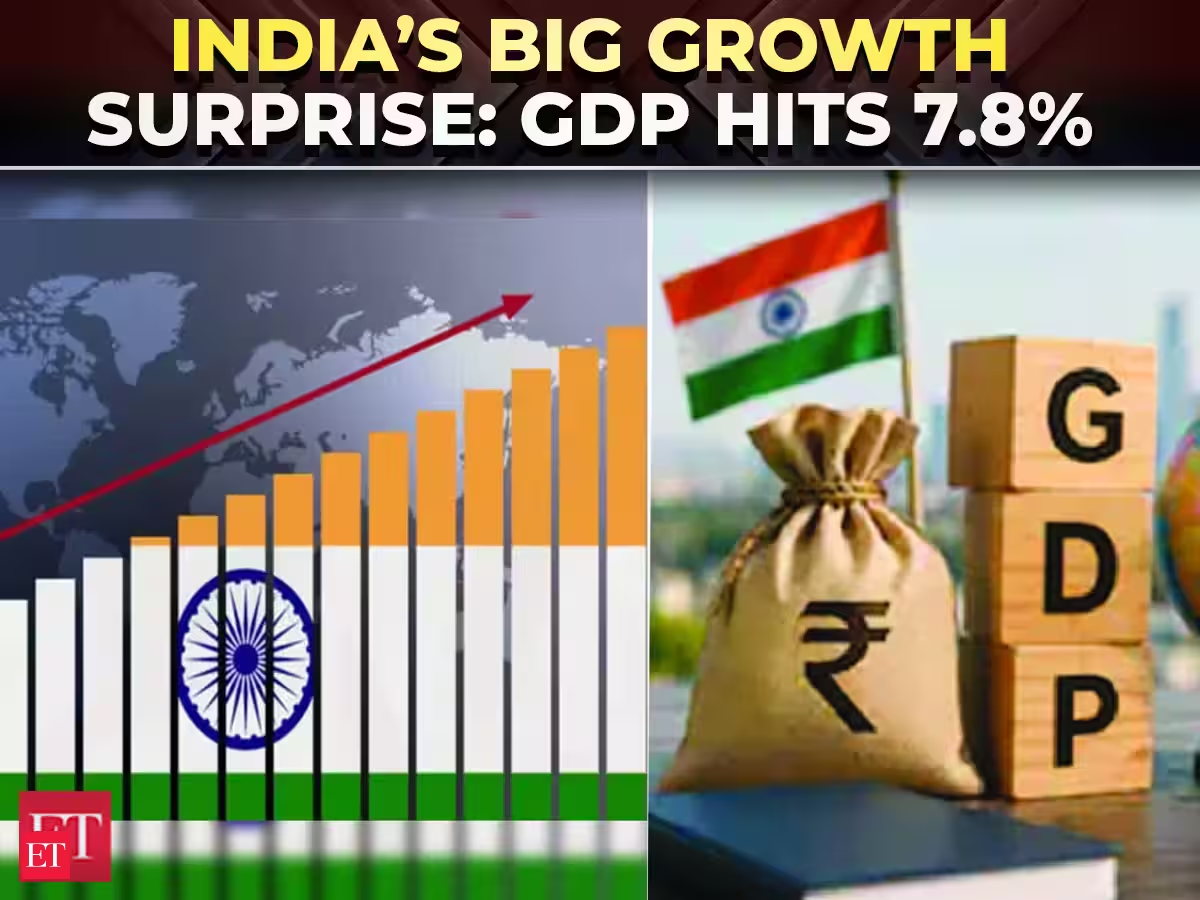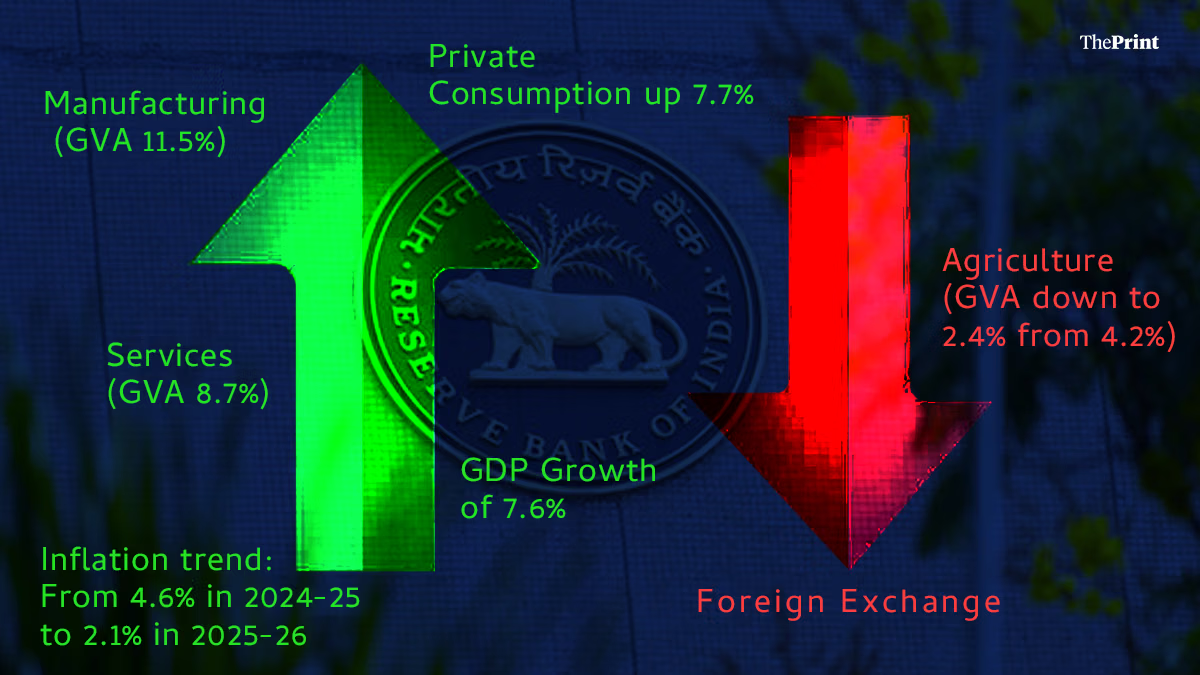
India achieved a real GDP growth rate of 7.6 percent in 2025-26, up from 7.1 percent the previous year, thereby maintaining its status as the fastest-growing major economy globally.From RBI annual report
This chart illustrates the nature of the current economic growth: private final Consumption expenditure has increased to 7.7 percent, gross capital formation at 6.5 percent, services Gross Value Added (GVA) surging to 8.7 percent, and manufacturing GVA has achieved a remarkable 11.5 percent, marking its best performance in recent years. This growth is not characterised by isolated economic expansion or government expenditure compensating for private sector weaknesses. Instead, it represents a broad-based, multi-faceted growth, akin to the models discussed in development economics literature. This achievement is particularly noteworthy given the context of the year, an increase in geopolitical tensions from Ukraine to West Asia, and the IMF revising its 2026 global growth forecast downward to 3.1 percent, significantly below the long-term average of 3.7 percent.
Also Read: How budgets made investing in India unaffordable for middle-class savers
The inflation surprise nobody saw coming
In the fiscal year 2025-26, the headline CPI inflation declined significantly to 2.1 percent, compared to 4.6 percent in the preceding year, approaching the lower threshold of the RBI’s inflation target range.The chart’s panel (b) vividly illustrates a significant shift: a trend line that had persistently remained near or above 4 percent for several years experienced a marked decline. This outcome was influenced by food price deflation, a substantial base effect, softened global commodity prices, and, notably, an exceptionally favourable monsoon season. From RBI annual report