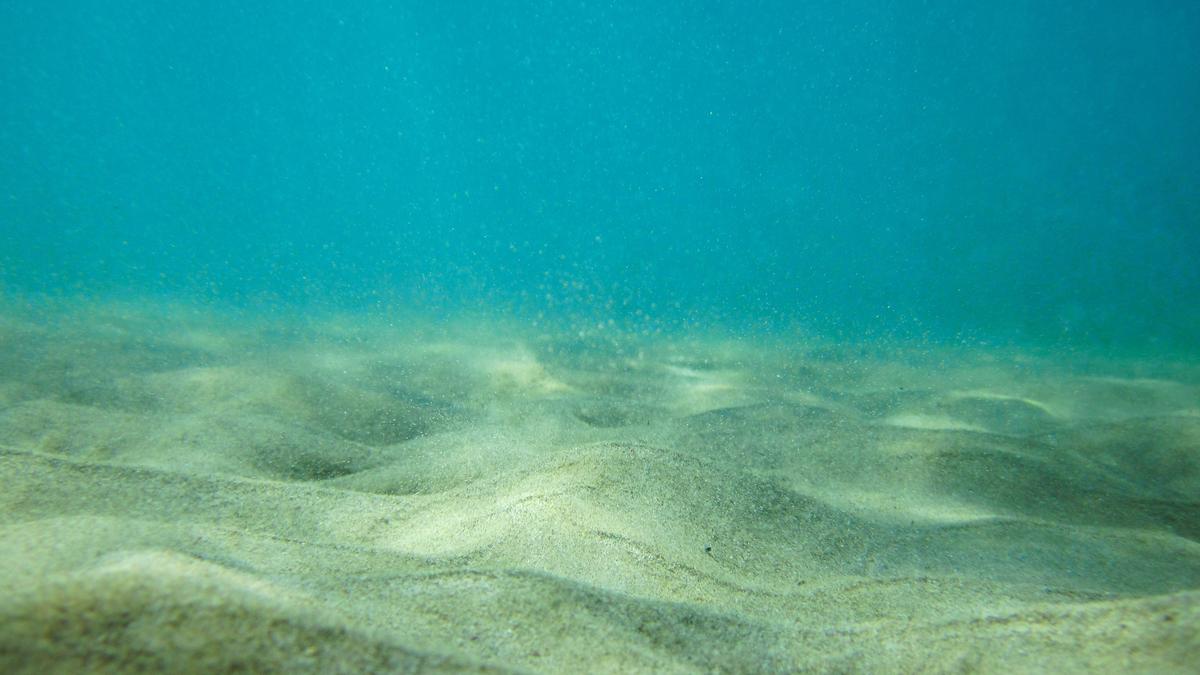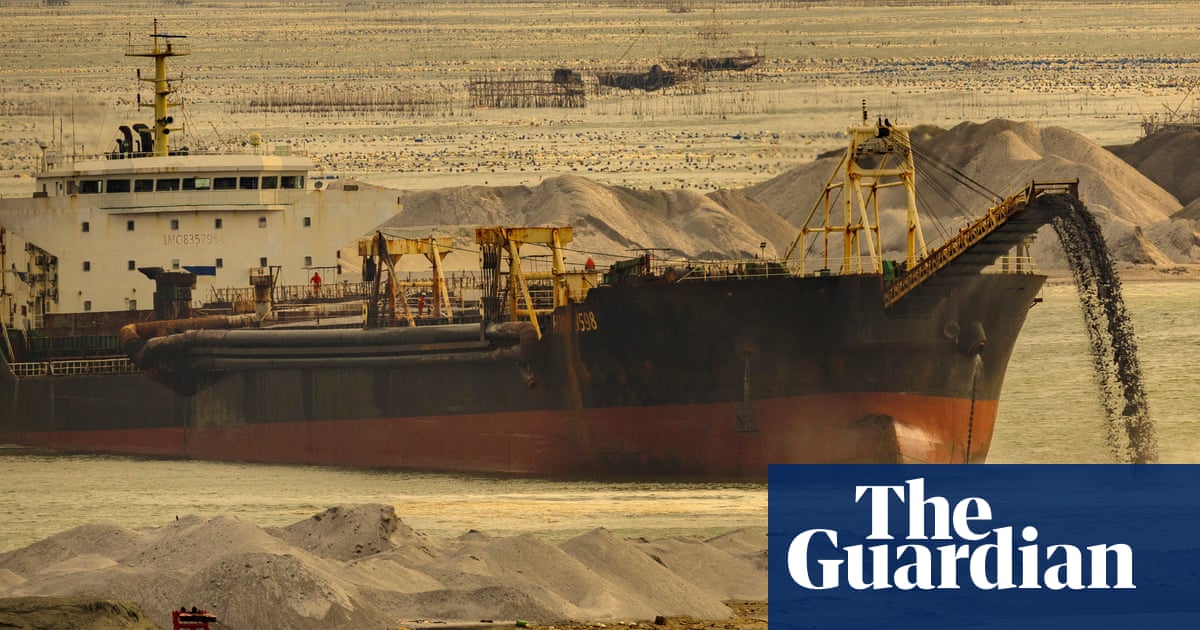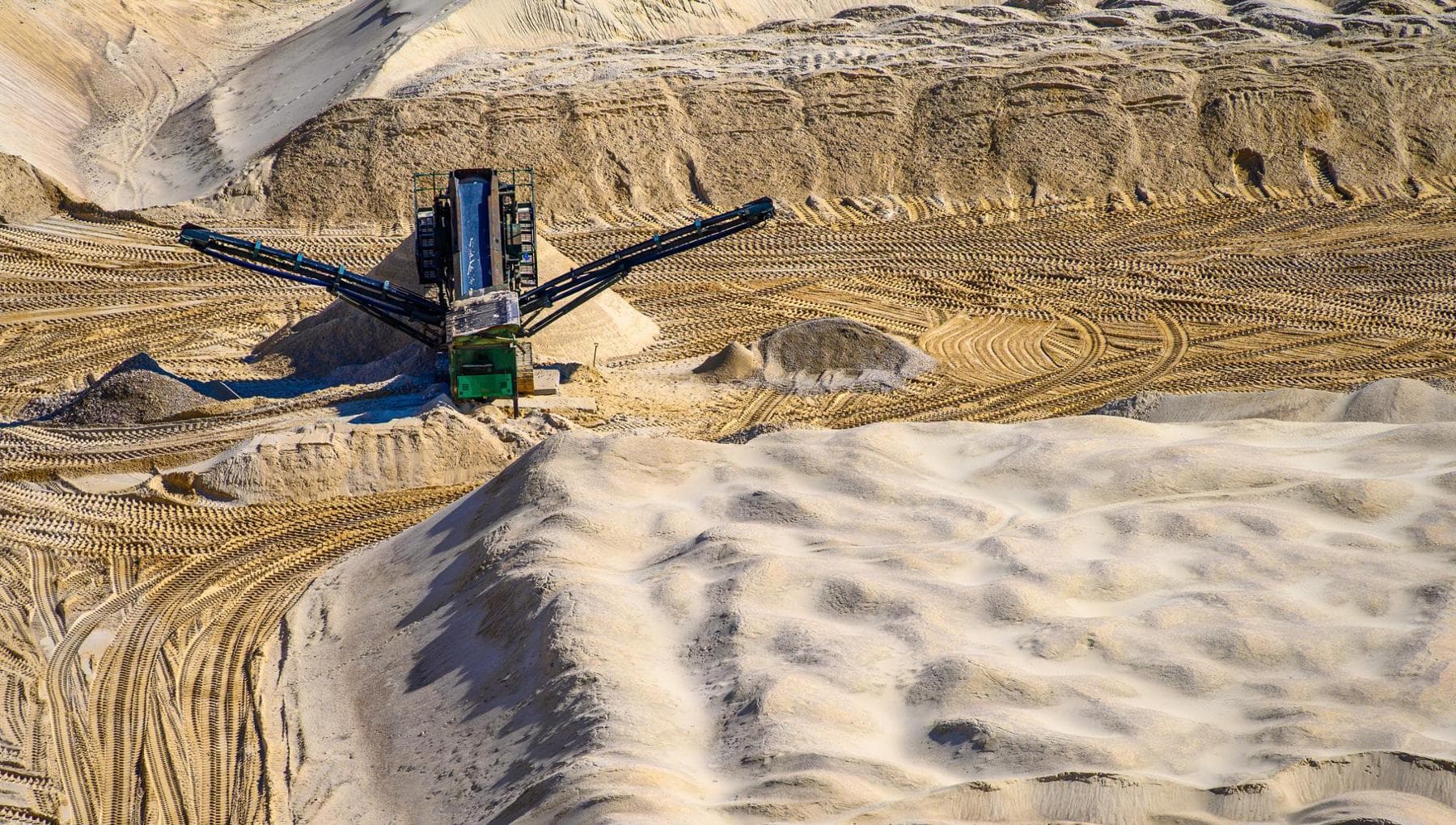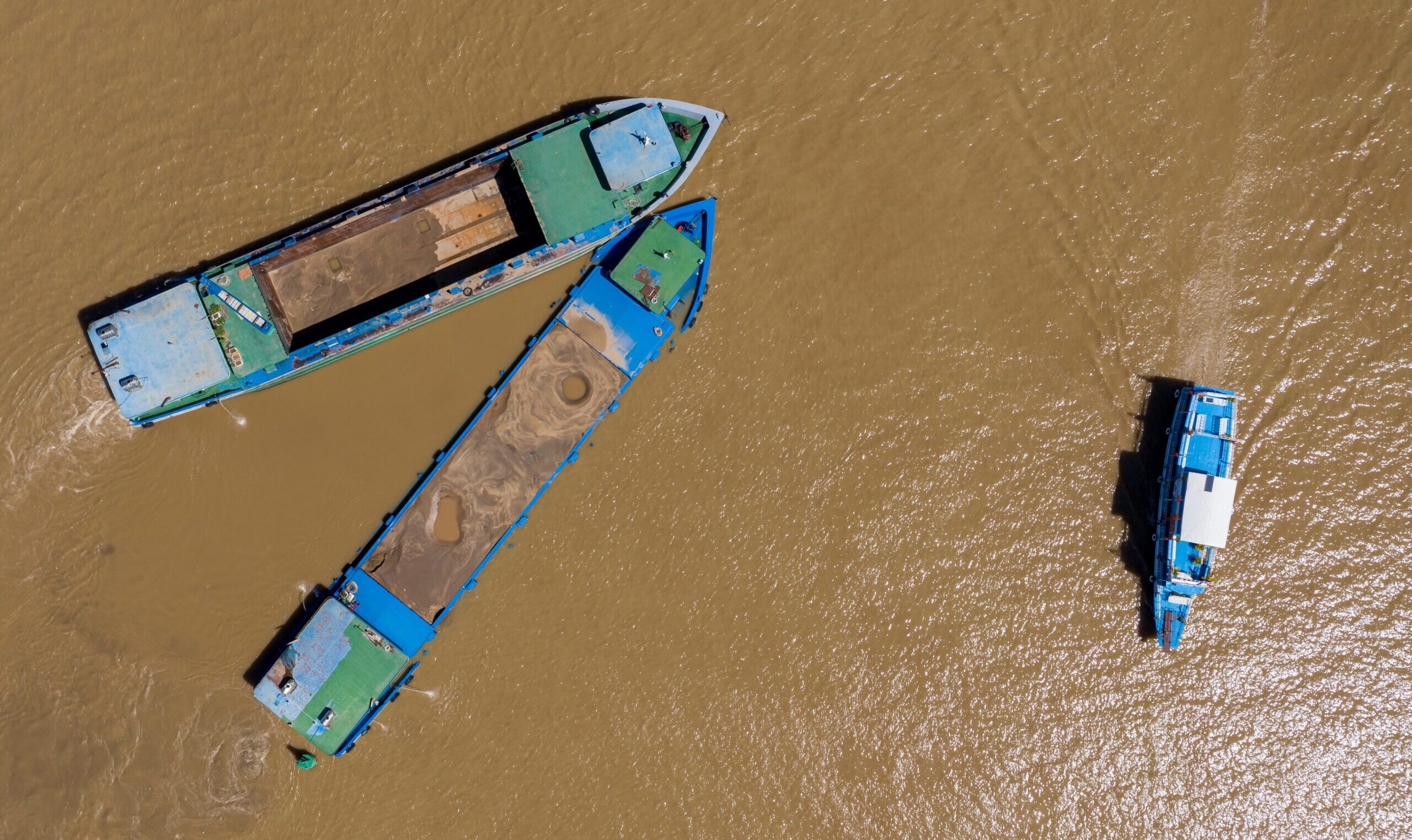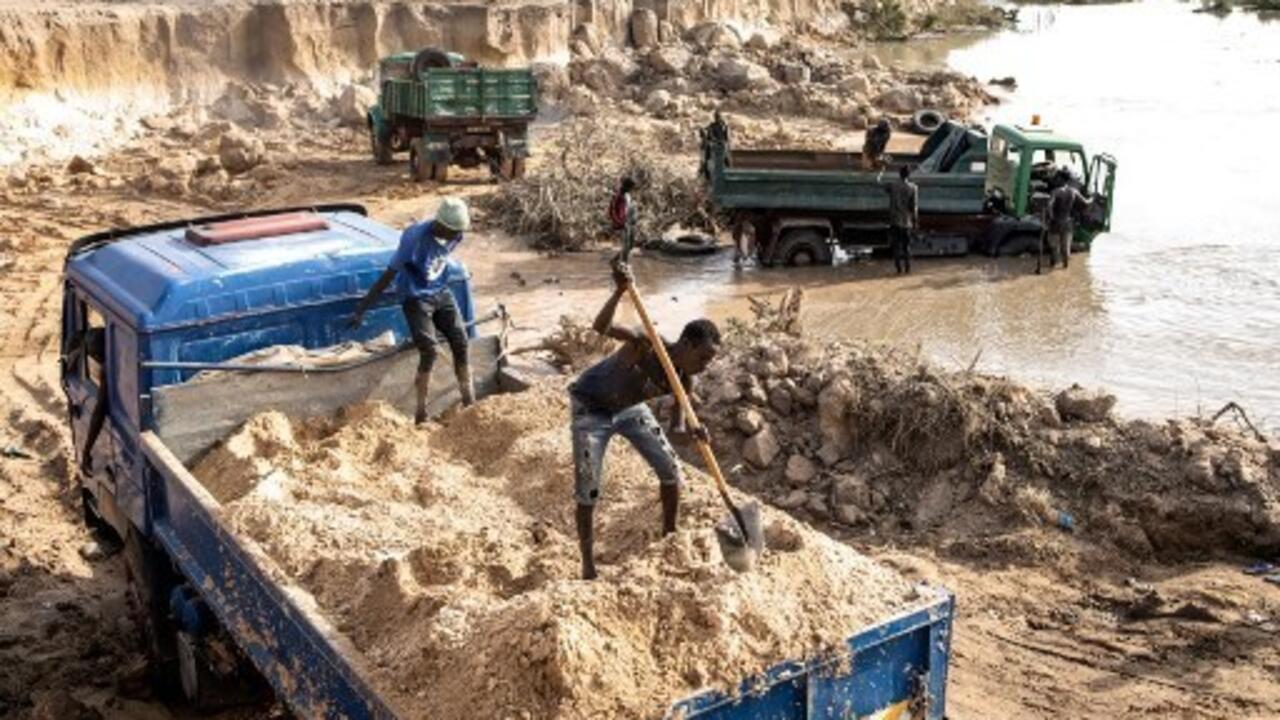
Found on beaches, in rivers, across deserts and on the seabed, sand has long been seen as abundant and virtually inexhaustible. But it has become the world's second most exploited natural resource after water, and scientists warn rising demand will cause "enormous environmental damage".
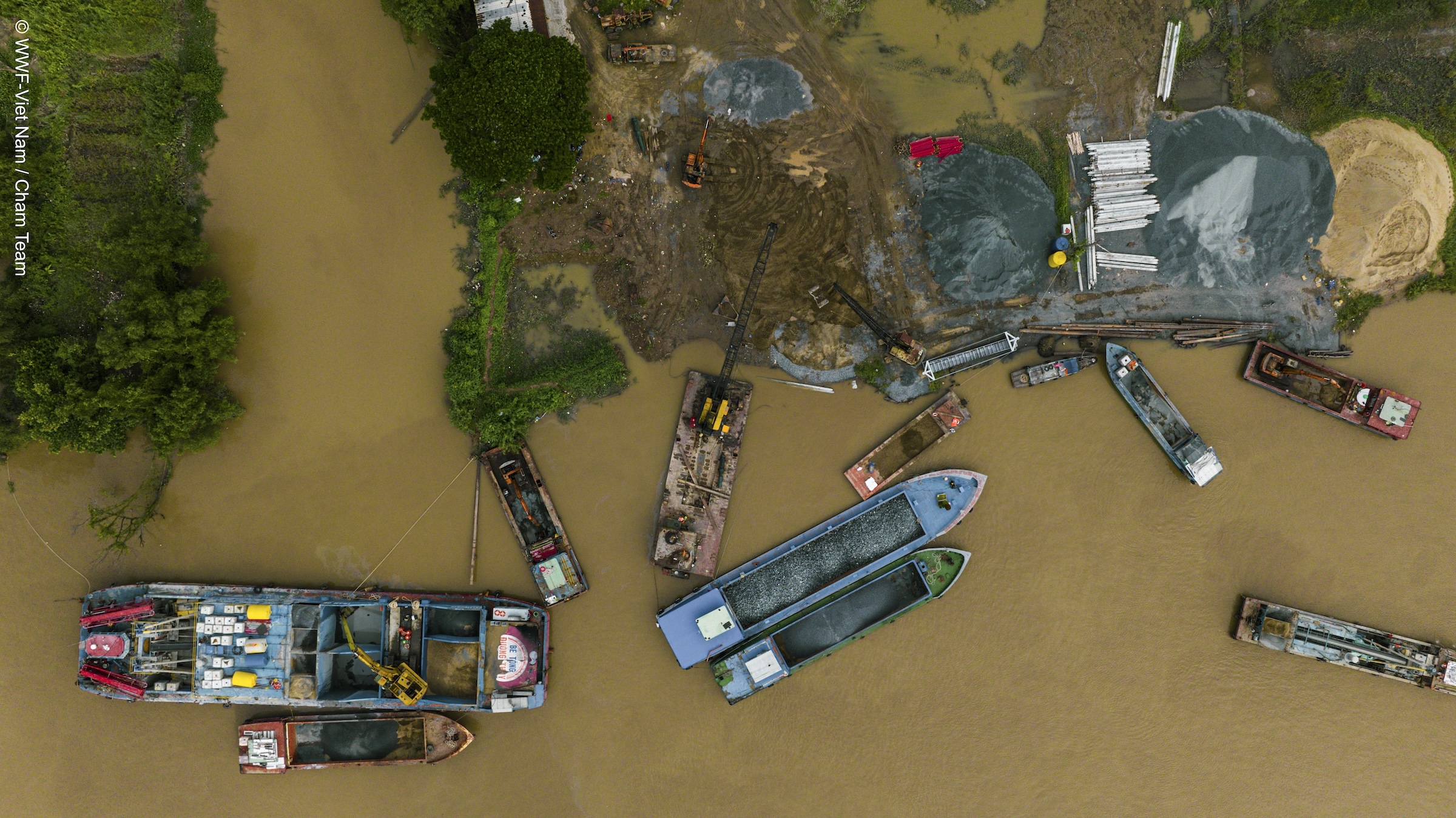
From concrete towers and motorways to glass, microchips and cosmetics, modern economies depend on sand. Yet the vast scale of sand extraction remains largely ignored, despite mounting concerns among scientists over its environmental and social consequences. According to the latest report from the United Nations Environment Programme (UNEP), nearly 50 billion tonnes of sand are extracted worldwide every year, and demand for buildings is expected to rise by 45 percent by 2060. "To give an idea of the scale, it would be equivalent to building a wall 27 metres high and 27 metres wide that circles the entire Equator every year," says Pascal Peduzzi, director of GRID-Geneva, UNEP's environmental data centre. "You cannot extract that much material without causing enormous environmental damage." Warnings of a sand shortage may seem counterintuitive. But not all sand is suitable for construction. Desert sand, shaped by wind erosion, is too fine and too smooth to bind effectively in concrete. The construction industry instead relies on angular grains found in quarries or produced by the erosion of glaciers, rivers and coastlines. As a result, extraction is concentrated in riverbeds, estuaries, coastal zones and shallow seabeds – areas that also play a vital role in maintaining ecosystems. Six bn tonnes of sand extracted from world's oceans each year: UN Damage beneath the surface Sand performs essential functions in nature. It filters water, stabilises rivers and provides habitats for countless species, from crabs and turtles to birds and other wildlife. "If you dig into a riverbed, you change its shape," says Peduzzi. "That alters how water flows." The consequences can include increased flooding, drought, falling groundwater levels and the degradation of aquatic ecosystems. Scientists also warn of implications for food security. Excessive extraction can increase water acidity, reducing soil fertility and making farmland less productive. In some regions, the problem is already visible. Researchers have documented rising saltwater intrusion in major rivers, particularly in the Mekong Delta, where millions depend on fresh water for cultivating rice. "With rising sea levels and riverbeds being lowered through sand dredging, the Mekong is becoming increasingly saline," says Nelo Magalhaes, an economist and environmental historian. A similar process has been observed in France's Loire River since the 1970s, although the impacts are now far more pronounced in Southeast Asia.