Audio By Vocalize
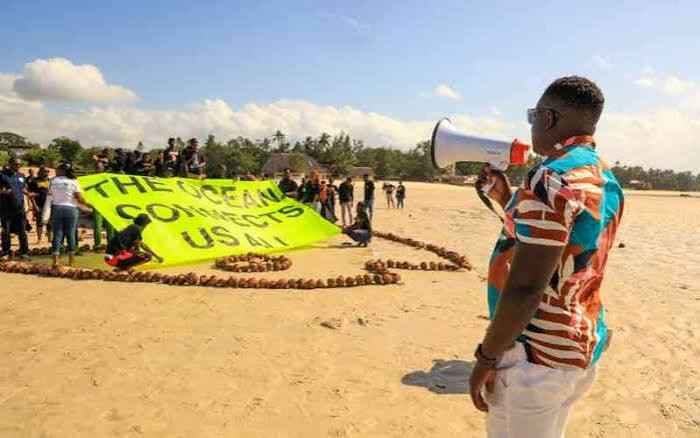
Few assets contribute more to human prosperity than the ocean.[Courtesy]
Few assets contribute more to human prosperity than the ocean. It regulates the global climate, carries more than 80 per cent of global trade by volume and supports the livelihoods of billions of people. Among the 17 Sustainable Development Goals, life below water continues to receive the least financial support, attracting only about 1 per cent of official development assistance. This imbalance reveals how poorly investment priorities reflect our dependence upon the natural systems that sustain modern economies.
It was against this backdrop that governments, ocean experts, investors, policymakers, scientists and conservation leaders gathered at the Monaco Blue Initiative and Blue Economy and Finance Forum last month to discuss issues around financing mechanisms, marine protection and economic development. The biggest underlying question that ran through many of the conversations was how societies should value nature in an era where economic prosperity depends increasingly upon the health of natural systems.
For Africa, this question carries particular significance. The continent's future is often discussed through the lens of its mineral wealth, agricultural potential and extraordinary terrestrial biodiversity, but more than 38,000km of coastline supports communities, industries and ecosystems whose contribution to Africa's prosperity remains consistently undervalued. The tendency to separate conservation from development has contributed to this oversight. In reality, for coastal economies, ecological health and economic wellbeing are often inseparable.