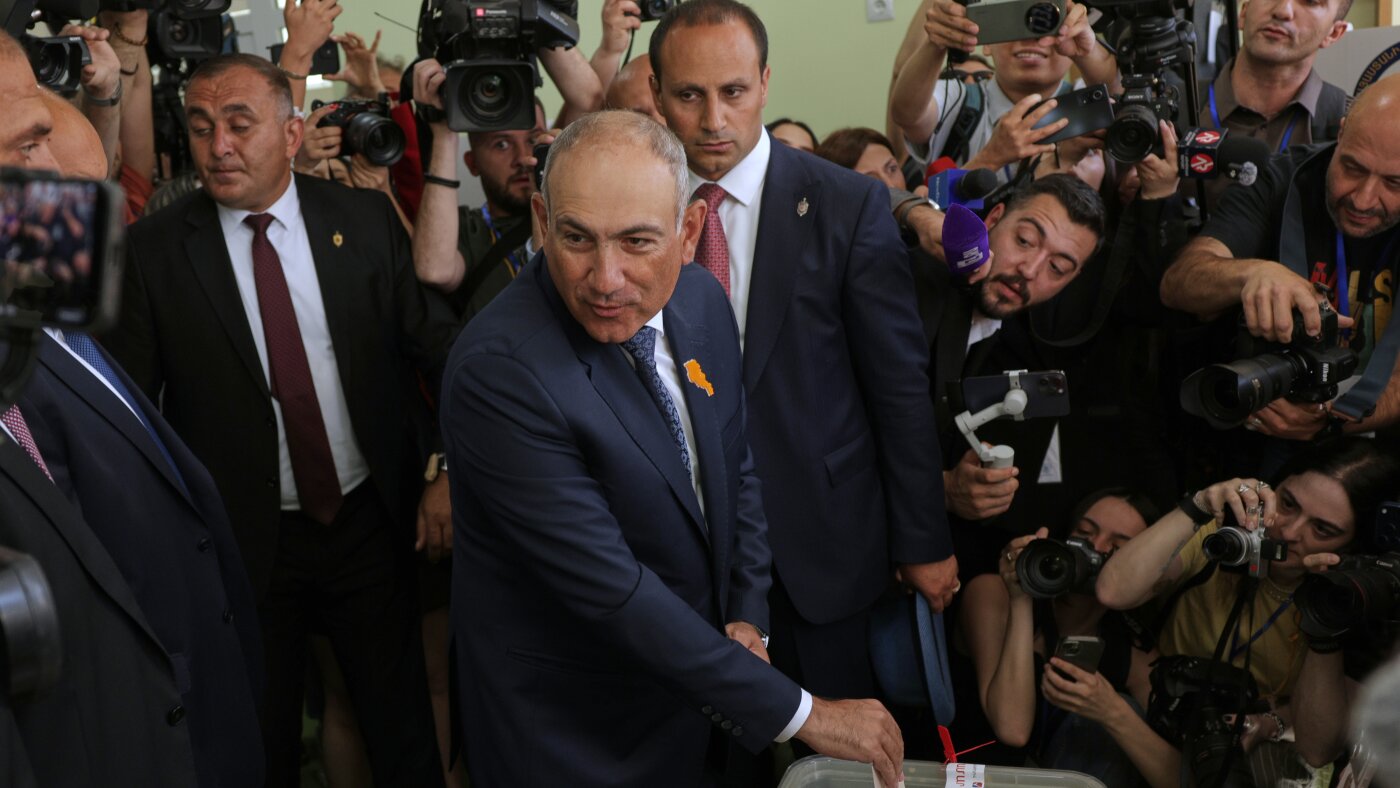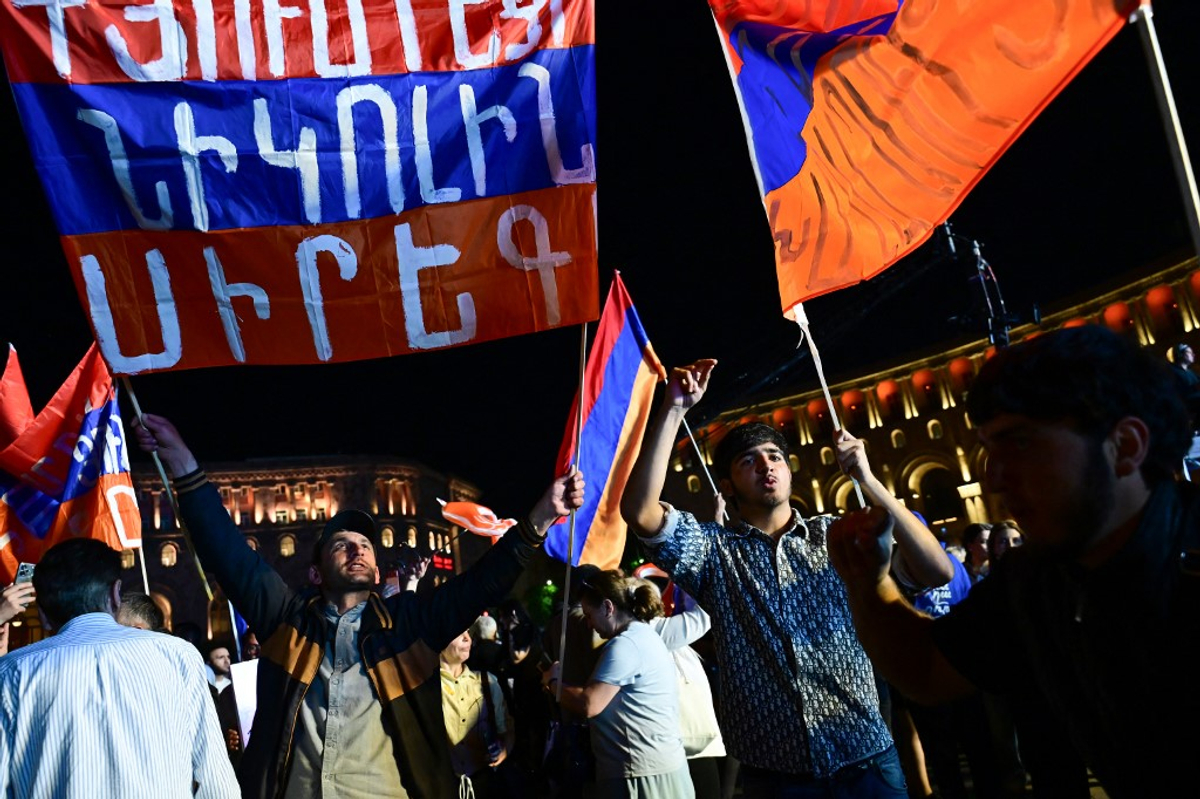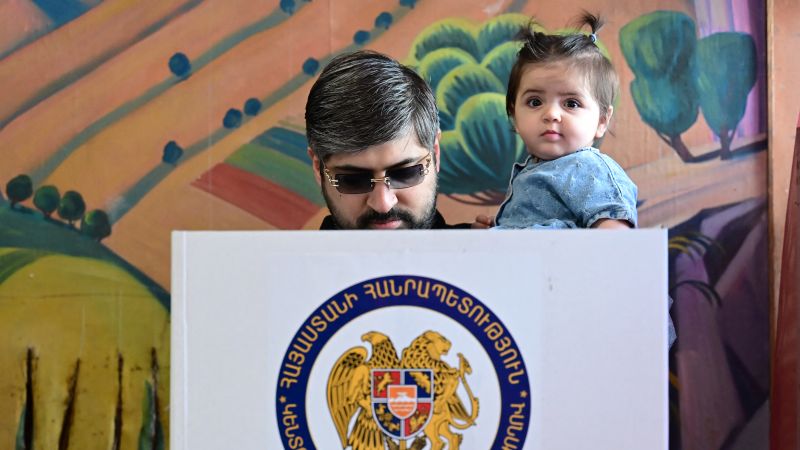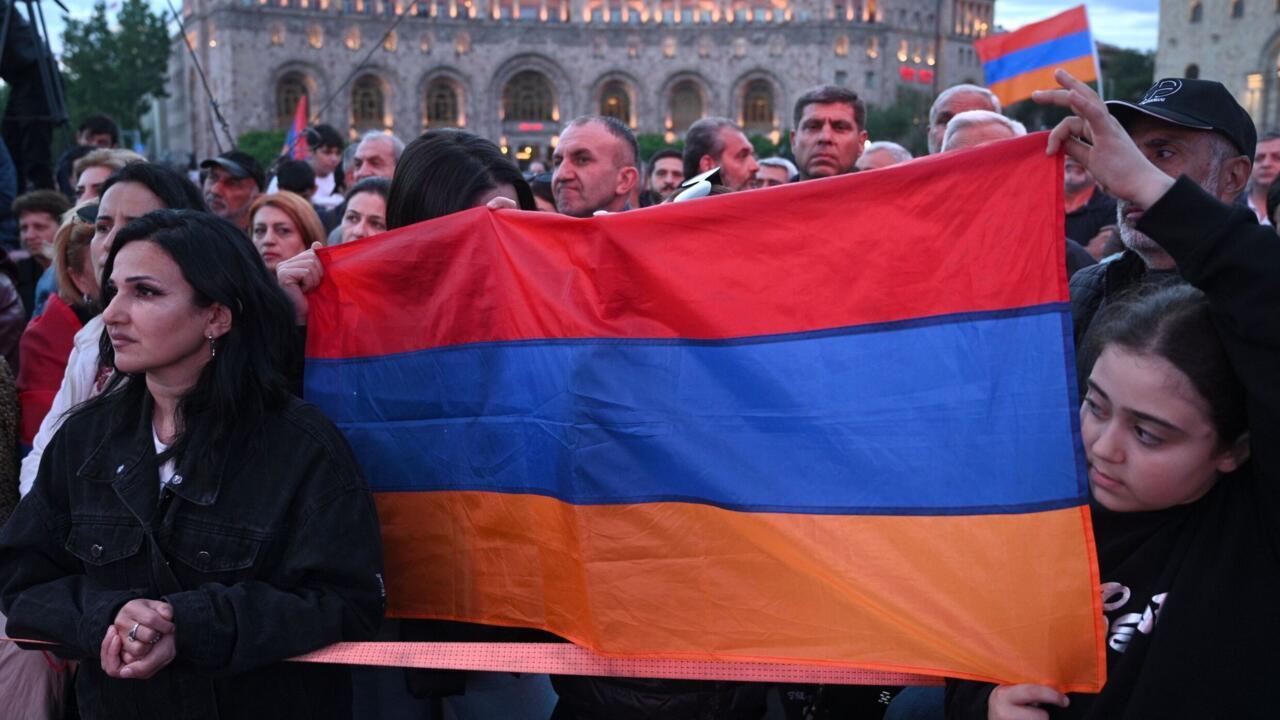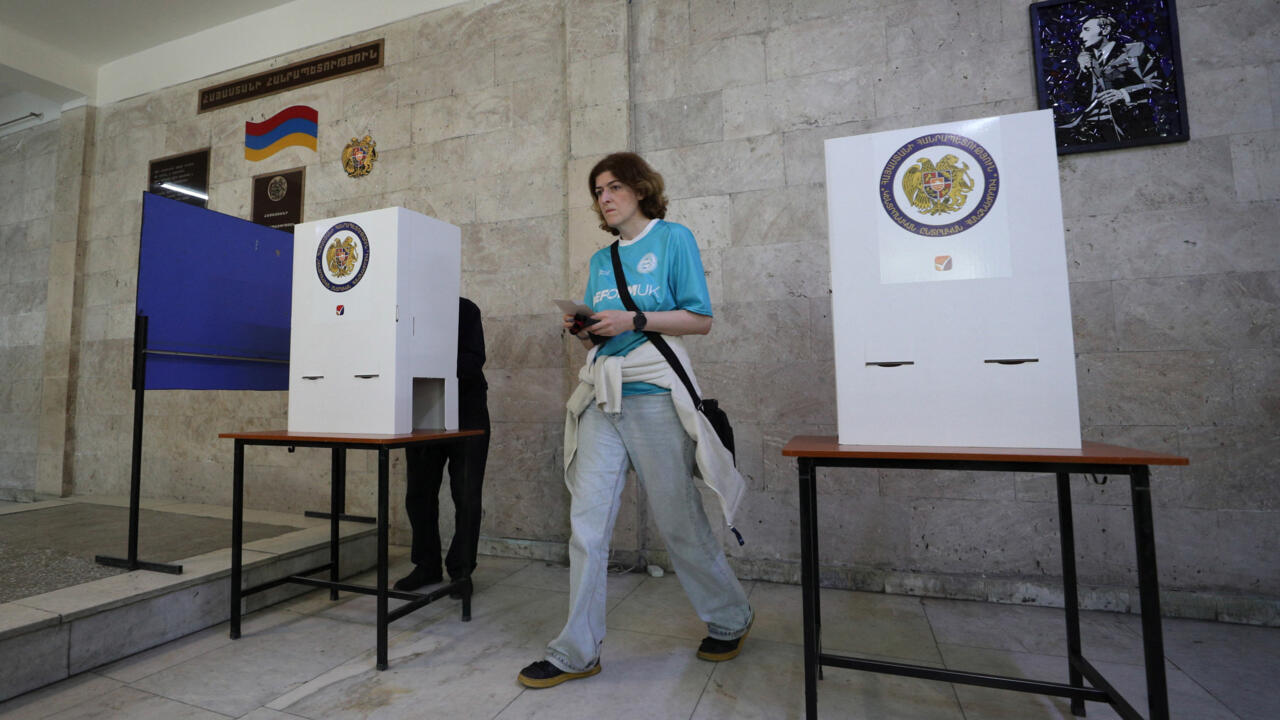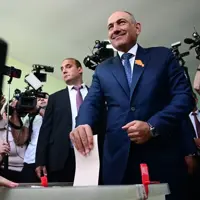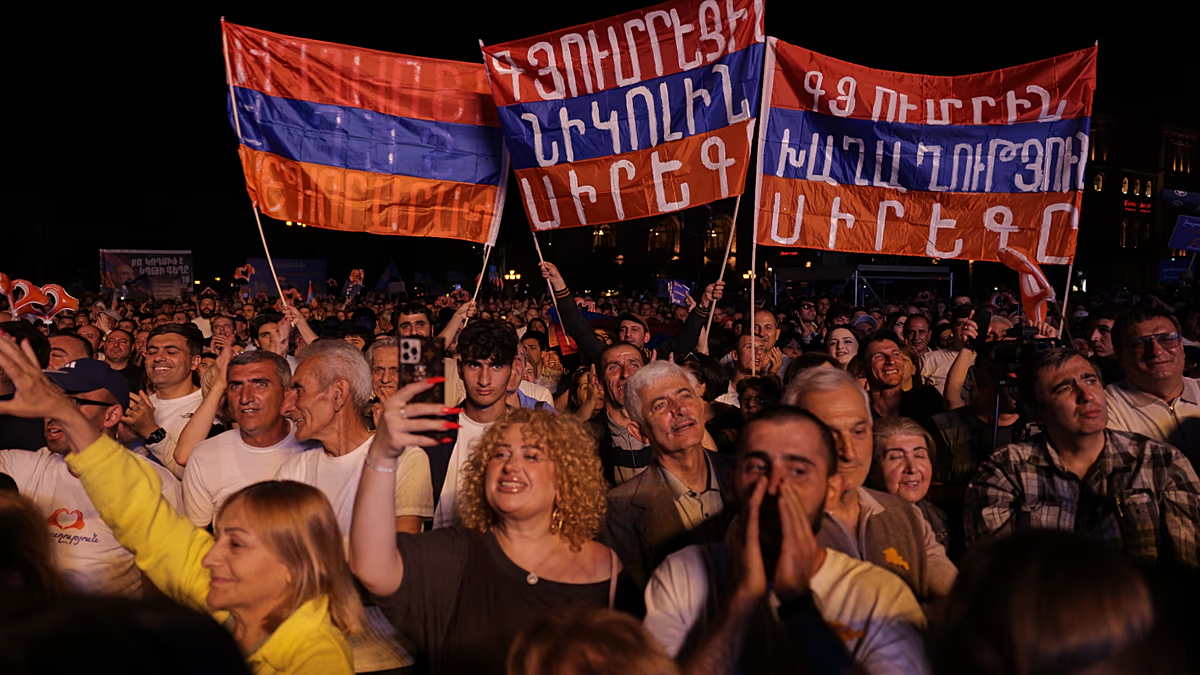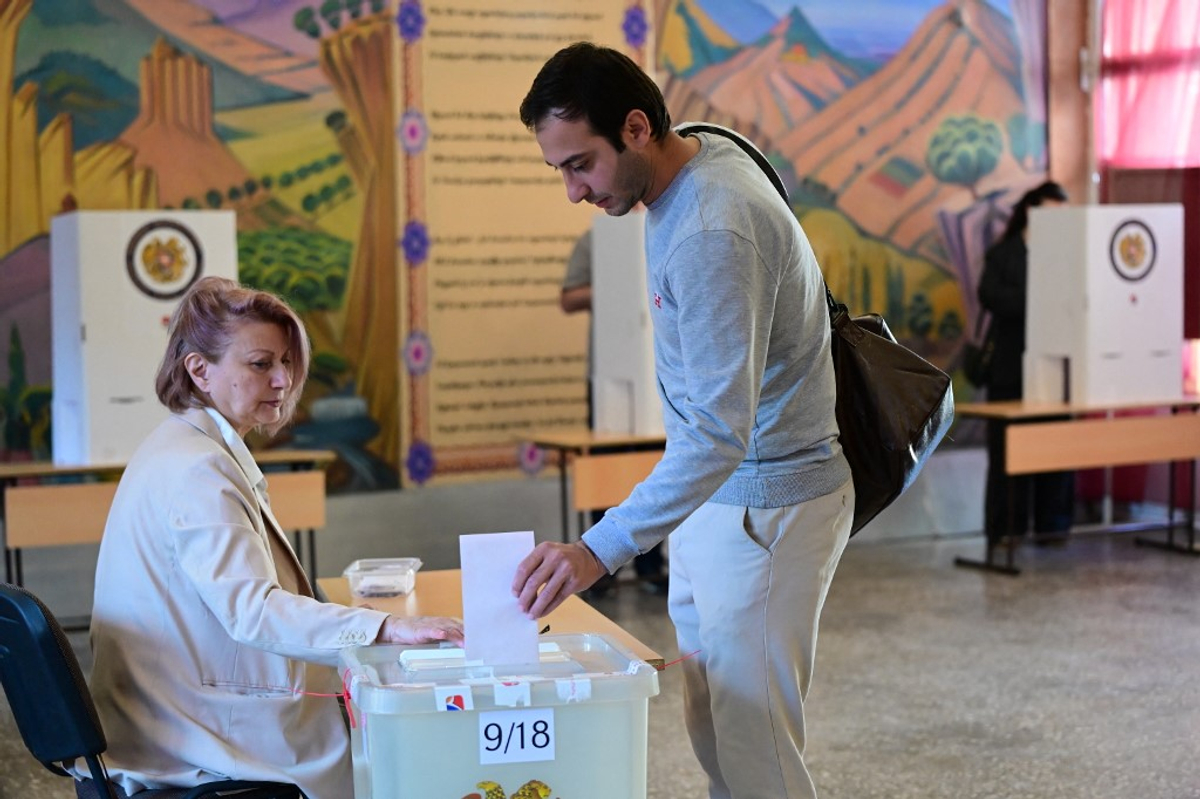
Ample security and high geopolitical stakes framed the opening of 2,005 electoral stations across Armenia at 8:00 a.m. local time on Sunday, June 7, Novosti Armenia reported. The nationwide vote represents the first major electoral test for the country since its 2023 defeat in Nagorno-Karabakh, transforming the ballot into a direct referendum on Armenia’s future alignment between the West and its traditional patron, Russia.JOIN US ON TELEGRAMFollow our coverage of the war on the @Kyivpost_official. The battle for the parliamentary core According to data compiled by the Central Electoral Commission (CEC) of Armenia, some 2.5 million citizens are registered on the national voter rolls, with strict legal mandates barring most expatriates from voting unless they serve in diplomatic missions or long-term military deployments abroad. A total of 18 political forces – consisting of 16 individual parties and two electoral alliances – are competing for representation, Radio Azatutyun reported. To enter the minimum 101-seat parliament, individual parties must clear a 4% threshold, while broader alliances face an 8% barrier. According to Reuters, incumbent Prime Minister Nikol Pashinyan, who has governed the country since 2018, enters the election leading polls with approximately 30% of public support. His primary opposition comes from the “Strong Armenia” alliance, led by Russian-Armenian billionaire Samvel Karapetyan, which is currently polling between 6% and 11%. Just 24 hours prior to the opening of the polls, the CEC rejected a formal petition to disqualify Karapetyan’s opposition bloc from the ballot.
South Caucasus Showdown: Armenia Votes as Kremlin Steps Up Economic Pressure
Voting is underway across Armenia in a high-stakes parliamentary election that will test Prime Minister Nikol Pashinyan’s drive to deepen ties with the West.
716 words~3 min read