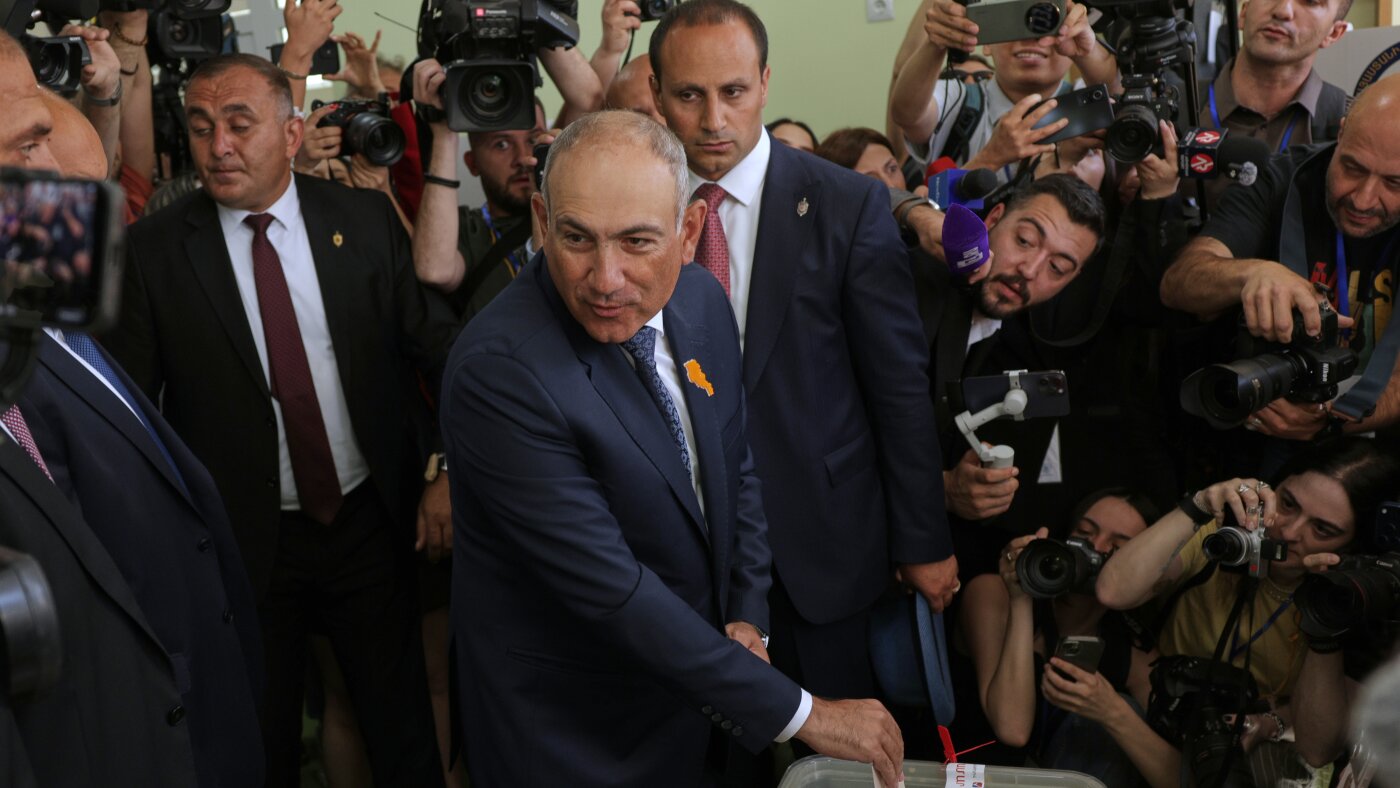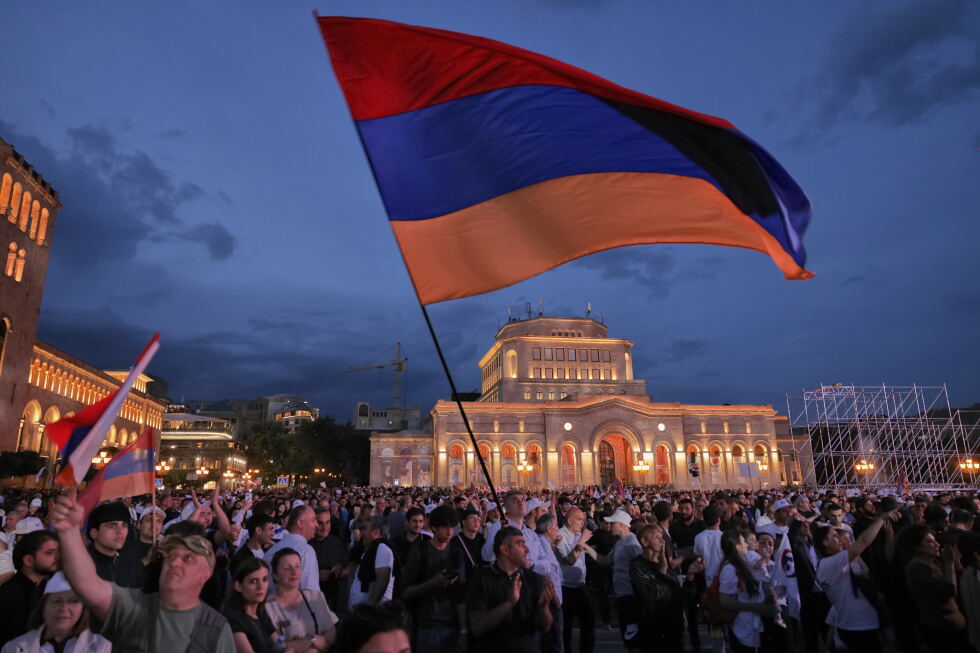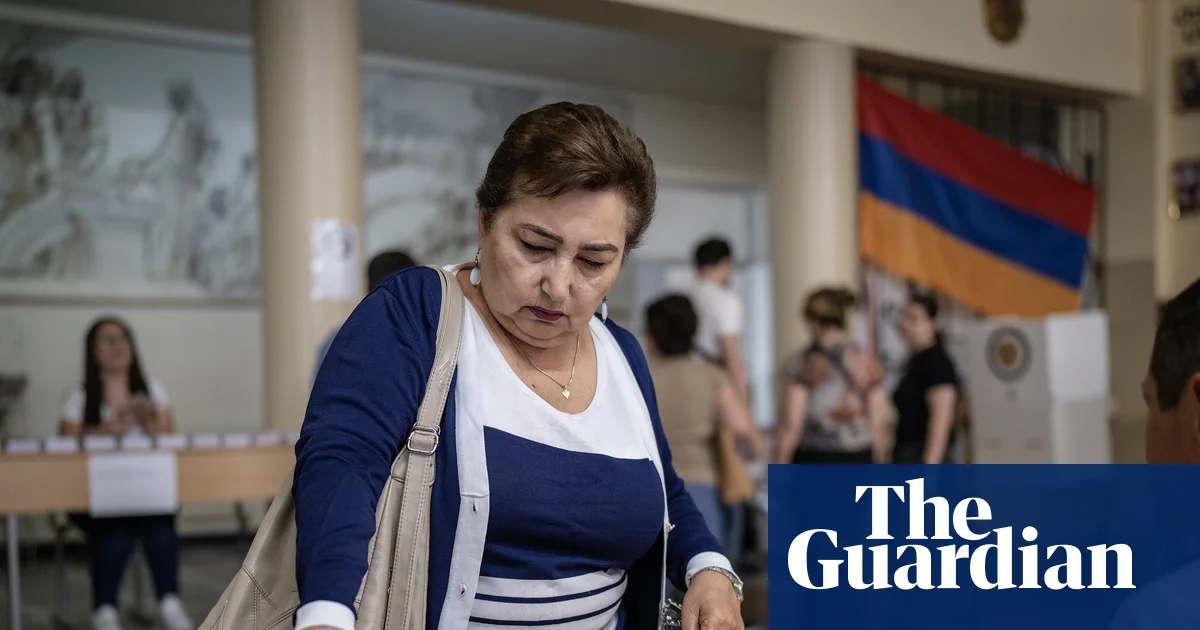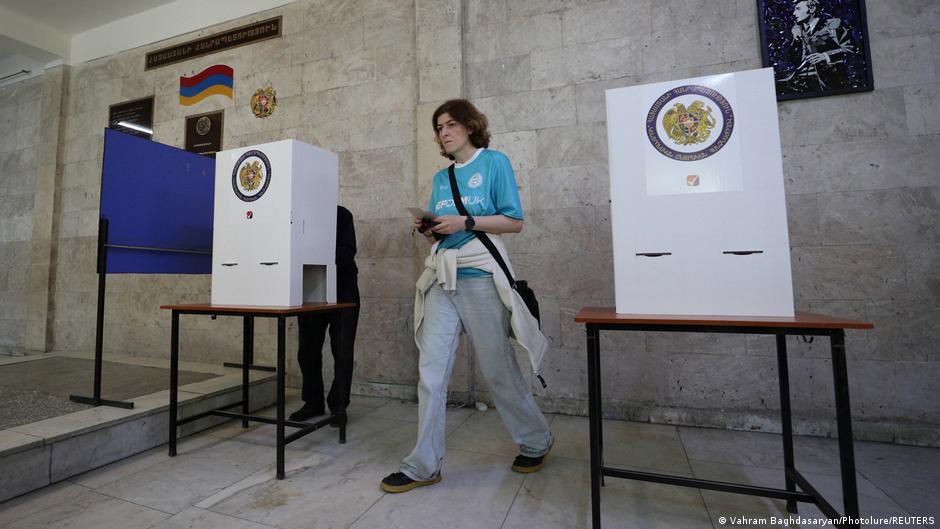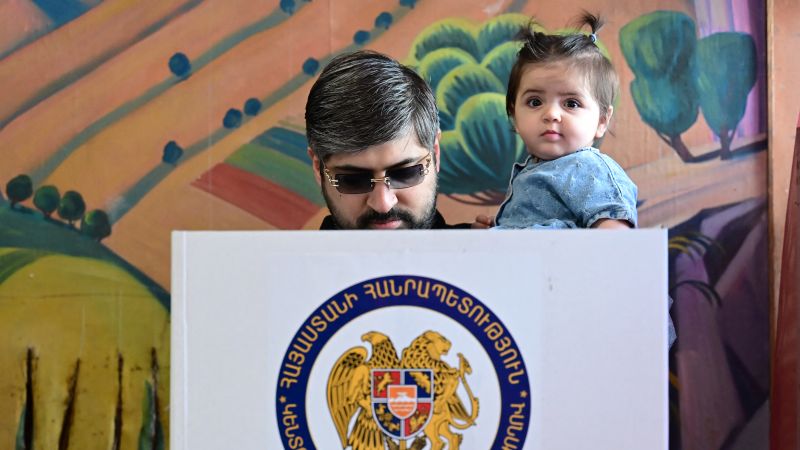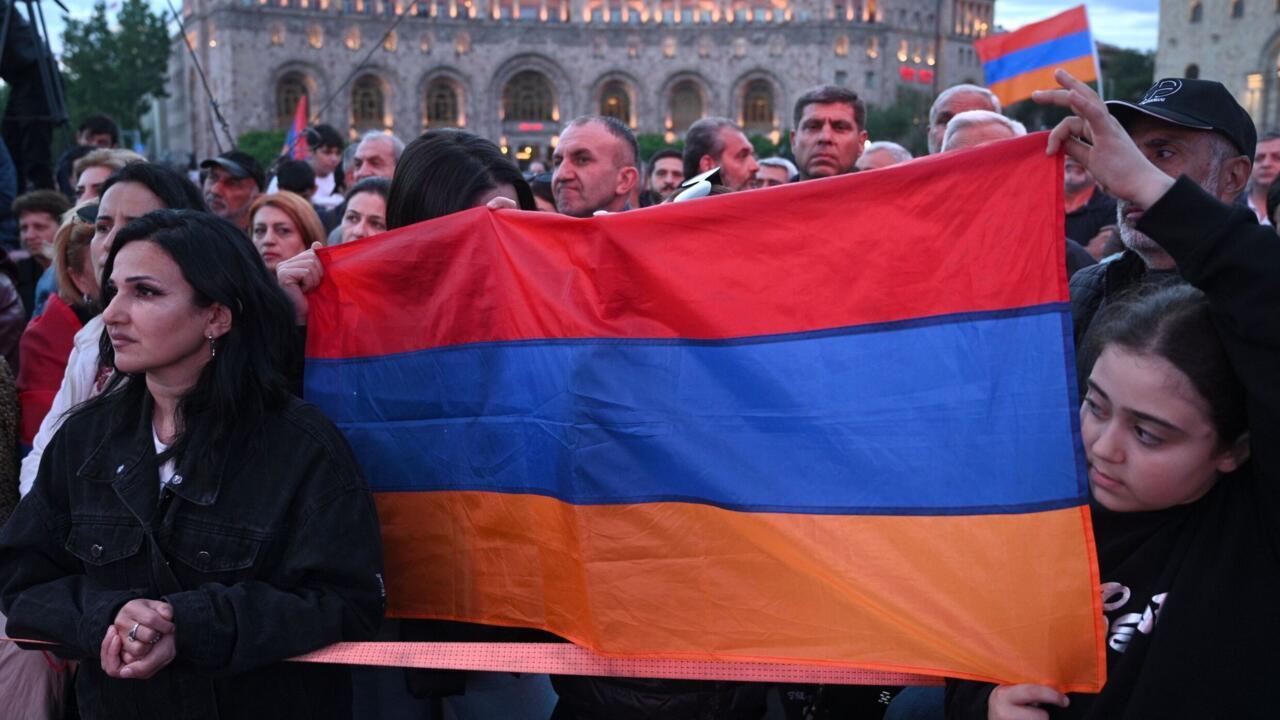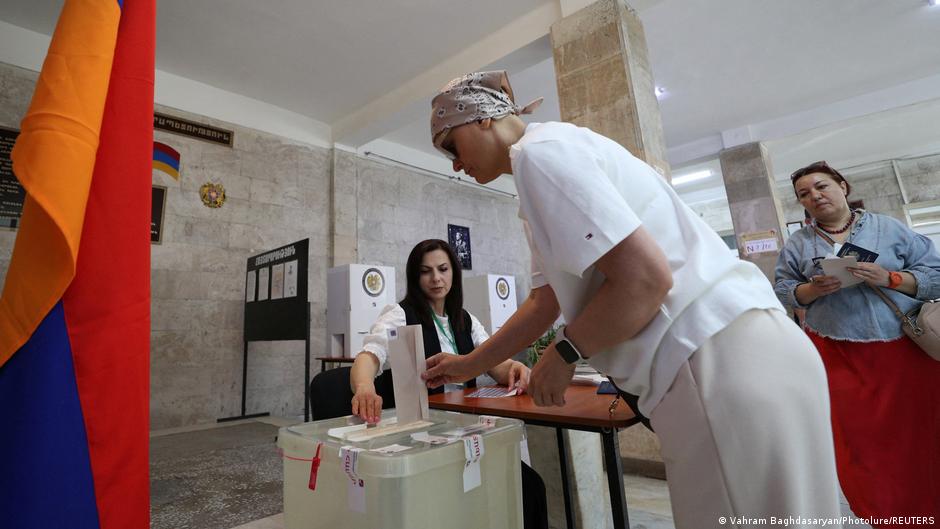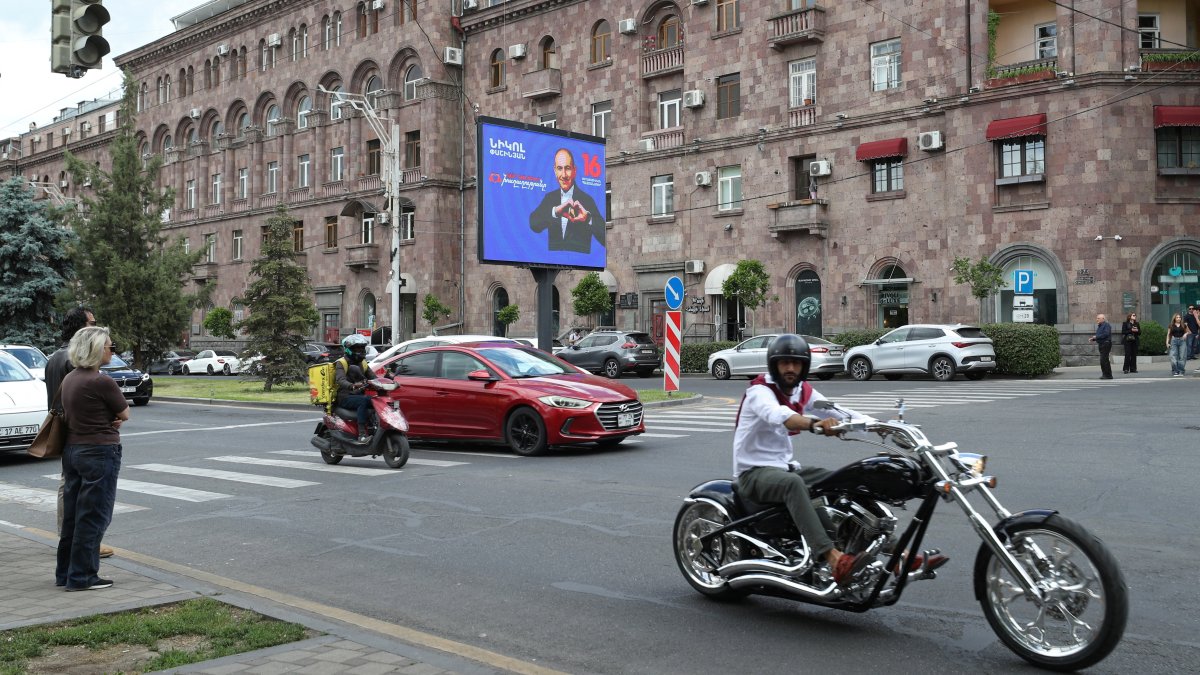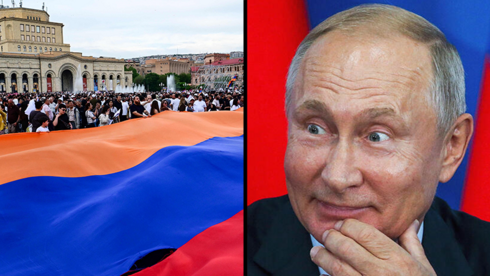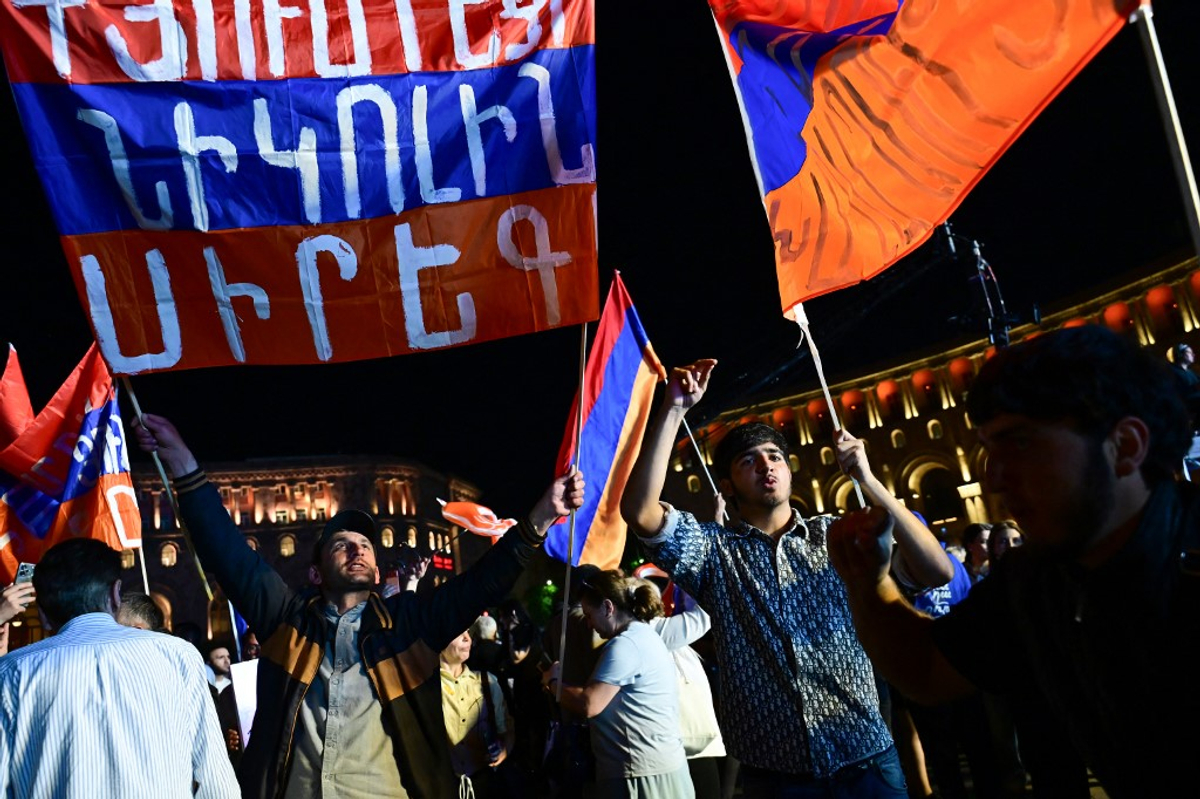
With parliamentary elections this Sunday, Armenia is entering a decisive phase that could shift its geopolitical trajectory, ease conflict and help soothe relations with regional neighbours. In the streets of Yerevan, campaign posters from 18 parties and alliances compete for visibility. Those of incumbent Prime Minister Nikol Pashinyan, depicted forming a heart with his hands, are among the most prominent in the capital.JOIN US ON TELEGRAMFollow our coverage of the war on the @Kyivpost_official. In office since 2018, Pashinyan is currently leading in the polls with about 32% of the vote. This election will test whether he can secure a parliamentary majority strong enough to implement constitutional reforms, including concluding a peace agreement with Azerbaijan and normalising relations with Turkey, while continuing a gradual rapprochement with the EU. This strategic shift has coincided with a gradual distancing from Russia, Armenia’s long-standing security partner, even as the country remains heavily dependent on Moscow in economic and energy terms. “These are not elections simply dividing pro-Russian and pro-Western forces,” says Richard Giragossian, director of the Regional Studies Center in Yerevan. “But both Moscow and Brussels are closely monitoring the outcome.” A fragile post-Karabakh realignment Since Azerbaijan’s military takeover of Nagorno-Karabakh in 2023 and the displacement of more than 100,000 ethnic Armenians from the disputed territory, relations between Yerevan and Moscow have deteriorated significantly.
Caucasian Realignment: Armenia Votes as Electoral Outcome Directly Threatens Russian Leverage
Prime Minister Nikol Pashinyan leads polls ahead of Sunday’s high-stakes vote, seeking a mandate for sweeping constitutional reforms despite intensifying Russian trade blockades.
1,116 words~5 min read