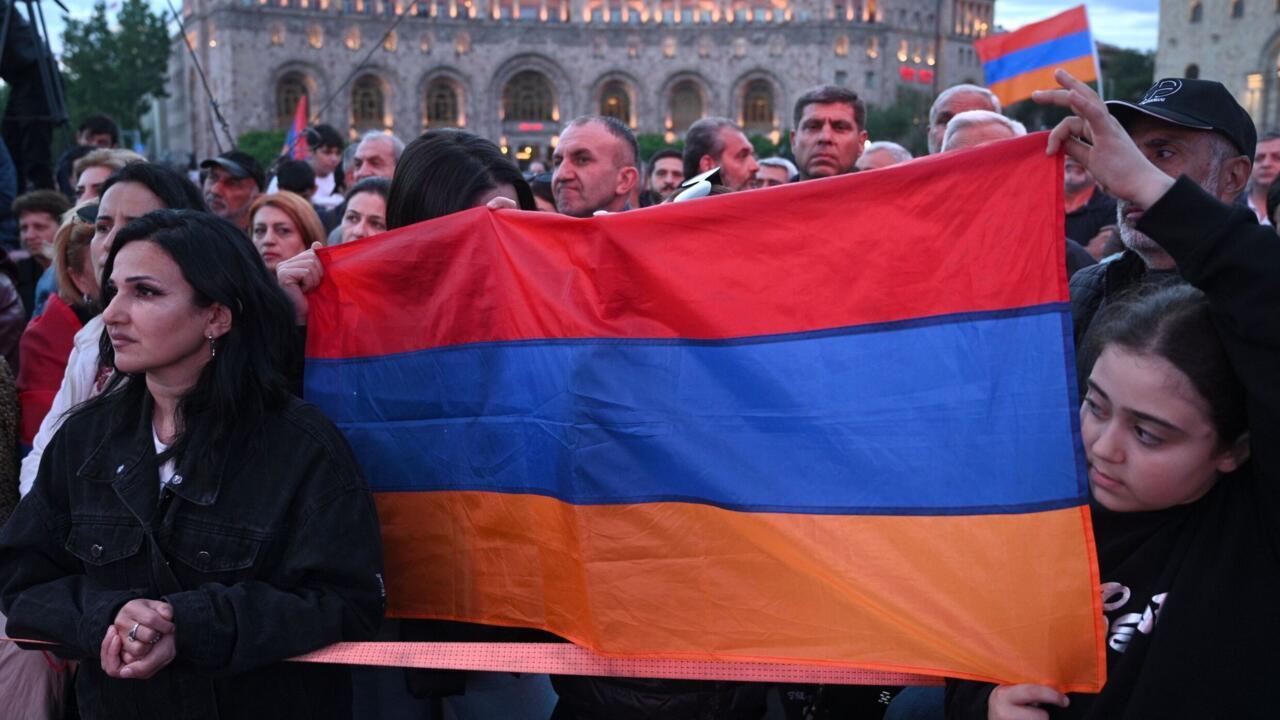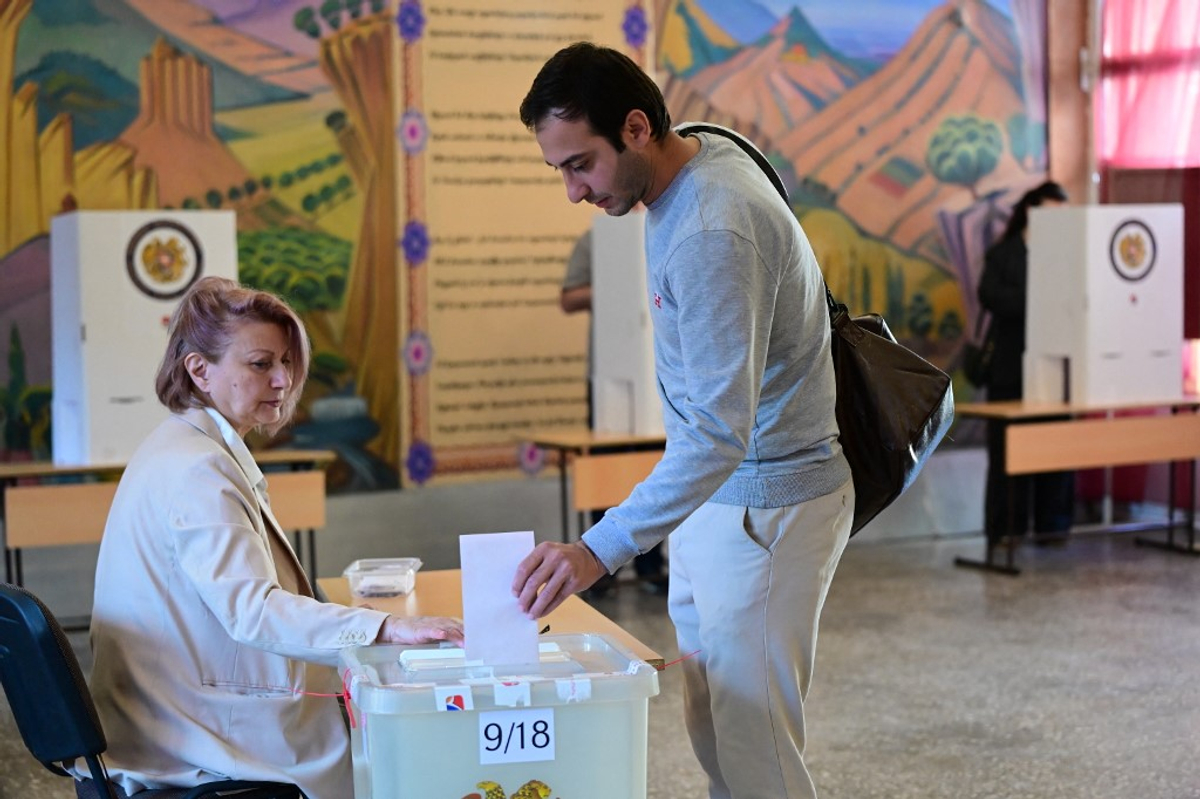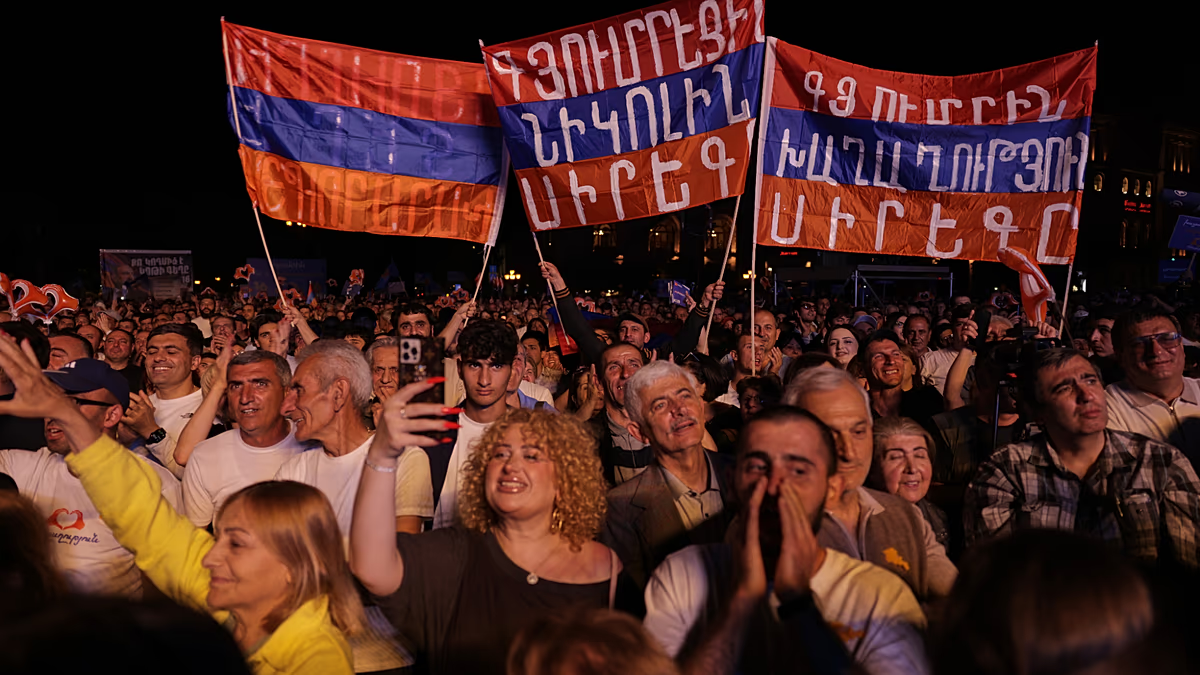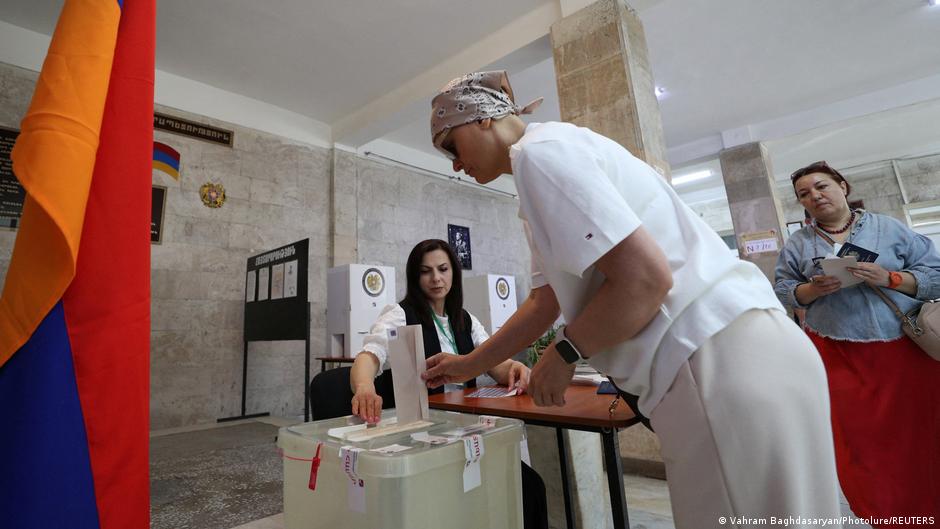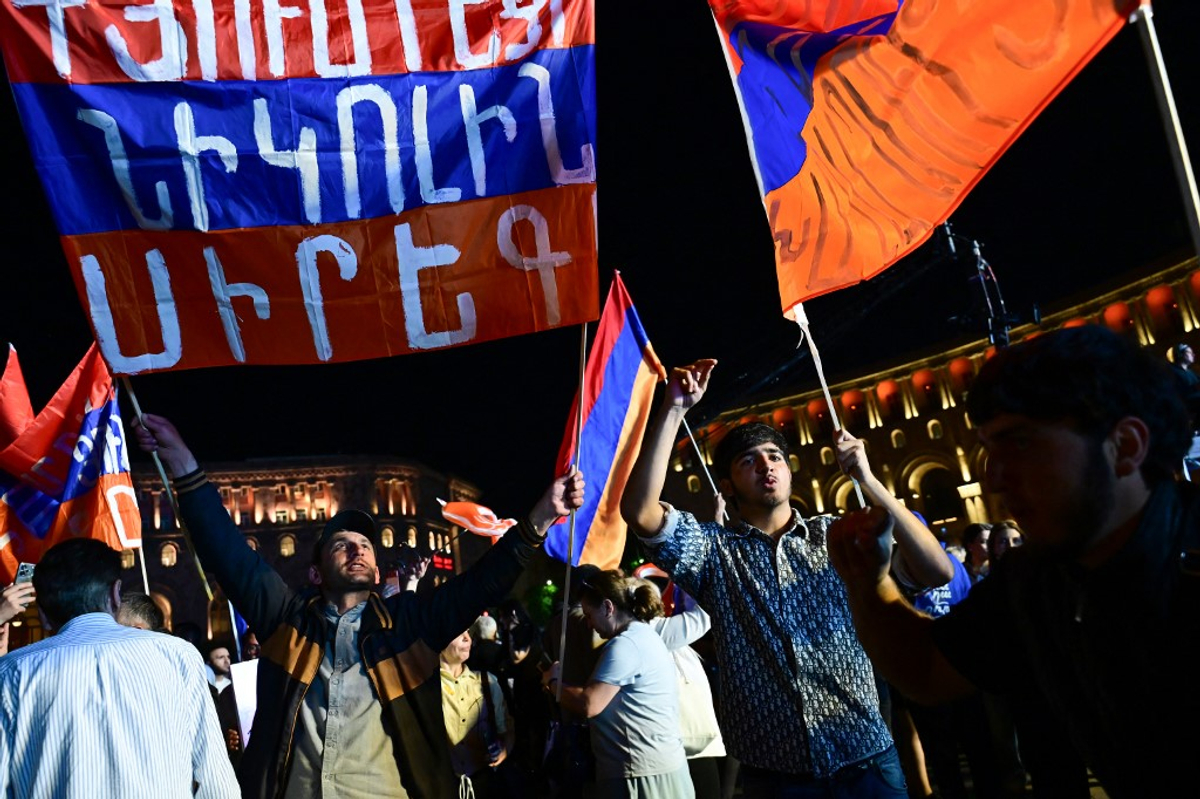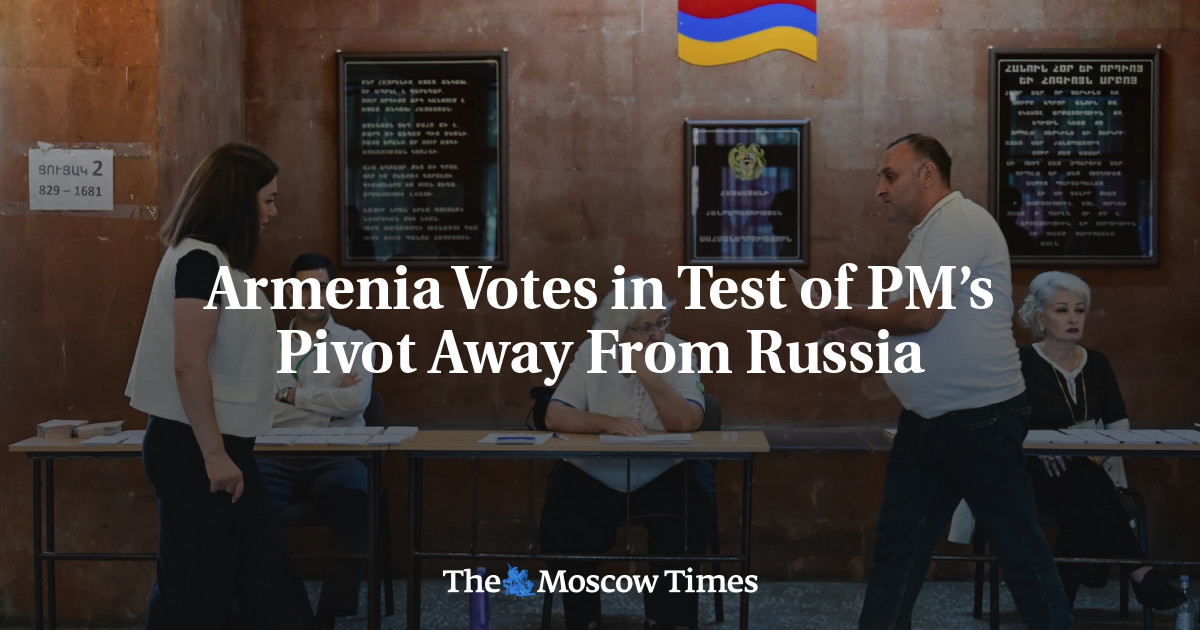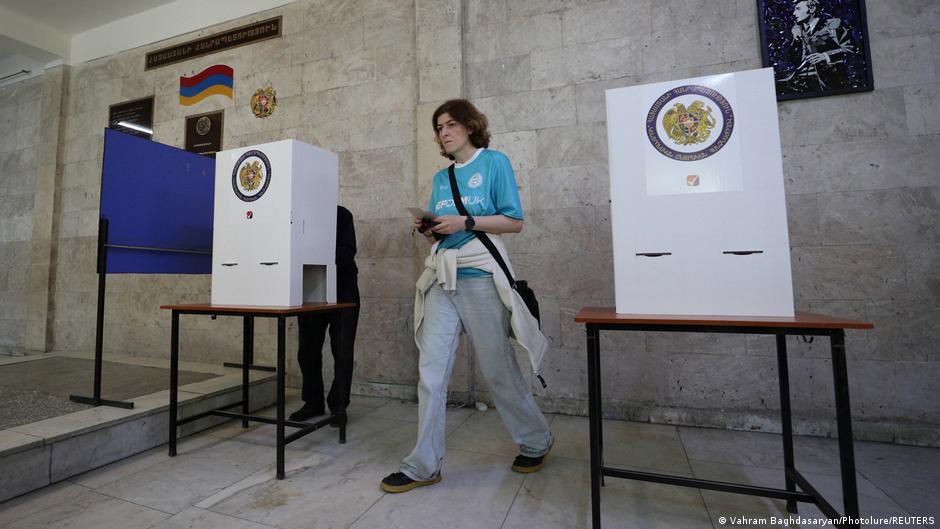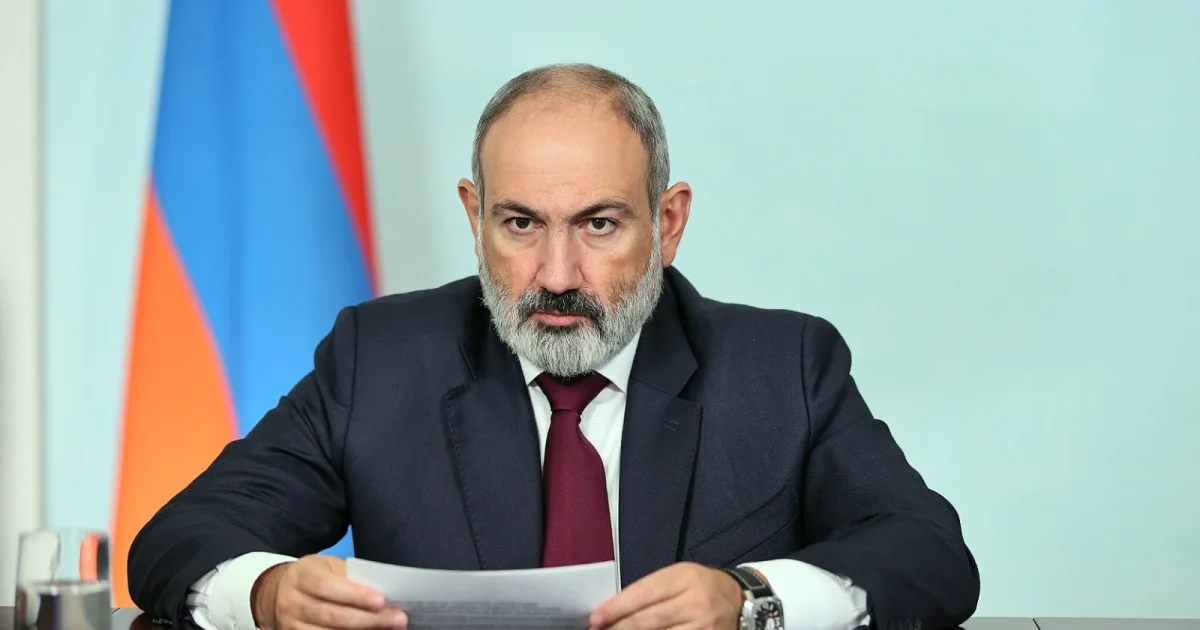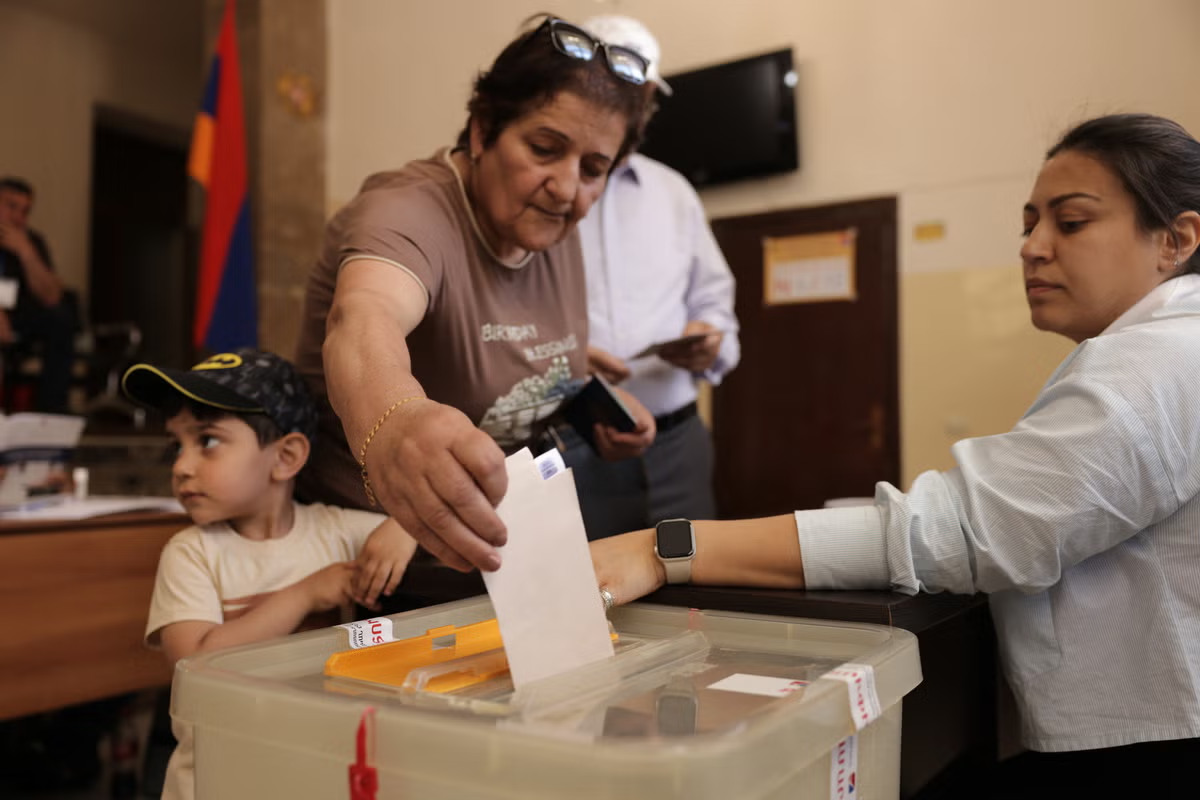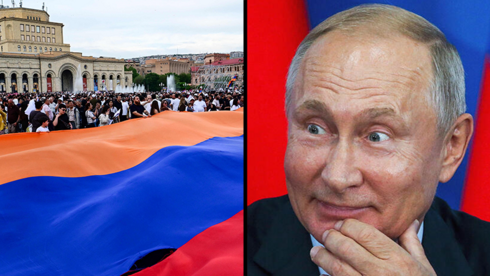
Prime Minister Nikol Pashinyan seeks mandate to move closer to EU as pro-Russian rivals cite Nagorno-Karabakh defeat; Moscow signals pressure with import bans and Ukraine warningsArmenians voted Sunday in an election that could determine whether the small former Soviet republic moves closer to the European Union and the West or returns more firmly to Russia’s sphere of influence.The vote is being closely watched in both Brussels and Moscow because Armenia, a landlocked country of about 3 million people in the South Caucasus, has long depended on Russia for trade, energy and security. Prime Minister Nikol Pashinyan, who has led Armenia since 2018, is seeking a strong victory for his ruling Civil Contract party that would allow him to continue shifting the country away from Moscow.5 View gallery Armenian Prime Minister Nikol Pashinyan (Photo: KAREN MINASYAN / AFP)Armenia remained closely tied to Russia after the Soviet Union collapsed in 1991. Russia imports many Armenian goods, controls important parts of Armenia’s infrastructure and energy sectors, supplies the country with cheap gas and has sold it weapons. But under Pashinyan, Armenia has gradually moved closer to Europe and the United States, while relations with Russia have deteriorated.Ahead of the election, Pashinyan said Armenia could one day join the European Union. Voting in the capital, Yerevan, on Sunday morning, the 51-year-old prime minister said his government would continue strengthening Armenia’s independence, democracy and rule of law.“The European Union is our main partner in implementing democratic reforms, and we will continue on this path,” he said. He also insisted that Armenia was not in conflict with Russia and said relations with Moscow were based on mutual respect.Pashinyan and Civil Contract are running against several pro-Russian opposition parties that want closer ties with Moscow. The largest is Strong Armenia, led by Armenian-Russian businessman Samvel Karapetyan, which accuses Pashinyan of pushing Armenia toward a confrontation with Russia.5 View gallery A Prosperous Armenia rally in Yerevan (Photo: Karen MINASYAN / AFP)Other prominent challengers include former president Robert Kocharyan, who heads the Hayastan bloc and has accused Pashinyan of damaging relations with Russia, and Prosperous Armenia, led by pro-Russian businessman Gagik Tsarukyan.Pashinyan is widely expected to win. Polls show his party leading with up to 32% support, while Strong Armenia is in second place with up to 11%.The election comes at a sensitive moment for Armenia’s foreign policy. Pashinyan has said Armenia should maintain good relations with the United States, Europe and Russia, as well as with nearby powers such as Turkey and Iran. But his statements about closer ties with the West have been welcomed more warmly in Europe and Washington than in Moscow.Pashinyan has received public support from several European leaders and from U.S. President Donald Trump, who called him “a friend and a great leader” and urged Armenians to “Make Armenia Great Again.” Russian officials, meanwhile, have responded with warnings.In recent weeks, senior Russian officials, including President Vladimir Putin, have compared Armenia’s possible move toward the EU to Ukraine’s earlier turn toward the West. Russia invaded Ukraine after years of tension over Kyiv’s efforts to move closer to Europe and NATO, and now occupies about a fifth of Ukrainian territory.Speaking to reporters after Russia’s Victory Day parade on May 9, Putin said that if Armenians saw benefits in joining the EU, “we certainly will have nothing to say against it.” But he added: “We are now dealing with everything happening around Ukraine, and how did it begin? It began with Ukraine joining, or trying to join, the European Union.”5 View gallery (Photo: Alexander Kazakov, Sputnik, Kremlin Pool Photo via AP)Ahead of Sunday’s election, Russia banned imports of several Armenian products, including flowers, some types of cognac and wine, eggplants, potatoes, dried fruit and fish. Moscow said the bans were related to violations of agricultural import rules. But in Armenia and Europe, the move was seen as a warning that Russia could hurt Armenia’s economy if Yerevan continues moving toward the West.The European Commission, the EU’s executive arm, called the Russian move “nothing less than economic blackmail.”“By expanding restrictions on Armenian exports, Moscow is weaponizing economic relations for political pressure,” the commission said. “We know this practice all too well.”Putin has also reminded Armenia of Russia’s influence over the country’s economy. In meetings with Pashinyan, he emphasized Russia’s role in Armenia’s infrastructure and energy sectors and its supply of cheap gas. He also said Armenia would not be able to remain in the Eurasian Economic Union, a Russia-led trade bloc, if it joined the EU.Another central issue in the election is Pashinyan’s attempt to make peace with Azerbaijan, Armenia’s neighbor and longtime rival. Armenia and Azerbaijan fought for decades over Nagorno-Karabakh, a mountainous region internationally recognized as part of Azerbaijan but for years controlled by ethnic Armenian separatists backed by Armenia.A war in 2020 killed thousands of people and ended with major Armenian losses. In 2023, Azerbaijan launched a lightning offensive and took full control of Nagorno-Karabakh. The region’s entire ethnic Armenian population, numbering tens of thousands, fled to Armenia.5 View gallery US President Donald Trump meets with Azerbaijani President Ilham Aliyev and Armenian Prime Minister Nikol Pashinyan (Photo: REUTERS/Kevin Lamarque)The defeat in Nagorno-Karabakh was a national trauma for many Armenians and led to harsh criticism of Pashinyan. But instead of returning to confrontation, he moved toward reconciliation with Azerbaijan. Last August, he signed an agreement at the White House with Trump and Azerbaijani President Ilham Aliyev, under which Armenia and Azerbaijan would move toward a historic peace deal.Pashinyan has made peace with Azerbaijan a central part of his campaign. His pro-Russian opponents say he humiliated Armenia and weakened the country by moving away from Moscow and toward the West.Karapetyan, the Strong Armenia leader, warned against a “reckless rush” toward the West and said: “Russia is our main strategic and economic partner, and will remain so.”Pashinyan’s government argues that Russia failed Armenia during the Nagorno-Karabakh crisis. Yerevan says Moscow, which was supposed to oversee a previous ceasefire agreement between Armenia and Azerbaijan, did not do enough to stop Azerbaijan from breaking it and taking control of the region.5 View gallery Voting in Yerevan (Photo: AP Photo/Anthony Pizzoferrato)Pashinyan’s record at home is also contested. Since he came to power eight years ago, Armenia’s GDP per capita has doubled. But critics and human rights organizations accuse him of becoming increasingly authoritarian and of using the justice system against political opponents.Many of Pashinyan’s rivals have been jailed in recent years. His government says they were imprisoned because they plotted coups.Ahead of Sunday’s election, six candidates from Strong Armenia were arrested. Authorities said they were suspected of buying votes.Karapetyan, who is under house arrest over an alleged attempt to promote a coup, was briefly allowed out to vote. He said the arrests “will not change the minds of Armenian voters.”“The Armenian people will make the right choice, and Armenia will finally have a legitimate government,” he said.The election is taking place amid concerns over irregularities and foreign interference. On Sunday, Armenian authorities urged voters to ignore threatening messages sent from foreign phone numbers and email addresses that falsely claimed bombs had been planted at several polling stations.
Battle for the Caucasus: Armenia votes in latest high-stakes contest between Russia and the West
Prime Minister Nikol Pashinyan seeks mandate to move closer to EU as pro-Russian rivals cite Nagorno-Karabakh defeat; Moscow signals pressure with import bans and Ukraine warnings
1,186 words~5 min read