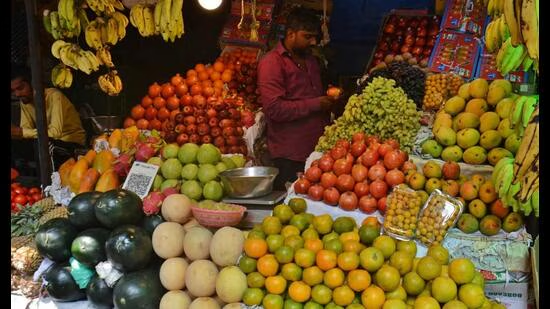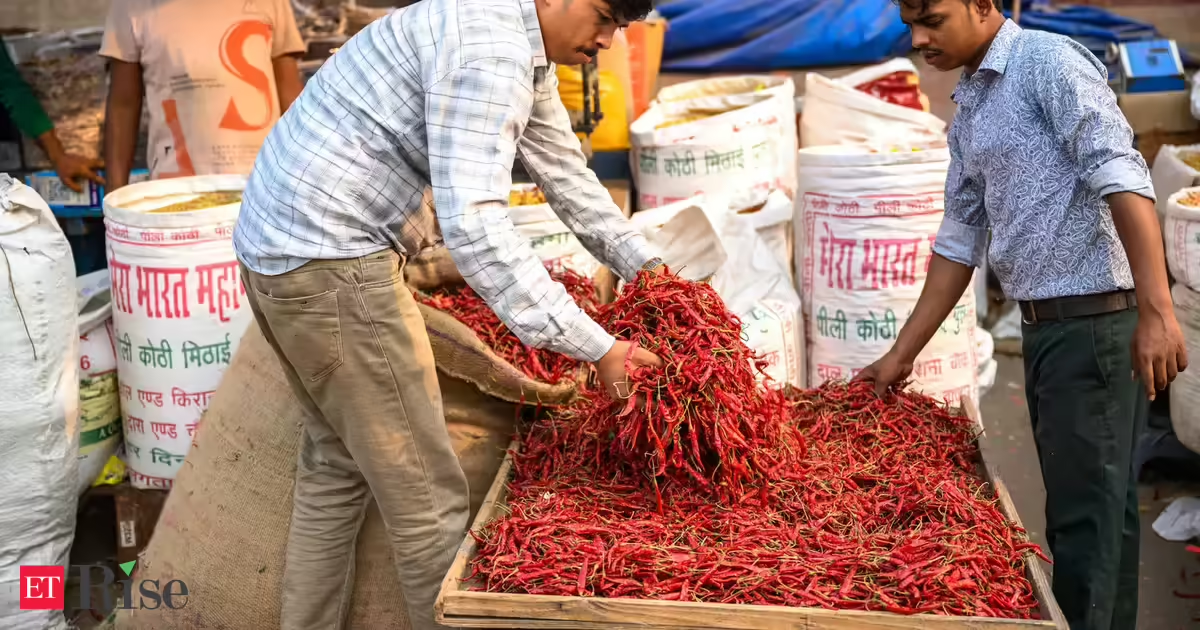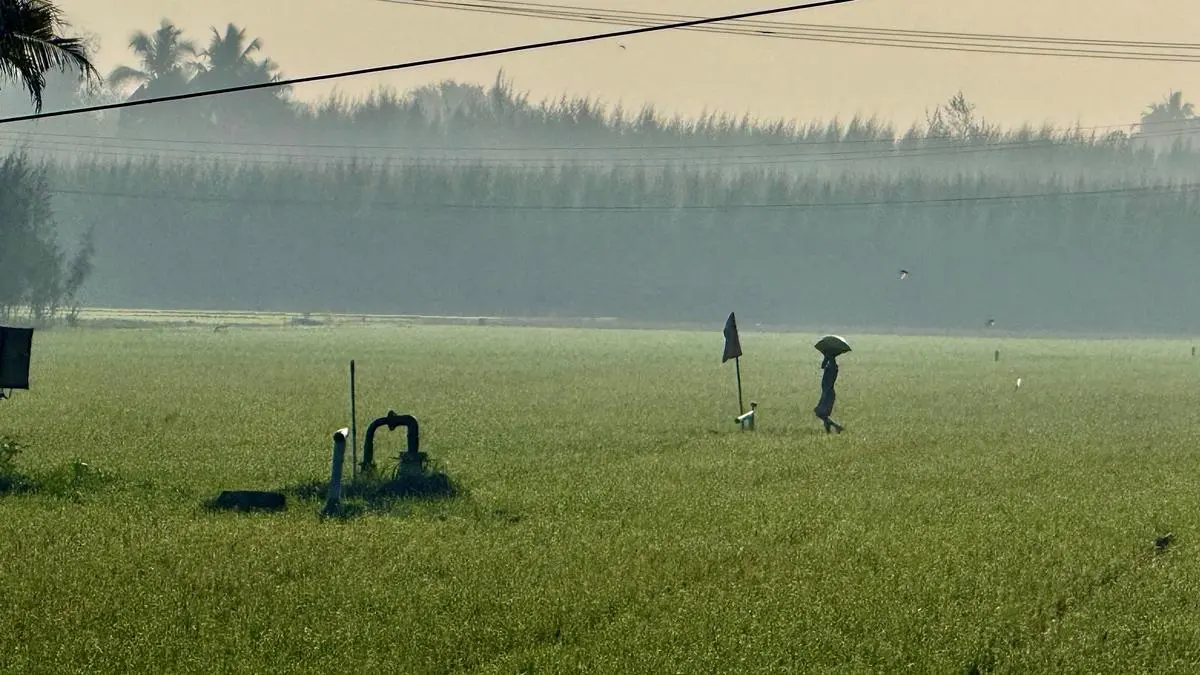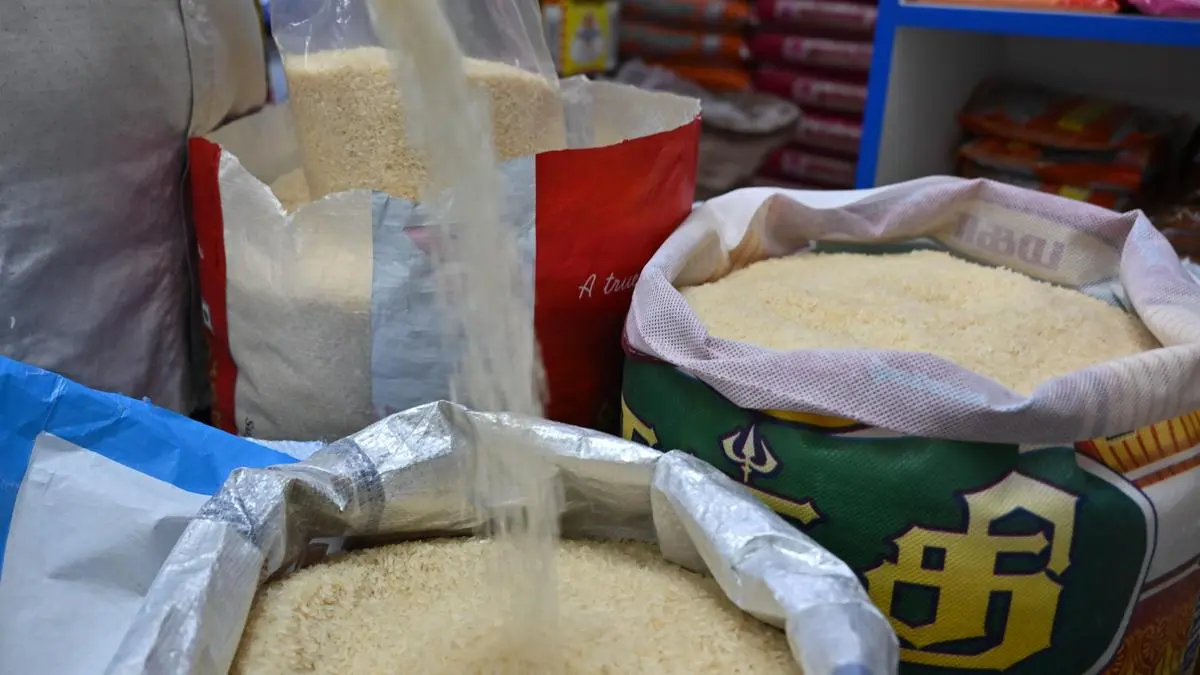
India is witnessing record agricultural production, with grain output estimated at 357.7 million tonnes in 2024–25. However, ensuring food safety does not end at the farm. It depends equally on effective post-harvest management — the storage, handling, processing and transportation practices that preserve produce after harvest and before it reaches consumers. These activities form the backbone of a safe and efficient food supply chain.As India moves towards becoming a global agricultural powerhouse, improving post-harvest systems is no longer merely an operational requirement. It is essential for ensuring food security, protecting consumer health and maximising returns from agricultural production. Every tonne of food saved after harvest contributes directly to economic growth and resource efficiency.The hidden challenge in the supply chainDespite bumper harvests, post-harvest losses remain a significant concern. Studies estimate that India loses nearly ₹1.5–1.6 lakh crore worth of food annually due to spoilage and wastage. Around 10 per cent of grains and more than 30 per cent of fruits and vegetables fail to reach consumers in safe, consumable condition.Poor storage and transportation practices encourage pest infestation, microbial contamination and physical deterioration. Lack of cold-chain infrastructure often results in perishables reaching markets in spoiled condition, increasing food safety risks and reducing nutritional value. Addressing these challenges requires strengthening every link between the farm and the consumer.The implications extend beyond economics. Food that is lost after harvest represents wasted land, water, energy and labour. Reducing such losses is therefore one of the most sustainable ways of improving food availability without requiring additional cultivation.Scientific storage: The first line of defenceModern scientific storage systems play a critical role in maintaining food quality and safety. Cold-storage warehouses, silos and controlled-atmosphere facilities help maintain optimal temperature and humidity levels while reducing pest and pathogen activity.Key elements include:
From harvest to consumption: Why post-harvest management is central to food safety
Strengthening post-harvest management is not only an economic necessity, but also a critical component of a resilient, sustainable and safe food system
TL;DRAI
India loses ₹1.5–1.6 lakh crore annually to post-harvest spoilage; 30% produce fails pre-consumer despite record 357.7M-tonne output. Cold-chain infrastructure, IoT monitoring and AI logistics reduce waste and ensure food safety—critical for scaling India's agricultural efficiency.
733 words~3 min read