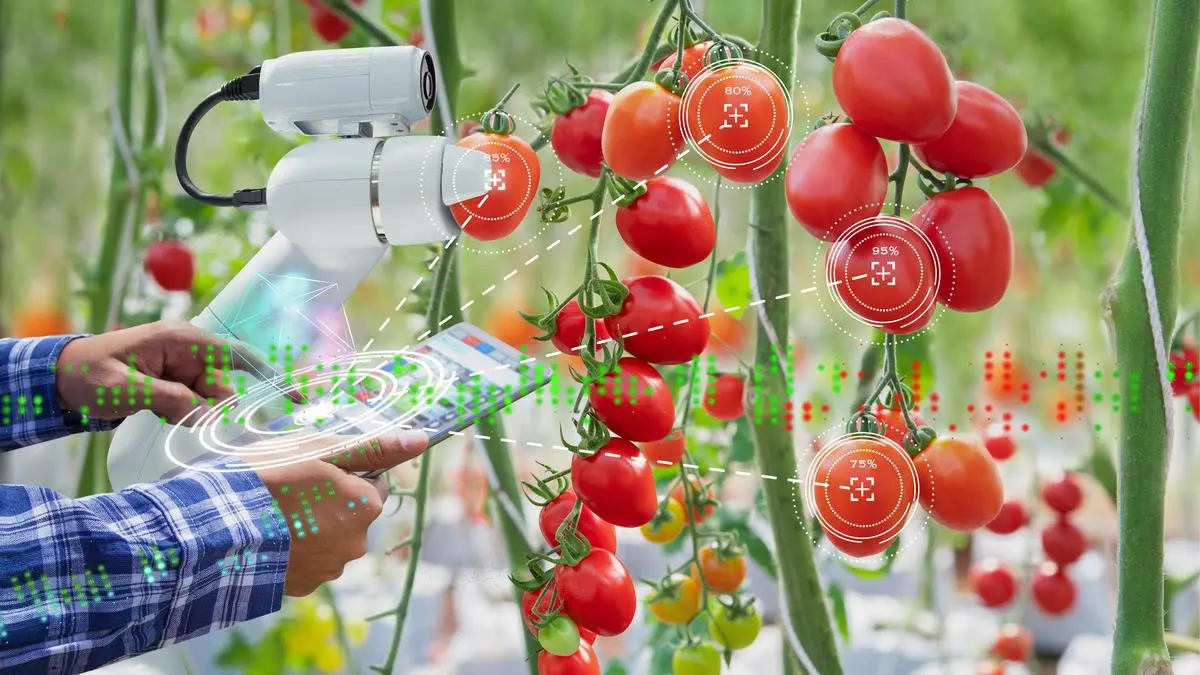
India’s post-harvest challenge is no longer limited to the question of storage capacity. The deeper issue lies in how efficiently harvested produce is preserved, tracked, moved, and monetised after it leaves the farm gate. Food worth ₹1.55 lakh crore is wasted annually in India, underlining the economic and social cost of weak post-harvest systems.Food wastage is not merely an efficiency concern; it is an economic, nutritional, and logistical one. When produce is lost after harvest, the effects travel across the value chain, lowering farmer returns, increasing inefficiencies in markets, and placing pressure on food security. Post-harvest infrastructure, therefore, is not a peripheral concern in agriculture; it has become central to value protection and supply-chain resilience.Understanding the post-harvest gapThe problem is visible across several points in the supply chain. Inefficient storage techniques, inadequate storage capacity, uneven cold-chain coverage, fragmented logistics, and poor real-time visibility of commodities continue to create avoidable losses before produce reaches the right market or buyer.As a result, value erosion often begins after harvest, at the very point where value should be preserved most carefully. Delays in movement, poor handling conditions, and limited monitoring reduce both quality and marketability. This makes the post-harvest gap not just an infrastructure issue, but also a management and information issue.What phygital means in agriculture?In agriculture, the future of post-harvest management lies in building systems that are both physical and digital, what we call a “phygital” approach. Agriculture cannot rely only on infrastructure or only on technology; the real transformation happens when both works together seamlessly.A phygital ecosystem integrates physical assets such as warehouses, cold storages, transport networks, collection centers, and procurement hubs with digital capabilities like IoT sensors, traceability platforms, analytics engines, quality monitoring tools, and real-time data systems. While infrastructure provides the operational backbone, digital intelligence brings visibility, efficiency, transparency, and better decision-making.The strength of the phygital model is that it converts traditional post-harvest infrastructure from passive storage into an actively managed ecosystem. Farmers, aggregators, financiers, and buyers gain access to real-time insights on inventory, quality, movement, and market readiness. Produce can be monitored more accurately, risks can be identified earlier, and operational inefficiencies can be reduced significantly.A well-designed phygital system also improves trust across the agricultural value chain. Traceability and data-backed processes create greater confidence for lenders, buyers, processors, and exporters, while helping farmers receive better market access and value realisation.Why physical infrastructure alone is not enough?Physical infrastructure remains essential, but it cannot deliver the full answer on its own. Additional warehouses or cold storages, without digital visibility and process control, may still leave gaps in stock monitoring, quality assessment, and utilisation. A storage facility may exist, but if there is no real-time oversight of conditions or movement, produce can still lose value through delay, deterioration, or inefficient handling.Digital integration transforms static infrastructure into intelligent, responsive systems. It enhances planning, enables faster interventions, and ensures greater transparency and reliability across the value chain. In this sense, technology does not replace physical infrastructure; rather, it amplifies its efficiency, effectiveness, and overall impact.How digital tools improve outcomes?The benefits of digital enablement are practical and measurable. Quick quality assessment helps determine the right storage and movement strategy for produce, while real-time monitoring supports better inventory control and reduces avoidable spoilage. Digital traceability also strengthens trust across the supply chain by creating a clearer record of movement, storage, and handling.These capabilities can improve financing conditions as well. When stored produce is properly tracked and documented, it becomes a more credible asset for lenders and buyers. This helps strengthen inventory-backed financing and improves confidence in post-harvest transactions.Impact on farmers and marketsThe wider impact of such a model extends well beyond warehouses and cold chains. Farmers benefit from lower post-harvest losses and stronger value realisation, while buyers and processors gain access to more reliable supply and improved quality assurance. Lenders also gain greater confidence in inventory-backed financing when produce is properly tracked and monitored.This creates a stronger link between farm, market, and finance. Better traceability and better storage intelligence can improve cash flow across the chain and support a more efficient rural economy. In that sense, phygital infrastructure strengthens not only logistics but the wider agricultural value system.The author is Group CEO, Sohan Lal Commodity Management LimitedPublished on May 30, 2026
Why going phygital is the blueprint for India’s post-harvest infrastructure leap
Discover how a phygital approach revolutionizes India's post-harvest infrastructure, enhancing efficiency, reducing waste, and boosting farmer returns.
705 words~3 min read