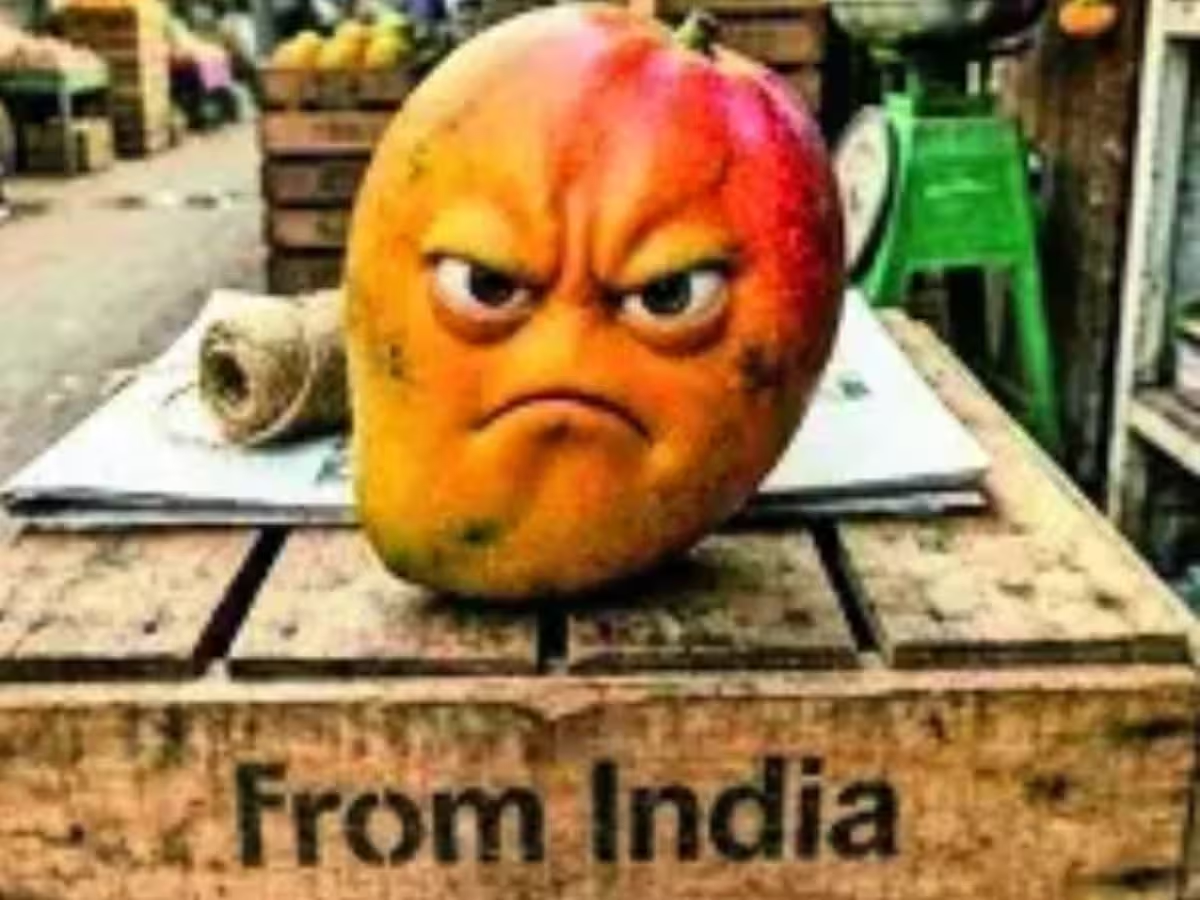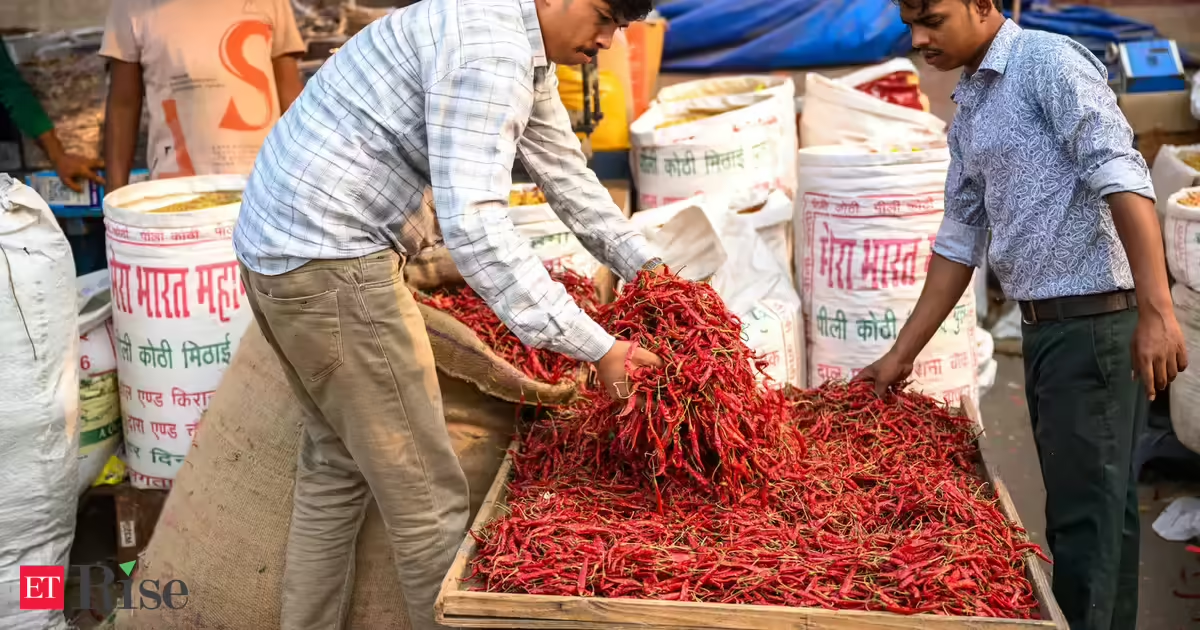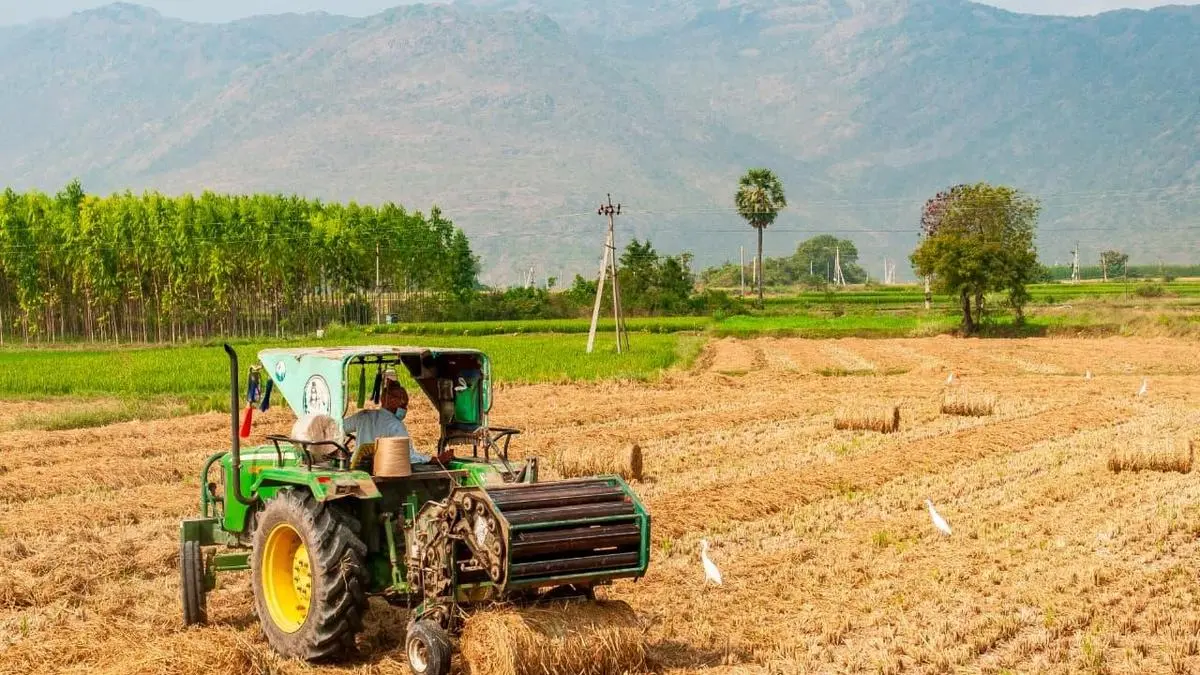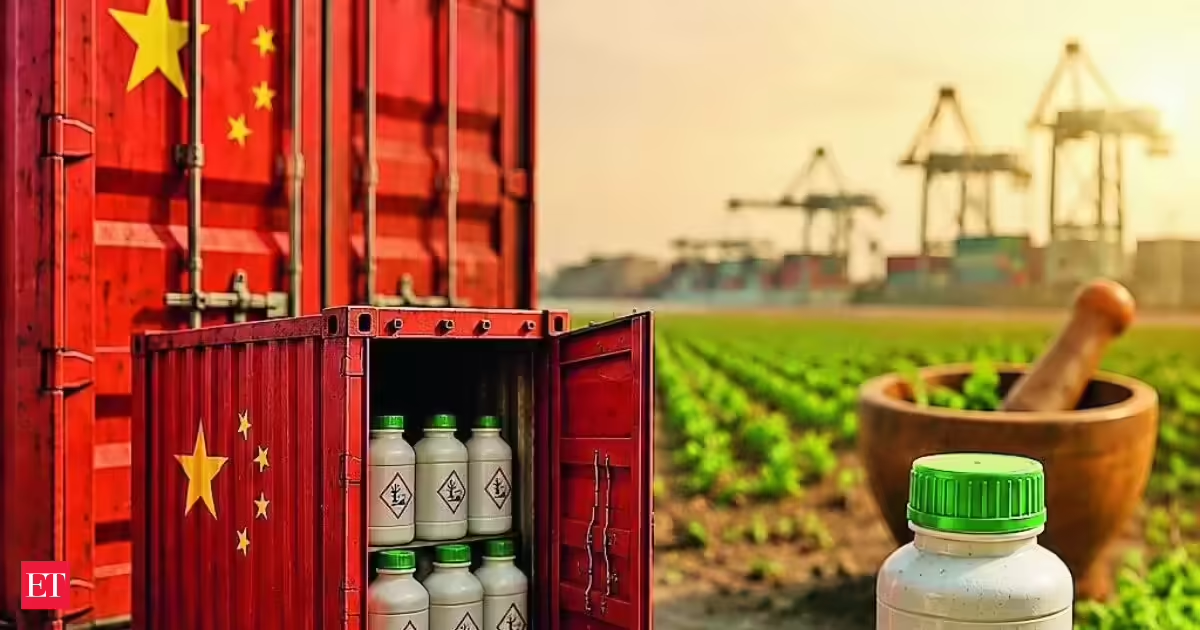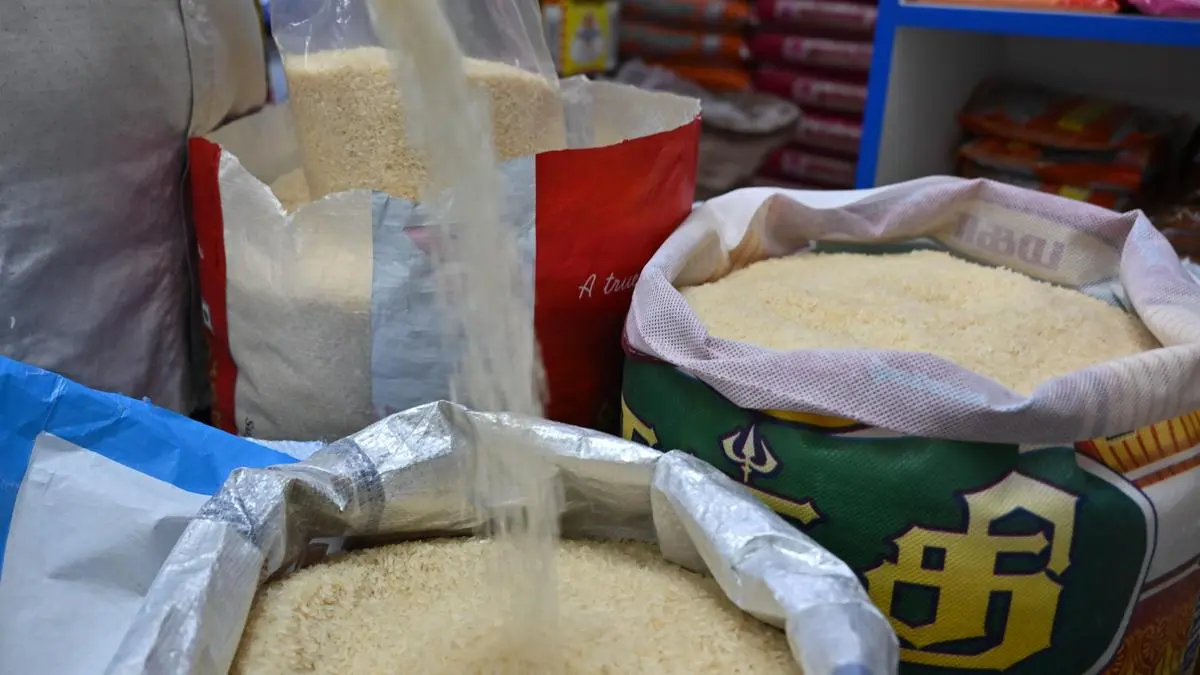
The fruits, vegetables, spices and grains we eat often contain very small amounts of pesticides and insecticides used by farmers for crop protection, as well as preservatives and additives added during processing. Food-safety regulations set safe limits for these substances in food product to protect consumers.Some countries impose excessively strict standards or residue limits. Such measures often do little to improve public health but make it harder for foreign products to enter their markets. As a result, food safety rules have increasingly become trade barriers.India therefore faces a double challenge. It must strengthen its own food-safety system so that food sold at home and exported abroad meets high standards. It must also ensure that foreign food-safety rules are not used as disguised barriers to its exports. India is falling short on both fronts: its exports face repeated rejections overseas, while imported food often receives far less scrutiny at home.Recently, Japan suspended imports of India’s Alphonso and Kesar mangoes after identifying deficiencies in fumigation and pest-control procedures at approved facilities.Export rejectionsThe European Union, the UK and several other developed markets have repeatedly rejected consignments of Indian spices, sesame seeds, rice products, seafood, fruits, vegetables and herbal products. The reasons include excessive pesticide residues, the fumigant ethylene oxide in spices and food additives, aflatoxin contamination in grains and nuts, veterinary drug residues in seafood, and heavy metals in certain products.The scale of these setbacks is substantial. Over the past two years, the EU alone issued 365 food safety alerts involving Indian products. These incidents expose weaknesses in India’s food-safety ecosystem, from farm-level traceability and pesticide management to laboratory capacity and regulatory enforcement.While Indian exports face intensive scrutiny abroad, imported food often enters India with comparatively little inspection. This is striking because developed-country agriculture generally uses far more pesticides than India. The EU has nearly 600 registered pesticides, compared with 372 in India. In 2023, EU farmers used about 300,000 tonnes of pesticides, while India used only around 40,000 tonnes. Pesticide use per hectare in the EU stands at 2.67 kg — more than 11 times India’s 0.24 kg. (FAO data)European farmers are also permitted to use many more pesticides on several crops. For example, the EU allows 256 pesticides for apple cultivation, while India permits only 54. The US is also among the world’s largest pesticide users. Yet imported European apples, California almonds and dates from West Asia rarely undergo the intensive residue testing or border inspections that Indian exports routinely face overseas. This highlights the weakness of India’s own testing, surveillance and enforcement systems.Food safety standards are indispensable for consumer safety. Yet many economies increasingly use these to control imports — the EU being a prime example.For example, when a pesticide loses approval for domestic use, the EU frequently reduces the import residue limit to a default level of 0.01 parts per million (ppm). Critics argue that this default is often adopted without a fresh scientific risk assessment and therefore operates more as a trade barrier than a food safety threshold. The consequence is that exporters must comply with requirements that are often much stricter than internationally recognised benchmarks.The controversy surrounding the fungicide tricyclazole illustrates this concern. In 2022, the European Food Safety Authority concluded that the residue limit for tricyclazole in rice could safely be increased from 0.01 ppm to 0.09 ppm based on scientific evidence. Nevertheless, the European Parliament rejected that recommendation and retained the stricter 0.01 ppm limit, making exports more difficult for rice-producing countries, including India.During discussions at the WTO, the EU acknowledged that it could not establish an Maximum Residue Level (MRL) through a conventional risk assessment and instead applied the default 0.01 ppm limit using a hazard-based approach.FTA conundrumsThe issue has become particularly important as India and the EU prepare to implement their free trade agreement. While the agreement pledges enhanced cooperation on food-safety regulations, the EU has concurrently proposed eliminating import tolerances for all pesticides not approved within Europe.This would automatically trigger the application of a default MRL of 0.01 ppm for those pesticides — a practice that stands in direct conflict with international Codex standards, which mandate adequate scientific justification before any modifications to MRL limits can be made. If such policies continue, market access for many Indian agricultural products would become increasingly difficult.India, therefore, needs a strategy that is both defensive and offensive. The priority is to build a world-class domestic food-safety system. A national farm-to-port traceability framework should be developed for export-oriented agricultural products.India needs many more internationally accredited laboratories near major production and export hubs, routine monitoring of pesticide residues and contaminants throughout the supply chain, and stronger guidance for farmers on pesticide use and Pre-Harvest Intervals. The enforcement capabilities of the Food Safety and Standards Authority of India, customs authorities and plant and animal quarantine agencies must also be significantly strengthened.The second priority is regulatory reciprocity. India should inspect imported food as rigorously as it inspects its own exports abroad. Imported consignments should undergo risk-based sampling and laboratory testing, particularly for products with a history of food safety concerns. Shipments that fail to meet Indian standards should be rejected, just as Indian exports are rejected overseas.China provides a useful model — between 2013 and 2019, it rejected an average of 740 European Union food consignments annually for failing food-safety standards. China demonstrated that a major trading nation can strictly enforce food-safety standards on imports while maintaining robust international trade. India should adopt a similarly science-based import inspection regime to protect consumers, strengthen regulatory credibility and create a level playing field for Indian farmers and exporters.Finally, India must become far more proactive in defending its export interests. A dedicated monitoring and response unit should track regulatory changes in major export markets, provide early warnings to exporters and help them comply with evolving standards.At the same time, India should vigorously challenge food-safety measures that lack scientific justification through bilateral consultations, free trade agreement mechanisms and the WTO Committees.Srivastava is the founder, GTRI; Dixit is with Centre for Environment and AgriculturePublished on July 14, 2026
Food safety rules, or weapons of trade?
India must ensure food exports conform to global safety norms, while tightening rules for food imports
1,003 words~5 min read