very State is a new vocabulary test, every bus conductor a surprise examiner, every shopkeeper an unwilling comedy partner.
| Photo Credit: Getty Images
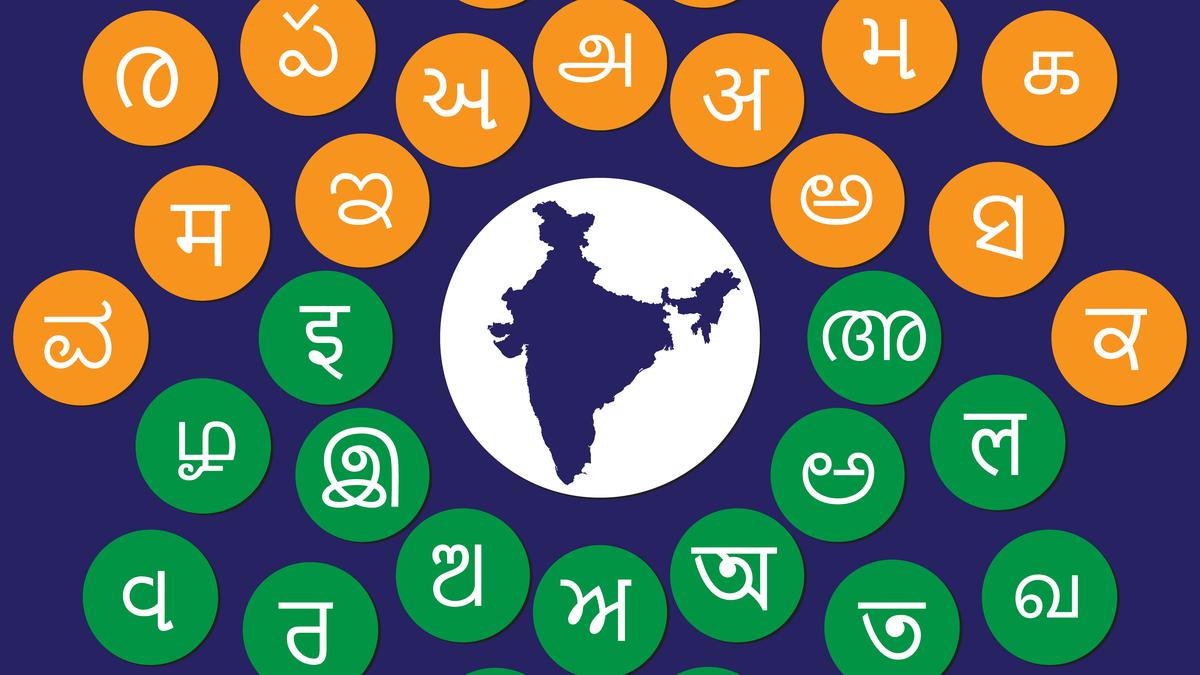
If India were a linguistic buffet, I have scarfed every dish and still cannot digest half of them. My academic years in West Bengal, Bihar, Rajasthan, and finally in Delhi, demanded learning of many languages such as Bengali in West Bengal, Hindi in Bihar, Urdu thrown in good measure in Uttar Pradesh, and Punjabi the extra masala in Delhi. In Bengal, ‘v’, and ‘b’ become a ‘b” or ‘bh’ sound. Water becomes Bater, wash becomes Bash, In U.P., there is an interplay between ‘s’ and ‘sh.’ In Delhi and Punjab, measure becomes ‘meyyure’ and, similarly ‘pleasure’ becomes ‘pleyyure’. My pronunciation, after my exposure to all these, has gone for a toss!My first job was in U.P. There was a mix of Hindi and Urdu words. The place I worked at was near Lucknow famous for its “adaab” (etiquette) and “Tehzeeb” (mannerisms). The language was so refined that we could not ask a person if he was unwell. We had to say “Kya aap ke dushman ki tabiyat naasaaz hai? Literally translated, it means whether your enemy’s health is unwell?After working in U.P., I moved to Delhi. The language spoken in Lucknow is rich with adaab and tehzeeb — people could argue for hours and still sound gracious. Shifting to Delhi was a culture shock. It is almost impossible to speak in Punjabi without knowing the cuss words.After now shifting permanently to Bengaluru, where we found a modest apartment in rural Bengaluru, we discovered that Kannada is not just the local language, it is the only language. Taxi drivers, shopkeepers, bus conductors all speak it fluently, while I stand there like a tourist who lost his phrasebook. My Hindi-English mix earns me glares sharp enough to slice onions.Google Translate, my supposed saviour, has betrayed me more than once. I asked for “buttermilk” and ended up getting butter and milk separately. In one restaurant I wanted more (Tamil for buttermilk), I was served with extra vegetables. The list goes on and on.In desperation, I joined an online Kannada class. My teacher is patient, perhaps saintly, but my tongue has declared independence. On paper, my sentences look respectable. Aloud, they sound like a malfunctioning GPS: “Turn left… recalculating… please speak Hindi.”Still, the teacher has not given up. She seems determined to make me learn spoken Kannada. If she succeeds, I will nominate her for the Bharat Ratna.At 78, I fantasise about a day when India will have one nation, one identity card, one car registration number, and one language. Imagine the bliss: no more linguistic gymnastics, no more Google Translate disasters, no more shopkeepers glaring at me like I have insulted their ancestors.But then again, perhaps this chaos is India’s charm. Every State is a new vocabulary test, every bus conductor a surprise examiner, every shopkeeper an unwilling comedy partner. Without these challenges, life here would be far less entertaining.So here I am, still struggling, still laughing, still hoping that one day I will ask for buttermilk in Kannada and actually get it. Until then, I will keep practising, keep confusing, and keep starring in my own sitcom: Tongue-Tied in Twenty Languages.ksvenkat$8@gmail.com Published - June 07, 2026 01:04 am IST